For general questions, please send us a message and we’ll get right back to you. You can also call us directly to speak with a member of our service team or insurance expert.
Schizophrenia personality disorder is often misunderstood and misrepresented. While not an official clinical term, it is commonly used in public discourse to describe schizophrenia—a serious mental health condition that affects a person’s thinking, emotions, and behaviors, often giving the impression of a distorted personality. In this article, we explore seven key facts to provide a better understanding of schizophrenia and the personality changes it may involve.
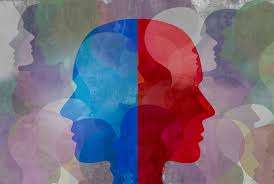
schizophrenia personality disorder
If you need professional support, consulting the best psychiatrist in Delhi can provide valuable insights and personalized strategies for Schizophrenia, Consider Visiting:
1. Understanding the Term “Schizophrenia Personality Disorder”
Although “schizophrenia personality disorder” is not a formally recognized diagnosis in the Diagnostic and Statistical Manual of Mental Disorders (DSM-5), it is frequently used to describe how schizophrenia influences an individual’s personality. People may notice unusual behaviors, emotional expression, or communication patterns, which can appear as personality changes. However, schizophrenia is classified as a psychotic disorder, not a personality disorder.
It’s essential to distinguish schizophrenia from similar-sounding conditions like schizoid or schizotypal personality disorder. These personality disorders involve different symptoms and diagnostic criteria.
2. Core Symptoms of Schizophrenia
Schizophrenia typically includes a combination of the following symptoms:
Delusions: Strongly held false beliefs not based in reality.
Hallucinations: Seeing, hearing, or sensing things that aren’t there.
Disorganized thinking: Difficulty organizing thoughts, leading to fragmented speech.
Negative symptoms: Reduced ability to function normally, such as lack of motivation or emotional flatness.
Social withdrawal: Isolation and decreased interest in social interactions.
These symptoms can create significant disruptions in personal, professional, and social life, and may be perceived by others as personality-related traits.
3. The Impact on Personality and Behavior
Schizophrenia can lead to noticeable changes in behavior and interpersonal communication. People may appear:
Emotionally detached or indifferent
Suspicious or paranoid
Struggling to express thoughts coherently
Less responsive to social cues
Over time, these behaviors can alter how others perceive the individual’s personality. It’s important to understand that these changes are not intentional but are driven by underlying neurological and cognitive challenges.
pathology of schizophrenia
4. Causes and Risk Factors
There is no single cause of schizophrenia, but research points to a combination of factors:
Genetics: Family history of schizophrenia increases risk.
Brain chemistry and structure: Imbalances in neurotransmitters and abnormal brain development are linked to the condition.
Environmental influences: Complications during birth, early childhood trauma, and psychosocial stressors may play a role.
5. Challenges in Daily Functioning
Living with schizophrenia poses several challenges, including:
Difficulty maintaining relationships
Trouble keeping a job or attending school
Struggles with daily routines and self-care
Social stigma and discrimination
These challenges can compound the condition, making it harder for individuals to feel connected to society. Support from family, friends, and professionals is crucial in navigating these obstacles.
6. Importance of Early Intervention and Support
Early detection and a strong support system can significantly improve quality of life. Family education, therapy, peer support groups, and life-skills training all contribute to better long-term outcomes.
Intervention strategies focus on building coping mechanisms, improving communication skills, and promoting social interaction. These efforts can help reduce the sense of isolation and improve functional abilities in daily life.
7. Fighting Stigma Through Awareness
Misunderstanding and stigma remain major barriers for those living with schizophrenia. Many people incorrectly associate the condition with violence or split personalities—myths that have been debunked by mental health professionals.
Public education and open conversations are key to dispelling these myths. Compassion and informed awareness can go a long way in supporting individuals on their mental health journey.
If you or someone you know is struggling, resources like the National Alliance on Mental Illness (NAMI) offer support and guidance.
Final Thoughts
While schizophrenia personality disorder is not a technical diagnosis, it reflects how schizophrenia affects personality and social behavior. Understanding the complexities of the condition is essential for offering compassion, reducing stigma, and helping individuals lead fulfilling lives.
Schizophrenia is a complex and often misunderstood mental health disorder that affects how a person thinks, feels, and behaves. Its symptoms—such as delusions, hallucinations, and disorganized thinking—have long puzzled scientists. Recent advances in neuroscience and imaging technologies have helped us better understand the pathology of schizophrenia, shedding light on the biological and structural changes involved. This article explores seven key insights into the underlying pathology of this condition.
pathology of schizophrenia
If you need professional support, consulting the best psychiatrist in Delhi can provide valuable insights and personalized strategies for Schizophrenia, Consider Visiting:
Research suggests that schizophrenia often has its roots in abnormal brain development during the prenatal or early postnatal stages. Studies indicate that disruptions in neural connectivity and synaptic pruning—the process where unnecessary brain connections are eliminated—may lead to lasting brain function abnormalities.
2. Structural Brain Abnormalities
Advanced brain imaging has revealed consistent structural changes in individuals with schizophrenia. These changes often include:
Enlarged ventricles: Fluid-filled spaces in the brain appear larger, which may reflect loss of brain tissue.
Reduced gray matter: Particularly in the frontal and temporal lobes, areas crucial for decision-making, emotion, and memory.
Thinner cortex: A study published in Nature shows widespread cortical thinning in individuals diagnosed with schizophrenia, affecting cognitive and emotional processing.
These findings support the theory that schizophrenia is closely tied to anatomical brain changes rather than being purely psychological in nature.
3. Neurotransmitter Dysregulation
While exact mechanisms are still being researched, dysregulation of certain neurotransmitters—especially dopamine and glutamate—plays a central role in the pathology of schizophrenia.
Elevated dopamine activity in certain brain regions, particularly the mesolimbic pathway, is linked to hallucinations and delusions. Conversely, reduced dopamine in the prefrontal cortex may impair cognitive functions like attention and memory. Similarly, abnormalities in the glutamate system can affect synaptic plasticity and neurocognition.
cognitive symptoms of schizophrenia
4. Inflammation and Immune System Involvement
Emerging evidence suggests that the immune system might also be involved in the development of schizophrenia. Elevated levels of inflammatory markers like cytokines have been found in some patients, indicating an ongoing immune response in the brain.
5. Cognitive Impairments and Brain Connectivity
Cognitive deficits are a core feature of schizophrenia and often appear even before other symptoms manifest. These include difficulties with:
Working memory
Attention span
Executive functioning
Verbal and visual learning
Studies using fMRI (functional Magnetic Resonance Imaging) show disrupted communication between different regions of the brain, particularly the prefrontal cortex and hippocampus. This altered connectivity may underlie many of the thought-processing issues experienced by individuals with schizophrenia.
6. Genetic and Epigenetic Factors
Genetics plays a significant role in predisposing individuals to schizophrenia. Family and twin studies show a strong hereditary component, although no single gene is responsible. Instead, hundreds of genetic variants may collectively increase risk.
Epigenetic factors—environmental influences that affect gene expression without changing DNA—are also under investigation. Prenatal infections, maternal stress, and exposure to environmental toxins may all impact the brain’s developmental trajectory.
Though the biological basis is strong, environmental triggers also influence the onset and progression of schizophrenia. Factors like:
Early life trauma
Urban upbringing
Social isolation
Chronic stress
…are associated with increased risk. The widely accepted “stress-vulnerability” model posits that these external influences can trigger symptoms in biologically vulnerable individuals.
Final Thoughts
Understanding the pathology of schizophrenia is essential not just for researchers, but also for families, caregivers, and the individuals who live with the condition. While challenges remain, continued exploration into the neurobiological and environmental underpinnings brings us closer to more effective interventions and support systems.
As science continues to evolve, so too does our empathy—and our ability to provide informed, compassionate care to those affected by this intricate disorder.
Schizophrenia psychology is a complex and often misunderstood mental health condition that affects how a person thinks, feels, and behaves. While it may be commonly associated with hallucinations or delusions, the psychological dimensions of schizophrenia go far deeper. In this article, we explore the core psychological aspects of schizophrenia, shedding light on how it affects the mind and daily life of those living with it.
schizophrenia psychology
If you need professional support, consulting the best psychiatrist in Delhi can provide valuable insights and personalized strategies for Schizophrenia , Consider Visiting:
1. Defining Schizophrenia: A Psychological Perspective
From a psychological standpoint, schizophrenia psychology is considered a severe chronic mental disorder that interferes with a person’s ability to interpret reality.
Schizophrenia typically begins in late adolescence or early adulthood and presents through a range of symptoms that vary between individuals. These symptoms are generally categorized as positive, negative, and cognitive:
Negative symptoms: Lack of motivation, reduced emotional expression, social withdrawal
Cognitive symptoms: Impaired attention, memory, and executive functioning
2. The Role of Cognitive Dysfunction in Schizophrenia Psychology
One of the most profound psychological effects of schizophrenia is its impact on cognition. Individuals may struggle with tasks requiring attention, working memory, and problem-solving. These deficits are not always outwardly visible but can significantly impair daily functioning and independence.
3. Emotional and Social Impairment
Emotionally, individuals with schizophrenia may appear flat or indifferent, but that does not mean they are unaffected internally. This blunting of emotional expression—also known as affective flattening—is a common negative symptom.
Socially, schizophrenia can lead to withdrawal from relationships, difficulties in interpreting social cues, and a general sense of isolation. These impairments are often misinterpreted as intentional avoidance or disinterest, further contributing to stigma and misunderstanding.
4. The Onset and Early Warning Signs
Understanding the early psychological signs of schizophrenia can be crucial for early intervention. These signs often emerge gradually and may include:
Difficulty concentrating
Social withdrawal
Sudden decline in academic or work performance
Paranoia or suspicious thinking
These signs are not unique to schizophrenia but should be taken seriously if they persist or worsen. Early recognition and intervention can improve long-term outcomes.
schizophrenia psychology
5. Environmental and Psychological Risk Factors
While the exact cause of schizophrenia remains unknown, several psychological and environmental risk factors have been identified. These include:
Childhood trauma
Chronic stress or abuse
Family history of mental illness
Urban living or social adversity
Psychological theories suggest that certain cognitive styles or thought patterns—such as a tendency toward suspicious thinking—may also increase vulnerability.
6. Impact on Family and Caregivers
The psychological toll of schizophrenia extends beyond the individual. Families often face emotional stress, confusion, and burnout while supporting a loved one. Communication can become strained, and routines disrupted.
Psychologists emphasize the importance of psychoeducation and support groups to help families cope. Understanding the nature of schizophrenia helps reduce blame, stigma, and frustration within households.
7. Managing Life with Schizophrenia psychology Strategies
Although challenging, many individuals with schizophrenia can lead fulfilling lives, especially when supported with appropriate psychological interventions. Strategies include:
Cognitive-behavioral therapy (CBT): Helps individuals manage delusions or hallucinations through structured thinking techniques.
Social skills training: Improves interpersonal functioning and builds confidence.
Supportive psychotherapy: Encourages self-esteem and emotional resilience.
Involvement in therapy not only helps reduce symptom intensity but also fosters self-awareness and empowerment.
Breaking the Stigma: A Call to Awareness
Schizophrenia psychology is not a sign of weakness, nor is it a moral failing. It is a serious psychological condition rooted in neurobiological and environmental factors. With awareness, compassion, and informed support, society can better accommodate and uplift those affected.
Educating oneself through reliable sources—such as the Centers for Disease Control and Prevention (CDC) —is a vital step toward breaking stigma and building inclusive communities for schizophrenia psychology.
Conclusion
Understanding schizophrenia psychology requires more than just knowledge of symptoms—it involves empathy, education, and a commitment to human dignity. As research evolves and awareness spreads, we move closer to a society where those living with schizophrenia can thrive without fear or stigma.
Schizophrenia is a serious and often misunderstood mental health condition that affects how a person thinks, feels, and behaves. Recognizing the early sign symptoms of schizophrenia can make a significant difference in seeking timely support and promoting better long-term outcomes.
sign symptoms of schizophrenia
If you need professional support, consulting the best psychiatrist in Delhi can provide valuable insights and personalized strategies for Schizophrenia, Consider Visiting:
One of the first noticeable changes in individuals with emerging schizophrenia is social withdrawal. A person who was once outgoing or socially active may begin to avoid friends, family, and social activities. This isolation often results from the individual’s internal struggles or difficulties in connecting with others due to confusing thoughts and emotions.
Over time, the person may stop communicating altogether or spend long periods alone, which can be misinterpreted as depression or shyness.
2. Disorganized Thinking and Speech
Disorganized thoughts can lead to unusual speech patterns. Individuals may jump between unrelated topics, struggle to form coherent sentences, or provide answers that don’t logically connect to the question asked. This is known as “loose associations.”
3. Unusual or Delusional Beliefs
Delusions are firmly held false beliefs that persist despite clear evidence to the contrary. For example, someone may believe they are being watched, followed, or controlled by external forces. These beliefs are often paranoid or grandiose and may increase in intensity over time.
People experiencing delusions may feel frightened, suspicious of others, or act in ways that appear irrational to those around them. These behaviors can lead to strained relationships or social alienation.
4. Hallucinations
Hallucinations involve perceiving things that are not present. The most common type in schizophrenia is auditory hallucinations—hearing voices that others do not hear. These voices may be critical, commanding, or simply conversational.
Visual, tactile, or olfactory hallucinations may also occur, but are less common. It’s important to understand that hallucinations feel very real to the person experiencing them, even when others cannot see or hear the same things.
5. Flat or Blunted Emotions
A person in the early stages of schizophrenia may exhibit reduced emotional expression. They might speak in a monotone voice, display limited facial expressions, or seem emotionally indifferent, even in situations that would normally elicit a strong emotional response.
This emotional flattening is one of the “negative” sign symptoms of schizophrenia and can significantly impact interpersonal relationships and overall quality of life.
6. Decline in Daily Functioning
As symptoms progress, the individual may struggle to maintain basic routines, such as personal hygiene, managing finances, or attending school or work. Responsibilities that once felt manageable can become overwhelming or neglected.
This decline in functioning is often misattributed to laziness or lack of motivation, but in reality, it is a core sign symptom of schizophrenia requiring empathy and structured support.
7. Cognitive Impairments
Cognitive challenges often affect attention, memory, and decision-making abilities. A person might have difficulty focusing, following conversations, or remembering appointments and tasks. They may appear forgetful, distracted, or confused.
Sign symptoms of schizophrenia can lead to frustration and embarrassment, further discouraging the individual from seeking help or engaging in daily activities.
When to Seek Help
Early recognition of sign symptoms of schizophrenia is critical. If you or someone you know shows several of the above signs for more than a few weeks, consider seeking professional evaluation. Schizophrenia is a chronic condition, but early support and comprehensive care can significantly improve long-term outcomes.
You can learn more about the condition and support options through resources provided by NIMH.
Final Thoughts
Understanding the early sign symptoms of schizophrenia can help reduce stigma and encourage proactive mental health support. If you notice persistent changes in behavior, thinking, or emotions in yourself or a loved one, don’t dismiss them. Trust your instincts and seek help from qualified mental health professionals.
Early action can change the course of this condition and lead to a more stable, fulfilling life.
Residual schizophrenia is a subtype of schizophrenia characterized by a decline in the intensity of active symptoms such as hallucinations and delusions, yet it leaves behind lingering signs that can significantly affect a person’s quality of life. These persistent effects, known as residual schizophrenia symptoms, are often subtle but deeply impactful. Understanding residual schizophrenia symptoms is crucial for individuals, caregivers, and healthcare providers aiming to support long-term recovery and well-being.
residual schizophrenia symptoms
If you need professional support, consulting the best psychiatrist in Delhi can provide valuable insights and personalized strategies for Schizophrenia , Consider Visiting:
Below, we explore the 7 most common residual schizophrenia symptoms, what they mean, and why they matter.
1. Social Withdrawal
One of the most consistent residual schizophrenia symptoms is social withdrawal. Individuals may prefer to stay isolated, avoid group settings, and disengage from previously enjoyed relationships or social activities. This can be mistaken for shyness or introversion but is often rooted in a lack of emotional connection or motivation. Social withdrawal can lead to increased feelings of loneliness and impact long-term recovery if not addressed.
2. Flattened Emotional Expression
People with residual schizophrenia often exhibit blunted or flattened affect, meaning their emotional responses may seem muted or inappropriate. This can include a lack of facial expressions, monotone speech, or limited reaction to emotional situations. Although the person may feel emotions internally, they may struggle to express them outwardly, making interpersonal communication more difficult.
3. Low Motivation and Apathy
A hallmark symptom of residual schizophrenia symptoms is avolition, or a marked reduction in the motivation to initiate and sustain purposeful activities. This may manifest as difficulty starting tasks, poor hygiene, or neglect of daily responsibilities. Unlike laziness, this is a deeply rooted symptom that stems from disruptions in the brain’s reward system.
4. Poor Concentration and Cognitive Challenges
Even when active psychotic symptoms fade, cognitive deficits often persist. These can include trouble focusing, processing information, and making decisions. Many people with residual schizophrenia report a “mental fog” or feel overwhelmed by simple tasks, making work, school, or social situations more difficult to manage.
5. Decreased Verbal Communication
A reduction in speech output—known as alogia—is another commonly observed symptom. This may appear as short, unelaborated responses or long pauses in conversation. The individual may not initiate speech or respond to questions in detail, making conversation challenging and sometimes frustrating for both parties.
schizophrenia rehabilitation
6. Difficulty with Daily Functioning
Residual schizophrenia can make everyday tasks feel overwhelming. From managing finances to cooking meals or attending appointments, functional impairment is common. This symptom affects not just independence but also contributes to emotional distress and dependence on caregivers. Recognizing and supporting these challenges is crucial for fostering autonomy and confidence.
7. Subtle Psychotic Symptoms
Although overt hallucinations or delusions may subside, some mild psychotic symptoms may linger in a reduced or less disruptive form. For instance, a person may still experience fleeting suspicious thoughts or mild perceptual disturbances. These are typically not severe enough to require acute care but may re-emerge during times of stress.
For professionals and families, the National Alliance on Mental Illness (NAMI) provides additional resources to understand and manage these residual effects.
Understanding the Impact
While residual schizophrenia symptoms may not be as dramatic as active psychosis, they can be just as life-limiting. Recognizing and addressing these signs allows individuals to seek appropriate support, engage in therapy, and adopt healthy coping strategies.
It is also essential to maintain a stable support system and consistent routine to navigate daily life with resilience. The goal is not just symptom management but fostering a fulfilling, independent life.
Conclusion
Residual schizophrenia symptoms represent the ongoing challenges faced after the resolution of acute psychotic episodes. These include social withdrawal, low motivation, cognitive difficulties, and reduced emotional expression. Understanding and identifying these signs is key to long-term support and recovery.
Unspecified schizophrenia is a complex and lesser-discussed classification within the broader spectrum of schizophrenia-related disorders. While it may not meet the criteria of a specific subtype such as paranoid or catatonic schizophrenia, it still significantly impacts the thoughts, behaviors, and social interactions of affected individuals.
In this blog post, we’ll explore five essential facts about unspecified schizophrenia that can help individuals, families, and caregivers better understand and manage this condition.
unspecified schizophrenia
If you need professional support, consulting the best psychiatrist in Delhi can provide valuable insights and personalized strategies for schizophrenia, Consider Visiting:
Unspecified schizophrenia is a diagnosis given when a person exhibits symptoms consistent with schizophrenia but doesn’t fit neatly into any of its established subtypes. It falls under the broader category of Schizophrenia Spectrum and Other Psychotic Disorders in the Diagnostic and Statistical Manual of Mental Disorders (DSM-5).
This diagnosis is used when a mental health professional identifies clear signs of schizophrenia—such as delusions, hallucinations, or disorganized behavior—but cannot determine a specific type, or when full diagnostic information is not yet available.
Common Symptoms Observed
Individuals diagnosed with unspecified schizophrenia may experience a combination of the following symptoms:
Delusions: Strong beliefs that are not based in reality.
Hallucinations: Hearing or seeing things that others do not.
Disorganized thinking: Difficulty organizing thoughts or connecting ideas logically.
Flat affect or reduced emotional expression
Social withdrawal and reduced participation in daily activities
Because the symptoms vary widely and may not fully meet the criteria for a defined subtype, the term “unspecified” is used to signal diagnostic uncertainty while acknowledging the presence of psychotic features.
Why Early Recognition Matters
Early identification of symptoms and seeking professional evaluation are critical for long-term outcomes. People often delay seeking help due to stigma, lack of awareness, or misunderstanding symptoms as temporary issues. However, timely support can make a significant difference in how individuals cope and adapt.
Some early signs to watch for include:
Social isolation or noticeable withdrawal from family and friends
A sudden drop in academic or job performance
Trouble concentrating or confused speech
Strong suspicion or mistrust of others without a clear reason
If any of these signs are present and persistent, consulting a licensed mental health professional is important.
Support Systems and Daily Life Adaptations
Living with unspecified schizophrenia requires consistent support. Family, friends, and caregivers play a crucial role in helping individuals navigate everyday challenges. Emotional encouragement, creating a stable environment, and structured routines can offer a sense of security and predictability.
Other supportive strategies include:
Encouraging open communication
Avoiding judgment or assumptions about behavior
Using reminder tools for daily tasks
Creating a low-stress, calming environment
Additionally, community support and access to mental health services are key.
The Role of Psychosocial Interventions
While treatment plans are tailored to the individual, psychosocial interventions often form an important component in managing unspecified schizophrenia. These can include:
Cognitive behavioral therapy (CBT) for addressing disorganized thinking
Family therapy to improve communication and understanding
Social skills training to build better interpersonal interactions
Occupational therapy to support independent living
These interventions are designed to help individuals improve coping strategies, regain functionality, and enhance quality of life.
Stigma and Awareness: A Public Health Priority
Schizophrenia, especially its unspecified type, continues to be widely misunderstood, which contributes to social stigma. This stigma often creates barriers to diagnosis, treatment, and recovery.
Increasing public awareness through mental health education campaigns is essential. Promoting accurate information and respectful language helps reduce fear and discrimination and encourages affected individuals to seek help without shame.
Several national organizations are working towards destigmatizing mental health, including:
Unspecified schizophrenia may not carry the detailed criteria of other subtypes, but its impact is just as real. By understanding the condition, recognizing symptoms early, fostering a supportive environment, and utilizing psychosocial interventions, individuals and families can better manage life with this diagnosis.
Reliable support systems and public education are critical. With increased awareness and community engagement, we can make strides toward a more inclusive and supportive society for all those living with schizophrenia-related conditions.