For general questions, please send us a message and we’ll get right back to you. You can also call us directly to speak with a member of our service team or insurance expert.
Depression affects millions of people worldwide, but it often manifests differently in men than in women. Due to societal expectations and stigmas, many men may not recognize the signs of depression in themselves or may avoid seeking help. This blog explores seven key symptoms of depression in men, helping individuals and families recognize early warning signs and encourage timely support.
symptoms of depression in men
If you need professional support, consulting the best psychiatrist in Delhi can provide valuable insights and personalized strategies for Depression, Consider Visiting:
Unlike the typical sadness associated with depression, men often exhibit irritability, frustration, or even anger as core symptoms. These mood changes may appear as impatience, short temper, or aggression — especially in situations that previously didn’t cause distress.
This emotional response is sometimes mistaken for stress or personality changes, but chronic irritability can be a significant indicator of an underlying depressive disorder.
2. Loss of Interest in Work, Hobbies, or Relationships
One of the hallmark signs of depression in men is a noticeable loss of interest in activities that once brought joy or fulfillment. This may include disengaging from work, avoiding social interactions, or losing motivation to pursue hobbies or exercise.
Men may also become distant in personal relationships or display a lack of enthusiasm toward life in general, which can contribute to feelings of isolation.
3. Changes in Sleep Patterns
Disrupted sleep is a common symptom of depression across all genders, but men may particularly experience insomnia or excessive sleeping. Difficulty falling asleep, frequent waking during the night, or sleeping significantly more than usual can all be red flags.
These sleep issues can worsen other symptoms, such as fatigue and concentration problems, creating a vicious cycle.
4. Physical Symptoms and Unexplained Aches
Depression doesn’t only affect the mind — it often presents through physical symptoms, especially in men. These may include:
Chronic headaches
Digestive issues
Muscle pain or fatigue
A sense of slowed movement or speech
Because men are more likely to report physical symptoms than emotional ones, these issues are sometimes misdiagnosed or overlooked as signs of depression.
5. Risk-Taking Behavior
Some men may respond to depression by engaging in reckless or self-destructive behaviors. This could include:
Excessive drinking
Dangerous driving
Risky sexual behavior
Gambling
These actions are often coping mechanisms for emotional numbness or distress and should be taken seriously. Recognizing these changes can help family and friends intervene before more serious consequences occur.
symptoms of depression in men
6. Difficulty Concentrating and Making Decisions
Cognitive symptoms, such as trouble focusing, forgetfulness, or indecisiveness, are common in men with depression. This may affect their performance at work, relationships, and daily tasks.
Men might find it hard to keep up with responsibilities or may procrastinate frequently, not out of laziness but due to a depressive fog that impairs mental clarity.
Many men cope with emotional pain by withdrawing from friends, family, and social settings. They may spend more time alone, avoid conversations, or become emotionally unavailable in relationships.
This isolation can deepen depressive symptoms, creating a feedback loop that makes recovery more difficult. Spotting this behavior early can open the door for compassionate conversations and support.
Why Symptoms of Depression in Men Often Go Unnoticed
Cultural norms often discourage men from expressing vulnerability or seeking mental health support. As a result, many men suffer in silence, normalizing their symptoms or masking them with external behaviors like overworking or substance use.
Breaking this cycle starts with awareness, empathy, and open dialogue. Recognizing the symptoms early — whether in yourself or someone you care about — can lead to meaningful action and long-term well-being.
Final Thoughts
Understanding the symptoms of depression in men is a critical step toward reducing stigma and encouraging help-seeking behavior. By identifying emotional, physical, and behavioral warning signs, we can create a more supportive environment for men to express what they’re experiencing.
If you or someone you know is showing signs of depression, consider reaching out to a mental health professional or contacting a support line for guidance. You’re not alone — and taking the first step can make all the difference.
In today’s digital age, mobile phones have become an integral part of our lives. But is this connectivity coming at a cost to our mental health—especially for our youth?
In a recent episode of India Daily Live (06-08-2025), Dr. Sugandha Gupta, a leading lady psychiatrist in Delhi, shed light on a rising concern: Are smartphones and social media causing more anxiety in young people?
Best Lady Psychiatrist in Delhi
Key Points Discussed:
Excessive Screen Time: Children and teenagers are spending more hours glued to their screens, leading to poor sleep, lack of physical activity, and a decline in real-world social interaction.
Social Media Pressure: Constant comparison with others’ lives online leads to lowered self-esteem and increased stress levels.
Symptoms to Watch For: Restlessness, irritability, sleep disturbances, low concentration, and fear of missing out (FOMO) are common indicators of anxiety caused by mobile addiction.
Role of Parents and Teachers: Dr. Gupta emphasized the need for open communication, screen-time limits, and recognizing early signs of distress in children.
When to Seek Help: If a child is struggling to cope or showing persistent anxiety symptoms, timely consultation with a mental health expert is crucial.
Best psychologist in delhiBest psychiatrist in delhiLady Psychiatrist in Delhi
If you need professional support, consulting the best psychiatrist in Delhi can provide valuable insights and personalized strategies for Social Anxiety and Depression, Consider Visiting:
Dr. Sugandha Gupta on India Daily Live | क्या Mobile बढ़ा रहा है युवाओं में Anxiety? | Mental Health
Dr. Sugandha Gupta, a renowned lady psychiatrist based in Delhi, as she appears on India Daily Live (06-08-2025) to discuss a pressing concern:क्या मोबाइल की...
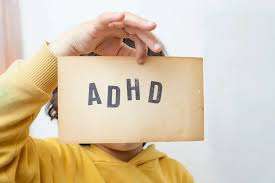
Attention-Deficit/Hyperactivity Disorder (ADHD) is one of the most common neurodevelopmental disorders in children. While it’s natural for kids to be energetic and distracted from time to time, persistent patterns that disrupt learning, social interactions, or daily functioning may indicate something more. Understanding ADHD symptoms in kids is crucial for early identification and support.
adhd symptoms in kids
If you need professional support, consulting the best psychiatrist in Delhi can provide valuable insights and personalized strategies for ADHD, Consider Visiting:
Below, we explore seven key symptoms that commonly appear in children with ADHD, along with practical insights to help parents and caregivers navigate these challenges.
1. Trouble Paying Attention
One of the most recognizable symptoms of ADHD is inattention. Children may find it difficult to concentrate on tasks or follow through with instructions, especially during activities that require sustained mental effort.
Common signs include:
Frequently making careless mistakes in schoolwork
Difficulty staying focused during play or lessons
Appearing not to listen when spoken to directly
Easily distracted by unrelated stimuli
This isn’t about laziness—it’s often about the brain’s difficulty in regulating focus.
2. Frequent Daydreaming
While hyperactivity is a well-known component of ADHD, not all children with ADHD are physically active. Some may appear quiet and withdrawn but experience inattentiveness in the form of excessive daydreaming.
These children might:
Seem “lost in their own world”
Miss important details
Have difficulty organizing tasks or belongings
This can lead to misunderstandings at school, as they may be labeled as disinterested or disengaged.
adhd symptoms in kids
3. Constant Movement and Fidgeting
Hyperactivity is another core symptom of ADHD. Children may constantly move—even in situations where it’s inappropriate.
Behaviors may include:
Tapping hands or feet
Squirming in seats
Running or climbing in situations where it’s not suitable
Talking excessively or noisily
This restlessness isn’t simply high energy—it’s an internal need for movement that the child may struggle to control.
4. Impulsive Actions
Impulsivity in kids with ADHD often appears as difficulty with self-control. This can lead to actions without thinking about consequences.
Examples of impulsive behavior include:
Blurting out answers before questions are completed
Interrupting others in conversation
Trouble waiting their turn in games or group activities
Engaging in risky behavior without considering danger
These actions can affect relationships with peers and adults, leading to social challenges.
5. Difficulty Completing Tasks
Kids with ADHD often start tasks with enthusiasm but struggle to complete them, especially if the tasks are long, repetitive, or require sustained attention.
You may notice:
A pile of unfinished homework or chores
Shifting quickly from one activity to another
Trouble following multi-step instructions
This can be particularly frustrating for parents and teachers who interpret the behavior as carelessness or lack of motivation.
adhd symptoms in kids
6. Emotional Outbursts and Sensitivity
While not a core diagnostic symptom, many children with ADHD experience difficulty regulating emotions. They may have a shorter emotional fuse or show exaggerated emotional responses.
This can look like:
Overreacting to minor frustrations
Sudden outbursts of anger or sadness
Difficulty calming down after excitement or upset
Helping children recognize and manage their emotions is an important part of ADHD support.
7. Struggles with Organization
Kids with ADHD often have challenges staying organized, which affects everything from school performance to morning routines.
Signs of poor organization may include:
Frequently losing items like toys, books, or school supplies
Having a messy room or desk
Trouble managing time effectively
Forgetting to complete or turn in assignments
These issues are linked to executive functioning difficulties, which are common in ADHD.
When to Seek Guidance
If several of these symptoms are present consistently for six months or more and begin to interfere with your child’s daily functioning, it’s worth seeking a professional evaluation.
A diagnosis of ADHD involves a comprehensive assessment, often including input from parents, teachers, and healthcare providers. Early intervention can help children build skills, self-esteem, and healthy relationships.
To learn more about ADHD in children, consult reliable sources like:
Recognizing ADHD symptoms in kids early on is an essential step toward providing the support they need to thrive. ADHD doesn’t define your child—it’s simply one aspect of who they are. With understanding, structure, and patience, children with ADHD can flourish at home, in school, and beyond.
Menopause is a natural phase in every woman’s life, typically occurring between the ages of 45 and 55. While it marks the end of menstrual cycles, it also brings various physical and emotional changes. One of the less talked about yet highly impactful challenges during this stage is menopause depression. This condition affects many women, influencing their mood, energy levels, and overall quality of life.
menopause depression
If you need professional support, consulting the best psychiatrist in Delhi can provide valuable insights and personalized strategies for Depression, Consider Visiting:
In this article, we will explore what menopause depression is, its symptoms, why it occurs, and how you can cope with it effectively.
What Is Menopause Depression?
Menopause depression refers to depressive symptoms that occur during perimenopause (the transition period leading up to menopause) and postmenopause. Unlike occasional mood swings, menopause depression can significantly affect a woman’s emotional health, making daily life more challenging.
Common Symptoms of Menopause Depression
The symptoms of menopause depression may overlap with general depression but often have unique triggers linked to hormonal changes. Common signs include:
Persistent sadness or low mood
Loss of interest in daily activities
Fatigue and low energy
Irritability and mood swings
Changes in sleep patterns (insomnia or oversleeping)
Difficulty concentrating
Feelings of hopelessness or worthlessness
If these symptoms last for two weeks or more, it’s important to seek professional evaluation.
What Causes Menopause Depression?
Several factors contribute to the onset of menopause depression:
Hormonal fluctuations – Declining levels of estrogen and progesterone can affect serotonin and other mood-regulating neurotransmitters.
Life stressors – Menopause often coincides with other life changes such as aging parents, career transitions, or children leaving home.
Sleep disturbances – Hot flashes and night sweats disrupt sleep, which can worsen mood disorders.
History of depression – Women with a previous history of depression may be at higher risk during menopause.
Impact of Menopause Depression on Daily Life
Menopause depression doesn’t just affect emotional well-being; it can also impact relationships, work performance, and overall health. Women may feel isolated, struggle to maintain motivation, and experience a decreased quality of life if symptoms are left unaddressed.
Acknowledging these challenges and seeking help early can make a significant difference in managing symptoms.
How to Cope with Menopause Depression Naturally
While professional support is essential, lifestyle adjustments can also play a key role in alleviating symptoms. Here are some natural coping strategies:
If lifestyle changes are not enough and symptoms persist, it’s important to consult a healthcare provider. A doctor can evaluate your symptoms, provide guidance, and recommend therapies tailored to your needs.
Early intervention can prevent symptoms from worsening and improve overall quality of life.
Conclusion
Menopause depression is a real and challenging condition that affects many women during midlife. Understanding the symptoms, causes, and coping strategies is essential for maintaining emotional well-being. With the right support, lifestyle changes, and awareness, women can navigate menopause with resilience and confidence.
By staying informed and seeking help when needed, you can take proactive steps to manage your mental health during this transformative stage of life.
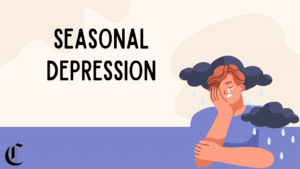
Seasonal depression, also known as Seasonal Affective Disorder (SAD), is a type of depression that typically occurs during specific times of the year, most commonly in the fall and winter months. As the days become shorter and exposure to sunlight decreases, many individuals experience mood changes, fatigue, and loss of interest in daily activities. Understanding seasonal depression and how to manage it can significantly improve overall well-being.
seasonal depression
If you need professional support, consulting the best psychiatrist in Delhi can provide valuable insights and personalized strategies for Depression, Consider Visiting:
Seasonal depression is a form of depression that follows a seasonal pattern. Most commonly, symptoms begin in late fall or early winter and resolve during the spring and summer months. While less common, some people experience SAD during the summer.
Common Symptoms of Seasonal Depression
Seasonal depression shares many symptoms with other forms of depression but follows a seasonal cycle. These symptoms may include:
Persistent sadness or low mood
Decreased energy and increased fatigue
Difficulty concentrating
Sleep problems, including oversleeping
Changes in appetite or weight
Loss of interest in activities once enjoyed
Social withdrawal
If you notice these symptoms occurring around the same time each year, it may be a sign of seasonal depression.
What Causes Seasonal Depression?
The exact cause of seasonal depression is not fully understood, but several factors contribute to its onset:
Reduced sunlight exposure: Less sunlight can disrupt circadian rhythms, leading to changes in mood-regulating hormones.
Serotonin imbalance: Decreased sunlight may lower serotonin levels, a neurotransmitter that influences mood.
Melatonin changes: Seasonal changes can affect melatonin production, which impacts sleep and mood regulation.
7 Effective Ways to Cope with Seasonal Depression
While seasonal depression can feel overwhelming, there are several effective strategies to manage symptoms and improve mood.
1. Maximize Natural Sunlight Exposure
Spending time outdoors during daylight hours can boost serotonin levels and help regulate circadian rhythms. Open your curtains, sit near windows, and take short walks outside whenever possible.
2. Establish a Consistent Routine
Maintaining a regular sleep and wake schedule supports emotional stability. Consistency in daily habits—such as eating, exercising, and sleeping—can alleviate depressive symptoms.
3. Engage in Regular Physical Activity
Exercise releases endorphins, which are natural mood boosters. Activities such as walking, yoga, or cycling can help reduce stress and combat fatigue associated with seasonal depression.
4. Stay Connected with Others
Social withdrawal is a common symptom of SAD. Making an effort to stay connected with friends, family, or support groups can provide emotional support and reduce feelings of isolation.
5. Practice Stress-Relieving Techniques
Mindfulness, meditation, and deep breathing exercises can help manage stress and promote mental well-being during darker months.
6. Maintain a Balanced Diet
Eating nutrient-rich foods, including fruits, vegetables, whole grains, and proteins, supports overall mental health. Avoid excessive sugar or processed foods, which can negatively impact mood.
7. Seek Professional Help When Needed
If seasonal depression significantly interferes with daily life, seeking support from a mental health professional is essential. Therapy and counseling can provide coping strategies and emotional support.
While mild symptoms of seasonal depression can often be managed with lifestyle changes, persistent or severe symptoms require professional attention. If feelings of hopelessness, thoughts of self-harm, or inability to function in daily life occur, contact a healthcare provider immediately.
Final Thoughts
Seasonal depression is a real and challenging condition that affects millions of people worldwide. By understanding the symptoms, causes, and effective coping strategies, you can take proactive steps toward improving your mental health during the darker months. Support is available, and with the right approach, managing seasonal depression is possible.
Achluophobia, commonly known as the fear of darkness, is more than just feeling uneasy at night. For those who suffer from this specific phobia, darkness can trigger overwhelming fear, anxiety, and physical reactions. Understanding achluophobia symptoms is crucial for early recognition and better management of this condition.
achluophobia symptoms
If you need professional support, consulting the best psychiatrist in Delhi can provide valuable insights and personalized strategies for Phobias, Consider Visiting:
This article explores seven common symptoms of achluophobia, how they affect individuals, and why identifying them early is important.
1. Intense Anxiety Triggered by Darkness
The most prominent sign of achluophobia is heightened anxiety when darkness approaches or when entering poorly lit spaces. This fear is disproportionate to the actual situation, often resulting in overwhelming nervousness and a need to escape.
2. Physical Reactions: Heart Palpitations, Sweating, and Trembling
When exposed to darkness, individuals with achluophobia may experience intense physical responses. These include:
Rapid heartbeat (palpitations)
Excessive sweating
Trembling or shaking
Shortness of breath
These symptoms stem from the body’s “fight-or-flight” response, which prepares a person to react to perceived danger—even when no actual threat exists.
3. Sleep Problems and Nightmares
Fear of darkness often leads to difficulty falling asleep, staying asleep, or experiencing restful sleep. Many individuals report frequent nightmares involving dark or threatening scenarios. Over time, this lack of quality sleep can cause daytime fatigue, mood changes, and decreased productivity.
4. Avoidance of Dark Places and Situations
Avoidance is a defining feature of phobias. People with achluophobia often avoid:
Going out at night
Entering basements, attics, or rooms with low lighting
Watching movies in dark theaters
They may keep lights on during the night or refuse to sleep without a nightlight. While these behaviors reduce fear temporarily, they can strengthen the phobia over time, making it harder to overcome.
5. Emotional Distress and Panic Attacks
The fear of darkness in achluophobia is not just a mild concern—it can trigger intense emotional distress. Some individuals may cry, scream, or experience full-blown panic attacks when confronted with darkness. Panic attacks often include chest tightness, dizziness, and an overwhelming sense of dread. These experiences can be deeply distressing and leave individuals feeling helpless.
6. Hypervigilance and Startle Responses
People with achluophobia tend to be hyper-aware of their surroundings in dim or dark settings. They may become easily startled by noises or sudden movements, perceiving even harmless stimuli as threats. This heightened state of alertness increases anxiety and makes it challenging to relax, especially at night.
7. Impact on Daily Life and Social Interactions
Over time, achluophobia symptoms can disrupt normal life. Fear of darkness may limit social activities, affect relationships, and reduce participation in events held at night. This isolation can contribute to feelings of loneliness and sadness, further affecting mental well-being.
For more information on anxiety and phobias, refer to trusted sources such as:
While occasional fear of darkness is normal, persistent and severe symptoms suggest a deeper issue. Early recognition helps individuals take steps toward coping with their fears and improving their quality of life. Support from mental health professionals, combined with self-awareness, can make a significant difference.
Conclusion
Achluophobia is a serious fear that goes beyond childhood worries about the dark. The symptoms—ranging from anxiety and physical reactions to avoidance and emotional distress—can have a profound effect on daily life. By understanding these achluophobia symptoms, individuals and their loved ones can take proactive steps toward managing this condition and improving overall well-being.