For general questions, please send us a message and we’ll get right back to you. You can also call us directly to speak with a member of our service team or insurance expert.
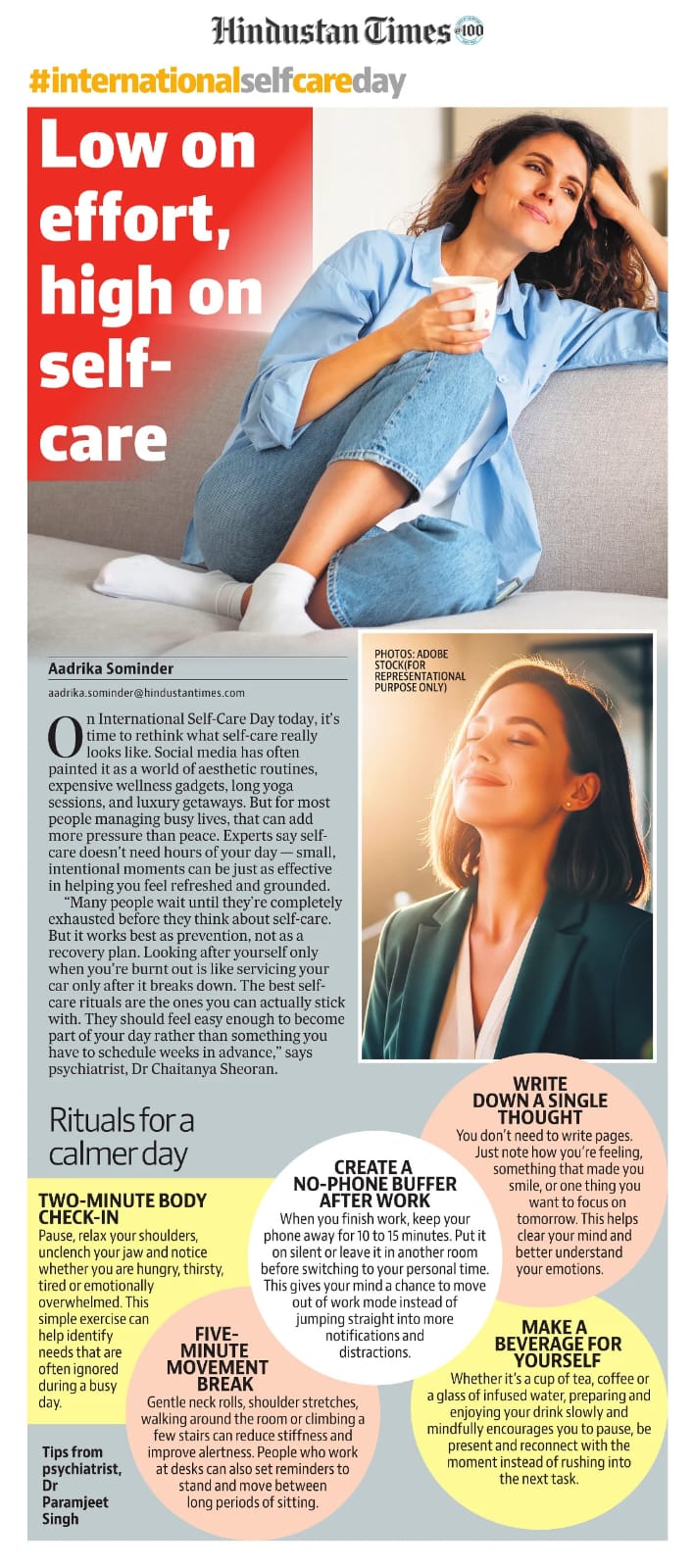
Self-care rituals don’t have to be elaborate to work. Scroll through social media and self-care can start to look like a full-time job — elaborate skincare shelves, hour-long yoga sessions, expensive retreats, and colour-coded journals. For most people juggling work, family, and everyday responsibilities, that picture doesn’t feel like relaxation. It feels like one more thing to keep up with.
self-care-rituals
The good news? Real self-care doesn’t need to be elaborate, expensive, or time-consuming. According to mental health experts, some of the most effective self-care habits take less than five minutes — and the ones that stick are usually the simplest.
In this post, we break down why small, consistent habits matter more than grand wellness gestures, and share five easy self-care rituals you can build into your day starting today.
Why “Waiting Until You’re Burnt Out” Doesn’t Work
One of the most common mistakes people make with self-care is treating it as damage control — something you turn to only after you’re exhausted, overwhelmed, or running on empty.
Mental health professionals often compare this to servicing a car only after it breaks down, instead of maintaining it regularly. Self-care works best as prevention, not recovery. The World Health Organization defines self-care as the ability of individuals to promote and maintain their own health and well-being — not just a response to illness or burnout. When self-care rituals are woven into your daily routine in small ways, they help you stay balanced before stress builds up — rather than trying to undo weeks of neglect in one go.
The rituals that actually last aren’t the ones that require a special mood, a free weekend, or a shopping list. They’re the ones that feel easy enough to become a natural part of your day. In fact, the American Psychological Association notes that even brief, consistent self-care practices can meaningfully reduce stress and improve emotional resilience over time.
5 Simple, Low-Effort Self-Care Rituals to Try Today
These self-care rituals are designed to take five minutes or less, so they’re easy to stick with even on your busiest days.
1. The Two-Minute Body Check-In
Pause for a moment. Relax your shoulders, unclench your jaw, and notice how your body actually feels — are you hungry, thirsty, tired, or emotionally overwhelmed? This quick scan helps you catch needs that often go unnoticed during a busy day, before they turn into bigger stress or fatigue.
2. A Five-Minute Movement Break
You don’t need a full workout to reset your energy. Gentle neck rolls, shoulder stretches, a short walk around the room, or a couple of flights of stairs can ease stiffness and improve alertness. If you have a desk job, try setting a reminder every hour or two to simply stand up and move — your body and focus will thank you.
“People who work at desks often don’t realise how much prolonged sitting affects both their body and their mind. A short movement break every hour isn’t just good for posture — it genuinely helps reset focus and reduce the mental fatigue that builds up over a long workday,” says Dr. Paramjeet Singh, Psychiatrist at Delhi Mind Clinic.
3. A No-Phone Buffer After Work
The moment work ends, many of us go straight from one screen to another. Instead, try keeping your phone away for 10–15 minutes after you finish work — put it on silent or leave it in another room. This small buffer gives your mind a chance to shift out of “work mode” before you dive back into notifications and distractions.
4. Writing Down a Single Thought
Journaling doesn’t have to mean pages of reflection. Just jot down one thought — how you’re feeling, something that made you smile, or one thing you want to focus on tomorrow. This tiny habit can help clear mental clutter and improve emotional awareness over time. If you’d like a more structured approach, check out our guide to journaling for mental health for simple prompts to get started.
5. Making a Beverage — For Yourself, Not on Autopilot
Whether it’s a cup of tea, coffee, or a glass of infused water, the act of preparing a drink slowly and mindfully can be a moment of pause in itself. Instead of rushing through it while multitasking, let it be a small, intentional break that helps you be present before moving to the next task.
The Bigger Picture: Consistency Over Intensity
None of these self-care rituals require special equipment, a big time commitment, or a complete lifestyle overhaul. That’s the point. Self-care isn’t about how much effort you put in — it’s about how consistently you show up for yourself, even in small ways.
If you find that stress, low mood, or anxiety are affecting your daily life despite these efforts, that’s a sign it may help to talk to a mental health professional. Small rituals are powerful for everyday balance, but ongoing distress deserves proper support and guidance — you can learn more about when to seek professional help for stress and anxiety in our related guide.
Final Thoughts
Self-care doesn’t have to look like a curated aesthetic or a luxury experience. Often, it’s the two-minute pause, the short walk, the single honest sentence written down, or the quiet cup of tea made just for you. Start with just one or two self-care rituals, stay consistent, and let them become a natural part of your everyday rhythm — not another task on your to-do list.
If you’re finding it difficult to manage stress, anxiety, or emotional overwhelm on your own, our team at Delhi Mind Clinic is here to help. Explore our therapy and counselling services or book a consultation to speak with a mental health professional and find support that works for you.
Every July 11, something quietly remarkable happens: the world pauses, just for a moment, to think about a number so large it’s almost impossible to picture. 8.3 billion. That’s how many people share this planet with you right now.
world-population-day
Welcome to World Population Day — a day that isn’t about counting heads for the sake of it, but about understanding how that number touches everything from housing and jobs to, perhaps surprisingly, your peace of mind.
At Delhi Mind Clinic, we spend our days helping people navigate the stresses of modern life. And if you look closely, so many of those stresses — crowded cities, competitive workplaces, the constant hum of “too many people, too little space” — trace back to one root idea: population. So this year, we’re marking World Population Day a little differently, by connecting the dots between global numbers and everyday mental wellbeing.
What Is World Population Day, Really?
World Population Day was established by the United Nations Development Programme in 1989, inspired by an extraordinary moment two years earlier. On July 11, 1987, the world’s population crossed 5 billion people — an event so significant it was informally called the “Day of Five Billion.” Newspapers everywhere ran the story, and for the first time, ordinary people around the world started asking: what happens when we keep growing like this?
Since then, July 11 has become an annual checkpoint — a day for governments, researchers, and communities to reflect on population growth, reproductive health, gender equality, and sustainable development.
World Population Day 2026 Theme
This year’s official UNFPA theme is “Realizing the hopes and aspirations of young people – today and for the future.” It’s built on a massive global survey of more than 100,000 young adults aged 18–39 across 73 countries, exploring what they want from relationships, family, and the future — and what’s standing in their way. Spoiler: it’s rarely a lack of desire to build a life. It’s cost of living, job insecurity, and housing pressure — the very things that quietly chip away at mental health too.
Fascinating Facts About World Population Day
Here are some facts worth sharing on your social feed this July 11:
It took all of human history — hundreds of thousands of years — for the population to reach 1 billion. It then took just 200 years to multiply sevenfold.
The world adds roughly 200,000 to 220,000 people every single day — that’s a mid-sized city’s worth of new people, daily.
Every 14 months or so, humanity adds another 100 million people to the planet.
India is now the most populous country on Earth, having overtaken China in April 2023, with an estimated 1.45 billion people in 2026 — nearly 17.5% of humanity.
Asia is home to about 4.85 billion people — more than half of everyone alive today.
More than half the world’s population is under the age of 30. This is, quite literally, a young planet.
Global population growth has been slowing since it peaked in 1963, and current growth sits around 0.83% a year.
The Statistics Behind the Story
Numbers tell a story of their own. Here’s where the world stands as we mark World Population Day 2026:
Metric
Figure
Current global population
~8.3 billion
Population in 2050 (projected)
~9.7 billion
Projected peak population
10.3–10.9 billion (around the 2080s)
India’s population (2026)
~1.45 billion
Share of world population under 30
Over 50%
Daily net population growth
~200,000–220,000 people
One statistic from UNFPA’s latest global survey stands out in particular: across a 14-country study covering more than a third of the world’s population, 18% of adults of reproductive age said they expect to end up with fewer or more children than they actually wanted — not because they didn’t want a family, but because of cost, job insecurity, and housing pressure. Behind every population statistic is a deeply human, and often deeply stressful, decision.
The Hidden Link Between Population and Mental Health
This is where the conversation gets personal — and where it connects directly to what we see every day at Delhi Mind Clinic.
1. Crowded cities, lonelier minds. It sounds contradictory, but living surrounded by millions of people is one of the most common paths to isolation. Urban crowding is consistently associated with higher stress levels, sensory overload, and a sense of anonymity that can quietly erode emotional wellbeing.
2. The pressure of “not enough to go around.” When population grows faster than jobs, housing, or infrastructure, competition intensifies. That competition — for school seats, job interviews, even a parking spot — becomes a daily source of anxiety for millions of people, especially in dense urban centres like Delhi.
3. Family planning is a mental health decision, not just a demographic one. The idea of choosing if, when, and how many children to have is tied closely to emotional wellbeing, relationship stability, and a sense of control over one’s own future. When people feel they can’t make that choice freely — due to financial pressure or social expectation — it takes a real emotional toll.
4. A young, ambitious population needs mental health support more than ever. With over half of the world under 30, this generation faces academic pressure, job market competition, and social media comparison at a scale no previous generation has. Investing in youth mental health isn’t optional anymore — it’s central to how the next few decades will unfold.
5. Environmental anxiety is real — and it’s growing. Climate change, resource scarcity, and questions about the future are increasingly cited by young adults as reasons to delay or reconsider having children. This isn’t pessimism; it’s a rational response that deserves compassionate, professional support rather than dismissal.
How You Can Observe World Population Day 2026
You don’t need a grand gesture to participate meaningfully:
Explore real data through the UNFPA World Population Dashboard
Start a conversation with friends or family about population, sustainability, or mental wellbeing
Support local sustainability initiatives — even small actions like water conservation count
Check in on your own stress levels if city life, work pressure, or future planning feels overwhelming
Share verified facts and statistics using #WorldPopulationDay to help others engage with accurate information
It’s easy to get lost in billions and percentages, but World Population Day is ultimately not about numbers — it’s about people. Every single digit in “8.3 billion” represents someone navigating their own hopes, pressures, relationships, and mental health journey, just like you.
If the pace of modern life, urban pressure, or future anxiety has been weighing on you, know that you’re far from alone — and that support is always available. At Delhi Mind Clinic, we’re here to help you find calm, clarity, and balance, no matter how crowded the world outside gets.
Mental and physical well-being go hand in hand, and this important message was highlighted during the recent NBT Happy Streets event organized by Navbharat Times at Green Avenue Road, Greater Noida West.
The event witnessed enthusiastic participation from residents of all age groups, who came together to celebrate fitness, healthy living, and community engagement. Adding immense value to the program was the presence of Dr. Paramjeet Singh, Senior Consultant Neuropsychiatrist and Director of Delhi Mind Clinic, who attended the event as the Chief Guest.
Promoting the Connection Between Mental and Physical Health
During his address, Dr. Paramjeet Singh emphasized that mental health and physical health are deeply interconnected. Maintaining a healthy lifestyle can significantly reduce the risk of both psychological and physical illnesses.
He highlighted the importance of:
Regular physical activity
Adequate sleep
Stress management
Healthy daily routines
Mindfulness and yoga practices
According to Dr. Singh, adopting positive lifestyle habits can help individuals maintain emotional balance, improve resilience, and enhance overall quality of life.
The Importance of Sleep for Mental Well-being
One of the key messages shared by Dr. Singh was the role of sleep in maintaining mental health.
He explained that adults should aim for approximately 7–8 hours of quality sleep every night. Lack of sleep can increase stress levels, affect mood regulation, impair concentration, and contribute to anxiety and depression.
Good sleep hygiene remains one of the simplest yet most effective strategies for protecting mental wellness.
Yoga and Exercise: Natural Tools for Mental Health
The Happy Streets program began with a yoga session that encouraged participants to start their day with positivity and movement.
Dr. Singh encouraged attendees to dedicate at least 30 minutes daily to physical exercise, yoga, walking, cycling, or other fitness activities. Regular exercise not only strengthens the body but also supports:
Better mood
Reduced stress
Improved cognitive function
Enhanced emotional stability
Greater self-confidence
Managing Stress in the Digital Age
Addressing modern lifestyle challenges, Dr. Singh spoke about the increasing impact of excessive screen time and digital dependence.
He advised participants to:
Limit unnecessary mobile and social media usage
Take regular breaks from screens
Spend quality time with family and friends
Engage in outdoor and recreational activities
Develop meaningful social connections
Such habits help reduce stress and support long-term mental wellness.
Community Events That Encourage Healthy Living
The NBT Happy Streets initiative brought together residents, families, children, and fitness enthusiasts in a vibrant atmosphere filled with activities including yoga, cycling, fitness exercises, and recreational programs.
Events like these serve as powerful reminders that health is not limited to medical treatment—it is a daily commitment to physical activity, emotional well-being, and community participation.
Delhi Mind Clinic’s Commitment to Holistic Mental Healthcare
At Delhi Mind Clinic, we believe that mental wellness extends beyond the consultation room. Awareness programs, community engagement, lifestyle education, and preventive mental healthcare are essential components of long-term psychological well-being.
We are proud of Dr. Paramjeet Singh’s contribution to promoting mental health awareness at NBT Happy Streets and remain committed to helping individuals and families achieve healthier, happier lives.
Looking for Expert Mental Health Support?
Delhi Mind Clinic provides comprehensive care for:
Depression
Anxiety Disorders
Stress Management
OCD
Bipolar Disorder
Schizophrenia
Sleep Disorders
Child & Adolescent Mental Health
Addiction and De-addiction Services
Book an appointment today and take the first step toward better mental health.
Social media has become an integral part of daily life, especially among young people. While it offers connection, entertainment, and information, growing evidence suggests that excessive use may negatively affect mental well-being. The question—“Is social media really making us unhappy?”—is more relevant than ever. Understanding the social media mental health impact can help individuals make informed choices and build healthier digital habits.
7 Ways Social Media Is Affecting Mental Health (And How to Restore Balance)
If you need professional support, consulting the Best psychiatrist in Delhi can provide valuable insights and personalized strategies for social media mental health impact. Consider Visiting:
Research increasingly highlights a connection between high social media usage and emotional distress. Constant exposure to curated lifestyles, unrealistic expectations, and comparison-driven content can lead to feelings of inadequacy and low self-esteem. Many users unknowingly measure their worth against what they see online, often forgetting that much of it is filtered or staged.
According to global studies, excessive screen time has also been linked with sleep disturbances, reduced productivity, and increased loneliness. When online interactions replace meaningful real-life connections, emotional fulfillment may decline.
Insights from Dr. Paramjeet Singh on Digital Overuse
Dr. Paramjeet Singh, a consultant psychiatrist, emphasizes that excessive social media use can significantly contribute to loneliness and depression—especially when it replaces real-life relationships. He explains that constant exposure to curated and often unrealistic content encourages comparison, making individuals feel dissatisfied with their own lives.
Another key concern highlighted by Dr. Singh is the addictive nature of social media platforms. The “click-and-reward” loop stimulates the brain repeatedly, making it harder to disengage. Over time, this pattern can reduce interest in offline activities and affect emotional stability.
How Social Media Impacts Brain and Behavior
Dr. Singh also points out that prolonged screen exposure can disrupt natural sleep cycles, especially when devices are used late at night. This can lead to fatigue, irritability, and reduced concentration during the day. Additionally, excessive scrolling may contribute to physical discomfort such as eye strain and headaches.
He further notes that overuse can weaken important neurobehavioral skills like attention, patience, and focus. Individuals may become more restless and less able to engage in deep, meaningful activities, affecting both personal and professional life.
Warning Signs of Unhealthy Social Media Use
Recognizing early signs of digital imbalance is essential. Some common indicators include:
Feeling anxious or low after using social media
Constant urge to check notifications
Reduced interest in offline hobbies
Sleep disruption due to late-night scrolling
Withdrawal from family and friends
If these patterns persist, it may be time to reassess digital habits and set healthier boundaries.
Why Comparison Culture Is Harmful
One of the biggest contributors to the social media mental health impact is comparison culture. Platforms often showcase highlight reels rather than real-life struggles. This creates unrealistic standards that can lead to dissatisfaction, jealousy, and self-doubt.
Over time, constant comparison can lower self-esteem and increase emotional vulnerability. It’s important to remind yourself that everyone’s journey is different and that social media rarely reflects reality in its entirety.
How to Build Healthier Digital Habits
Creating a balanced relationship with social media doesn’t mean eliminating it completely. Instead, small and consistent changes can make a significant difference:
Set time limits: Allocate specific periods for social media use
Avoid late-night scrolling: Reduce screen exposure before sleep
Turn off unnecessary notifications: Minimize distractions
Curate your feed: Follow content that inspires and educates
Engage offline: Spend time in hobbies, exercise, and real-world interactions
Replacing passive scrolling with meaningful activities can help restore emotional balance and improve overall well-being.
Restoring Balance in a Digital World
Social media is a powerful tool—but like any tool, its impact depends on how it is used. By becoming more mindful of our digital habits, we can protect our mental health while still enjoying the benefits of connectivity.
Dr. Paramjeet Singh’s insights remind us that balance is key. Prioritizing real-life relationships, maintaining healthy routines, and staying aware of emotional responses to online content can help individuals lead more fulfilling lives.
Best psychiatrist in Delhi
Conclusion
The social media mental health impact is real, but it is also manageable. Awareness is the first step toward change. By recognizing harmful patterns and making intentional choices, individuals can regain control over their digital lives and improve their mental well-being.
A healthier relationship with social media starts with small steps—and those steps can lead to lasting emotional resilience.
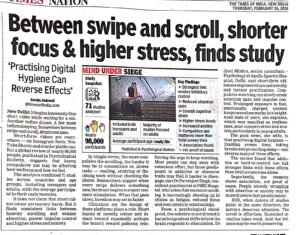
Excessive digital scrolling impacts focus and stress in subtle yet powerful ways, shaping how the brain processes information, regulates emotions, and sustains attention in daily life. In an era dominated by short-form videos, rapid notifications, and endless content feeds, the mind is constantly exposed to fast-paced stimulation that can gradually reduce the ability to concentrate on slower, more meaningful tasks. When individuals frequently switch between pieces of content within seconds, the brain adapts by expecting novelty and instant rewards, making sustained attention feel more effortful and less engaging over time. This shift does not happen overnight; rather, it develops gradually as repeated exposure conditions the brain to operate in quick bursts of engagement rather than deep, focused thinking.
Impacts Focus and Stress
If you need professional support, consulting the best psychiatrist in Delhi can provide valuable insights and personalized strategies for Impact Focus and Stress. Consider Visiting:
One of the most noticeable ways excessive scrolling impacts focus and stress is through reduced attention span. Continuous exposure to rapidly changing visuals and information trains the mind to seek constant stimulation. As a result, activities such as reading long articles, completing work projects, or studying complex topics may begin to feel mentally exhausting. The brain becomes accustomed to quick transitions, which can lead to frequent task-switching and difficulty maintaining concentration for extended periods. Over time, this pattern may create frustration and lower productivity, as individuals struggle to remain fully engaged in tasks that require patience and sustained cognitive effort.
The emotional consequences are equally significant. Constant scrolling can keep the brain in a heightened state of alertness, as each new piece of content demands quick processing and emotional response. This repeated activation of alertness may contribute to ongoing feelings of restlessness, irritability, and mental fatigue. When the mind rarely experiences moments of quiet reflection, the body’s natural relaxation mechanisms may become less effective, leading to increased stress levels even during routine daily activities. The cycle often continues as individuals turn back to scrolling as a way to distract themselves from stress, unintentionally reinforcing the very habit that contributes to mental overload.
Another important factor is cognitive strain. Processing a continuous stream of new information requires rapid mental adjustments, which can deplete cognitive resources over time. This mental fatigue may manifest as forgetfulness, slower decision-making, or a sense of mental fog after prolonged screen use. Although each individual interaction with digital content seems harmless, the cumulative effect of hundreds of quick interactions throughout the day can significantly tax the brain’s processing capacity. This strain may also affect creativity and problem-solving, as the mind has fewer opportunities to engage in deep, uninterrupted thought.
Excessive scrolling also impacts emotional regulation. Many forms of digital content are designed to provoke strong reactions, whether excitement, surprise, or concern. Constant exposure to emotionally charged material can heighten sensitivity to stress and make mood fluctuations more frequent. Individuals may notice feeling anxious, overwhelmed, or dissatisfied after extended scrolling sessions, even when they initially turned to their devices for relaxation or entertainment. Over time, this emotional roller coaster can contribute to chronic stress and reduced overall well-being.
The habit of compulsive scrolling further intensifies these effects. When individuals feel compelled to check their phones repeatedly or continue scrolling longer than intended, it may indicate difficulty with impulse control. This pattern not only disrupts focus but also reinforces stress, as unfinished tasks and unmet responsibilities accumulate. The mind remains divided between digital engagement and real-life obligations, making it harder to feel fully present in either space. This constant mental division can weaken concentration and increase feelings of pressure and dissatisfaction.
Sleep patterns are another area where scrolling significantly impacts focus and stress. Using digital devices late at night exposes the brain to stimulating content and artificial light, which can interfere with the body’s natural wind-down process. Poor sleep quality reduces mental clarity, weakens attention span, and heightens emotional reactivity the following day. In this way, excessive scrolling can create a cycle in which reduced sleep leads to lower focus, and lower focus increases reliance on quick, stimulating content to maintain alertness.
stress and anger management
For more insights on how digital habits influence mental health, refer to the guidance by the Centers for Disease Control and Prevention.
Despite these challenges, awareness is a powerful first step toward change. Recognizing how digital habits influence attention and emotional balance allows individuals to make intentional adjustments. Setting boundaries around screen use, taking regular breaks, and engaging in offline activities that require sustained focus can gradually retrain the brain. Practices such as mindfulness, reading, creative hobbies, and physical movement encourage deeper engagement and help restore cognitive resilience.
best psychiatrist in delhi
Ultimately, understanding how excessive scrolling impacts focus and stress highlights the importance of balance rather than avoidance. Digital platforms offer valuable information and connection, but mindful consumption is essential for protecting mental clarity and emotional stability. By cultivating healthier digital routines and allowing the mind regular periods of rest and reflection, individuals can strengthen attention span, reduce stress, and maintain a more focused and balanced approach to everyday life.
Examination periods can be emotionally demanding for students, making stress management a critical aspect of academic success. Dr. Paramjeet Singh, Senior Consultant Psychiatrist at PSRI Hospital & Delhi Mind Clinic, recently shared valuable expert guidance on Good News Today (GNT Television), discussing practical strategies to help students cope with examination stress during the ongoing Board Examinations.
best psychiatrist in delhi
In the discussion, Dr. Singh highlighted the importance of structured study routines, healthy sleep patterns, realistic expectations, and emotional regulation techniques. Such evidence-based approaches not only improve concentration but also support overall mental well-being during high-pressure academic phases.
Delhi Mind Clinic extends its heartfelt best wishes to all exam aspirants for a calm, confident, and stress-free journey toward success.


 The event witnessed enthusiastic participation from residents of all age groups, who came together to celebrate fitness, healthy living, and community engagement. Adding immense value to the program was the presence of Dr. Paramjeet Singh, Senior Consultant Neuropsychiatrist and Director of Delhi Mind Clinic, who attended the event as the Chief Guest.