For general questions, please send us a message and we’ll get right back to you. You can also call us directly to speak with a member of our service team or insurance expert.
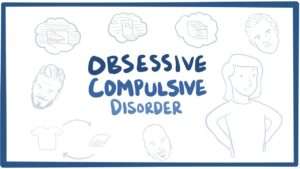
Obsessive-Compulsive Disorder (OCD) is a complex and often misunderstood mental health condition. While it is commonly associated with repetitive behaviors and intrusive thoughts, the range and intensity of symptoms can vary widely from person to person. Recognizing the core OCD disease symptoms is crucial for timely diagnosis and support.
In this article, we explore the seven most common symptoms of OCD, how they manifest, and what to look out for if you or someone you know might be experiencing them.
ocd disease symptoms
If you need professional support, consulting the best psychiatrist in Delhi can provide valuable insights and personalized strategies for OCD, Consider Visiting:
At the core of OCD lies a pattern of persistent, unwanted thoughts or images, known as obsessions. These are not mere worries; they are intrusive and cause significant anxiety. Common OCD disease symptoms include:
Fear of contamination or germs
Concerns about harming oneself or others
Religious or moral scrupulosity
Need for symmetry or exactness
These thoughts often feel uncontrollable and can dominate a person’s mental space for hours.
2. Compulsive Behaviors
In response to obsessive thoughts, individuals with OCD perform repetitive behaviors or rituals, known as compulsions. These actions are attempts to relieve anxiety or prevent a feared event, but they often offer only temporary relief. Common compulsions include:
Excessive handwashing or cleaning
Rechecking locks, stoves, or appliances
Repeating words or phrases silently
Arranging items in a particular order
While many people perform routines or rituals, in OCD, these behaviors are rigid, distressing, and interfere with daily life.
3. Avoidance of Triggers
To prevent obsessive thoughts or compulsive urges, people with OCD may begin to avoid specific situations or objects. For example:
Avoiding public places due to contamination fears
Skipping social events out of fear of losing control
Staying away from sharp objects or religious items
Avoidance is not always obvious but often leads to isolation, reduced quality of life, and growing anxiety.
4. Time-Consuming Rituals
One of the defining characteristics of OCD is how much time obsessions and compulsions consume. If you spend more than an hour a day dealing with them—or if they interfere with work, school, or relationships—it could indicate a problem.
People may spend hours washing, checking, or counting in an attempt to “feel right” or neutralize distress. Over time, this can lead to exhaustion, frustration, and shame.
5. Emotional Distress and Anxiety
OCD is more than a behavioral issue—it’s an emotional burden. The obsessive-compulsive cycle often leads to intense feelings of:
Guilt and shame
Fear and dread
Frustration and hopelessness
Many individuals are aware that their thoughts and behaviors are irrational, but they feel powerless to stop them. This awareness can increase emotional distress and lower self-esteem.
6. Doubting and Need for Reassurance
Chronic doubt is a lesser-known yet common OCD disease symptoms. People may repeatedly question themselves, even after checking or completing a task:
“Did I lock the door?”
“What if I said something offensive?”
“Was my prayer good enough?”
This leads to constantly seeking reassurance from others, which might provide brief relief but eventually reinforces the cycle of doubt and anxiety.
7. Physical Symptoms Due to Mental Exhaustion
While OCD is classified as a mental disorder, it can also manifest physically due to chronic stress and anxiety. Individuals may experience:
Fatigue from sleep disruption
Headaches or muscle tension
Digestive issues
Skin irritation from excessive washing
These physical signs can further compound the challenges faced by someone with OCD and often go unrecognized as being related to the OCD disease symptoms.
When to Seek Help
Recognizing OCD disease symptoms early is essential for effective intervention. If you or a loved one shows multiple signs listed above and they interfere with daily life, consider seeking a professional evaluation. Early support can make a significant difference in managing OCD disease symptoms and improving quality of life.
For more information and resources, you can visit:
OCD is a serious condition that affects millions of people across the world. Understanding the OCD disease symptoms is the first step toward empathy, awareness, and getting the help that’s needed. With the right support system and education, those living with OCD can find effective ways to manage their condition and improve their daily functioning.
Schizophrenia is a serious and often misunderstood mental health condition that affects how a person thinks, feels, and behaves. Recognizing the early sign symptoms of schizophrenia can make a significant difference in seeking timely support and promoting better long-term outcomes.
sign symptoms of schizophrenia
If you need professional support, consulting the best psychiatrist in Delhi can provide valuable insights and personalized strategies for Schizophrenia, Consider Visiting:
One of the first noticeable changes in individuals with emerging schizophrenia is social withdrawal. A person who was once outgoing or socially active may begin to avoid friends, family, and social activities. This isolation often results from the individual’s internal struggles or difficulties in connecting with others due to confusing thoughts and emotions.
Over time, the person may stop communicating altogether or spend long periods alone, which can be misinterpreted as depression or shyness.
2. Disorganized Thinking and Speech
Disorganized thoughts can lead to unusual speech patterns. Individuals may jump between unrelated topics, struggle to form coherent sentences, or provide answers that don’t logically connect to the question asked. This is known as “loose associations.”
3. Unusual or Delusional Beliefs
Delusions are firmly held false beliefs that persist despite clear evidence to the contrary. For example, someone may believe they are being watched, followed, or controlled by external forces. These beliefs are often paranoid or grandiose and may increase in intensity over time.
People experiencing delusions may feel frightened, suspicious of others, or act in ways that appear irrational to those around them. These behaviors can lead to strained relationships or social alienation.
4. Hallucinations
Hallucinations involve perceiving things that are not present. The most common type in schizophrenia is auditory hallucinations—hearing voices that others do not hear. These voices may be critical, commanding, or simply conversational.
Visual, tactile, or olfactory hallucinations may also occur, but are less common. It’s important to understand that hallucinations feel very real to the person experiencing them, even when others cannot see or hear the same things.
5. Flat or Blunted Emotions
A person in the early stages of schizophrenia may exhibit reduced emotional expression. They might speak in a monotone voice, display limited facial expressions, or seem emotionally indifferent, even in situations that would normally elicit a strong emotional response.
This emotional flattening is one of the “negative” sign symptoms of schizophrenia and can significantly impact interpersonal relationships and overall quality of life.
6. Decline in Daily Functioning
As symptoms progress, the individual may struggle to maintain basic routines, such as personal hygiene, managing finances, or attending school or work. Responsibilities that once felt manageable can become overwhelming or neglected.
This decline in functioning is often misattributed to laziness or lack of motivation, but in reality, it is a core sign symptom of schizophrenia requiring empathy and structured support.
7. Cognitive Impairments
Cognitive challenges often affect attention, memory, and decision-making abilities. A person might have difficulty focusing, following conversations, or remembering appointments and tasks. They may appear forgetful, distracted, or confused.
Sign symptoms of schizophrenia can lead to frustration and embarrassment, further discouraging the individual from seeking help or engaging in daily activities.
When to Seek Help
Early recognition of sign symptoms of schizophrenia is critical. If you or someone you know shows several of the above signs for more than a few weeks, consider seeking professional evaluation. Schizophrenia is a chronic condition, but early support and comprehensive care can significantly improve long-term outcomes.
You can learn more about the condition and support options through resources provided by NIMH.
Final Thoughts
Understanding the early sign symptoms of schizophrenia can help reduce stigma and encourage proactive mental health support. If you notice persistent changes in behavior, thinking, or emotions in yourself or a loved one, don’t dismiss them. Trust your instincts and seek help from qualified mental health professionals.
Early action can change the course of this condition and lead to a more stable, fulfilling life.
Living with adult ADHD can be both confusing and overwhelming—especially when it’s undiagnosed. Once thought to be a condition affecting only children, ADHD is now recognized as a chronic neurodevelopmental disorder that often persists into adulthood. In this blog, we’ll cover seven important facts about adult ADHD, from signs and symptoms to practical coping strategies.
Adult ADHD
If you need professional support, consulting the best psychiatrist in Delhi can provide valuable insights and personalized strategies for ADHD, Consider Visiting:
Many adults with ADHD have lived for years without a formal diagnosis. Symptoms are often mistaken for stress, anxiety, or personality traits such as being “scatterbrained” or “lazy.” Adults may only realize they have ADHD when a child in their family is diagnosed and they recognize the signs in themselves.
2. Symptoms Look Different in Adults
While children with ADHD may exhibit overt hyperactivity, adults tend to display more subtle signs. These may include:
Chronic disorganization
Difficulty focusing or completing tasks
Frequent lateness or forgetfulness
Trouble with time management
Impulsive decision-making
Adults may experience inner restlessness rather than physical hyperactivity. It’s crucial to understand these adult-specific manifestations to recognize the condition early.
3. ADHD Impacts Relationships and Work
ADHD can have significant effects on personal and professional life. In relationships, impulsivity and inattentiveness may lead to misunderstandings or conflict. At work, adults with ADHD may struggle with multitasking, meeting deadlines, or following through on long-term projects.
Research from the Centers for Disease Control and Prevention (CDC) shows that adults with ADHD are more likely to experience job instability and interpersonal challenges. A structured environment and good support system can make a considerable difference.
4. Emotional Dysregulation Is Common
Adults with ADHD often experience emotional sensitivity, mood swings, or difficulty managing frustration. This emotional turbulence is not simply a byproduct of a bad day—it’s a core component of how ADHD can affect the brain’s regulation systems.
If you find that you’re constantly reacting more intensely to stress or minor irritations, this may be part of a broader ADHD pattern, not a character flaw.
Adult ADHD
5. Coping Strategies Can Improve Daily Functioning
While ADHD is a lifelong condition, many people develop strategies to manage their symptoms effectively. Some helpful methods include:
Using digital calendars and reminders
Breaking tasks into smaller, manageable steps
Creating consistent routines
Using noise-canceling headphones to improve focus
These techniques can help reduce the daily friction caused by inattentiveness or disorganization. Structured environments often provide the scaffolding needed to thrive.
6. Co-Existing Conditions Are Common
Adult ADHD often co-exists with other mental health conditions like anxiety, depression, or learning differences. This can complicate the diagnostic process and requires a nuanced approach from a qualified healthcare provider.
The National Institutes of Health (NIH) has highlighted the importance of recognizing these overlapping conditions to ensure proper support and treatment.
7. Support Networks Make a Big Difference
One of the most powerful tools for managing adult ADHD is community support. Whether it’s family, friends, co-workers, or formal support groups, having a network that understands and accommodates your challenges is invaluable.
Therapy, coaching, and workplace accommodations are also useful resources for building confidence and resilience. Seeking help isn’t a weakness—it’s a proactive step toward better living.
Final Thoughts
Adult ADHD is real, common, and manageable. Understanding its unique presentation in adulthood is the first step to gaining control over its impact on your life. If you or someone you know is struggling with focus, time management, or emotional regulation, consider speaking with a licensed healthcare provider for guidance and support.
By learning more and removing the stigma, we can create a world where those with ADHD not only cope—but thrive.
Residual schizophrenia is a subtype of schizophrenia characterized by a decline in the intensity of active symptoms such as hallucinations and delusions, yet it leaves behind lingering signs that can significantly affect a person’s quality of life. These persistent effects, known as residual schizophrenia symptoms, are often subtle but deeply impactful. Understanding residual schizophrenia symptoms is crucial for individuals, caregivers, and healthcare providers aiming to support long-term recovery and well-being.
residual schizophrenia symptoms
If you need professional support, consulting the best psychiatrist in Delhi can provide valuable insights and personalized strategies for Schizophrenia , Consider Visiting:
Below, we explore the 7 most common residual schizophrenia symptoms, what they mean, and why they matter.
1. Social Withdrawal
One of the most consistent residual schizophrenia symptoms is social withdrawal. Individuals may prefer to stay isolated, avoid group settings, and disengage from previously enjoyed relationships or social activities. This can be mistaken for shyness or introversion but is often rooted in a lack of emotional connection or motivation. Social withdrawal can lead to increased feelings of loneliness and impact long-term recovery if not addressed.
2. Flattened Emotional Expression
People with residual schizophrenia often exhibit blunted or flattened affect, meaning their emotional responses may seem muted or inappropriate. This can include a lack of facial expressions, monotone speech, or limited reaction to emotional situations. Although the person may feel emotions internally, they may struggle to express them outwardly, making interpersonal communication more difficult.
3. Low Motivation and Apathy
A hallmark symptom of residual schizophrenia symptoms is avolition, or a marked reduction in the motivation to initiate and sustain purposeful activities. This may manifest as difficulty starting tasks, poor hygiene, or neglect of daily responsibilities. Unlike laziness, this is a deeply rooted symptom that stems from disruptions in the brain’s reward system.
4. Poor Concentration and Cognitive Challenges
Even when active psychotic symptoms fade, cognitive deficits often persist. These can include trouble focusing, processing information, and making decisions. Many people with residual schizophrenia report a “mental fog” or feel overwhelmed by simple tasks, making work, school, or social situations more difficult to manage.
5. Decreased Verbal Communication
A reduction in speech output—known as alogia—is another commonly observed symptom. This may appear as short, unelaborated responses or long pauses in conversation. The individual may not initiate speech or respond to questions in detail, making conversation challenging and sometimes frustrating for both parties.
schizophrenia rehabilitation
6. Difficulty with Daily Functioning
Residual schizophrenia can make everyday tasks feel overwhelming. From managing finances to cooking meals or attending appointments, functional impairment is common. This symptom affects not just independence but also contributes to emotional distress and dependence on caregivers. Recognizing and supporting these challenges is crucial for fostering autonomy and confidence.
7. Subtle Psychotic Symptoms
Although overt hallucinations or delusions may subside, some mild psychotic symptoms may linger in a reduced or less disruptive form. For instance, a person may still experience fleeting suspicious thoughts or mild perceptual disturbances. These are typically not severe enough to require acute care but may re-emerge during times of stress.
For professionals and families, the National Alliance on Mental Illness (NAMI) provides additional resources to understand and manage these residual effects.
Understanding the Impact
While residual schizophrenia symptoms may not be as dramatic as active psychosis, they can be just as life-limiting. Recognizing and addressing these signs allows individuals to seek appropriate support, engage in therapy, and adopt healthy coping strategies.
It is also essential to maintain a stable support system and consistent routine to navigate daily life with resilience. The goal is not just symptom management but fostering a fulfilling, independent life.
Conclusion
Residual schizophrenia symptoms represent the ongoing challenges faced after the resolution of acute psychotic episodes. These include social withdrawal, low motivation, cognitive difficulties, and reduced emotional expression. Understanding and identifying these signs is key to long-term support and recovery.
Manic depression, also known as bipolar disorder, is a serious mental health condition characterized by intense mood swings that range from emotional highs (mania or hypomania) to debilitating lows (depression). Recognizing the symptoms early is essential for effective management and support. This blog will walk you through the 7 key manic depression symptoms, helping you understand what to look for and when to seek help.
manic depression symptoms
If you need professional support, consulting the best psychiatrist in Delhi can provide valuable insights and personalized strategies for Depression, Consider Visiting:
The hallmark of manic depression is significant shifts in mood. A person may feel euphoric, energetic, or unusually irritable during a manic episode, followed by periods of deep sadness, hopelessness, or apathy during a depressive episode. These mood swings go beyond typical emotional ups and downs and can disrupt daily functioning, relationships, and work.
2. Inflated Self-Esteem or Grandiosity
During manic phases, individuals often experience unrealistic self-confidence or feelings of superiority. They may believe they have special abilities, powers, or connections—even when there’s no evidence. This symptom, known as grandiosity, can lead to risky decisions and strained interpersonal relationships.
3. Decreased Need for Sleep
One of the most common manic depression symptoms during a manic phase is needing very little sleep without feeling tired. For instance, a person might function normally on just two or three hours of sleep, or stay awake for days, feeling energized and productive. While this may seem harmless at first, prolonged lack of sleep can quickly escalate into more severe mental health concerns.
4. Racing Thoughts and Distractibility
People experiencing mania often report racing thoughts—a rapid stream of ideas that can be overwhelming. They may jump from topic to topic, find it hard to focus, or become easily distracted by irrelevant stimuli. This mental hyperactivity can make it challenging to complete tasks or engage in meaningful conversations.
how to stop ocd thoughts
5. Risky or Impulsive Behavior
A major warning sign of mania is engaging in reckless activities. These may include spending sprees, reckless driving, unsafe sexual behavior, or quitting jobs impulsively. These actions often occur without consideration of consequences and can have lasting negative effects.
6. Persistent Sadness or Emptiness
During the depressive phase of manic depression, individuals may feel profound sadness, emptiness, or hopelessness. This isn’t just “feeling down”—it’s a persistent emotional state that affects how a person thinks, feels, and functions. Tasks that were once enjoyable or routine may feel overwhelming or pointless.
7. Thoughts of Death or Suicide
One of the most serious depressive symptoms is thinking about death or suicide. These thoughts can range from a general sense of life being meaningless to making concrete plans to harm oneself. If you or someone you know is experiencing these symptoms, it’s crucial to seek help immediately.
When to Seek Help
If you or someone you know is showing multiple manic depression symptoms, consulting a qualified psychiatrist is a crucial first step. Psychiatrists are medical doctors specializing in mental health who can evaluate symptoms, make an accurate diagnosis, and develop a personalized treatment plan tailored to the individual’s needs.
They play a key role in monitoring the progression of the condition, adjusting treatment strategies over time, and helping manage both the manic and depressive phases. Regular follow-ups with a psychiatrist can provide the support necessary to maintain stability and improve overall functioning.
Supporting a Loved One with Manic Depression
Living with or caring for someone with manic depression can be challenging. Here are some ways you can help:
Learn about the condition from reliable sources.
Encourage consistent routines and healthy habits.
Be patient and avoid judgment.
Help them identify early signs of mood changes.
Support their access to professional help.
While you can’t control their mood swings, your support can make a meaningful difference in their journey.
Conclusion
Manic depression symptoms can be complex and sometimes hard to identify. From emotional highs to crushing lows, the disorder affects many aspects of daily life. By staying informed and recognizing early warning signs, individuals and families can seek timely support and improve quality of life.
For more information on mental health and bipolar disorder, visit trusted resources such as NIMH.
Deep depression is more than just feeling sad or having a bad day. It’s a serious mental health condition that can deeply affect how a person thinks, feels, and functions in everyday life. Understanding this condition is the first step toward compassionate support and effective management. In this article, we’ll explore seven essential insights into deep depression to help individuals and their loved ones navigate this complex challenge.
deep depression
If you need professional support, consulting the best psychiatrist in Delhi can provide valuable insights and personalized strategies for Deep depression, Consider Visiting:
Deep depression, also referred to as major depressive disorder (MDD), is a pervasive and long-lasting form of depression. Unlike temporary emotional lows, deep depression involves persistent sadness, hopelessness, and a loss of interest in previously enjoyed activities for at least two weeks or more. These symptoms interfere with daily functioning and may affect relationships, work, and self-care.
According to the National Institute of Mental Health, depression affects millions of adults each year, and it’s among the leading causes of disability worldwide.
2. Common Symptoms to Watch For
Symptoms of deep depression vary, but they generally include:
Persistent sadness or emptiness
Fatigue or lack of energy
Feelings of worthlessness or guilt
Changes in appetite or weight
Difficulty concentrating or making decisions
Sleep disturbances (too much or too little)
Thoughts of death or self-harm
It’s important to note that not everyone experiences all of these symptoms, and their severity may differ between individuals.
3. Causes and Risk Factors
The causes of deep depression are multifaceted, often involving a combination of genetic, biological, environmental, and psychological factors. Some common risk factors include:
Family history of depression
Traumatic life events or abuse
Chronic stress or illness
Major life changes such as job loss or divorce
Lack of social support or isolation
Understanding these risk factors helps to create a comprehensive picture of why someone may experience deep depression.
suicidal ocd
4. How It Affects Daily Life
Deep depression doesn’t just impact emotional health—it can affect every area of a person’s life. Individuals may struggle with work, avoid social situations, or neglect personal hygiene. Even simple tasks like cooking, cleaning, or getting out of bed may feel insurmountable.
Loved ones may notice changes in mood, behavior, or daily routines. Supporting someone with depression requires patience, understanding, and a nonjudgmental attitude.
5. The Role of Psychotherapy and Support Systems
Many individuals with deep depression benefit from psychotherapy, especially approaches such as Cognitive Behavioral Therapy (CBT). Therapy helps people develop coping mechanisms, challenge negative thought patterns, and rebuild confidence.
Additionally, support from friends, family, or mental health support groups can play a crucial role in recovery. Encouraging open communication and offering a listening ear can make a significant difference.
6. Lifestyle Strategies for Mental Wellness
While deep depression often requires professional guidance, certain lifestyle changes can support emotional well-being:
Establish a routine: Consistency helps restore structure and reduce decision fatigue.
Stay active: Gentle physical activity, such as walking or stretching, can uplift mood.
Sleep hygiene: Prioritize regular sleep patterns and reduce screen time before bed.
Nutrition and hydration: Balanced meals and proper hydration support brain health.
Limit alcohol and stimulants: These can interfere with emotional stability and sleep quality.
These steps, although small, can help create a more stable and supportive environment for recovery.
7. When to Seek Help
If depressive symptoms last longer than two weeks or begin interfering with daily life, it’s essential to reach out for help. Seeking assistance is not a sign of weakness but a proactive step toward healing.
Reach out to a primary care provider, licensed therapist, or local mental health organization. Early intervention can significantly improve outcomes.
For more information visit, Authoritative Resources:
Deep depression is a serious condition, but with understanding, support, and appropriate care, recovery is possible. Each journey is unique, and no one has to go through it alone. By educating ourselves and those around us, we help create a more empathetic, supportive society where mental health is prioritized.