For general questions, please send us a message and we’ll get right back to you. You can also call us directly to speak with a member of our service team or insurance expert.
Fear is a universal human experience. It is a natural emotional response designed to protect us from danger, yet for many people, fear extends far beyond immediate threats and begins to influence thoughts, behavior, and quality of life. Understanding the most common fears can help normalize these experiences and encourage healthier ways of responding to them.
If you need professional support, consulting the best psychiatrist in Delhi can provide valuable insights and personalized strategies for Fear Treatment. Consider Visiting:
Below is a detailed look at some of the most common fears, why they occur, and how they may affect everyday functioning.
most common fears
Understanding Fear: A Normal Human Response
Fear originates in the brain’s survival system. It prepares the body to respond to perceived danger by increasing alertness and focus. While fear can be helpful in genuinely risky situations, persistent or exaggerated fears may interfere with relationships, work, and personal growth.
Fear and anxiety exist on a spectrum, ranging from mild concern to intense emotional distress that can impact daily life. Recognizing fear is often the first step toward managing it effectively.
Fear of Failure
Fear of failure is one of the most common fears, particularly in academic, professional, and personal settings. People experiencing this fear may avoid challenges, procrastinate, or set unrealistically high standards for themselves. This fear is often linked to self-esteem and past experiences of criticism or disappointment.
Fear of Rejection
The fear of rejection stems from a fundamental human need for acceptance and belonging. It may manifest as avoidance of social situations, difficulty expressing opinions, or hesitation in forming close relationships. Over time, this fear can limit personal and professional opportunities.
Fear of Public Speaking
Public speaking consistently ranks among the most common fears worldwide. Many individuals experience intense nervousness when speaking in front of an audience, even in small groups. This fear is often driven by concern about judgment, embarrassment, or making mistakes in front of others.
Fear of Heights
Fear of heights, also known as acrophobia, involves intense discomfort when exposed to elevated places such as balconies, bridges, or tall buildings. This fear is closely related to the body’s natural instinct to avoid falling, but it can become problematic when it restricts everyday activities or travel.
Fear of the Unknown
Uncertainty can be deeply unsettling. The fear of the unknown often arises during life transitions, such as career changes, moving to a new place, or facing unfamiliar situations. This fear is linked to the brain’s preference for predictability and control.
The Centers for Disease Control and Prevention (CDC) notes that prolonged stress related to uncertainty can impact overall well-being and emotional health.
Fear of Illness or Health-Related Concerns
Many people experience persistent worry about their health or the health of loved ones. While being attentive to health is important, excessive fear may lead to constant checking, reassurance-seeking, or heightened sensitivity to bodily sensations.
Fear of Social Situations
Social fear involves discomfort or anxiety in interactions with others, particularly in unfamiliar settings. This may include fear of being judged, embarrassed, or misunderstood. Over time, social fear can reduce confidence and limit participation in everyday activities.
Fear of Death
Fear of death is a deeply rooted and complex fear. It may involve concerns about the unknown, loss of control, or the impact of one’s absence on loved ones. While this fear is universal, it varies greatly in intensity from person to person.
The National Institutes of Health (NIH) highlights that existential fears are a normal part of human development and reflection, especially during periods of stress or major life changes.
Fear of Losing Loved Ones
This fear is closely tied to emotional attachment and care for others. It may result in excessive worry, overprotection, or difficulty coping with separation. Although rooted in love and concern, unmanaged fear can create ongoing emotional strain.
Fear of Change
Change often brings uncertainty, even when it is positive. Fear of change can cause individuals to remain in unsatisfying situations simply because they feel familiar. This fear is commonly associated with concerns about competence, stability, and future outcomes.
Why Understanding Common Fears Matters
Recognizing the most common fears helps reduce stigma and promotes self-awareness. Fear does not indicate weakness; rather, it reflects the brain’s attempt to protect the individual. When fears are acknowledged and understood, people are better equipped to respond thoughtfully instead of reactively.
Developing healthy coping strategies, building emotional awareness, and seeking reliable information are essential steps toward managing fear effectively. Understanding fear is not about eliminating it entirely, but about learning how to live fully despite it.
best psychiatrist in delhi
Conclusion
The most common fears are shared by people across cultures, ages, and backgrounds. Whether it is fear of failure, rejection, uncertainty, or loss, these experiences are deeply human. By increasing awareness and understanding, individuals can begin to approach their fears with compassion, clarity, and confidence, leading to improved emotional well-being and a more fulfilling life.
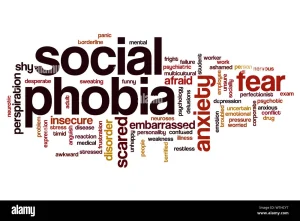
Social interactions are a natural part of everyday life, yet for some individuals they can trigger overwhelming fear and distress. Social phobia disorder, also known as social anxiety disorder, is a recognized mental health condition that goes far beyond ordinary nervousness. It can significantly affect personal relationships, education, and professional growth if left unaddressed. This article provides a clear, evidence-based overview to help readers better understand the condition and its real-world impact.
social phobia disorder
If you need professional support, consulting the best psychiatrist in Delhi can provide valuable insights and personalized strategies for Social Phobia. Consider Visiting:
Social phobia disorder is characterized by an intense and persistent fear of social or performance situations where one may be observed, judged, or evaluated by others. Common examples include speaking in meetings, attending social gatherings, eating in public, or interacting with unfamiliar people. The fear is often disproportionate to the actual situation, yet feels very real and distressing to the person experiencing it.
According to the National Institute of Mental Health (NIMH), social anxiety disorder is among the most common anxiety-related conditions worldwide and often begins during adolescence or early adulthood.
2. Common Signs and Symptoms
People with social phobia disorder may experience symptoms across emotional, physical, and behavioral domains. Emotional symptoms often include intense fear of embarrassment, excessive self-consciousness, and worry days or weeks before a social event. Physical responses may involve sweating, trembling, rapid heartbeat, or difficulty speaking in social situations.
Behaviorally, individuals may avoid social settings altogether or endure them with significant distress. Over time, this avoidance can limit opportunities for learning, career advancement, and meaningful social connection.
3. How Social Phobia Disorder Differs From Shyness
Shyness is a personality trait and typically does not interfere significantly with daily functioning. Social phobia disorder, by contrast, is more severe and persistent. The fear is intense enough to disrupt normal routines and is often accompanied by a strong desire to escape or avoid social exposure.
The Centers for Disease Control and Prevention (CDC) emphasizes that anxiety disorders are diagnosed when fear or worry becomes excessive, long-lasting, and interferes with daily life.
4. Underlying Causes and Risk Factors
There is no single cause of social phobia disorder. Research suggests that it develops through a combination of biological, psychological, and environmental factors. These may include genetic vulnerability, early life experiences such as criticism or bullying, and learned patterns of fear related to social evaluation.
Certain temperamental traits, such as behavioral inhibition or heightened sensitivity to social feedback, may also increase susceptibility. Understanding these factors helps normalize the condition and reduce self-blame.
5. Impact on Daily Life and Well-Being
The effects of social phobia disorder can extend far beyond social discomfort. Academic performance may suffer due to fear of participation or presentations. At work, individuals may avoid meetings, leadership roles, or collaborative tasks, limiting career growth.
Social isolation can also affect emotional well-being, contributing to reduced confidence and a diminished quality of life. Recognizing the broader impact highlights why early awareness and support are so important.
6. Diagnosis and Professional Evaluation
A formal diagnosis of social phobia disorder is typically made by a qualified mental health professional using established diagnostic criteria. This process involves a detailed discussion of symptoms, their duration, and how they affect daily functioning.
Institutions such as the National Institutes of Health (NIH) stress the importance of accurate assessment to differentiate social anxiety from other mental health conditions and to guide appropriate care.
7. Building Awareness and Reducing Stigma
One of the most significant barriers faced by individuals with social phobia disorder is stigma. Misunderstandings can lead others to dismiss the condition as mere nervousness or lack of confidence. Public education and open conversations play a vital role in reducing shame and encouraging empathy.
When social phobia disorder is understood as a legitimate and manageable mental health condition, individuals are more likely to seek guidance and adopt coping strategies that support long-term well-being.
best psychiatrist in delhi
Conclusion
Social phobia disorder is a common yet often misunderstood condition that can deeply affect how individuals experience the world around them. By learning about its symptoms, causes, and impact, readers can develop greater empathy for those affected and recognize the importance of informed support. Increased awareness not only helps individuals feel less alone but also fosters healthier, more inclusive communities where mental health is taken seriously.