For general questions, please send us a message and we’ll get right back to you. You can also call us directly to speak with a member of our service team or insurance expert.
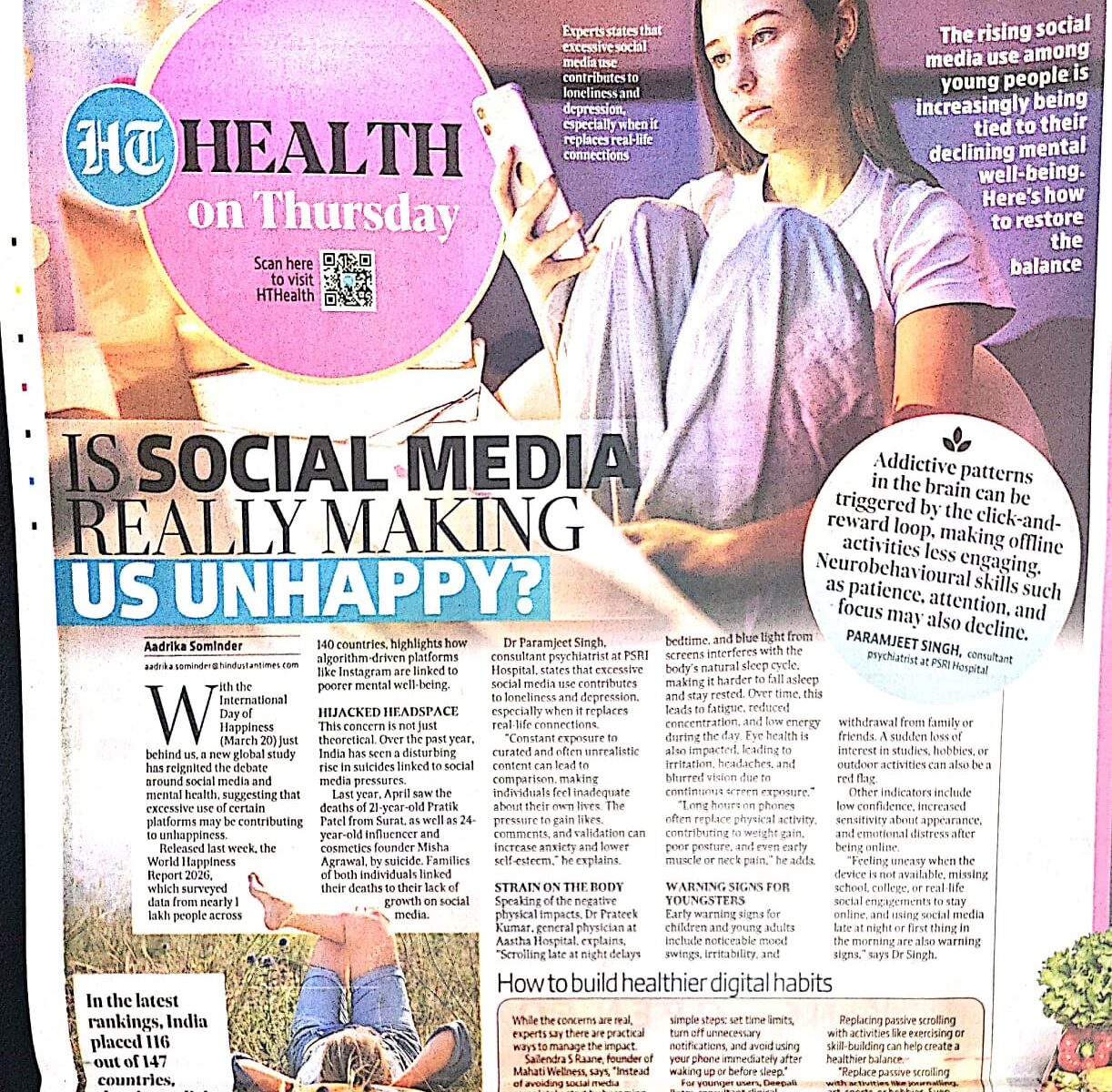
Social media has become an integral part of daily life, especially among young people. While it offers connection, entertainment, and information, growing evidence suggests that excessive use may negatively affect mental well-being. The question—“Is social media really making us unhappy?”—is more relevant than ever. Understanding the social media mental health impact can help individuals make informed choices and build healthier digital habits.
7 Ways Social Media Is Affecting Mental Health (And How to Restore Balance)
If you need professional support, consulting the Best psychiatrist in Delhi can provide valuable insights and personalized strategies for social media mental health impact. Consider Visiting:
Research increasingly highlights a connection between high social media usage and emotional distress. Constant exposure to curated lifestyles, unrealistic expectations, and comparison-driven content can lead to feelings of inadequacy and low self-esteem. Many users unknowingly measure their worth against what they see online, often forgetting that much of it is filtered or staged.
According to global studies, excessive screen time has also been linked with sleep disturbances, reduced productivity, and increased loneliness. When online interactions replace meaningful real-life connections, emotional fulfillment may decline.
Insights from Dr. Paramjeet Singh on Digital Overuse
Dr. Paramjeet Singh, a consultant psychiatrist, emphasizes that excessive social media use can significantly contribute to loneliness and depression—especially when it replaces real-life relationships. He explains that constant exposure to curated and often unrealistic content encourages comparison, making individuals feel dissatisfied with their own lives.
Another key concern highlighted by Dr. Singh is the addictive nature of social media platforms. The “click-and-reward” loop stimulates the brain repeatedly, making it harder to disengage. Over time, this pattern can reduce interest in offline activities and affect emotional stability.
How Social Media Impacts Brain and Behavior
Dr. Singh also points out that prolonged screen exposure can disrupt natural sleep cycles, especially when devices are used late at night. This can lead to fatigue, irritability, and reduced concentration during the day. Additionally, excessive scrolling may contribute to physical discomfort such as eye strain and headaches.
He further notes that overuse can weaken important neurobehavioral skills like attention, patience, and focus. Individuals may become more restless and less able to engage in deep, meaningful activities, affecting both personal and professional life.
Warning Signs of Unhealthy Social Media Use
Recognizing early signs of digital imbalance is essential. Some common indicators include:
Feeling anxious or low after using social media
Constant urge to check notifications
Reduced interest in offline hobbies
Sleep disruption due to late-night scrolling
Withdrawal from family and friends
If these patterns persist, it may be time to reassess digital habits and set healthier boundaries.
Why Comparison Culture Is Harmful
One of the biggest contributors to the social media mental health impact is comparison culture. Platforms often showcase highlight reels rather than real-life struggles. This creates unrealistic standards that can lead to dissatisfaction, jealousy, and self-doubt.
Over time, constant comparison can lower self-esteem and increase emotional vulnerability. It’s important to remind yourself that everyone’s journey is different and that social media rarely reflects reality in its entirety.
How to Build Healthier Digital Habits
Creating a balanced relationship with social media doesn’t mean eliminating it completely. Instead, small and consistent changes can make a significant difference:
Set time limits: Allocate specific periods for social media use
Avoid late-night scrolling: Reduce screen exposure before sleep
Turn off unnecessary notifications: Minimize distractions
Curate your feed: Follow content that inspires and educates
Engage offline: Spend time in hobbies, exercise, and real-world interactions
Replacing passive scrolling with meaningful activities can help restore emotional balance and improve overall well-being.
Restoring Balance in a Digital World
Social media is a powerful tool—but like any tool, its impact depends on how it is used. By becoming more mindful of our digital habits, we can protect our mental health while still enjoying the benefits of connectivity.
Dr. Paramjeet Singh’s insights remind us that balance is key. Prioritizing real-life relationships, maintaining healthy routines, and staying aware of emotional responses to online content can help individuals lead more fulfilling lives.
Best psychiatrist in Delhi
Conclusion
The social media mental health impact is real, but it is also manageable. Awareness is the first step toward change. By recognizing harmful patterns and making intentional choices, individuals can regain control over their digital lives and improve their mental well-being.
A healthier relationship with social media starts with small steps—and those steps can lead to lasting emotional resilience.