For general questions, please send us a message and we’ll get right back to you. You can also call us directly to speak with a member of our service team or insurance expert.
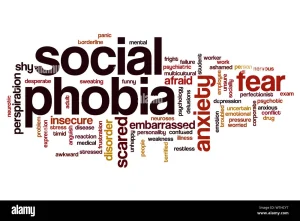
Social interactions are a natural part of everyday life, yet for some individuals they can trigger overwhelming fear and distress. Social phobia disorder, also known as social anxiety disorder, is a recognized mental health condition that goes far beyond ordinary nervousness. It can significantly affect personal relationships, education, and professional growth if left unaddressed. This article provides a clear, evidence-based overview to help readers better understand the condition and its real-world impact.
social phobia disorder
If you need professional support, consulting the best psychiatrist in Delhi can provide valuable insights and personalized strategies for Social Phobia. Consider Visiting:
Social phobia disorder is characterized by an intense and persistent fear of social or performance situations where one may be observed, judged, or evaluated by others. Common examples include speaking in meetings, attending social gatherings, eating in public, or interacting with unfamiliar people. The fear is often disproportionate to the actual situation, yet feels very real and distressing to the person experiencing it.
According to the National Institute of Mental Health (NIMH), social anxiety disorder is among the most common anxiety-related conditions worldwide and often begins during adolescence or early adulthood.
2. Common Signs and Symptoms
People with social phobia disorder may experience symptoms across emotional, physical, and behavioral domains. Emotional symptoms often include intense fear of embarrassment, excessive self-consciousness, and worry days or weeks before a social event. Physical responses may involve sweating, trembling, rapid heartbeat, or difficulty speaking in social situations.
Behaviorally, individuals may avoid social settings altogether or endure them with significant distress. Over time, this avoidance can limit opportunities for learning, career advancement, and meaningful social connection.
3. How Social Phobia Disorder Differs From Shyness
Shyness is a personality trait and typically does not interfere significantly with daily functioning. Social phobia disorder, by contrast, is more severe and persistent. The fear is intense enough to disrupt normal routines and is often accompanied by a strong desire to escape or avoid social exposure.
The Centers for Disease Control and Prevention (CDC) emphasizes that anxiety disorders are diagnosed when fear or worry becomes excessive, long-lasting, and interferes with daily life.
4. Underlying Causes and Risk Factors
There is no single cause of social phobia disorder. Research suggests that it develops through a combination of biological, psychological, and environmental factors. These may include genetic vulnerability, early life experiences such as criticism or bullying, and learned patterns of fear related to social evaluation.
Certain temperamental traits, such as behavioral inhibition or heightened sensitivity to social feedback, may also increase susceptibility. Understanding these factors helps normalize the condition and reduce self-blame.
5. Impact on Daily Life and Well-Being
The effects of social phobia disorder can extend far beyond social discomfort. Academic performance may suffer due to fear of participation or presentations. At work, individuals may avoid meetings, leadership roles, or collaborative tasks, limiting career growth.
Social isolation can also affect emotional well-being, contributing to reduced confidence and a diminished quality of life. Recognizing the broader impact highlights why early awareness and support are so important.
6. Diagnosis and Professional Evaluation
A formal diagnosis of social phobia disorder is typically made by a qualified mental health professional using established diagnostic criteria. This process involves a detailed discussion of symptoms, their duration, and how they affect daily functioning.
Institutions such as the National Institutes of Health (NIH) stress the importance of accurate assessment to differentiate social anxiety from other mental health conditions and to guide appropriate care.
7. Building Awareness and Reducing Stigma
One of the most significant barriers faced by individuals with social phobia disorder is stigma. Misunderstandings can lead others to dismiss the condition as mere nervousness or lack of confidence. Public education and open conversations play a vital role in reducing shame and encouraging empathy.
When social phobia disorder is understood as a legitimate and manageable mental health condition, individuals are more likely to seek guidance and adopt coping strategies that support long-term well-being.
best psychiatrist in delhi
Conclusion
Social phobia disorder is a common yet often misunderstood condition that can deeply affect how individuals experience the world around them. By learning about its symptoms, causes, and impact, readers can develop greater empathy for those affected and recognize the importance of informed support. Increased awareness not only helps individuals feel less alone but also fosters healthier, more inclusive communities where mental health is taken seriously.
Living with depression can be an overwhelming experience, and for many people, standard treatment approaches lead to gradual improvement. However, not everyone responds to initial interventions. When depressive symptoms persist despite adequate efforts, it may indicate treatment resistant depression. Understanding this condition can empower individuals with informed choices, realistic expectations, and hope.
Below, we explore the most important aspects of treatment resistant depression, its characteristics, contributing factors, and supportive strategies for long-term wellbeing.
treatment resistant depression
If you need professional support, consulting the best psychiatrist in Delhi can provide valuable insights and personalized strategies for Depression. Consider Visiting:
Treatment resistant depression (TRD) refers to major depressive symptoms that continue even after consistent attempts to manage the condition. Individuals may feel persistent sadness, reduced interest in activities, low motivation, or difficulty carrying out daily tasks despite actively seeking help.
This condition does not mean recovery is impossible. Instead, it highlights the need for a more comprehensive and tailored care approach.
How Common Is Treatment Resistant Depression?
Research suggests that a percentage of individuals with depression experience resistance to initial support efforts. While prevalence may vary, the condition is recognized across clinical settings and continues to be an evolving area of mental health research. Understanding its complexity has guided specialists to develop more structured assessment and care pathways.
Key Signs That Depression May Be Treatment Resistant
Recognizing the nature of symptoms is an important step. Common indicators include:
Depressive symptoms lasting for months or years with minimal relief
Feeling emotionally numb or disconnected
Significant fatigue or loss of interest in activities once enjoyed
Difficulty functioning at work, school, or socially
Recurrent negative thoughts and low self-esteem
Sleep disturbances, changes in appetite, or cognitive difficulties
If these patterns persist over time, a more detailed evaluation may be helpful.
Why Does Treatment Resistant Depression Occur?
Many factors may influence why depression becomes resistant to traditional support methods. These may include:
Underlying psychological or environmental stressors Long-term stress, trauma, or unresolved emotional conflicts can intensify depressive cycles.
Co-existing mental or physical conditions When more than one condition is present, symptoms can become intertwined and harder to manage without holistic support.
Lifestyle elements Sleep patterns, movement levels, social connection, and routine can significantly influence mood stability.
Delayed diagnosis or lack of early intervention When depression goes unnoticed for a long time, symptoms may become more deeply rooted.
How Treatment Resistant Depression Is Evaluated
Assessment usually involves a careful review of symptoms, duration, medical history, stress levels, daily functioning, and previous management attempts. A holistic evaluation looks beyond emotional symptoms to include biological, psychological, and social factors.
Questions that professionals may explore include:
How long symptoms have been present
What changes have occurred in mood over time
What supportive strategies have been used previously
Sleep, appetite, stress, and interpersonal relationships
Past trauma or life transitions
This step provides clarity and helps shape a more personalized plan.
Supportive Approaches for Living With Treatment Resistant Depression
While the journey may feel challenging, individuals can explore structured ways to improve resilience and daily wellbeing. Supportive approaches may include:
Psychotherapy or talk-based interventions Cognitive-behavioral frameworks, interpersonal support, and trauma-focused therapy can help reframe thought patterns and emotional processes.
Lifestyle and behavioral strategies Small changes in routine, movement, nutrition, creative outlets, and exposure to sunlight may improve energy and mood regulation.
Mind-body practices Techniques such as guided breathing, mindfulness-based stress reduction, journaling, gentle physical activity, or grounding exercises may support emotional balance.
Community and support groups Sharing experiences can reduce feelings of isolation and foster connection.
Regular follow-ups Ongoing monitoring of symptoms ensures changes are noted early and adjustments are made based on progress.
For evidence-based wellness guidance, visit: Centers for Disease Control and Prevention (CDC) – Mental Health Resources
best psychiatrist in delhi
Hope and Forward Movement
Treatment resistant depression can be emotionally exhausting, but many individuals find gradual improvement through persistence, structured care, and supportive lifestyle practices. Recovery is a journey rather than a single outcome. With the right strategy, guidance, and patience, stability and relief are possible.
If you or someone you know is struggling, seeking help is a strong and brave step. A comprehensive approach can illuminate a path forward and restore a sense of hope.
Understanding the connection between mind and body is essential for overall health. Somatic symptoms are physical symptoms that can be influenced by psychological or emotional factors, and they often present in ways that feel very real and distressing to the individual. This article provides a clear list of somatic symptoms to help readers recognize common patterns, understand possible triggers, and support informed discussions with healthcare providers.
If you need professional support, consulting the best psychiatrist in Delhi can provide valuable insights and personalized strategies for Bipolar Depression. Consider Visiting:
Somatic symptoms are physical sensations or complaints that cannot be fully explained by a medical condition, injury, or disease. They often occur in response to stress, anxiety, trauma, or emotional dysregulation. According to the National Institute of Mental Health (NIMH), somatic symptom disorder involves excessive focus on physical symptoms — such as pain or fatigue — resulting in significant distress and impaired daily functioning.
These symptoms can vary widely and may overlap with conditions that do have identifiable medical causes. The goal of listing common somatic symptoms is to increase awareness and help individuals differentiate patterns that may suggest support is needed.
1. Persistent Headaches
Headaches that occur frequently without a clear medical cause are one of the most reported somatic symptoms. They may be tension-like or migraine-like and often worsen with stress or emotional overload. These headaches can affect concentration and quality of life.
2. Muscle Tension and Body Aches
Unexplained muscle tension, stiffness, or widespread body aches are regularly reported in somatic conditions. Individuals may describe chronic soreness in the neck, shoulders, back, or limbs. Emotional stress can intensify perceived discomfort and contribute to muscle tightening.
define somatoform disorder
3. Gastrointestinal Discomfort
Abdominal pain, bloating, nausea, and irregular bowel habits are common entries in a list of somatic symptoms. The gut–brain connection plays a significant role in somatic experiences. The Centers for Disease Control and Prevention (CDC) notes that functional gastrointestinal disorders can be related to both biological and psychosocial factors.
4. Chest Pain or Discomfort
Feelings of tightness, pressure, or discomfort in the chest that are not linked to a cardiac condition may be manifestations of somatic symptoms. These sensations can be frightening and are often mistaken for serious medical events, but they can also arise from stress-related muscle tension or heightened awareness of bodily sensations.
5. Dizziness or Lightheadedness
Episodes of dizziness, unsteadiness, or feeling faint without a diagnosable balance disorder can be part of somatic symptom presentations. These sensations may worsen in anxiety-provoking situations or when a person is hyper-aware of physical sensations.
6. Shortness of Breath
Shortness of breath or a sensation of not being able to take a full breath can occur in the absence of pulmonary or cardiac disease. Emotional distress, panic reactions, and somatic focus can all contribute to these uncomfortable respiratory sensations.
7. Fatigue and Low Energy
Persistent fatigue that is not proportional to activity level — and that does not improve with rest — may be part of a list of somatic symptoms. Fatigue can interfere with daily tasks, reduce productivity, and exacerbate feelings of frustration or stress.
8. Sleep Difficulties
Trouble initiating sleep, staying asleep, or waking feeling unrested is another frequently reported somatic concern. While sleep issues have many potential causes, emotional stress and somatic experiences can disrupt normal sleep patterns.
9. Sensory Sensitivities
Heightened sensitivity to light, sound, or touch can accompany somatic symptoms. Individuals may notice that everyday sensory input feels overwhelming, leading to increased stress or avoidance behaviors.
10. Numbness or Tingling Sensations
Unexplained tingling, “pins and needles,” or numbness — especially when it occurs in multiple areas of the body — can be part of somatic symptom presentations. These sensations often arise without clear nerve damage or neurological disease and may correlate with emotional factors.
best psychiatrist in delhi
How Somatic Symptoms Impact Daily Life
Although somatic symptoms are expressed physically, they frequently interact with emotional well-being. Individuals experiencing persistent somatic symptoms may report difficulty concentrating, reduced social engagement, or increased worry about health. The National Institutes of Health (NIH) emphasizes that the perception of physical symptoms is valid and that understanding the biopsychosocial model — which accounts for biological, psychological, and social factors — can improve insights into somatic experiences.
Bipolar disorder is a complex mental health condition marked by fluctuating mood states, including depressive episodes that can significantly impact thinking, functioning, and emotional stability. Understanding the signs of bipolar depression is essential for early recognition and timely support. This guide outlines the key symptoms, how they manifest, and why awareness is critical for long-term well-being.
If you need professional support, consulting the best psychiatrist in Delhi can provide valuable insights and personalized strategies for Bipolar Depression. Consider Visiting:
One of the most prominent signs of bipolar depression is a deep, long-lasting sense of sadness or emptiness. Unlike temporary low moods, this emotional heaviness often persists for weeks and affects daily functioning. Individuals may find themselves withdrawing from activities they once enjoyed or feeling emotionally “flat” despite external circumstances.
2. Loss of Interest in Routine Activities
A noticeable decline in motivation or enthusiasm for work, hobbies, or social interactions is another strong indicator. This is not simple fatigue; it is an inability to engage in activities that normally bring fulfillment. This shift can strain relationships and contribute to a sense of isolation.
3. Significant Changes in Sleep Patterns
Sleep disturbances are among the most common signs of bipolar depression. Some individuals experience excessive sleeping, finding it difficult to get out of bed. Others face disrupted or poor-quality sleep, leading to further fatigue, irritability, and cognitive challenges throughout the day.
4. Difficulty Concentrating or Making Decisions
During depressive episodes, concentration levels often drop sharply. Everyday tasks—reading emails, maintaining focus at work, or making routine decisions—can feel overwhelming. This cognitive slowdown is not a matter of laziness; it is a clinical symptom that often coincides with slowed thinking and reduced mental clarity.
5. Low Energy and Physical Fatigue
Fatigue in bipolar depression goes beyond feeling tired after a long day. It manifests as persistent low energy, lethargy, and a sense of physical heaviness. Even small tasks such as taking a shower or preparing a meal can feel draining. This symptom often contributes to inactivity and social withdrawal.
6. Feelings of Worthlessness or Excessive Guilt
Individuals may develop negative beliefs about themselves, often feeling responsible for things beyond their control. These thoughts can appear suddenly and may not align with real-world circumstances. Such internal dialogues can intensify depressive episodes and require professional attention.
Bipolar Disorder
7. Social Withdrawal and Isolation
Another frequent sign of bipolar depression is avoiding social contact. Individuals may decline invitations, avoid phone calls, or disengage from conversations. This withdrawal is often driven by emotional exhaustion rather than a lack of care for others. Over time, isolation can deepen feelings of loneliness and sadness.
8. Changes in Appetite and Weight
Noticeable fluctuations in appetite—either eating significantly more or significantly less—may occur. These changes can lead to unexpected weight gain or loss. Appetite disruption is closely tied to mood and energy levels, making it a useful observable sign for loved ones and clinicians.
9. Slowed Movements or Reduced Activity
Some individuals may move, speak, or react more slowly. This psychomotor slowing is often subtle at first but becomes more noticeable as the depressive episode progresses. It can affect overall functioning and create frustration, especially when routine tasks take much longer than usual. For additional clinical insights, review resources from the Centers for Disease Control and Prevention (CDC).
When to Seek Professional Support
Recognizing the signs of bipolar depression is the first step toward receiving appropriate care. If these symptoms persist for two weeks or more—or begin to interfere with work, relationships, or self-care—it is important to reach out to a qualified mental health professional. Early intervention can prevent episodes from escalating and promote long-term stability.
Supporting a Loved One
If you notice these signs in a family member or friend, approach them with empathy. Encourage open dialogue and offer practical support such as helping them schedule a mental health evaluation or accompanying them to their first consultation. Small gestures can make a significant difference during depressive episodes.
best psychiatrist in delhi
Final Thoughts
Understanding the signs of bipolar depression empowers both individuals and families to take proactive steps toward improving mental well-being. While bipolar disorder can present challenges, early recognition and timely professional guidance can greatly enhance quality of life. With the right support system and increased awareness, individuals can navigate depressive episodes more effectively and build a path to emotional resilience.
Is “travel dysmorphia” affecting your mental peace?
In an age where travel is portrayed as a badge of success, many people are beginning to feel unseen, unaccomplished, or inadequate — simply because they don’t travel as often as others. The term “travel dysmorphia” captures that growing unease. According to psychiatrist Dr Paramjeet Singh, social-media-driven travel comparisons have turned escape into status, and places once meant for rest and discovery have become stages for performance. Harper Bazar
travel dysmorphia
If every beach post, café selfie or exotic holiday reel leaves you feeling empty or anxious instead of inspired, you might be experiencing travel dysmorphia. It’s more common than people think. This blog explores what it means, why it matters — and how to reconnect with real life beyond the filter.
best psychiatrist in delhi
If you need professional support, consulting the best psychiatrist in Delhi can provide valuable insights and personalized strategies for Depression, Anxiety, Mental Health. Consider Visiting:
Living with bipolar disorder can be challenging, especially during depressive episodes when emotional and physical symptoms become overwhelming. Understanding bipolar depression symptoms is essential for recognizing early warning signs, supporting loved ones, and encouraging timely professional care. Below is a comprehensive guide outlining the most common symptoms, how they manifest, and why awareness matters.
bipolar depression symptoms
If you need professional support, consulting the best psychiatrist in Delhi can provide valuable insights and personalized strategies for Depression, Consider Visiting:
One of the core bipolar depression symptoms is a prolonged feeling of sadness, emptiness, or hopelessness. Unlike temporary emotional shifts, this low mood can last for weeks and often affects daily functioning. It may feel heavy and all-consuming, making even routine tasks seem difficult.
2. Loss of Interest in Daily Activities
People may lose interest in hobbies, social interactions, or activities they once enjoyed. This loss of pleasure is known as anhedonia, and it can significantly diminish overall quality of life. Things that previously felt meaningful or exciting may suddenly feel dull or unrewarding.
bipolar signs
3. Significant Changes in Sleep Patterns
Disruptions in sleep are common during depressive episodes. Some individuals sleep much more than usual, while others struggle with persistent insomnia. Both patterns can worsen other symptoms, such as fatigue, irritability, and difficulty concentrating.
4. Noticeable Fatigue or Low Energy
Extreme tiredness and reduced energy levels are hallmark indicators of bipolar depression symptoms. This fatigue is not usually resolved with rest and may make tasks like getting out of bed, cooking, or working feel overwhelming.
5. Difficulty Concentrating
Individuals often experience problems with focus, decision-making, and memory. This cognitive slowdown may affect job performance, academic progress, or household responsibilities. Even minor decisions can feel mentally exhausting.
6. Feelings of Worthlessness or Excessive Guilt
During depressive episodes, self-critical thoughts tend to intensify. Individuals might blame themselves for things beyond their control, dwell on perceived failures, or feel undeserving of support. These thoughts can erode self-esteem over time.
7. Changes in Appetite or Weight
Bipolar depression symptoms may include noticeable shifts in eating habits. Some individuals experience a reduced appetite, while others eat more than usual. These changes can lead to unintended weight gain or loss.
8. Psychomotor Changes
Psychomotor symptoms refer to movements and behaviors that become noticeably slower or, in some cases, more restless. Examples include slowed speech, reduced physical activity, or visible tension. Loved ones might observe these changes even if the individual does not.
9. Social Withdrawal and Isolation
Many people experiencing bipolar depression withdraw from social interaction. They may avoid family gatherings, stop communicating with friends, or feel disconnected from the world around them. This isolation often deepens feelings of loneliness and sadness.
For general information on mood disorders, the Centers for Disease Control and Prevention provides valuable data and insights
10. Recurrent Thoughts of Hopelessness
During severe episodes, individuals may experience intense feelings of despair or thoughts that life lacks purpose. These thoughts require immediate professional support, as they can escalate quickly if ignored.
If someone is in immediate danger or experiencing an emergency, contacting local emergency services or a trusted crisis helpline is essential.
Understanding the Difference Between Bipolar and Other Depressive Symptoms
Bipolar depression is different from major depressive disorder because it occurs within the broader context of bipolar disorder, which includes periods of elevated or irritable mood (mania or hypomania). Recognizing this distinction helps professionals create an accurate diagnosis and personalized care plan.
When to Seek Professional Help
If you or someone you know is experiencing several bipolar depression symptoms over an extended period, consulting a qualified mental health professional is highly recommended. Early evaluation can help individuals better understand their symptoms, receive proper guidance, and improve overall well-being.
best psychiatrist in delhi
Supporting Someone with Bipolar Depression
Compassion, patience, and consistent communication can make a meaningful difference. Encourage open dialogue, help create a supportive environment, and remind them that professional guidance is available. Small gestures, such as offering to attend appointments together or helping with daily tasks, can significantly lighten the emotional load.