For general questions, please send us a message and we’ll get right back to you. You can also call us directly to speak with a member of our service team or insurance expert.
The primary sign of depression is often a persistent low, depressed, or hopeless mood, whereas the major sign of anxiety is an abundance of worry, uneasiness, and fear.
But certain crucial symptoms are indeed common to these ailments. Some people with depression may experience more irritability than sadness, as anxiety, for instance, frequently entails irritability.
You might not always understand what your symptoms signify because these disorders might manifest themselves in different ways depending on the individual.
Additionally, it is conceivable to experience both despair and anxiety simultaneously: According to a global poll conducted in 2015, 41.6% of respondents said they experienced both serious depression and an anxiety condition over a 12-month period.
What is a crucial similarity between anxiety and depression? Both can advance with assistance from a mental health professional.
We’ll break down the primary symptoms and warning indications of each ailment below, as well as provide some coping mechanisms and advice on where to get support.
What are the signs and symptoms of anxiety?
Most people experience anxiety from time to time, which includes feelings of fear, uneasiness, and worry. After all, anxiety is part of how you respond to stress, thus you may feel anxious:
prior to key life events, when making important decisions, and when attempting something new However, if you have chronic or extreme anxiety on most days for several months, you may be suffering from generalized anxiety disorder (GAD) or another anxiety condition.
Anxiety disorders extend beyond being concerned about unexpected or difficult life events. Your issues may be more mundane, such as your health, performance at school and job, or relationships. These concerns might lead to persistent thoughts and fears that eventually begin to interfere with daily life.
The following are the primary indicators of ongoing anxiety:
Fear and concern management difficulties
Irritation, bodily restlessness, or a feeling of being on edge fear, foreboding, or panic
Sleep issues
Brain fog caused by chronic exhaustion
Headaches, muscle tension, nausea, and diarrhea are some of the physical symptoms.
A therapist can provide more information about treatment choices for anxiety and depression, but you can also manage with symptoms on your own.
The tactics listed below may not always be effective, but experimenting with different approaches at different times might help you learn more about what works best for you. That realization can lead you to a tailored toolbox of coping skills, so you always have options to explore when you are distressed or overwhelmed.
Your therapist can also provide new tactics to try as well as advice on how to put them into action.
1. Allow yourself to feel what you’re experiencing. 2. Do something over which you have control. 3. Stick to a routine. 4. Try to get a good night’s sleep. 5. Eat a variety of foods. 6. Go for a walk around the block. 7. Schedule rest and relaxation time. 8. Make contact with loved ones
Anxiety and depression can be daunting, especially if you suffer from both diseases or are unsure which one you have.
But you don’t have to deal with such symptoms on your own. Getting help for distress that lasts more than a few days or begins to interfere with your everyday life can go a long way toward assisting you in finding relief.
How Do Depression And Anxiety Differ?
The primary distinction between depression and anxiety is in the symptoms. Depression is characterized by a continuous sense of sadness. You also lack energy and lose interest in previously enjoyed hobbies. Some depressed people consider harming themselves.
Anxiety is characterized by uncontrollable fear or worry. Depending on the sort of anxiety you have, you may experience worry during routine tasks such as meeting new people.
There are numerous therapy methods available for depression and anxiety. A therapist can always provide additional assistance in recognizing symptoms and potential causes, as well as exploring the most beneficial therapy techniques.
If you’re constantly feeling down and hopeless, you may be suffering from clinical depression.
When you’re depressed, it can be hard to do the things you normally love, such as job, school, sleeping, eating, and spending time with friends and hobbies. In some people, clinical depression occurs only once in their lives, whereas in others, it recurs frequently.
Depression can sometimes be handed down from one generation to the next, despite the fact that most persons with significant depression don’t have a family history of the disorder.
What Is Clinical Depression?
A sad or depressed mood is a common human emotion. A loss of interest in routine activities and relationships, however, as well as a melancholy mood throughout the majority of the day, sometimes especially in the morning, are indicators of clinical depression and must be present every day for at least two weeks. You may also have other symptoms of serious depression, according to the DSM-5, a guidebook used to diagnose mental health issues. These signs may consist of:
Virtually daily feelings of worthlessness or remorse
Almost daily fatigue or energy loss
A change in body weight of more than 5% in a month indicates significant weight loss or increase.
Having trouble focusing and making decisions
Practically daily insomnia or hypersomnia (excessive sleeping)
Markedly reduced enjoyment or interest in practically all activities
Almost every day (called anhedonia, this symptom can be indicated by reports from significant others)
Unease or a sense of slowness
Recurring suicidal or dead thoughts
Are Females More Prone to Clinical Depression?
Major or clinical depression affects nearly twice as many women as males, and hormonal changes associated with puberty, menstruation, pregnancy, miscarriage, and menopause may increase the risk.
Additional risk factors for clinical depression in women who are physiologically predisposed to it include increasing stress at home or at work, juggling a profession and family, and providing care for an elderly parent. The risk will also rise if a child is raised by one person.
Approximately 6.7% of Americans over the age of 18 experience major depression, according to the National Institute of Mental Health. Between 20% and 25% of individuals may experience a significant depressive episode at some point in their lives.
Although older individuals, teenagers, and toddlers are also affected by major depression, these populations usually lack a diagnosis and receive no treatment.
What Indicates a Man Is Suffering from Clinical Depression?
Men’s depression is vastly underreported. Men with clinical depression are less likely to seek assistance or even speak with others about their condition.
Men who suffer from depression may exhibit signs such as irritation, hostility, or drug and alcohol misuse (substance abuse can also be a cause of depression rather than the result of it). Negative emotions that are suppressed can lead to both internalised and externalised violence. Additionally, it may lead to an increase in violence, suicide, and sickness.
The Diagnosis of Major Depression
A full medical evaluation will be carried out by a healthcare professional, such as your primary care physician or a psychiatrist. During a routine checkup with your doctor, you might have a depression screening done. The specialist will enquire about your own and your family’s psychiatric histories and ask you questions that test for major depressive disorder symptoms.
Major depression cannot be identified with any laboratory test, including X-rays, blood tests, or other imaging procedures. To help identify any other medical conditions that exhibit symptoms comparable to depression, your doctor could perform blood testing. For instance, hypothyroidism, drug or alcohol misuse, certain medications, and stroke can all result in some of the same symptoms as depression.
Clinical Depression: Is It Preventable?
After experiencing a major depressive episode, your risk of experiencing another is very significant. The best strategy to avoid another episode of depression is to continue taking the recommended medicine to prevent relapse and to be aware of the triggers or causes of major depression (see above). It’s also critical to be aware of the signs of serious depression and to consult your physician as soon as you notice any of these signs.
Men want to believe that they are emotionally stable and capable of standing up for themselves. When we feel hopeless or overwhelmed by sadness we often deny it or try to cover it up. Depression, however, is not a sign of emotional weakness or a failure of manhood; rather, it is a normal problem that affects many of us at some point in our lives.
Millions of men of all ages and walks of life suffer from depression, as do their loved ones who care about them. Of course, it’s natural for everybody to have feelings of sadness occasionally. Depression is a common response to life’s inevitable failures and disappointments. However, when a man is depressed, his thoughts, feelings, and ability to go about his regular life are all affected. It can disrupt your social life, your ability to get good rest and eat well, and your ability to take pleasure in life in general. Extreme depressive episodes might last for days on end.
Because many of us men have trouble opening up about our emotions, depression in males is often disregarded. Instead, we frequently look at the physical manifestations of depression in men, such as aches and pains, insomnia, and erectile dysfunction. There may be dire implications if the underlying depression is not treated.
Help for depression is especially important for males because they are four times more likely to commit suicide than women when they are feeling hopeless. Share your thoughts and feelings openly with someone you trust, such as a friend, family member, or doctor. Depression in men is treatable and manageable, and it can be prevented if caught early enough.
Male Depression Symptoms, Signs, and Causes
When compared to women, men are less likely to recognize the signs of depression. Men are more likely to act in ways that betray their true emotions rather than admit they are struggling. Men are more likely than women to experience “stealth” depression symptoms like anger, substance abuse, and agitation in addition to the classic symptoms of depression like depressed mood, loss of interest in work or hobbies, weight and sleep disturbances, fatigue, and concentration problems.
There are three warning signals of depression in men that are often disregarded:
Ache in the flesh: Depression in men might manifest in ways that are difficult to treat medically, such as backache, recurrent headaches, sleep issues, sexual dysfunction, or gastrointestinal illnesses.
Anger: The symptoms may include anything from a loss of patience and humor to road rage and physical aggression. Some males develop abusive or possessive tendencies.
Careless actions: Men with depression are more likely to engage in risky activities including dangerous sports, reckless driving, and unsafe sex as a means of escape. It’s possible that you have a problem with alcohol, drugs, or gambling.
Male depression has numerous potential origins. Lifestyle, relationships, and coping mechanisms all have a role, as do biological, psychological, and social elements.
While any male is at risk for developing depression, several characteristics increase that risk.
Lack of social connections and companionship
Ineffective coping mechanisms Substance abuse or alcoholism
Abuse or neglect in early childhood
Aging alone with limited opportunities to interact with others
The link between depression and erection problems
Erectile dysfunction (also known as impotence) is a common
The problem among males has been linked to both depression and the use of antidepressants.
Nearly twice as many men with erectile dysfunction as those without suffer from depression. Erectile dysfunction is more likely in people who are depressed. Unfortunately, many men with depression fail to seek help for their condition because they fear that doing so will reflect negatively on their manhood.
Depression is characterized by a persistently low, depressed, or hopeless mood, whereas anxiety is characterized by an abundance of worry, unease, and dread.
However, essential symptoms are shared between these conditions. Some depressed individuals may experience more irritability than sorrow, as anxiety frequently involves irritability.
Depending on the individual, you may not always comprehend the significance of your symptoms, as these disorders manifest themselves in various ways.
Additionally, it is possible to simultaneously experience depression and anxiety: According to a 2015 global survey, 41.6% of respondents experienced both severe depression and an anxiety disorder within the previous year.
What is a significant parallel between anxiety and depression? Both can progress with the help of a mental health professional.
We will describe the primary symptoms and warning signs of each illness, as well as offer coping strategies and information on where to find support.
What are the signs and symptoms of anxiety?
Most people experience anxiety from time to time, which includes feelings of fear, uneasiness, and worry. After all, anxiety is part of how you respond to stress, thus you may feel anxious:
prior to key life events, when making important decisions, and when attempting something new However, if you have chronic or extreme anxiety on most days for several months, you may be suffering from generalized anxiety disorder (GAD) or another anxiety condition.
Anxiety disorders extend beyond being concerned about unexpected or difficult life events. Your issues may be more mundane, such as your health, performance at school and job, or relationships. These concerns might lead to persistent thoughts and fears that eventually begin to interfere with daily life.
The following are the primary indicators of ongoing anxiety:
Fear and concern management difficulties
Irritation, bodily restlessness, or a feeling of being on edge fear, foreboding, or panic
Sleep issues
Brain fog caused by chronic exhaustion
Headaches, muscle tension, nausea, and diarrhea are some of the physical symptoms.
A therapist can provide more information about treatment choices for anxiety and depression, but you can also manage with symptoms on your own.
The tactics listed below may not always be effective, but experimenting with different approaches at different times might help you learn more about what works best for you. That realization can lead you to a tailored toolbox of coping skills, so you always have options to explore when you are distressed or overwhelmed.
Your therapist can also provide new tactics to try as well as advice on how to put them into action.
1. Allow yourself to feel what you’re experiencing. 2. Do something over which you have control. 3. Stick to a routine. 4. Try to get a good night’s sleep. 5. Eat a variety of foods. 6. Go for a walk around the block. 7. Schedule rest and relaxation time. 8. Make contact with loved ones
Anxiety and depression can be daunting, especially if you suffer from both diseases or are unsure which one you have.
But you don’t have to deal with such symptoms on your own. Getting help for distress that lasts more than a few days or begins to interfere with your everyday life can go a long way toward assisting you in finding relief.
How Do Depression And Anxiety Differ?
The primary distinction between depression and anxiety is in the symptoms. Depression is characterized by a continuous sense of sadness. You also lack energy and lose interest in previously enjoyed hobbies. Some depressed people consider harming themselves.
Anxiety is characterized by uncontrollable fear or worry. Depending on the sort of anxiety you have, you may experience worry during routine tasks such as meeting new people.
There are numerous therapy methods available for depression and anxiety. A therapist can always provide additional assistance in recognizing symptoms and potential causes, as well as exploring the most beneficial therapy techniques.
Since “depression doesn’t heal itself” and there is no “cure,” ongoing treatment is essential, says Hanna Simmons, Ph.D., a clinical psychologist and therapist in Denver, Colorado. To paraphrase an old adage, “Don’t blame yourself for your mental illness; there are various causes, including trauma, genetic predisposition, the side effects of other health disorders, or even no evident cause at all.”However, you need to put more emphasis on the things that bring you joy and help you advance in life.
The use of medicine or consultation with a psychotherapist is two examples. Adjustments to one’s way of life include things like resting sufficiently, learning to meditate, getting out into nature, and doing regular exercise. (These are some of the reasons why doctors and psychologists recommend walking.)
Something else that can be useful? Depressingly reading quotes on mental illness. Reading depression quotes can help you see that you are not alone in your feelings. the situation could be brightened up with their support.
♦ “People who have never dealt with depression think it’s just being sad or being in a bad mood. That’s not what depression is for me; it’s falling into a state of grayness and numbness.” —Dan Reynolds, Imagine Dragons
♦ “Depression is feeling like you’ve lost something but having no clue when or where you last had it. Then one day you realize what you lost is yourself.” —Unknown
♦ “Depression is being colorblind and constantly told how colorful the world is.” —Atticus’s poetry
♦ “Listen to the people who love you. Believe that they are worth living for even when you don’t believe it. Seek out the memories depression takes away and project them into the future. Be brave; be strong; take your pills. Exercise because it’s good for you even if every step weighs a thousand pounds. Eat when the food itself disgusts you. Reason with yourself when you have lost your reason.” ―Andrew Solomon
♦ “In my opinion, living with manic depression takes a tremendous amount of balls. Not unlike a tour of Afghanistan (though the bombs and bullets, in this case, come from the inside). At times, being bipolar can be an all-consuming challenge, requiring a lot of stamina and even more courage, so if you’re living with this illness and functioning at all, it’s something to be proud of, not ashamed of. They should issue medals along with the steady stream of medication.” ―Carrie Fisher, Wishful Drinking
Depression Quote
♦ “Depression is your body saying, ‘I don’t want to be this character anymore. It’s too much for me.’ You should think of the word ‘depressed’ as ‘deep rest.’ Your body needs to be depressed. It needs deep rest from the character that you’ve been trying to play.” —Jim Carrey
♦ “Depression is melancholy minus its charms.” ―Susan Sontag
♦ “The hardest thing about depression is that it is addictive. It begins to feel uncomfortable not to be depressed. You feel guilty for feeling happy.” ―Pete Wentz
♦ “After every Olympics, I think I fell into a major state of depression, and after 2012 that was probably the hardest fall for me. I didn’t want to be in the sport anymore. I didn’t want to be alive anymore. I think people actually finally understand [depression is] real. People are talking about it and I think this is the only way that it can change.” —Michael Phelps
♦ “Whenever someone tells me to ‘Just be happy,’ I want to yell, ‘Oh, hey, depression’s gone! Why didn’t I think of that?’ But usually, I just roll my eyes instead.” —Anonymous
♦ “What they don’t tell you about depression is that sometimes it feels a lot less like sadness and a lot more like the emotional equivalent of watching paint dry.” —Alexis, Tumblr
♦ “Sometimes I just think depression’s one way of coping with the world. Like, some people get drunk, some people do drugs, and some people get depressed. Because there’s so much stuff out there that you have to do something to deal with it.” —Ned Vizzini, author
♦ “Our Generation has had no Great war, no Great Depression. Our war is spiritual. Our depression is our lives.” —Chuck Palahniuk, writer
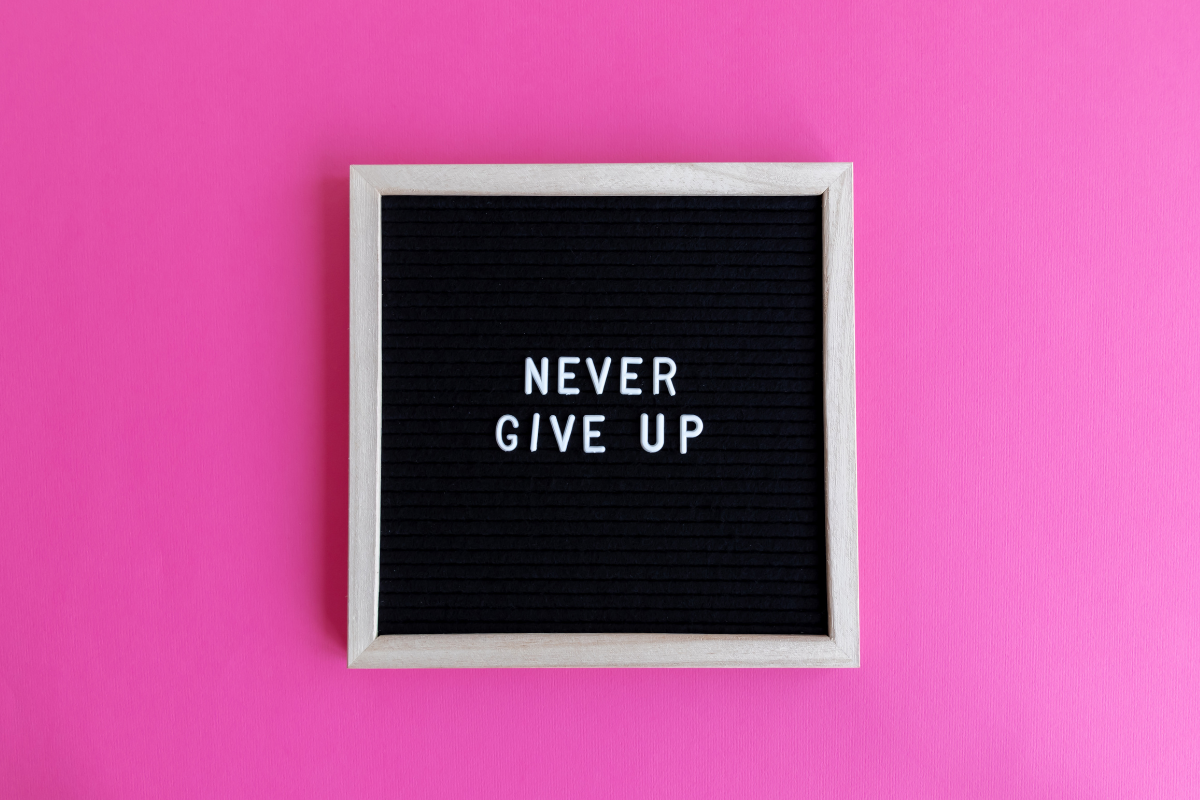
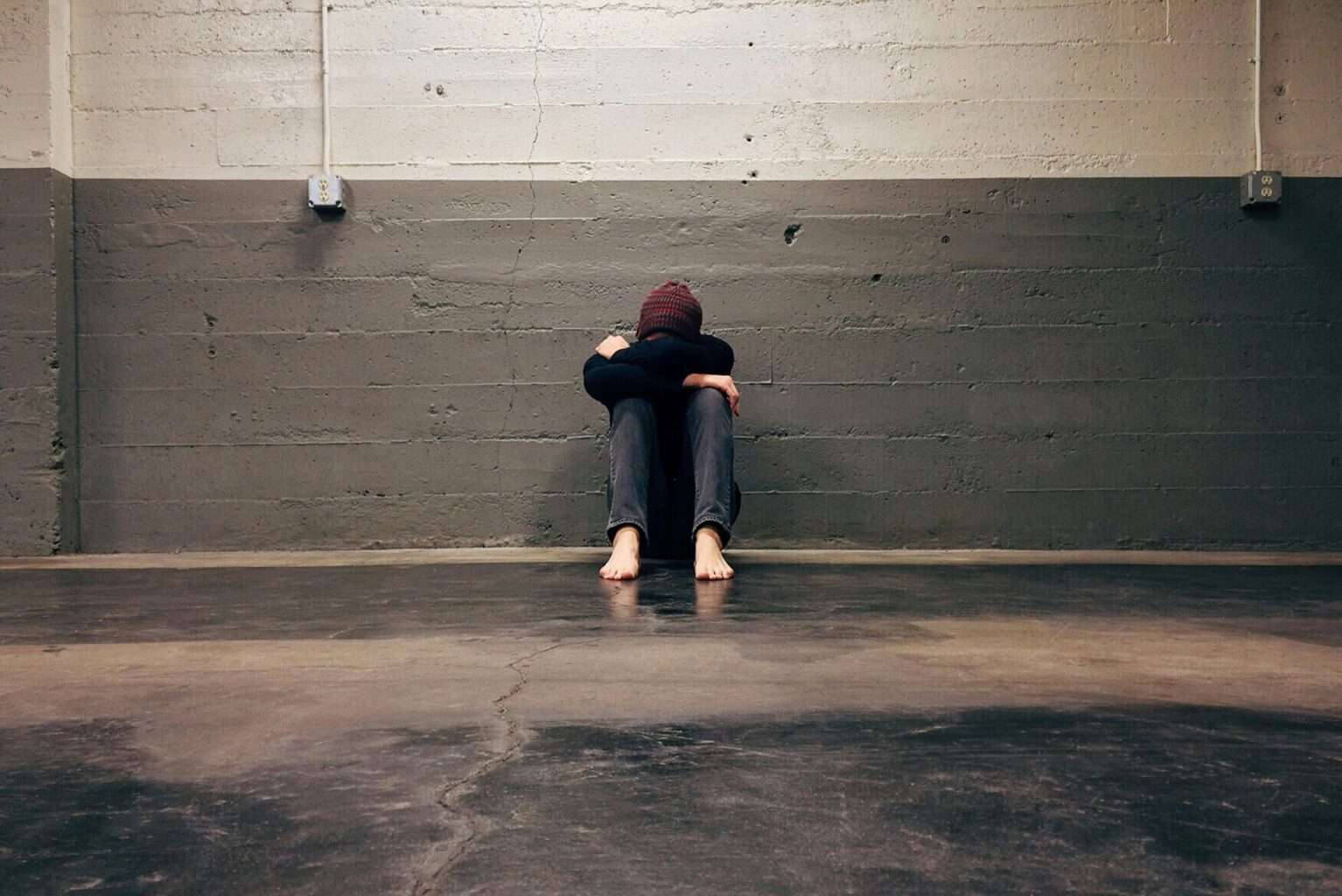
When you’re in a depression, you can use these images as your DP
When you’re surrounded by all these people, it can be lonelier than when you’re by yourself. You can be in a huge crowd, but if you don’t feel like you can trust anyone or talk to anybody, you feel like you’re really alone.
I am bent, but not broken. I am scarred, but not disfigured. I am sad, but not hopeless. I am tired, but not powerless. I am angry, but not bitter. I am depressed, but not giving up.
Depression, suffering, and anger are all part of being human
When people don’t know exactly what depression is, they can be judgmental.
That is all I want in life: for this pain to seem purposeful.
You’re not a bad person for the ways you tried to kill your sadness.
Whenever I have a good few months and I think I’ve gotten over the worst of my depression, it silently returns. This isn’t a battle I asked to fight. I’m tired of knowing it’s always coming back.



![500+ Depression Wallpapers [HD] | Download Free Images On Unsplash](https://images.unsplash.com/photo-1500099817043-86d46000d58f?ixlib=rb-4.0.3&ixid=M3wxMjA3fDB8MHxzZWFyY2h8Mnx8ZGVwcmVzc2lvbnxlbnwwfHwwfHx8MA%3D%3D&w=1000&q=80 "Depression DP")


 When people don’t know exactly what depression is, they can be judgmental.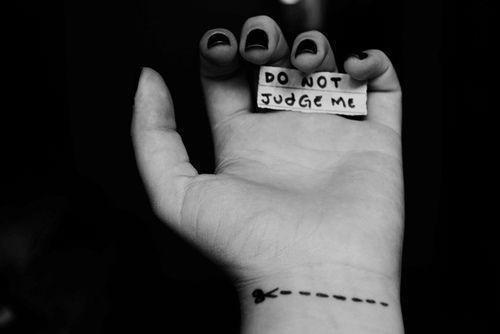

![500+ Depression Wallpapers [HD] | Download Free Images On Unsplash](https://images.unsplash.com/photo-1476782916354-326ab24c93df?ixlib=rb-4.0.3&ixid=M3wxMjA3fDB8MHxzZWFyY2h8OXx8ZGVwcmVzc2lvbnxlbnwwfHwwfHx8MA%3D%3D&w=1000&q=80 "Depression DP")