For general questions, please send us a message and we’ll get right back to you. You can also call us directly to speak with a member of our service team or insurance expert.
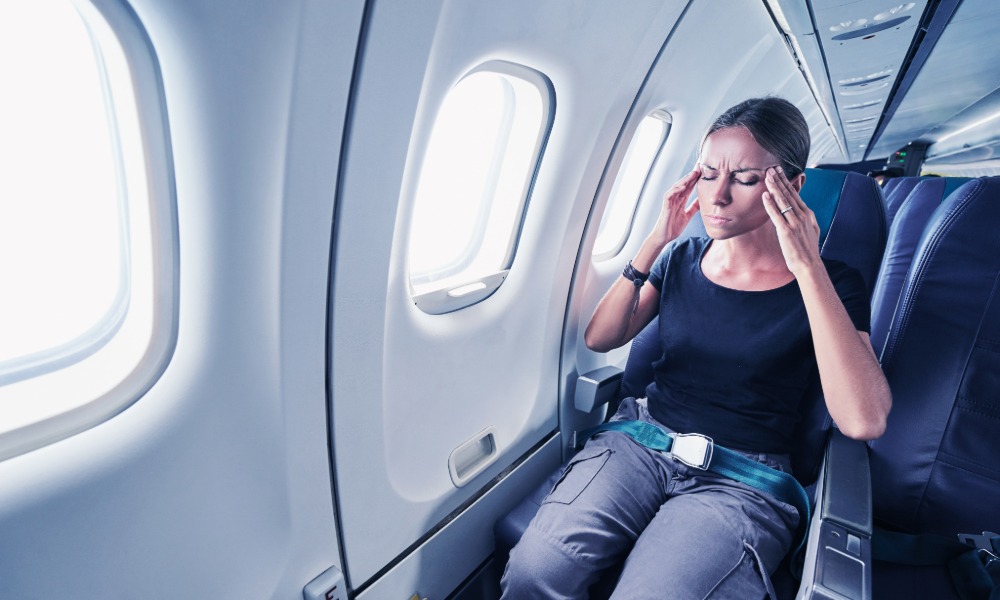
Air travel is one of the safest and fastest ways to reach destinations around the world. However, for many individuals, the thought of boarding an airplane can trigger intense anxiety and fear. This condition, commonly known as flying phobia, can cause emotional distress, physical tension, and avoidance of travel altogether.
7 Powerful Strategies to Overcome Flying Phobia and Travel with Confidence
Below are nine practical and compassionate strategies to help you gradually overcome fear of heights and improve emotional resilience.
If you need professional support, consulting the best psychiatrist in Delhi can provide valuable insights and personalized strategies for flying phobia. Consider Visiting:
Flying phobia, also called the fear of flying, affects people in different ways. Some individuals feel nervous during turbulence, while others may worry about loss of control, safety concerns, or being confined in an aircraft cabin. Understanding why this fear develops and learning strategies to manage it can help individuals feel more comfortable with air travel.
According to the National Institute of Mental Health, anxiety-related fears often develop from a combination of past experiences, learned behaviors, and the brain’s response to perceived threats. Learning effective coping strategies can help individuals gradually build confidence and reduce anxiety in challenging situations.
Below are seven helpful strategies that can support individuals in managing flying phobia and improving their travel experience.
1. Understand What Causes Flying Phobia
The first step in addressing flying phobia is understanding the reasons behind the fear. Some individuals develop this fear after a stressful flight experience, while others may become anxious due to media coverage of aviation accidents or general anxiety about safety.
Fear of flying can also stem from a lack of control, unfamiliar environments, or concerns about turbulence and mechanical issues. Identifying the specific triggers behind the fear allows individuals to address them more effectively.
Learning about how airplanes operate and understanding safety measures in aviation can sometimes reduce uncertainty and provide reassurance.
2. Recognize the Physical Symptoms of Anxiety
Flying phobia often triggers physical responses that are part of the body’s natural stress reaction. Individuals may experience symptoms such as rapid heartbeat, sweating, muscle tension, or difficulty concentrating.
These sensations occur because the brain perceives the situation as threatening and activates the body’s stress response. Recognizing that these physical reactions are normal responses to anxiety can help individuals feel less alarmed when they occur.
3. Learn Relaxation and Breathing Techniques
Relaxation strategies can be extremely helpful for individuals experiencing flying phobia. Controlled breathing, mindfulness exercises, and muscle relaxation techniques help calm the nervous system and reduce physical tension.
For example, slow breathing exercises—such as inhaling deeply for several seconds and exhaling slowly—can help lower stress levels and create a sense of calm. Practicing these techniques before and during a flight can make a significant difference in managing anxiety.
Mindfulness practices also help individuals focus on the present moment instead of worrying about imagined outcomes.
4. Gradually Expose Yourself to the Experience
Gradual exposure is a common approach used to reduce phobia-related anxiety. Instead of immediately taking a long flight, individuals may begin by slowly introducing themselves to aspects of air travel.
This might include visiting an airport, watching aircraft take off and land, or taking a short flight with supportive companions. Each positive experience helps the brain learn that flying does not necessarily lead to danger.
Research supported by the National Institutes of Health suggests that gradual exposure can help reduce anxiety responses and build confidence in situations that previously triggered fear.
5. Prepare for the Flight Experience
Preparation can significantly reduce anxiety related to flying phobia. Knowing what to expect during the flight helps eliminate uncertainty and allows individuals to feel more in control.
Learning about common flight sensations—such as takeoff pressure or turbulence—can make these experiences feel less surprising. Choosing comfortable seating, bringing calming music, or carrying reading materials may also help distract the mind from anxious thoughts.
Planning ahead can transform the travel experience from something unpredictable into something more manageable.
6. Seek Professional Guidance
For individuals whose flying phobia severely affects travel plans or personal life, professional support can be very beneficial. Mental health professionals often provide structured therapies that help individuals understand and manage their fears.
Therapeutic approaches may include cognitive behavioral techniques that help identify negative thinking patterns and replace them with healthier perspectives. With guidance and practice, individuals can gradually develop confidence in their ability to handle flights.
Professional support provides a safe environment where fears can be discussed openly and addressed constructively.
7. Focus on the Benefits of Travel
Shifting attention toward the positive aspects of travel can also help reduce anxiety related to flying phobia. Air travel allows people to explore new places, visit loved ones, and experience different cultures.
By focusing on the purpose of the trip rather than the fear of the journey, individuals may find motivation to gradually face their concerns. Visualizing enjoyable experiences at the destination can create a more positive mental association with flying.
Over time, positive travel experiences can replace fearful expectations.
Best psychiatrist in delhi
Conclusion
Flying phobia is a common fear that can create significant anxiety for many individuals. However, understanding the causes of this fear and learning practical coping strategies can help reduce distress and improve confidence when traveling by air.
Through relaxation techniques, gradual exposure, preparation, and supportive guidance, individuals can begin to change how they respond to flying situations. While the process may take time and patience, many people find that consistent effort allows them to travel more comfortably and enjoy new experiences.