For general questions, please send us a message and we’ll get right back to you. You can also call us directly to speak with a member of our service team or insurance expert.
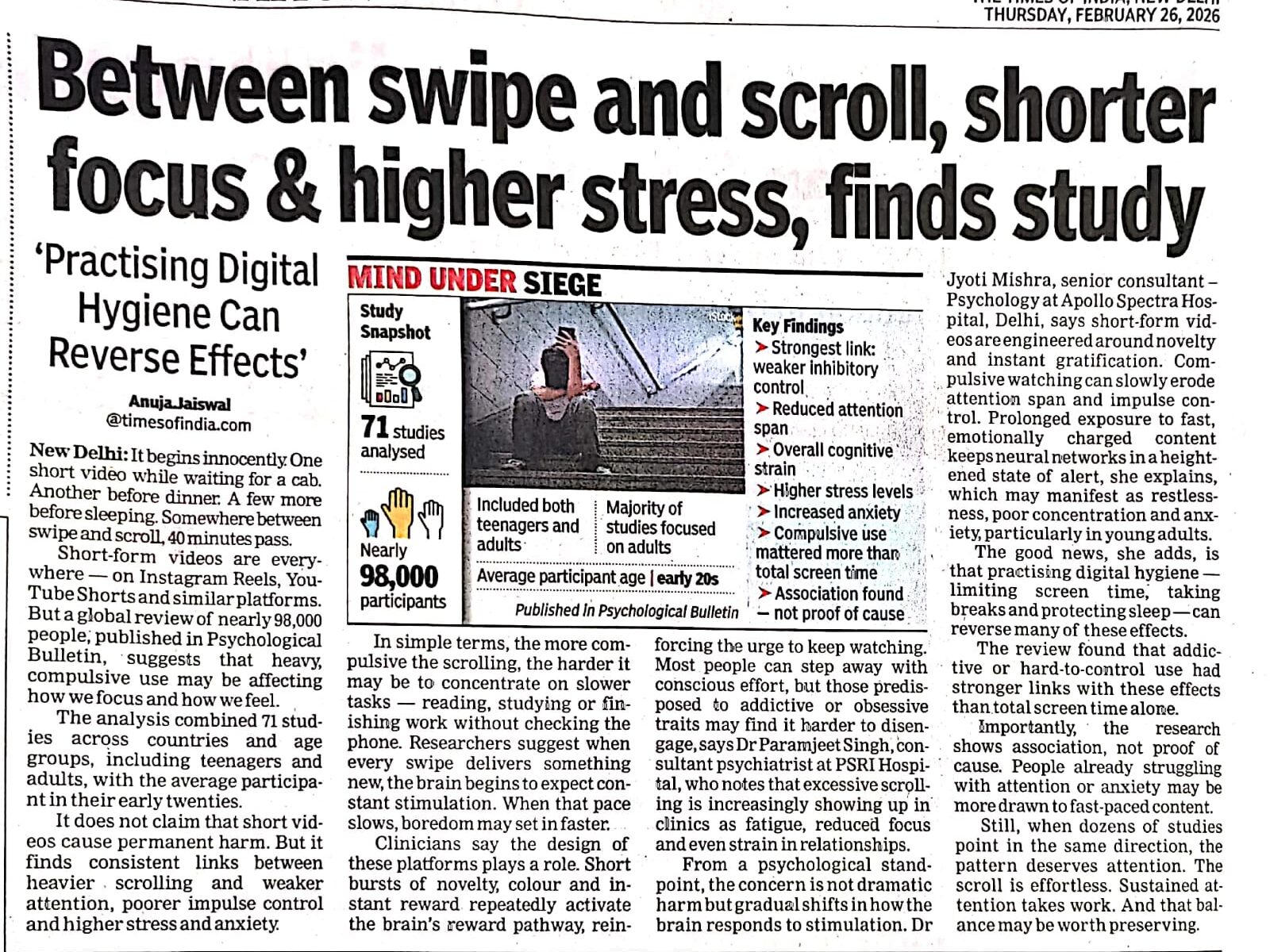
Excessive digital scrolling impacts focus and stress in subtle yet powerful ways, shaping how the brain processes information, regulates emotions, and sustains attention in daily life. In an era dominated by short-form videos, rapid notifications, and endless content feeds, the mind is constantly exposed to fast-paced stimulation that can gradually reduce the ability to concentrate on slower, more meaningful tasks. When individuals frequently switch between pieces of content within seconds, the brain adapts by expecting novelty and instant rewards, making sustained attention feel more effortful and less engaging over time. This shift does not happen overnight; rather, it develops gradually as repeated exposure conditions the brain to operate in quick bursts of engagement rather than deep, focused thinking.
Impacts Focus and Stress
Below are nine practical and compassionate strategies to help you gradually overcome fear of heights and improve emotional resilience.
If you need professional support, consulting the best psychiatrist in Delhi can provide valuable insights and personalized strategies. Consider Visiting:
One of the most noticeable ways excessive scrolling impacts focus and stress is through reduced attention span. Continuous exposure to rapidly changing visuals and information trains the mind to seek constant stimulation. As a result, activities such as reading long articles, completing work projects, or studying complex topics may begin to feel mentally exhausting. The brain becomes accustomed to quick transitions, which can lead to frequent task-switching and difficulty maintaining concentration for extended periods. Over time, this pattern may create frustration and lower productivity, as individuals struggle to remain fully engaged in tasks that require patience and sustained cognitive effort.
The emotional consequences are equally significant. Constant scrolling can keep the brain in a heightened state of alertness, as each new piece of content demands quick processing and emotional response. This repeated activation of alertness may contribute to ongoing feelings of restlessness, irritability, and mental fatigue. When the mind rarely experiences moments of quiet reflection, the body’s natural relaxation mechanisms may become less effective, leading to increased stress levels even during routine daily activities. The cycle often continues as individuals turn back to scrolling as a way to distract themselves from stress, unintentionally reinforcing the very habit that contributes to mental overload.
Another important factor is cognitive strain. Processing a continuous stream of new information requires rapid mental adjustments, which can deplete cognitive resources over time. This mental fatigue may manifest as forgetfulness, slower decision-making, or a sense of mental fog after prolonged screen use. Although each individual interaction with digital content seems harmless, the cumulative effect of hundreds of quick interactions throughout the day can significantly tax the brain’s processing capacity. This strain may also affect creativity and problem-solving, as the mind has fewer opportunities to engage in deep, uninterrupted thought.
Excessive scrolling also impacts emotional regulation. Many forms of digital content are designed to provoke strong reactions, whether excitement, surprise, or concern. Constant exposure to emotionally charged material can heighten sensitivity to stress and make mood fluctuations more frequent. Individuals may notice feeling anxious, overwhelmed, or dissatisfied after extended scrolling sessions, even when they initially turned to their devices for relaxation or entertainment. Over time, this emotional roller coaster can contribute to chronic stress and reduced overall well-being.
The habit of compulsive scrolling further intensifies these effects. When individuals feel compelled to check their phones repeatedly or continue scrolling longer than intended, it may indicate difficulty with impulse control. This pattern not only disrupts focus but also reinforces stress, as unfinished tasks and unmet responsibilities accumulate. The mind remains divided between digital engagement and real-life obligations, making it harder to feel fully present in either space. This constant mental division can weaken concentration and increase feelings of pressure and dissatisfaction.
Sleep patterns are another area where scrolling significantly impacts focus and stress. Using digital devices late at night exposes the brain to stimulating content and artificial light, which can interfere with the body’s natural wind-down process. Poor sleep quality reduces mental clarity, weakens attention span, and heightens emotional reactivity the following day. In this way, excessive scrolling can create a cycle in which reduced sleep leads to lower focus, and lower focus increases reliance on quick, stimulating content to maintain alertness.
stress and anger management
For more insights on how digital habits influence mental health, refer to the guidance by the Centers for Disease Control and Prevention.
Despite these challenges, awareness is a powerful first step toward change. Recognizing how digital habits influence attention and emotional balance allows individuals to make intentional adjustments. Setting boundaries around screen use, taking regular breaks, and engaging in offline activities that require sustained focus can gradually retrain the brain. Practices such as mindfulness, reading, creative hobbies, and physical movement encourage deeper engagement and help restore cognitive resilience.
best psychiatrist in delhi
Ultimately, understanding how excessive scrolling impacts focus and stress highlights the importance of balance rather than avoidance. Digital platforms offer valuable information and connection, but mindful consumption is essential for protecting mental clarity and emotional stability. By cultivating healthier digital routines and allowing the mind regular periods of rest and reflection, individuals can strengthen attention span, reduce stress, and maintain a more focused and balanced approach to everyday life.