For general questions, please send us a message and we’ll get right back to you. You can also call us directly to speak with a member of our service team or insurance expert.
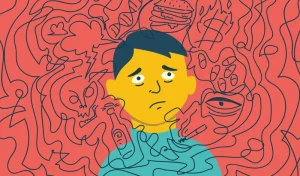
Chronic depression is a serious mental health condition that affects millions of people worldwide. Also known as persistent depressive disorder (PDD), this long-term form of depression can significantly impact one’s quality of life, relationships, and ability to function daily. While often misunderstood or overlooked, understanding chronic depression is the first step toward managing it effectively.
In this article, we’ll explore seven crucial facts about chronic depression, helping you recognize its signs and understand how to support those affected by it.
chronic depression
If you need professional support, consulting the best psychiatrist in Delhi can provide valuable insights and personalized strategies for Depression, Consider Visiting:
Unlike occasional sadness or short-term depressive episodes, chronic depression is defined by its duration. According to the National Institute of Mental Health (NIMH), symptoms must persist for at least two years in adults (or one year in children and adolescents) for a diagnosis of persistent depressive disorder. This long-lasting nature makes chronic depression particularly challenging, as it often becomes a part of a person’s daily experience.
2. Symptoms Can Be Subtle but Pervasive
People living with chronic depression may not always appear deeply sad or emotionally distressed. Instead, symptoms can be more subtle and include:
Low energy or fatigue
Feelings of hopelessness
Low self-esteem
Trouble concentrating
Irritability or anger
Poor appetite or overeating
Sleep disturbances
These symptoms may wax and wane but rarely disappear completely. Over time, they can affect physical health, job performance, and interpersonal relationships.
3. It’s Often Misdiagnosed or Undiagnosed
Due to its subtle and ongoing nature, chronic depression can often go unnoticed. People may mistake the condition for personality traits—believing they are just “pessimistic” or “lazy”—rather than recognizing it as a treatable mental health condition. In some cases, even healthcare professionals may miss the diagnosis unless a detailed mental health history is taken.
If you or someone you know has felt “down” or “off” for an extended period, it’s important to consult with a qualified mental health provider.
4. Chronic Depression Differs from Major Depression
While chronic depression shares many symptoms with major depressive disorder (MDD), the key difference lies in duration and severity. MDD tends to occur in episodes with intense symptoms that may resolve over time. Chronic depression, on the other hand, involves less severe but longer-lasting symptoms. Some individuals may experience both conditions simultaneously, a state known as “double depression.”
Understanding these differences is critical for developing the right treatment plan and support system.
signs of depression and anxiety
5. Risk Factors Include Genetics, Environment, and Life Events
Chronic depression doesn’t arise from a single cause. It often results from a combination of genetic vulnerability, environmental stressors, and life experiences. Common risk factors include:
A family history of depression or other mental health conditions
Childhood trauma or neglect
Ongoing stress at work, school, or home
Isolation or lack of social support
Certain personality traits, such as low self-esteem or excessive dependence
6. Lifestyle Adjustments Can Offer Relief
Managing chronic depression often requires a holistic approach. While professional therapy is a cornerstone of support, individuals can also benefit from:
Regular physical activity
Healthy sleep hygiene
Stress-reduction techniques like mindfulness or journaling
Maintaining a daily routine
Seeking emotional support from trusted friends and family
These small, consistent efforts can gradually improve mood and resilience, though results may vary from person to person.
7. Psychiatrists and Medical Support Play a Vital Role
When managing chronic depression, consulting a psychiatrist can be a crucial step. Psychiatrists are medical doctors specializing in mental health who can assess, diagnose, and develop a comprehensive treatment plan tailored to an individual’s needs. In many cases, they may recommend a combination of psychotherapy and medical interventions. Regular follow-ups with a psychiatrist can help monitor progress, manage symptoms, and adjust the treatment approach over time.
Conclusion: Raising Awareness and Reducing Stigma
Chronic depression is not just “feeling blue.” It’s a complex and enduring condition that deserves compassion, attention, and proper care. By understanding the nature of chronic depression, recognizing its signs, and encouraging open dialogue, we can help reduce the stigma and guide more people toward the help they need.
If you or someone you know may be living with chronic depression, don’t hesitate to reach out to a trusted healthcare provider. Support is available—and no one has to face it alone.
Depression is a common mental health condition, but when it becomes severe, it can drastically affect a person’s ability to function. Recognizing the signs of severe depression is crucial for timely intervention and support. This guide outlines the major red flags to look out for signs of severe depression and offers insight into how serious depression can manifest in everyday life.
signs of severe depression
If you need professional support, consulting the best psychiatrist in Delhi can provide valuable insights and personalized strategies for Depression, Consider Visiting:
1. Persistent Feelings of Hopelessness or Emptiness
One of the signs of severe depression is a constant, overwhelming sense of hopelessness. Individuals may feel like there is no way forward or that things will never get better. This emotional state is more than just sadness; it’s a profound and enduring despair that can leave a person emotionally numb or empty.
2. Social Withdrawal and Isolation
People suffering from severe depression often begin to withdraw from social interactions, even with close friends and family. They may cancel plans, avoid phone calls, or become increasingly reclusive. This isolation can worsen the condition, creating a cycle of loneliness and deepening depressive symptoms.
3. Extreme Fatigue and Loss of Energy
Chronic fatigue that does not improve with rest is another common symptom. In Signs of severe depression Individuals may feel physically drained even after a full night’s sleep. This constant exhaustion affects their ability to perform daily activities and may lead to a decrease in productivity at work or school.
4. Noticeable Changes in Appetite and Weight
Severe depression can cause significant shifts in eating habits. Some individuals may overeat, turning to food for comfort, while others may lose interest in eating altogether. These changes can lead to noticeable weight gain or loss in a short period, which may also signal declining physical health.
prenatal depression
5. Difficulty Concentrating and Making Decisions
Depression doesn’t only affect mood—it also impairs cognitive functions. A person might struggle to concentrate, follow conversations, or make even simple decisions. This mental fog can interfere with work performance and make routine tasks feel overwhelming.
6. Feelings of Worthlessness or Excessive Guilt
A strong sense of self-blame or guilt is frequently reported in severe depression. Individuals may fixate on past failures or perceive themselves as a burden to others. These negative self-evaluations can become all-consuming and lead to a deep sense of unworthiness.
7. Thoughts of Death or Suicide
Perhaps the most urgent and dangerous sign of severe depression is the presence of suicidal thoughts. This can range from passive thoughts like “I wish I wasn’t here” to more active planning or intent. Any mention of suicide should always be taken seriously and addressed immediately.
When to Seek Professional Help
Severe depression is not a condition that should be managed alone. If any of the signs of severe depression listed above persist for more than two weeks or interfere significantly with daily life, professional mental health support is essential. A trained mental health provider can offer evaluation, support, and personalized treatment plans.
If you’re worried that a friend or family member may be experiencing severe depression, reach out to them with compassion. Encourage open conversation, listen without judgment, and help them connect with a mental health professional. Your support can be a vital part of their recovery process.
Final Thoughts
Signs of severe depression can affect anyone, regardless of age, background, or lifestyle. By recognizing the signs of severe depression early, we can take meaningful steps to ensure that those struggling receive the care and support they need. Always remember that seeking help is a sign of strength, not weakness.
Depression is more than just sadness—it’s a complex mental health condition that can deeply impact how a person feels, thinks, and behaves. While mild depressive episodes may improve over time, severe depression symptoms often persist and interfere significantly with daily functioning. Recognizing these warning signs early can make a vital difference in seeking help and improving quality of life.
severe depression symptoms
Below are the seven most common and critical severe depression symptoms, explained with compassion and clarity.
If you need professional support, consulting the best psychiatrist in Delhi can provide valuable insights and personalized strategies for Depression, Consider Visiting:
While it’s natural to feel sad occasionally, severe depression symptoms brings a deep, unshakable sadness that doesn’t go away with time or distraction. This emotional heaviness may last for weeks or months and is often accompanied by hopelessness and despair. Individuals may describe this as feeling “empty” or “numb,” even when engaging in activities they once enjoyed.
2. Loss of Interest in Daily Activities
A hallmark sign of severe depression is anhedonia—the loss of interest or pleasure in almost all activities. This includes hobbies, work, relationships, or social events. Someone experiencing this symptom may withdraw from friends and family, avoid responsibilities, or feel disconnected from the world around them.
3. Significant Changes in Sleep Patterns
Severe depression often affects sleep in two opposite ways. Some individuals may experience insomnia, lying awake for hours or waking up too early, while others may have hypersomnia, sleeping excessively but still feeling tired. Either pattern, especially if it’s prolonged, is a strong indicator that emotional well-being is suffering.
4. Fatigue and Decreased Energy
People with severe depression frequently report overwhelming fatigue, even after adequate rest. This lack of energy can make simple tasks—like showering, getting dressed, or preparing meals—feel exhausting. The body may feel heavy, and mental fog can set in, making concentration and decision-making difficult.
5. Feelings of Worthlessness or Excessive Guilt
Severe depression often triggers a harsh inner critic. Individuals may blame themselves unnecessarily or feel like a burden to others. These thoughts are more than fleeting self-doubt; they are persistent and often irrational feelings that affect self-esteem and relationships. This can lead to emotional isolation and deepen the depressive episode.
bipolar signs
6. Noticeable Changes in Appetite or Weight
Another common symptom of severe depression symptoms is a dramatic increase or decrease in appetite, which leads to noticeable weight loss or gain. People may overeat as a coping mechanism or completely lose interest in food. These changes are often unconscious and stem from emotional turmoil rather than lifestyle or dietary choices.
7. Thoughts of Death or Suicide
This is the most critical and alarming symptom. severe depression symptoms can cause individuals to feel that life is no longer worth living. Suicidal ideation can range from fleeting thoughts to detailed planning. If you or someone you know is expressing such thoughts, immediate support is crucial.
The Role of Medication and Psychiatrists
Psychiatrists play a crucial role in diagnosing and managing severe depression. As licensed medical professionals specializing in mental health, they assess the individual’s symptoms, history, and overall functioning to provide a comprehensive treatment plan. In many cases, psychiatrists may recommend a combination of psychotherapy and medication to help stabilize mood and reduce the intensity of depressive symptoms.
When to Seek Help
If you recognize any of the severe depression symptoms above—especially more than one lasting for two weeks or longer—it’s essential to speak with a licensed mental health professional. Early intervention leads to better outcomes and reduces the risk of complications such as social withdrawal or suicidal behavior.
For more insights and resources, visit trusted organizations like:
Severe depression symptoms are not a sign of weakness or failure. They are real, often life-altering challenges that require compassion, understanding, and timely support. If you or someone you care about is struggling, know that help is available and recovery is possible. Mental health is just as important as physical health—and seeking help is a sign of strength, not defeat.
Bipolar disorder is a complex mental health condition characterized by extreme mood swings, ranging from emotional highs (mania or hypomania) to lows (depression). These shifts can significantly affect a person’s daily functioning, relationships, and overall well-being. Early recognition of bipolar signs is essential for effective management and support. In this post, we’ll explore seven key bipolar signs, providing insight into what to look for and when to seek help.
bipolar signs
If you need professional support, consulting the best psychiatrist in Delhi can provide valuable insights and personalized strategies for Depression, Consider Visiting:
One of the most defining bipolar signs is intense and unpredictable mood changes. Individuals may experience episodes of elevated mood, energy, and activity (mania or hypomania), followed by periods of sadness, hopelessness, and withdrawal (depression). These mood episodes are often more extreme than ordinary ups and downs.
For instance, a person might feel euphoric and energetic one week and deeply fatigued and unmotivated the next. These shifts are not just emotional—they also impact thinking patterns, sleep, and behavior.
2. Periods of Unusual High Energy
During manic or hypomanic episodes, people may display unusually high levels of energy, creativity, or confidence. They might speak rapidly, jump between ideas, take on multiple tasks at once, or feel as though they don’t need sleep.
This elevated energy level is among the early signs of bipolar disorder, especially if it disrupts normal routines or leads to harmful outcomes.
3. Impulsive or Risky Behavior
Another classic bipolar sign is engaging in impulsive or reckless actions without fully considering the consequences. This may include excessive spending, risky sexual behavior, dangerous driving, or sudden job resignations.
These actions are typical during manic phases, where individuals may feel invincible. Recognizing this pattern early can be vital in seeking help and preventing serious consequences.
4. Difficulty Maintaining Relationships
Unpredictable behavior and mood changes—central bipolar signs—can take a toll on personal and professional relationships. During depressive periods, a person may become withdrawn, while during manic episodes, they may seem irritable, overly talkative, or impulsive.
These fluctuations can confuse and distress loved ones. Understanding these signs of bipolar disorder can foster empathy and guide better communication.
bipolar signs
5. Changes in Sleep Patterns
Sleep disturbances are often overlooked but are significant bipolar signs. During manic phases, individuals often require very little sleep without feeling tired. Conversely, depressive episodes can bring about insomnia or hypersomnia (excessive sleep).
These shifts in sleep behavior are more than occasional sleepless nights—they often follow a pattern aligned with mood changes.
6. Persistent Sadness or Hopelessness
Prolonged depressive episodes may resemble clinical depression and are critical signs of bipolar disorder. These include feelings of hopelessness, low energy, loss of interest in once-enjoyed activities, and emotional numbness.
These symptoms are not fleeting and often interfere with basic daily tasks. Recognizing this emotional depth is key in understanding the disorder’s impact.
7. Difficulty Focusing or Making Decisions
Cognitive impairment is a lesser-known but important bipolar sign. Individuals may struggle with memory, decision-making, or concentration—especially during extreme mood episodes.
This inability to focus can hinder personal growth and professional performance, further contributing to emotional distress.
When to Seek Help
Identifying bipolar signs early enables individuals and their loved ones to seek appropriate support. Bipolar disorder is a manageable condition when properly addressed through clinical evaluation and ongoing care.
If you notice multiple signs mentioned here, consult a mental health professional for a formal assessment. For more information, explore these reliable resources:
Bipolar signs can sometimes be misinterpreted as personality traits or temporary moodiness. However, when these symptoms persist or intensify, it’s important not to ignore them. Recognizing early signs of bipolar disorder can help prevent more severe episodes and lead to effective coping strategies.
Whether it’s erratic sleep patterns, mood shifts, or impulsive behavior, staying informed is the first step to supporting yourself or a loved one. With compassion, understanding, and professional care, living a balanced life with bipolar disorder is entirely possible.
Pregnancy is often portrayed as a joyful journey, but for many women, it can also bring emotional challenges. One such challenge is prenatal depression—a serious mental health condition that affects women during pregnancy. Despite its prevalence, prenatal depression is often misunderstood or overlooked. Understanding its signs, risk factors, and the importance of early support is crucial for the well-being of both mother and baby.
prenatal depression
Here are seven essential facts about prenatal depression that every expecting parent should know.
If you need professional support, consulting the best psychiatrist in Delhi can provide valuable insights and personalized strategies for Depression, Consider Visiting:
Prenatal depression, also known as antenatal depression, is a form of clinical depression that occurs during pregnancy. It involves more than just mood swings or occasional sadness. Women with prenatal depression experience persistent feelings of sadness, anxiety, and hopelessness, which can interfere with their ability to function and care for themselves or their unborn baby.
2. Recognizing the Symptoms
The symptoms of prenatal depression can vary but typically include:
Persistent sadness or low mood
Excessive worry or anxiety, especially about the baby
Fatigue and sleep disturbances
Loss of interest in previously enjoyed activities
Difficulty concentrating
Changes in appetite
Feelings of guilt, worthlessness, or hopelessness
It’s important to note that some of these symptoms can overlap with normal pregnancy experiences. However, when they persist and interfere with daily life, it’s time to seek help.
3. Risk Factors You Should Know
Several factors can increase the likelihood of developing prenatal depression:
Personal or family history of depression or anxiety
Lack of emotional support from a partner, family, or friends
Financial stress or housing instability
Unplanned or high-risk pregnancy
History of abuse or trauma
Being aware of these risk factors can help expecting parents take proactive steps to monitor their mental well-being during pregnancy.
prenatal depression
4. The Impact on Baby and Mother
Prenatal depression doesn’t just affect the mother—it can also influence the unborn child. Studies have shown that untreated depression during pregnancy may lead to:
Poor prenatal care
Premature birth or low birth weight
Developmental challenges in infancy
The National Institute of Mental Health (NIMH) emphasizes the importance of early intervention to support both maternal mental health and infant development. NIMH – Perinatal Depression
5. Importance of Early Screening
Routine screening for prenatal depression is becoming more common in obstetric care. Tools like the Edinburgh Postnatal Depression Scale (EPDS) help healthcare providers identify early signs of depression.
Expecting mothers should not hesitate to talk openly with their doctors about emotional challenges. Screening and honest conversations can make a significant difference in recognizing and addressing prenatal depression early on.
6. Effective Non-Medical Support Strategies
There are several approaches to support mental health during pregnancy, including:
Therapy and Counseling: Cognitive-behavioral therapy (CBT) and interpersonal therapy (IPT) are proven to be effective.
Social Support: Connecting with support groups or maternal health communities can provide relief and understanding.
Lifestyle Adjustments: Gentle physical activity, a nutritious diet, and adequate rest are essential for emotional well-being.
Mindfulness Practices: Techniques such as meditation, breathing exercises, and journaling can reduce stress and promote calmness.
7. Seeking Help Is a Sign of Strength
One of the biggest barriers to addressing prenatal depression is the stigma associated with mental health. Many women feel pressure to appear happy during pregnancy and may hide their struggles. But acknowledging emotional challenges and seeking support is not a weakness—it’s a vital act of self-care.
Loved ones can play a pivotal role by offering a non-judgmental space to talk and encouraging professional support when needed.
Professional help and the role of a psychiatrist
When dealing with prenatal depression, consulting a mental health professional—especially a psychiatrist—can be crucial. Psychiatrists are trained to assess the severity of emotional symptoms and provide tailored treatment plans based on individual needs and pregnancy considerations. Their support may involve talk therapy, lifestyle guidance, and coordination with obstetricians to ensure the mother’s mental and physical well-being is closely monitored throughout the pregnancy. With compassionate and professional care, many women find meaningful relief and support, allowing them to focus on a healthy and empowered pregnancy journey.
Conclusion
Prenatal depression is a significant but manageable condition. By understanding the symptoms, identifying risk factors, and encouraging timely support, expecting mothers and their families can navigate this journey with greater resilience and care. Emotional wellness is just as important as physical health during pregnancy—and no one should have to face it alone.
In a thought-provoking segment on NDTV India’s
show Do Dooni Chaar, Dr. Sugandha Gupta, consultant psychiatrist at Delhi Mind Clinic, shed light on the growing emotional turmoil in modern relationships. The episode titled “पति, पत्नी और वो का खौफनाक दौर” explored why marriages are increasingly strained in today’s fast-paced world.
dr usgandha gupta live on ndtvdr usgandha gupta live on ndtv
Dr. Gupta highlighted that beyond external temptations, it is emotional disconnect, lack of communication, and unaddressed mental health issues that silently erode the foundation of relationships. As societal pressures rise and individual stressors grow, partners often fail to express their needs or seek help in time.
Best lady Psychiatrist in delhi
She emphasized the need for timely counseling, open dialogue, and empathy to rebuild trust and emotional intimacy. Mental health support is not just about individuals—it’s crucial for maintaining healthy bonds between couples.