Book Appointment
  • 7A/67, West Extension Area Karol Bagh, New Delhi   | हिंदी में पढ़ें
  • 91-78-3838-7944
  • contact@delhimindclinic.com
  • Appointment
Best Psychiatrist in Delhi
  • Home
  • About us
    • Clinic
  • Our Specialists
    • Dr. Paramjeet Singh
      Senior Neuropsychiatrist
    • Dr. Sugandha Gupta
      Senior Psychiatrist
    • Mrs. Nikita Jain
      Clinical Psychologist
    • Mrs. Tamanna Kharb
      Clinical Psychologist
    • Mrs. Pooja Sharma
      Clinical Psychologist
  • Our Services
    • Bipolar Disorder Treatment
    • Depression Treatment
    • Schizophrenia Treatment
    • OCD Treatment
    • Panic Disorder Treatment
    • Psychosexual Disorders Treatment
    • ADHD Treatment
    • Addiction Disorder Treatment
    • Autism Treatment
    • Mental Retardation Services
    • Specific Learning Disorder Services
  • Information
    • Symptoms & Treatment
      • Depression
      • Schizophrenia
      • Bipolar Disorder
      • Anxiety Disorders
      • Obsessive Compulsive Disorder
      • Addictions
      • Psychosexual Disorders – ED
      • Psychosexual Disorders -Premature Ejaculation
      • Autism
      • Attention Deficit Hyperactivity Disorder (ADHD)
    • A Comprehensive Guide to Understanding Common Psychiatric Disorders
    • Self assessment questionnaires
    • Frequently asked questions
  • News & Blog
    • Blog
    • Gallery
    • Events & Media
    • Facebook Feed
    • Youtube Feed
    • Quora Feeds
      • Dr. Paramjeet @ Quora
      • Dr. Sugandha @ Quora
  • Contact Us
Location
Working Time
Working Time
Mon-Sat Morning 09:30 AM – 01:30PM
Mon-Sat Morning 05:00 PM – 08:00 PM
Assistance For Appointment

For general questions, please send us a message and we’ll get right back to you. You can also call us directly to speak with a member of our service team or insurance expert.

  • +91-78-3838-7944
  • contact@delhimindclinic.com
Contact Us
+
HomeNews & Blog

News & Blog

24Aug

Dr. Sugandha Gupta Discusses Urgent Safety Measures for Doctors on India News’ Desh Ka Sawal

by Aman Khan

On August 21, 2024, Dr. Sugandha Gupta, a distinguished Delhi-based psychiatrist, appeared on India News “Desh Ka Sawal.”

Dr. Sugandha Gupta Highlights Medical Safety on India News' Desh Ka Sawal

Dr. Sugandha Gupta Highlights Medical Safety on India News' Desh Ka Sawal

During her appearance, Dr. Gupta addressed pressing issues related to the safety of medical professionals. She explored recent incidents and shared her recommendations for enhancing security and support for doctors, emphasizing the critical need for effective safety measures and protective systems in the healthcare industry.

24Aug

Dr. Sugandha Gupta on NewsX Live | Enhancing Safety for Healthcare Professionals

by Aman Khan

On August 20, 2024, Dr. Sugandha Gupta

Dr. Sugandha Gupta on NewsX Live Dr. Sugandha Gupta on NewsX Live

A leading psychiatrist in Delhi, appeared on NewsX Live to discuss critical safety issues for healthcare professionals. In her segment, Dr. Gupta highlighted key strategies for improving safety measures in the medical field, focusing on ensuring a secure working environment for doctors in light of recent events in Kolkata.

24Aug

5 Key Steps to Understanding and Managing OCD Diagnosis

by Aman Khan

OCD Diagnosis: A Comprehensive Guide

Obsessive-Compulsive Disorder (OCD) is a mental health condition characterized by persistent, intrusive thoughts (obsessions) and repetitive behaviors (compulsions). These behaviors are not just simple habits but are performed in response to distressing thoughts or urges, often leading to significant impairment in daily functioning.

An accurate diagnosis is crucial for effective treatment and management, as early detection can prevent the condition from worsening. For more information, visit Delhi Mind Clinic.
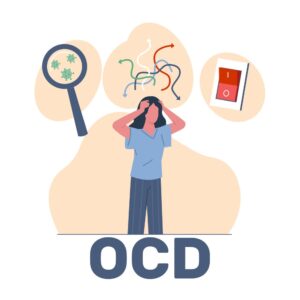
OCD DiagnosisThe Diagnostic Criteria for OCD

The diagnosis of OCD typically follows the guidelines outlined in the Diagnostic and Statistical Manual of Mental Disorders (DSM-5), a standard reference used by mental health professionals worldwide. To be diagnosed with OCD, an individual must exhibit:

Obsessions: These are recurrent, persistent, and unwanted thoughts, urges, or images that cause significant anxiety or distress. Common obsessions include fears of contamination, causing harm to others, doubts about safety, or a need for symmetry.

Compulsions: These are repetitive behaviors (e.g., handwashing, checking) or mental acts (e.g., counting, praying) performed in response to an obsession. The purpose of these compulsions is to reduce anxiety or prevent a feared event. However, these actions are often excessive or not realistically connected to the feared outcome.

Time Consumption: The obsessions and compulsions must be time-consuming (taking more than an hour per day) or cause significant distress or impairment in social, occupational, or other important areas of functioning.

Exclusion of Other Disorders: The symptoms must not be due to the effects of a substance (e.g., drug abuse, medication) or another medical condition. Additionally, the symptoms should not be better explained by another mental disorder, such as generalized anxiety disorder or hoarding disorder.

The Diagnostic Process

Diagnosing OCD involves a comprehensive evaluation by a mental health professional, usually a psychiatrist or psychologist. The process often includes:

Clinical Interviews: The clinician will conduct detailed interviews to understand the nature, frequency, and impact of the obsessions and compulsions. This process includes exploring the patient’s history, including any previous mental health issues, family history of mental illness, and any significant life events that may have triggered or worsened the symptoms.

Psychometric Assessments: Standardized questionnaires and rating scales, such as the Yale-Brown Obsessive-Compulsive Scale (Y-BOCS), are commonly used to quantify the severity of symptoms and guide treatment planning. These tools help in assessing the degree of impairment caused by OCD and can track changes in symptoms over time.

Differential Diagnosis: It’s essential to rule out other conditions that may present with similar symptoms, such as Generalized Anxiety Disorder (GAD) or Body Dysmorphic Disorder (BDD). For example, while both OCD and BDD involve obsessions, BDD’s focus is specifically on perceived flaws in physical appearance, whereas OCD obsessions can be more varied.

Functional Impact Assessment: Beyond identifying symptoms, mental health professionals assess how OCD affects the patient’s daily life. This includes evaluating how the disorder impacts work, relationships, self-care, and overall quality of life. Understanding this impact is crucial in developing an effective treatment plan.

The Importance of Early Diagnosis

Early diagnosis and intervention are vital in managing OCD effectively. Without treatment, OCD can become chronic and debilitating, significantly impairing a person’s quality of life. OCD often leads to avoidance behaviors, social isolation, and difficulties at work or school.

Early detection allows for timely treatment, which may include Cognitive Behavioral Therapy (CBT), particularly Exposure and Response Prevention (ERP). For more information, visit the International OCD Foundation.

Living with an OCD Diagnosis

Receiving an OCD diagnosis can be overwhelming, but it is also the first step toward recovery. With appropriate treatment, many individuals with OCD can lead fulfilling lives. It’s important to seek support from mental health professionals, support groups, and loved ones.

Education about the disorder can also empower individuals to take an active role in their treatment. In addition, self-help strategies, such as mindfulness and stress management techniques, can complement professional treatment. For those seeking treatment, consider visiting:

  • Dr. Sugandha Gupta
  • Dr. Paramjeet Singh

Conclusion

Understanding the diagnosis of OCD is crucial for those who may be experiencing symptoms or know someone who is. By recognizing the signs and seeking help early, individuals with OCD can manage their condition and improve their overall well-being.

Effective diagnosis and treatment can lead to significant improvements, enabling individuals to regain control over their lives. This comprehensive approach to understanding OCD diagnosis underscores the importance of awareness, early intervention, and the value of professional guidance in managing this complex disorder.


23Aug

Yes, Boys Do and Can Cry: 5 Powerful Insights from Gus Walz’s Heartfelt Moment

by Aman Khan

A Father’s Love on Display: The Heartfelt Moment of Gus Walz

Yes, Boys Do and Can Cry: The Viral Moment of Gus Walz

On August 21, 2024, at the Democratic National Convention (DNC), 17-year-old Gus Walz, son of Minnesota Governor Tim Walz, captured hearts globally with his tearful reaction during his father’s speech. His emotional display highlighted a crucial point: boys can and do cry. For more details, read the full article at USAToday.

Yes, Boys Do and Can Cry

The convention, held at Chicago’s United Center, featured Tim Walz sharing a personal story about his family’s struggles with fertility treatments. Gus, who has a nonverbal learning disorder, anxiety, and ADHD, was moved to tears and shouted, “I love you, Dad!” His genuine display of affection quickly went viral.

The footage of Gus’s response resonated with many, showcasing a heartfelt family moment. Fox News highlighted Gus on their TikTok page, and positive comments reflected appreciation for the father-son bond.


However, Gus’s emotional display also faced backlash, highlighting societal issues where boys are often discouraged from expressing emotions. This backlash underscores the need for breaking down these outdated stereotypes.

The Importance of Emotional Expression

Gus Walz’s tears remind us that crying is a natural human response and not a sign of weakness. Societal norms often impose restrictive ideas on boys, but allowing them to express their emotions promotes better mental health and resilience.

Breaking the Stigma

The negative responses to Gus’s display highlight the need to break societal barriers that prevent emotional expression. Creating supportive environments for boys to express their feelings is crucial for emotional well-being.

Conclusion

Gus Walz’s emotional moment at the DNC is a powerful reminder that crying is a natural way to communicate deep feelings. Embracing and supporting emotional experiences is key to fostering a compassionate and inclusive world.

Understanding that “Yes, boys do and can cry” is not just about acknowledging their feelings but also about creating a supportive space for everyone to express themselves freely. It’s time to celebrate and validate the emotional lives of all individuals, breaking down barriers and fostering a culture of empathy and support.

For more information on mental health and emotional well-being, visit Delhi Mind Clinic.

Read our other Blogs

  • Autism
  • Panic Disorder
23Aug

Panic Disorder Meaning: Understand and Overcome It

by Aman Khan

Panic Disorder Meaning

Panic disorder is a serious mental health condition classified as an anxiety disorder. Understanding the panic disorder meaning is essential for recognizing the symptoms and seeking appropriate treatment.

Panic Disorder Meaning: Understand and Overcome ItPanic disorder is characterized by sudden and repeated episodes of intense fear or discomfort, known as panic attacks. These attacks can occur unexpectedly or be triggered by specific situations.
During a panic attack, individuals often experience overwhelming physical and emotional symptoms. These include a racing heart, shortness of breath, dizziness, trembling, and a fear of losing control or dying. These symptoms can be so severe that they mimic life-threatening conditions, leading many to seek emergency medical help.

However, they may find that their symptoms are related to the panic disorder meaning they may not have understood initially. For a better understanding, visit Delhi Mind Clinic.

For more comprehensive information on panic disorder, refer to the National Institute of Mental Health (NIMH) for additional resources and guidance.

The exact cause of panic disorder is not fully understood, but research suggests it is due to a combination of genetic, biological, environmental, and psychological factors.

Some potential causes and risk factors include:

  • Genetics: Individuals with a family history of panic disorder or other anxiety disorders are more likely to develop the condition, suggesting a genetic predisposition.
  • Brain Chemistry: Imbalances in neurotransmitters, which regulate mood and stress responses, may play a role in the development of panic disorder.
  • Stressful Life Events: Traumatic or highly stressful events, such as the death of a loved one, a major life transition (e.g., divorce or job loss), or a history of abuse, can trigger the onset of panic disorder.
  • Personality Traits: People with certain personality traits, such as being highly sensitive to stress or having a tendency to worry excessively, may be at higher risk of developing panic disorder.
  • Substance Use: The use or withdrawal of certain substances, such as alcohol, caffeine, or drugs, can trigger panic attacks or worsen symptoms in individuals with panic disorder.

Panic attacks are the hallmark of panic disorder and typically peak within minutes. Common symptoms include:

  • Rapid heartbeat or palpitations
  • Sweating, trembling, or shaking
  • Shortness of breath or a feeling of being smothered
  • Chest pain or discomfort
  • Nausea or abdominal distress
  • Dizziness, lightheadedness, or feeling faint
  • Chills or hot flashes
  • Numbness or tingling sensations
  • A sense of unreality (derealization) or detachment from oneself (depersonalization)
  • Intense fear of losing control, “going crazy,” or dying

These symptoms can be so intense that they interfere with daily life. This can lead individuals to avoid situations where they fear an attack might occur. This avoidance can severely impact social interactions, work, and overall quality of life. Therefore, it’s important to fully grasp the panic disorder meaning and how it affects everyday life.

Panic disorder is diagnosed by a mental health professional based on the frequency and severity of panic attacks, as well as the individual’s fear of future attacks. It is important to rule out other medical conditions that could cause similar symptoms, such as heart disease, respiratory disorders, or thyroid problems.

Treatment for panic disorder typically involves a combination of psychotherapy and lifestyle changes:

  • Psychotherapy: Cognitive-behavioral therapy (CBT) is the most effective form of psychotherapy for panic disorder. CBT helps individuals identify and change the negative thought patterns and behaviors that contribute to panic attacks. Through CBT, patients learn coping strategies and relaxation techniques to manage anxiety and reduce the frequency and intensity of panic attacks, further clarifying the panic disorder meaning for those affected.
  • Lifestyle Changes: Incorporating stress management techniques, such as regular exercise, mindfulness meditation, and a healthy diet, can also help manage panic disorder. Reducing caffeine and alcohol intake, quitting smoking, and getting adequate sleep are essential steps in managing symptoms.

Living with panic disorder can be challenging, but with proper treatment and support, individuals can manage their symptoms and lead fulfilling lives. It’s important to remember that panic disorder is a treatable condition, and seeking help is the first step toward recovery.

If you or someone you know is experiencing symptoms of panic disorder, reaching out to a mental health professional can make a significant difference. Understanding the panic disorder meaning and its implications can empower individuals to take control of their health and well-being.

Understanding the panic disorder meaning, its causes, and available treatments is crucial for those affected by this condition. Early intervention and appropriate treatment can significantly improve the quality of life for individuals with panic disorder. It helps them regain control and reduce the fear of future attacks. By fully understanding the panic disorder meaning, individuals can take the necessary steps toward recovery and a better quality of life.

Let’s learn about OCD.

21Aug

OCD Medication: A Comprehensive Guide

by Aman Khan

7 Essential Facts About OCD Medication: Effective Treatments for Better Mental Health

Discover essential facts about OCD medication and how it can transform your mental health. Explore the top treatments, benefits, and considerations for managing Obsessive-Compulsive Disorder (OCD) effectively.

OCD MedicationObsessive-Compulsive Disorder (OCD) is a complex and challenging condition marked by persistent, unwanted thoughts (obsessions) and repetitive behaviors (compulsions). Effective management often requires a combination of therapy and OCD medication. This guide provides seven crucial insights into OCD medication to help you understand your treatment options and make informed decisions for improved mental health and overall well-being.

1. Types of OCD Medication and Their Benefits

OCD medications are essential for managing symptoms. The most commonly prescribed options include medications that work by increasing serotonin levels in the brain, which helps alleviate the intensity of obsessions and compulsions. Some medications may also be effective but may present a broader range of side effects. Understanding these treatments is key to choosing the right approach. For more information on these medications, visit the National Institute of Mental Health. For more information on these medications, visit the National Institute of Mental Health.

2. How OCD Medication Works

Understanding how OCD drugs function can enhance your treatment experience. These medications primarily target serotonin pathways in the brain. By boosting serotonin levels, they help reduce anxiety linked with obsessive thoughts and curb the urge to perform compulsive behaviors. Full benefits may take several weeks to manifest, so adherence to your prescribed regimen is crucial. For a more detailed overview, check out Delhi Mind Clinic. For a more detailed overview, check out Delhi Mind Clinic.

3. Potential Side Effects and Their Management

Like all medications, OCD treatments can have side effects. Common side effects may include nausea, insomnia, or sexual dysfunction, while other medications might cause dizziness, dry mouth, or constipation. These side effects are generally manageable but can be bothersome. Regular consultations with your healthcare provider are essential for monitoring and addressing any adverse effects. For additional information on managing medication side effects, visit Mayo Clinic.

4. Combining Medication with Therapy

OCD medications are often most effective when combined with Cognitive Behavioral Therapy (CBT), specifically Exposure and Response Prevention (ERP). CBT helps individuals confront and manage their obsessions and compulsions, while OCD medications can reduce symptom severity, making it easier to engage in therapy. This combined approach has shown significant long-term relief. Learn more about CBT and ERP at The Anxiety and Depression Association of America.

5. Importance of Adherence to Medication

Consistency is crucial with OCD drugs. Abruptly stopping your medication can lead to withdrawal symptoms or a resurgence of symptoms. Always follow your doctor’s instructions regarding dosage and schedule. Consult your healthcare provider if you experience any issues or side effects. Adherence is vital for achieving the best results. For tips on medication adherence, check out American Psychological Association.

6. Long-Term Use and Management

Long-term use of OCD medication may be necessary for ongoing symptom management. Regular check-ins with your healthcare provider are essential to evaluate the effectiveness of your medication and make necessary adjustments. While OCD medications can significantly reduce symptoms, they may not provide a complete cure but help manage symptoms more effectively.

7. Exploring Additional Treatment Options

In some cases, additional treatments might be considered to enhance the effectiveness of your OCD medication plan. For instance, adding certain medications can improve outcomes, especially in cases where OCD symptoms are resistant to standard treatments. Always discuss these additional treatment options with your healthcare provider to ensure they are suitable for your specific situation and to explore the best possible approaches for managing your OCD.

Conclusion

OCD medications play a crucial role in managing Obsessive-Compulsive Disorder, helping to alleviate symptoms and improve quality of life. By understanding different types of treatments, their effects, and the importance of adherence, you can make informed decisions about your therapy. Consult with a healthcare professional to find the best approach tailored to your needs. With the right medication and a comprehensive treatment plan, many individuals with OCD can achieve significant improvements in their mental health and well-being. For more insights, explore our other articles on Autism.


  • 1
  • …
  • 63
  • 64
  • 65
  • 66
  • 67
  • …
  • 122

Recent Posts

  • 10 Essential Facts About Schizophrenia Everyone Should Understand
  • 8 Important Things to Know About ADHD Testing for Adults
  • 7 Ways Social Media Is Affecting Mental Health (And How to Restore Balance)
  • 10 Effective Strategies for Getting Rid of Anger and Regaining Emotional Control
  • 7 Best Fear of Flying App Features That Can Help You Travel with Confidence
  • 9 Signs That Make You Say “I think I have depression” – What to Know and Do Next
  • 7 Key Causes of Specific Learning Disorder Delhi Parents Should Understand
  • 7 Best Online ADHD Treatment Reddit Insights You Should Know Before Choosing Help
  • 8 Expert Tips for Pediatric Anger Management Nearby That Every Parent Should Know
  • 9 Natural Remedies for Fear of Heights That Can Help You Feel More Confident

Archives

  • March 2026
  • February 2026
  • January 2026
  • December 2025
  • November 2025
  • October 2025
  • September 2025
  • August 2025
  • July 2025
  • June 2025
  • May 2025
  • April 2025
  • March 2025
  • February 2025
  • January 2025
  • December 2024
  • November 2024
  • October 2024
  • September 2024
  • August 2024
  • February 2024
  • January 2024
  • September 2023
  • August 2023
  • July 2023
  • June 2023
  • May 2023
  • April 2023
  • March 2023
  • February 2023
  • January 2023
  • December 2022
  • November 2022
  • October 2022
  • September 2022
  • August 2022
  • July 2022
  • June 2022
  • May 2022
  • March 2022
  • January 2022
  • January 2021
  • May 2020
  • April 2020
  • March 2020
  • November 2019
  • October 2019
  • September 2019
  • April 2019
  • February 2019
  • January 2019
  • October 2018
  • September 2018
  • June 2018
  • February 2018
  • January 2018
  • September 2017
  • July 2017
  • April 2017
  • October 2016
  • August 2016
  • November 2015
  • September 2015
  • November 2014

Tags

action for autism autism autism spectrum disorder meaning in hindi autism therapy autism virtual Bipolar Disorder in Hindi can autism be cured child depression Child Psychiatry Child Psychology Delhi Psychiatry Society depression Depression Management Depression Treatment Dr. Paramjeet Singh Dr. Sugandha Gupta Events first rank symptoms of schizophrenia Internet is ocd a mental illness is schizophrenia curable lifestyle diseases mental health awareness mild autism near death experience ocd ocd cleaning ocd cure ocd diagnosis ocd meaning in telugu ocd medication Paranoid Schizophrenia Symptoms regret schizophrenia stress stress management Suicide Teen Depresion web what is autism disease What is OCD Behaviour what is ocd problem what is panic disorder youth

Quick Navigation

  • Best Psychiatrist in Delhi
  • Best Psychiatrist in South Delhi
  • Best Psychiatrist in Delhi for Depression
  • Best Psychiatrist in Delhi for Bipolar Disorder
  • Best Psychiatrist in Delhi for Schizophrenia
  • Best Psychiatrist For Bipolar Disorder Near Me
  • Best Psychiatrist In Ganga Ram Hospital
  • Psychiatrist Near Me
  • Best Psychiatrist In Delhi For Anxiety
  • Psychiatrists In Delhi
  • Best Adhd Doctors In Delhi
  • Depression Counselling In Delhi
  • ADHD Disorder
  • Best Psychiatrist in Delhi
  • Best Lady Psychiatrist In Delhi

Best Psychiatrist in Delhi

best psychiatrist in delhi

Blog Posts

  • 10 Essential Facts About Schizophrenia Everyone Should Understand
  • 8 Important Things to Know About ADHD Testing for Adults
  • 7 Ways Social Media Is Affecting Mental Health (And How to Restore Balance)
  • 10 Effective Strategies for Getting Rid of Anger and Regaining Emotional Control
  • 7 Best Fear of Flying App Features That Can Help You Travel with Confidence

Our Contacts

  • 7A/67, West Extension Area Karol Bagh, New Delhi-110005
    Get directions on the map
  • +91-78-3838-7944,
    (General inquiry )
  • contact@delhimindclinic.com

Designed & Developed by Aucourant Cyberspace Private  Limited

© Copyright 2026 - Delhi Mind Clinic - Best Psychiatrist in Delhi | Aucourant Cyberspace Private Limited
Contact Support