For general questions, please send us a message and we’ll get right back to you. You can also call us directly to speak with a member of our service team or insurance expert.
Have you ever said something in the heat of the moment that you deeply regretted later? Or felt your heart race, your jaw clench, and your patience vanish within seconds? If so, you’re not alone. Anger is one of the most natural human emotions — but when it takes over, it can strain relationships, hurt your career, and take a toll on your mental and physical health.
The good news is that controlling temper is a skill, not a personality trait. Just like any skill, controlling temper can be learned, practiced, and strengthened over time. In this blog, we’ll walk you through why we lose our temper, the warning signs to watch for, and practical strategies for controlling temper that you can start using today.
Why Do We Lose Our Temper?
Anger usually doesn’t appear out of nowhere. It’s often the tip of the iceberg, sitting on top of deeper emotions like stress, fear, hurt, exhaustion, or feeling disrespected. Common triggers include:
Work pressure or unrealistic deadlines
Feeling unheard or misunderstood in relationships
Financial stress or uncertainty
Sleep deprivation and burnout
Past unresolved emotional wounds
Understanding why your temper flares up is the first step toward controlling temper effectively, since you can’t manage what you don’t understand.
Warning Signs Your Temper Is Taking Over
Before you’re able to manage anger, it helps to recognize its early signs:
A racing heartbeat or tight chest
Clenched fists or jaw
Raised voice or rapid speech
Racing, negative thoughts
An urge to walk away, slam something, or say something hurtful
Catching these signals early gives you a valuable window to pause before reacting — and this window is where controlling temper truly becomes possible.
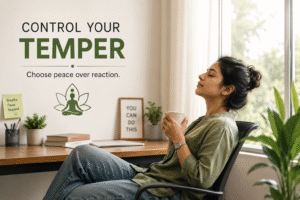
controlling temper
10 Effective Ways of Controlling Temper
1. Pause Before You React
The moment you feel anger rising, give yourself a few seconds before responding. Even a short pause can prevent words or actions you might regret, and it’s often the simplest technique for controlling temper in the moment.
2. Practice Deep Breathing
Slow, deep breaths signal your nervous system to calm down. Try inhaling for four counts, holding for four, and exhaling for four — repeat until you feel steadier.
3. Step Away From the Situation
If possible, physically remove yourself from the triggering situation for a few minutes. A short walk or change of scenery can help reset your emotional state.
4. Identify the Real Trigger
Ask yourself: “What am I really upset about?” Often, anger masks deeper feelings like disappointment, insecurity, or exhaustion. Naming the real issue reduces its intensity.
5. Use “I” Statements Instead of Blame
Saying “I feel frustrated when this happens” is far more constructive than “You always do this.” It opens a conversation instead of starting a conflict.
6. Exercise Regularly
Physical activity is one of the most effective natural outlets for built-up tension and stress, making it easier to stay level-headed in tense moments. Many people find that regular exercise becomes their most reliable tool for controlling temper long-term.
7. Improve Your Sleep Quality
Poor sleep lowers your tolerance for frustration. Prioritizing 7–8 hours of quality sleep can significantly improve emotional regulation.
8. Practice Mindfulness or Meditation
Regular mindfulness practice trains your brain to observe emotions without immediately acting on them, creating space between feeling and reaction.
9. Journal Your Triggers
Writing down what makes you angry — and how you responded — helps you spot patterns and prepare better responses for next time.
10. Seek Professional Support When Needed
If anger feels uncontrollable, frequent, or is affecting your relationships and work, speaking with a mental health professional can help you understand the root cause and develop personalized coping strategies.
Expert Insight on Controlling Temper
Dr. Sugandha Gupta notes: “Many people believe controlling temper means bottling up emotions, but that’s not true. It’s about creating a gap between the trigger and your response — a gap where you get to choose how you react instead of letting the emotion choose for you. With consistent practice, this becomes far more natural than most people expect.”
Dr. Paramjeet Singh adds: “In my practice, I often see that anger is a secondary emotion — it’s usually covering up hurt, fear, or stress that hasn’t been addressed. Once we help a person identify and work through what’s really underneath the anger, the outbursts naturally start to reduce.”
When Should You Seek Help for Anger Issues?
While occasional anger is normal, it may be time to seek professional guidance if you notice:
Frequent outbursts that feel disproportionate to the situation
Difficulty calming down even after time has passed
Anger affecting your relationships, work, or health
Feelings of guilt or regret after angry episodes
Physical aggression or fear of losing control
Anger management support isn’t just for people in crisis — it’s a proactive step toward emotional well-being and healthier relationships, and it plays a big role in successfully controlling temper over the long run.
Final Thoughts on Controlling Temper
Controlling temper isn’t about suppressing your emotions — it’s about understanding them and responding in ways that align with who you want to be. With consistent practice, self-awareness, and the right support system, controlling temper becomes second nature rather than a constant struggle.
If you or someone you know is struggling to manage anger, Delhi Mind Clinic offers compassionate, professional guidance to help you build lasting emotional balance. Reach out today to take the first step toward controlling temper and living a calmer, more balanced life.
Anger is a natural human emotion, but when it becomes frequent, intense, or difficult to control, it can negatively affect relationships, work performance, mental well-being, and physical health. Learning the best anger management strategies can help individuals respond calmly, communicate more effectively, and maintain healthier relationships.
Many people struggle with anger because they were never taught healthy emotional regulation skills. The good news is that anger management techniques can be learned and practiced over time. With consistent effort, it becomes easier to recognize triggers and respond in constructive ways.
best anger management
If you’re seeking professional guidance, connecting with a qualified mental health specialist can offer personalized support and effective strategies for Anger Management. You ay consider exploring:
One of the first steps toward effective anger management is identifying personal triggers. Anger often develops in response to stress, frustration, disappointment, criticism, or feelings of being misunderstood.
Keeping track of situations that provoke anger can help identify patterns. Ask yourself questions such as:
What happened before I became angry?
Was I feeling stressed or overwhelmed?
Did I feel ignored, disrespected, or threatened?
Practice Deep Breathing and Relaxation Techniques
When anger rises, the body enters a heightened state of alertness. Heart rate increases, muscles tense, and breathing becomes shallow. Deep breathing exercises can calm the nervous system and reduce emotional intensity.
Simple breathing techniques include:
Slowly inhaling through the nose for four seconds
Holding the breath briefly
Exhaling slowly through the mouth
Relaxation practices such as mindfulness, meditation, and progressive muscle relaxation can also help improve emotional stability over time. The Centers for Disease Control and Prevention (CDC) offers mental health resources and stress management guidance.
Improve Communication Skills
Poor communication often contributes to anger and conflict. During emotional situations, people may interrupt, assume the worst, or speak impulsively. Learning to communicate calmly and clearly can prevent unnecessary arguments.
Helpful communication strategies include:
Listening carefully before responding
Using respectful language
Expressing feelings without blaming others
Taking a pause before reacting emotionally
For example, instead of saying, “You never listen to me,” a calmer response may be, “I feel frustrated when I don’t feel heard.”
Constructive communication promotes understanding and reduces emotional escalation.
Take a Break Before Reacting
One of the best anger management habits is stepping away from a stressful situation temporarily. A short break allows the mind and body to calm down before responding.
This technique is especially helpful during heated conversations or stressful environments. Even a few minutes of walking, stretching, or sitting quietly can reduce emotional intensity.
Taking a break does not mean avoiding problems. Instead, it creates space for clearer thinking and healthier responses.
Exercise Regularly to Reduce Stress
Physical activity is highly effective for managing anger and stress. Exercise helps release built-up tension and improves mood by supporting emotional balance.
Activities such as:
Walking
Jogging
Yoga
Cycling
Strength training
can help lower stress levels and improve overall mental well-being.
Learn Healthy Problem-Solving Skills
Sometimes anger develops when people feel stuck, powerless, or overwhelmed by challenges. Developing practical problem-solving skills can reduce frustration and improve confidence.
Effective problem-solving includes:
Identifying the actual issue
Breaking large problems into smaller steps
Exploring possible solutions
Focusing on what can realistically be controlled
Instead of reacting emotionally, approaching situations logically often reduces stress and improves decision-making.
Seek Professional Support When Needed
Persistent anger that affects relationships, work, or daily functioning may require professional guidance. Mental health professionals can help individuals understand underlying emotional patterns and develop healthier coping skills.
Therapeutic approaches may include:
Cognitive behavioral techniques
Stress management training
Emotional regulation exercises
Conflict resolution strategies
Seeking support is a proactive step toward emotional well-being and personal growth.
Build Long-Term Emotional Awareness
The best anger management strategies focus not only on controlling reactions but also on understanding emotions more deeply. Emotional awareness helps people recognize early warning signs before anger becomes overwhelming.
Signs may include:
Muscle tension
Irritability
Racing thoughts
Raised voice
Difficulty concentrating
Developing self-awareness encourages healthier responses and improves emotional intelligence over time.
Best psychiatrist in Delhi
Final Thoughts
Learning the best anger management techniques can improve relationships, reduce stress, and support overall mental health. Anger itself is not harmful; the way it is expressed makes the difference.
By identifying triggers, practicing relaxation methods, improving communication, exercising regularly, and seeking support when necessary, individuals can develop healthier ways to respond to difficult emotions.
Small daily changes often lead to meaningful long-term improvements in emotional control and personal well-being.
Anger is a natural human emotion, but when it becomes frequent or overwhelming, it can affect relationships, work, and overall well-being. Many people search for ways of getting rid of anger because they feel stuck in cycles of frustration, irritation, or emotional outbursts.
The goal is not to eliminate anger completely, but to understand it and respond in healthier, more constructive ways. With the right strategies, it is possible to manage anger effectively and regain emotional balance.
10 Effective Strategies for Getting Rid of Anger and Regaining Emotional Control
If you need professional support, consulting the Best psychiatrist in Delhi can provide valuable insights and personalized strategies for getting rid of anger. Consider Visiting:
Before focusing on getting rid of anger, it’s important to understand where it comes from. Anger often arises from unmet expectations, stress, frustration, or feeling misunderstood.
Sometimes, it may also be linked to deeper emotions such as fear, hurt, or disappointment. Recognizing these underlying triggers can help you respond more thoughtfully rather than reacting impulsively.
Recognizing Early Warning Signs
Anger usually builds up gradually. Learning to identify early signs—such as increased heart rate, muscle tension, or irritability—can help you intervene before it escalates.
By noticing these signals, you create an opportunity to pause and apply calming techniques, which is a key step in getting rid of anger.
Practicing Deep Breathing
Deep breathing is one of the simplest and most effective tools for calming the body. Slow, controlled breathing helps reduce the intensity of emotional reactions.
Try inhaling slowly through your nose, holding for a few seconds, and exhaling gently. This activates the body’s relaxation response and helps reduce stress.
Taking a Break from the Situation
When emotions run high, stepping away from the situation can prevent escalation. A short break allows you to cool down and gain perspective.
This strategy is especially helpful in arguments or stressful environments where immediate reactions may lead to regret.
Using Healthy Communication
Expressing anger in a constructive way is essential. Instead of blaming or criticizing, use “I” statements such as “I feel frustrated when…” to communicate your feelings.
Healthy communication helps resolve conflicts more effectively and reduces misunderstandings, which supports long-term success in getting rid of anger.
Engaging in Physical Activity
Physical movement is a powerful way to release built-up tension. Activities such as walking, jogging, or yoga can help reduce stress and improve mood.
Regular exercise not only supports physical health but also plays a role in emotional regulation and stress management.
Practicing Mindfulness and Relaxation
Mindfulness involves focusing on the present moment without judgment. It can help you observe your thoughts and emotions without reacting impulsively.
Relaxation techniques such as meditation or progressive muscle relaxation can also reduce overall stress levels, making it easier to manage anger when it arises.
Identifying and Changing Thought Patterns
Negative thinking patterns can fuel anger. Thoughts like “This always happens to me” or “Nothing ever goes right” can intensify emotional reactions.
Learning to challenge and reframe these thoughts into more balanced perspectives is a key part of getting rid of anger.
Building Problem-Solving Skills
Sometimes anger is a response to feeling stuck or helpless. Developing problem-solving skills can help you address challenges more effectively.
Breaking problems into smaller steps and focusing on solutions can reduce frustration and improve confidence in handling difficult situations.
Seeking Support When Needed
If anger feels overwhelming or difficult to control, seeking support from a professional can be beneficial. Guidance from trained experts can help you understand triggers and develop personalized coping strategies.
Recognizing when to seek help is an important step toward emotional well-being.
Why Managing Anger Matters
Uncontrolled anger can affect both mental and physical health. It may lead to strained relationships, increased stress, and difficulty concentrating.
On the other hand, learning effective ways of getting rid of anger can improve communication, strengthen relationships, and enhance overall quality of life.
Best psychiatrist in Delhi
Final Thoughts
Anger is a natural emotion, but it doesn’t have to control your actions or decisions. By understanding triggers, practicing relaxation techniques, and developing healthy coping strategies, you can manage anger more effectively.
The journey of getting rid of anger involves patience and consistent effort, but small changes can lead to meaningful improvements over time.
Children often express anger as part of their emotional development, but when it becomes frequent, intense, or disruptive, it may require structured support. Many parents today actively search for pediatric anger management nearby to help their child develop healthier emotional responses and coping skills.
Understanding the causes and applying effective strategies can make a significant difference in a child’s behavior, relationships, and overall well-being. Below are expert-recommended approaches to help children manage anger constructively.
8 Expert Tips for Pediatric Anger Management Nearby That Every Parent Should Know
If you need professional support, consulting the best psychiatrist in Delhi can provide valuable insights and personalized strategies for Pediatric anger management nearby. Consider Visiting:
Anger in children can stem from frustration, difficulty expressing emotions, or environmental stressors. Occasional outbursts are normal, but persistent irritability or aggressive behavior may affect school performance and social relationships.
Recognizing early signs is essential when considering pediatric anger management nearby services.
Behavior Therapy for Emotional Regulation
Behavior therapy is one of the most effective approaches for managing anger in children. It focuses on reinforcing positive behaviors while reducing disruptive ones.
Parents seeking pediatric anger management nearby often benefit from programs that include family involvement.
Teaching Healthy Communication Skills
Children may express anger because they lack the words to communicate their feelings. Teaching them how to express emotions clearly can reduce frustration.
Encouraging phrases like “I feel upset when…” instead of aggressive reactions helps children develop emotional intelligence. This approach builds stronger relationships at home and school.
When exploring pediatric anger management nearby, look for professionals who emphasize communication training.
Practicing Calm-Down Techniques
Simple calming techniques can help children manage anger in the moment. These may include:
Deep breathing exercises
Counting to ten before reacting
Taking a short break in a quiet space
These techniques help children pause and regain control before reacting impulsively.
Parent Training and Involvement
Parental involvement plays a crucial role in managing childhood anger. Parent training programs teach caregivers how to respond consistently and positively to challenging behavior.
Families searching for pediatric anger management nearby should consider programs that include parent coaching.
Encouraging Physical Activity
Physical activity is a natural and effective way to release built-up energy and frustration. Activities such as outdoor play, sports, or yoga can help children regulate emotions.
Research indicates that structured exercise programs can reduce anger expression in children and improve overall mood.
Incorporating regular movement is often recommended alongside pediatric anger management nearby services.
Reducing Screen Time and Triggers
Excessive screen time can impact a child’s ability to regulate emotions. Studies suggest that high screen exposure may contribute to increased frustration and emotional outbursts in young children.
Setting clear limits on device usage and encouraging offline activities can support better emotional balance.
Building Consistent Routines and Boundaries
Children feel more secure when they understand expectations. Clear rules, consistent routines, and predictable consequences help reduce emotional outbursts.
Positive reinforcement—rewarding good behavior—can encourage children to repeat healthy responses instead of reacting with anger.
The Centers for Disease Control and Prevention explains that structured parent training improves children’s behavior, self-esteem, and emotional control.
When to Seek Professional Help Nearby
If a child’s anger is frequent, intense, or affecting daily life, it may be time to seek professional guidance. Signs to watch for include:
Frequent aggressive behavior
Difficulty calming down
Problems at school or with peers
Persistent irritability
Finding pediatric anger management nearby allows access to trained professionals who can assess the child’s needs and provide personalized strategies.
Best psychiatrist in Delhi
Final Thoughts
Managing anger in children requires patience, understanding, and the right strategies. With the help of structured techniques such as behavior therapy, communication training, and consistent routines, children can learn to handle their emotions in healthier ways.
By exploring pediatric anger management nearby, parents can access valuable support systems that guide both children and families toward better emotional well-being and stronger relationships.
Early intervention not only improves behavior but also lays the foundation for lifelong emotional resilience.
Anger is a natural human emotion that everyone experiences from time to time. It can arise when we feel frustrated, hurt, misunderstood, or treated unfairly. While anger itself is not inherently harmful, unmanaged anger can negatively affect relationships, work performance, and overall well-being. Learning effective anger control strategiescan help individuals express their emotions in constructive ways and maintain healthier interactions with others.
7 Powerful Anger Control Strategies for Better Emotional Balance
If you need professional support, consulting the best psychiatrist in Delhi can provide valuable insights and personalized strategies for Anger Control Strategies. Consider Visiting:
Anger often triggers physical reactions such as increased heart rate, muscle tension, and rapid breathing. These responses are part of the body’s natural stress response. Developing healthy coping techniques can help individuals manage these reactions and respond more thoughtfully.
Below are seven practical and effective anger control strategies that can help improve emotional awareness and maintain better balance in everyday life.
1. Recognize Early Signs of Anger
One of the most important anger control strategiesis learning to recognize the early warning signs of anger. Many people notice physical signals such as tightened muscles, clenched fists, or a racing heartbeat before anger escalates.
Paying attention to these signals allows individuals to pause and respond before emotions become overwhelming. Recognizing these early signs provides an opportunity to take a step back and apply calming techniques.
Developing this awareness can significantly reduce impulsive reactions during stressful situations.
2. Practice Deep Breathing Techniques
Deep breathing is a simple yet powerful way to calm the body’s stress response. When anger arises, breathing often becomes shallow and rapid, which can intensify emotional reactions.
Slow, controlled breathing helps regulate the nervous system and encourages relaxation. Try inhaling slowly through the nose, holding the breath briefly, and then exhaling slowly through the mouth.
Practicing this technique regularly can make it easier to remain calm during emotionally charged situations.
3. Take a Pause Before Reacting
Another essential anger control strategy is creating a pause before responding to a stressful situation. When people react immediately during intense emotions, they may say or do things they later regret.
Taking a short break—even a few minutes—can help calm the mind and provide time to think more clearly. This pause allows individuals to consider more constructive responses rather than reacting impulsively.
Stepping away from the situation temporarily can also prevent conflicts from escalating.
4. Identify the Underlying Cause of Anger
Anger often acts as a signal that something deeper may be happening emotionally. Feelings of frustration, disappointment, fear, or stress can sometimes appear as anger.
Reflecting on the underlying cause helps individuals address the real issue rather than reacting only to the surface emotion. For example, work stress, relationship challenges, or lack of rest may contribute to heightened irritability.
Understanding these factors can help individuals make adjustments that support emotional stability.
Research supported by the National Institutes of Healthemphasizes the importance of recognizing emotional triggers in managing stress-related reactions.
5. Communicate Feelings Calmly
Healthy communication is one of the most valuable anger control strategies. Instead of suppressing anger or expressing it aggressively, individuals can learn to communicate their feelings respectfully and clearly.
Using statements such as “I feel frustrated when…” rather than blaming others can reduce defensiveness and encourage productive conversations. Calm communication allows individuals to express their concerns while maintaining mutual respect.
Improving communication skills often strengthens relationships and reduces recurring conflicts.
6. Engage in Physical Activity
Physical movement can be an effective way to release built-up tension associated with anger. Activities such as walking, stretching, yoga, or other forms of exercise help the body process stress hormones and promote relaxation.
Regular physical activity also improves mood and supports emotional regulation. When individuals include movement in their daily routines, they may find it easier to manage frustration and maintain emotional balance.
Even short periods of physical activity can make a noticeable difference in reducing stress levels.
7. Practice Mindfulness and Self-Reflection
Mindfulness encourages individuals to observe their thoughts and emotions without immediately reacting to them. This practice helps people recognize anger as it arises and respond with greater awareness.
Through mindfulness techniques such as meditation or quiet reflection, individuals can develop a deeper understanding of their emotional patterns. Over time, this awareness can improve emotional control and reduce the intensity of anger responses.
Self-reflection also helps individuals learn from past experiences and develop healthier coping strategies for future challenges.
Best psychiatrist in Delhi
Conclusion
Anger is a normal part of human life, but learning effective anger control strategiescan help individuals respond to difficult situations in healthier and more constructive ways. By recognizing early signs of anger, practicing deep breathing, pausing before reacting, identifying underlying causes, communicating calmly, staying physically active, and practicing mindfulness, people can develop stronger emotional control.
Managing anger does not mean suppressing emotions; rather, it involves understanding those emotions and expressing them appropriately. With practice and self-awareness, individuals can strengthen their emotional resilience and maintain more positive relationships in both personal and professional settings.
Developing these strategies takes time, but consistent effort can lead to meaningful improvements in emotional well-being and overall quality of life.
Anger is a natural human emotion that arises in response to perceived threats, injustice, or frustration. While occasional anger is normal, frequent or intense anger can negatively impact personal well-being, relationships, and even physical health. Recognizing the need for anger treatment and adopting effective strategies can help individuals manage their emotions constructively and improve quality of life.
If you need professional support, consulting the best psychiatrist in Delhi can provide valuable insights and personalized strategies for Depression, Consider Visiting:
Anger treatment refers to structured approaches aimed at helping individuals understand, manage, and reduce episodes of intense anger. It is not about suppressing emotions but about developing healthier ways to process and express anger. Treatment typically involves a combination of self-help techniques, behavioral strategies, and professional guidance from licensed mental health practitioners.
anger treatment
1. Understand the Triggers of Your Anger
A critical first step in anger treatment is identifying the specific triggers that lead to emotional outbursts. These triggers can vary widely from person to person and may include situations such as workplace stress, relationship conflicts, financial difficulties, or feelings of injustice. By keeping an anger journal—recording the situation, your thoughts, feelings, and reactions—you can better understand recurring patterns and work toward interrupting them before they escalate.
2. Practice Mindfulness and Relaxation Techniques
Mindfulness involves paying deliberate attention to your thoughts and feelings in the present moment without judgment. It helps create a pause between the trigger and your reaction, giving you the opportunity to respond thoughtfully instead of impulsively. Techniques such as deep breathing, progressive muscle relaxation, or guided meditation can reduce the intensity of anger by calming the mind and body.
3. Develop Effective Communication Skills
Poor communication can often fuel misunderstandings and escalate anger. Learning how to express your feelings assertively rather than aggressively is essential. Use “I” statements such as “I feel frustrated when deadlines aren’t met” rather than “You never meet deadlines.” This approach focuses on expressing your own feelings without placing blame, which encourages open and constructive dialogue.
4. Engage in Regular Physical Activity
Physical activity is not only beneficial for physical health but also plays a significant role in emotional regulation. Exercise releases endorphins, which are natural mood boosters, and provides a healthy outlet to release pent-up tension and frustration. Activities like walking, swimming, or yoga can significantly improve your mood and help reduce the frequency and intensity of anger episodes.
5. Set Realistic Expectations and Practice Problem-Solving
Unrealistic expectations of yourself or others can lead to feelings of anger when things do not go as planned. Setting achievable goals and being flexible in your expectations can help reduce frustration. Additionally, focusing on problem-solving rather than ruminating on what went wrong empowers you to take action and feel more in control of the situation.
6. Seek Professional Support When Needed
Anger treatment is not one-size-fits-all. In some cases, anger may be a symptom of deeper psychological issues such as depression, anxiety, or past trauma. Consulting a licensed mental health professional specializing in anger management can provide tailored strategies and structured therapy sessions. Cognitive-behavioral therapy (CBT), for example, is an evidence-based approach that helps individuals reframe negative thought patterns and develop healthier coping mechanisms.
7. Build a Strong Support Network
Having a strong support system of family, friends, or support groups can make a significant difference in anger treatment. Talking about your feelings in a safe, non-judgmental environment provides emotional relief and reduces isolation. Support groups, especially those focused on anger management, offer the opportunity to share experiences, learn from others, and practice new skills in a group setting.
For more reliable information and resources about emotional health and coping strategies, visit:
Anger treatment is a proactive process that involves self-awareness, practical strategies, and sometimes professional support. Understanding your triggers, practicing mindfulness, improving communication, and seeking help when necessary are effective ways to manage anger in a healthy manner. Remember, managing anger is a journey, not a destination—it requires consistent effort, patience, and compassion toward oneself.