For general questions, please send us a message and we’ll get right back to you. You can also call us directly to speak with a member of our service team or insurance expert.
Depression is more than just feeling sad or having a bad day—it’s a serious mental health condition that affects how you think, feel, and function in daily life. Millions of people experience depression every year, and it can impact anyone regardless of age, background, or lifestyle. Recognizing the signs early and taking steps to manage them can make a significant difference in recovery and overall well-being.
fighting depression
If you or someone you know is struggling with persistent sadness, loss of interest, fatigue, or difficulty concentrating, it’s important to understand that depression is not a sign of weakness. It’s a condition that requires compassion, support, and proactive care.
If you need professional support, consulting the best psychiatrist in Delhi can provide valuable insights and personalized strategies for Depression, Consider Visiting:
The first step in fighting depression is acknowledging what you’re going through. Many people try to ignore or suppress their emotions, but acceptance is key to healing. Try journaling your thoughts or talking to a trusted friend or family member about what you’re feeling. Expressing emotions helps reduce the mental burden and encourages self-awareness.
2. Build a Strong Support Network
Depression can make you want to isolate yourself, but staying connected is one of the most powerful tools for recovery. Surround yourself with people who listen without judgment and offer encouragement.
Joining local or online support groups can also help you realize you’re not alone. Sharing experiences with others who understand can bring comfort and new perspectives. Even small social interactions, like a brief conversation or walk with a friend, can boost mood and reduce feelings of loneliness.
3. Create a Routine
Depression often disrupts daily structure, making tasks feel overwhelming. Establishing a simple routine helps restore a sense of normalcy and control. Start small—wake up at a consistent time, plan balanced meals, and set manageable goals for each day.
Maintaining a regular schedule promotes mental balance and can improve sleep patterns, energy levels, and motivation. Consistency builds momentum, helping you gradually regain stability.
4. Engage in Physical Activity
Exercise is one of the most effective ways to support mental health. You don’t need intense workouts—a brisk walk, yoga, or light stretching can make a noticeable difference. Physical activity releases endorphins, which are natural mood enhancers, and helps reduce stress hormones.
Regular movement not only boosts mood but also improves sleep quality, focus, and confidence. The key is to find an activity you enjoy so that it feels rewarding rather than forced.
5. Practice Mindfulness and Relaxation
Mindfulness helps you focus on the present moment without judgment. It encourages awareness of your thoughts and feelings, allowing you to respond calmly instead of reacting impulsively. Simple mindfulness techniques such as deep breathing, meditation, or guided visualization can ease mental tension and promote emotional clarity.
Research shows that mindfulness-based practices can significantly reduce symptoms of depression and anxiety. Try dedicating even 10 minutes daily to breathing exercises or quiet reflection. Over time, these habits cultivate resilience and emotional balance.
6. Set Small, Achievable Goals
When you’re fighting depression, even simple tasks can seem daunting. Setting small, realistic goals helps build confidence and a sense of accomplishment. Start with something manageable—making your bed, taking a short walk, or preparing a meal.
Celebrate these small victories. Every positive action, no matter how small, is a step forward. As your energy and motivation increase, you can expand your goals to include larger objectives. This gradual progress fosters self-esteem and a renewed sense of purpose.
best psychiatrist in delhi
7. Seek Professional Support
Professional guidance can make a profound difference when dealing with depression. Mental health professionals—such as therapists, counselors, or psychologists—are trained to provide evidence-based strategies that help manage emotional distress.
Remember, reaching out for help is a sign of strength, not weakness. Talking to a mental health professional can help you identify underlying causes and build effective coping strategies for long-term well-being.
Fighting depression is not about quick fixes—it’s a journey of small, consistent steps toward healing and self-compassion. By acknowledging your emotions, maintaining connections, and nurturing your body and mind, you can gradually reclaim balance and hope.
Everyone’s path is unique, but with patience and persistence, recovery is possible. Prioritize self-care, lean on supportive people, and don’t hesitate to reach out for professional help. Each action you take today brings you one step closer to a healthier, more fulfilling tomorrow.
Phobias are among the most common anxiety-related conditions that people experience. They are characterized by an intense, irrational fear of specific objects, situations, or activities. While fear is a natural response to danger, phobias differ because the perceived threat is often much greater than the actual risk. In this article, we’ll explore all phobias, their most common forms, what causes them, and how individuals can better understand and cope with them.
all phobias
If you need professional support, consulting the best psychiatrist in Delhi can provide valuable insights and personalized strategies for Phobias, Consider Visiting:
A phobia is a strong, persistent, and often overwhelming fear of a particular object or situation. People with phobias may go to great lengths to avoid their triggers, which can significantly affect daily life, work, and relationships. Specific phobias are among the most prevalent mental health conditions in the United States.
Phobias fall under the broader category of anxiety disorders and can manifest both physically and emotionally. Common symptoms may include rapid heartbeat, sweating, trembling, shortness of breath, and a strong desire to escape the situation.
How Phobias Develop
The exact cause of phobias can vary from person to person. In many cases, phobias are learned responses — a fear that develops after a negative experience or through observation. Genetic factors, early life experiences, and environmental influences can all contribute to the development of phobias.
For example, if someone was bitten by a dog as a child, they may later develop a strong fear of dogs (cynophobia). Similarly, witnessing someone else react fearfully to an object or event can also trigger the development of a phobia.
Types of Phobias
Phobias are typically divided into three main categories: specific phobias, social phobia, and agoraphobia. Let’s explore the most recognized examples.
1. Specific Phobias
These involve fear of particular objects or situations. Common examples include:
Acrophobia – Fear of heights
Arachnophobia – Fear of spiders
Ophidiophobia – Fear of snakes
Cynophobia – Fear of dogs
Claustrophobia – Fear of enclosed spaces
Specific phobias can lead to intense distress when the individual is exposed to the feared object, even if it poses no real threat.
different phobias
2. Social Phobia (Social Anxiety Disorder)
Social phobia involves an extreme fear of being judged, embarrassed, or humiliated in social situations. It’s more than shyness — it can prevent people from speaking up, attending gatherings, or interacting with others. According to MedlinePlus, social anxiety can have a profound impact on relationships and professional life if left unaddressed.
3. Agoraphobia
Agoraphobia is the fear of being in situations where escape might be difficult or help unavailable. People with agoraphobia may avoid crowded places, public transport, or even leaving their homes. It’s one of the most debilitating forms of phobia, as it can severely limit independence and mobility.
Unusual and Rare Phobias
While the phobias above are well known, there are hundreds of lesser-known fears that can be equally distressing. Some examples include:
Trypophobia – Fear of clustered holes or patterns
Nomophobia – Fear of being without a mobile phone
Atychiphobia – Fear of failure
Glossophobia – Fear of public speaking
Understanding all phobias — both common and rare — helps reduce stigma and encourages compassion toward those affected.
Effects of Phobias on Daily Life
Phobias can interfere with work, relationships, and overall well-being. Avoidance behaviors often become a central part of life, limiting opportunities for growth and personal fulfillment. The physical symptoms of phobia — such as panic attacks, nausea, or dizziness — can further intensify fear, creating a cycle that feels hard to break.
Phobias can also coexist with other mental health conditions like generalized anxiety disorder or depression, making early recognition important for recovery and support.
Coping and Support Strategies
While each person’s experience with phobia is unique, there are several healthy ways to manage fear responses. Seeking help from a licensed mental health professional can make a significant difference. Support groups, stress management practices, and gradual exposure to feared situations under professional guidance have proven helpful for many people.
Education and awareness also play key roles. Learning more about how the brain processes fear can empower individuals to take positive steps toward recovery. For more detailed information on phobia research and resources, visit the Centers for Disease Control and Prevention (CDC).
best psychiatrist in delhi
Conclusion
Phobias are more than just simple fears — they are powerful emotional responses that can shape how people live their lives. By understanding all phobias, we can create a more empathetic and supportive environment for those affected. Whether the fear is of heights, enclosed spaces, or social situations, recognizing the impact of phobias is the first step toward overcoming them and regaining control over one’s life.
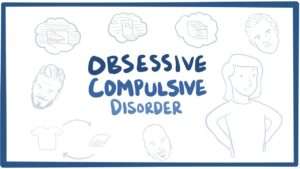
Obsessive-Compulsive Disorder (OCD) is a complex mental health condition marked by persistent, unwanted thoughts (obsessions) and repetitive behaviors (compulsions). While many people recognize the visible rituals associated with OCD—like frequent handwashing or checking—fewer understand the deep and sometimes severe OCD complications that can affect nearly every part of a person’s life.
OCD often develops gradually, and without proper management, its complications can lead to emotional distress, relationship challenges, and disruptions in daily functioning. Recognizing these potential consequences early can make a significant difference in improving overall quality of life.
ocd complications
If you need professional support, consulting the best psychiatrist in Delhi can provide valuable insights and personalized strategies for OCD, Consider Visiting:
Constantly battling intrusive thoughts and performing rituals can lead to severe emotional fatigue. People with OCD often spend large portions of their day managing anxiety triggered by obsessive fears. Over time, this can create a cycle of emotional burnout and heightened stress, reducing the ability to focus, make decisions, or enjoy previously pleasurable activities.
Emotional exhaustion also contributes to feelings of helplessness or frustration, especially when individuals recognize the irrational nature of their compulsions but feel unable to stop them.
2. Social Isolation and Relationship Strain
OCD can make social interactions challenging. Individuals may avoid family gatherings, friendships, or romantic relationships to hide their compulsive behaviors or to avoid triggers that intensify their obsessions.
Loved ones might struggle to understand the condition, which can lead to tension, misunderstandings, and withdrawal. In some cases, partners or family members inadvertently become part of compulsive rituals, creating added stress and resentment. This social isolation can deepen emotional pain and make recovery more difficult.
ocd disease symptoms
3. Decline in Work or Academic Performance
OCD complications often extend into professional and academic settings. Repetitive behaviors, indecision, and perfectionism can interfere with productivity and performance. Individuals might spend excessive time checking tasks, rewriting notes, or redoing work to ensure it feels “just right.”
This constant need for reassurance or repetition can cause missed deadlines, reduced concentration, and workplace stress. Over time, it can affect career growth or academic success, leading to financial or self-esteem issues.
4. Physical Consequences of Compulsive Behavior
Although OCD is primarily a mental health disorder, it can have physical effects due to repetitive or ritualistic behaviors. For instance, constant washing, checking, or cleaning can result in fatigue, skin irritation, or sleep disruption. The ongoing tension from anxiety can also contribute to headaches, muscle stiffness, or digestive discomfort.
These physical manifestations highlight that OCD complications are not only emotional but also affect overall well-being, reinforcing the importance of a holistic management approach.
5. Coexisting Mental Health Conditions
Many individuals with OCD experience other mental health challenges, such as depression, panic disorder, or generalized anxiety. The emotional toll of constantly battling obsessions and compulsions can make a person more vulnerable to additional psychological distress.
When OCD coexists with other conditions, the symptoms can become more severe, making daily functioning even more difficult. Early intervention and psychological support play a key role in addressing these overlapping issues effectively.
6. Impact on Daily Living and Decision-Making
Simple daily tasks—such as cooking, driving, or leaving home—can become complex and time-consuming for someone with OCD. Compulsions like rechecking locks, cleaning surfaces repeatedly, or counting steps can take up hours, leaving little time for personal, social, or professional life.
This constant preoccupation can cause significant functional impairment, leading to frustration and decreased confidence in one’s ability to manage routine responsibilities.
7. Long-Term Quality of Life Challenges
If left unmanaged, OCD can have lasting effects on personal growth and happiness. Individuals might find themselves trapped in rigid patterns that prevent them from pursuing new opportunities or enjoying spontaneous moments.
The disorder can also interfere with forming stable relationships or maintaining independence, ultimately affecting overall life satisfaction. With proper psychological care and community support, however, people with OCD can regain control over their routines and restore balance in their lives.
OCD complications can be profound, affecting emotional, physical, and social aspects of a person’s life. Recognizing these challenges is the first step toward understanding the broader impact of the disorder. By raising awareness and encouraging open conversations about mental health, society can reduce stigma and support individuals in their journey toward improved well-being.
Understanding OCD isn’t just about recognizing compulsions—it’s about acknowledging the human experience behind them and ensuring those affected receive empathy, respect, and access to the resources they deserve.
The fear of high places, also known as acrophobia, is one of the most common specific phobias. It’s characterized by intense anxiety or panic when an individual is at a significant height — even if the situation poses little or no real danger. For some, this fear occurs when standing on a tall building, climbing a ladder, or even looking at a steep staircase.
fear of high places
If you need professional support, consulting the best psychiatrist in Delhi can provide valuable insights and personalized strategies for Acrophobia, Consider Visiting:
While many people feel a mild uneasiness when they’re high above the ground, acrophobia goes beyond that. The fear can become overwhelming and may interfere with daily activities, such as traveling, sightseeing, or working in high-rise offices.
Common Symptoms of Fear of High Places
People with acrophobia may experience both physical and psychological symptoms. These can include:
Dizziness, lightheadedness, or nausea
Trembling or sweating
Shortness of breath or a racing heartbeat
Feeling detached from reality
Urge to crawl or hold onto something for safety
Intense desire to escape the situation
These reactions are part of the body’s fight-or-flight response, which activates when we perceive danger — even when no real danger exists.
What Causes the Fear of High Places?
The fear of heights can develop for several reasons:
Evolutionary instincts: From a survival standpoint, fear of falling is natural and protective. However, in some people, this instinct becomes exaggerated.
Traumatic experiences: A past fall or witnessing someone else fall from a height can trigger long-term fear.
Learned behavior: Children may develop acrophobia if they observe parents or caregivers reacting fearfully to heights.
Balance system sensitivity: Some studies suggest that individuals with acrophobia may have a more sensitive balance system in the inner ear, leading to feelings of instability when at heights.
7 Effective Ways to Manage and Overcome the Fear of High Places
1. Start with Gradual Exposure
Gradual or systematic exposure is one of the most effective ways to reduce fear. Begin with mildly challenging situations, such as standing on a low step, and slowly progress to greater heights. Repeated, controlled exposure helps the brain learn that the situation isn’t dangerous.
2. Practice Deep Breathing and Relaxation
When anxiety hits, slow, deep breathing helps calm the nervous system. Try inhaling deeply for four seconds, holding for two, and exhaling for six. Pairing this with progressive muscle relaxation can further ease tension.
3. Visualize Calm and Control
Visualization is a powerful technique. Imagine yourself standing on a high balcony while feeling calm and confident. Visualization helps the brain build positive associations with heights before facing them in real life.
4. Strengthen Your Sense of Balance
Simple exercises like yoga, tai chi, or balance training can improve your body’s stability and reduce feelings of dizziness when you’re up high. A stronger sense of balance helps your mind feel more grounded.
5. Challenge Negative Thoughts
Often, fear of heights is fueled by unrealistic thoughts such as “I’ll fall” or “I’ll lose control.” Learning to recognize and replace these thoughts with logical, reassuring statements (“I am safe here; the railing is strong”) can reduce panic over time.
6. Seek Professional Support
Speaking with a licensed therapist or psychologist experienced in treating phobias can be highly beneficial. Techniques such as cognitive-behavioral therapy (CBT) are proven to help individuals reframe their thoughts and gradually face their fears in a structured way.
7. Build Confidence Through Real-Life Practice
Once you’ve made progress, practice your skills in real-life settings. Visit an observation deck, cross a tall bridge, or hike in elevated areas with safety measures. Each successful experience reinforces your sense of control.
The Importance of Understanding, Not Avoiding
Avoidance may provide short-term relief, but it strengthens the fear over time. Facing the fear of high places with patience, gradual exposure, and support helps retrain the brain’s response. Remember, progress might be slow, but every step forward — no matter how small — is significant.
According to the National Institute of Mental Health (NIMH), specific phobias like acrophobia can cause intense distress and lead individuals to avoid certain places or activities entirely.
best psychiatrist in delhi
Final Thoughts
The fear of high places is deeply human, rooted in our instinct to stay safe. However, when that fear begins to limit your freedom or enjoyment of life, it’s worth addressing through practical strategies and professional guidance.
With consistent effort and the right approach, it’s entirely possible to regain confidence, enjoy new perspectives, and see the world from greater heights — both literally and figuratively.
When people hear the term schizophrenia, it’s often associated with confusion or fear, largely due to misconceptions. One of the most common questions is: “Is schizophrenia a psychotic disorder?” The short answer is yes—schizophrenia is classified as a chronic psychotic disorder. It involves disturbances in thought, perception, and behavior that can make it difficult to distinguish between what’s real and what’s not.
is schizophrenia a psychotic disorder
If you need professional support, consulting the best psychiatrist in Delhi can provide valuable insights and personalized strategies for schizophrenia, Consider Visiting:
However, to truly understand why schizophrenia is considered a psychotic disorder, it’s essential to explore what psychosis means, how it manifests, and what distinguishes schizophrenia from other mental health conditions.
What Is a Psychotic Disorder?
A psychotic disorder is a mental health condition characterized by an impaired relationship with reality. People experiencing psychosis may have:
Delusions – Strongly held false beliefs, even when evidence contradicts them.
Hallucinations – Perceiving things (such as voices or visions) that are not actually present.
Disorganized thinking or speech – Difficulty organizing thoughts, resulting in fragmented or incoherent speech.
Behavioral disturbances – Unusual or erratic actions influenced by distorted perceptions of reality.
Psychotic disorders can occur due to various causes, including brain chemistry, trauma, or other underlying mental health conditions. Schizophrenia is one of the primary disorders within this category.
Is Schizophrenia a Psychotic Disorder?
Yes, schizophrenia is a psychotic disorder—but it is also much more than that. It is a long-term mental health condition that affects how a person thinks, feels, and behaves. People with schizophrenia may experience episodes of psychosis, during which they lose touch with reality, as well as periods of relative stability.
Schizophrenia differs from brief psychotic episodes in that it tends to be ongoing and affects multiple aspects of daily life, including:
Thinking and reasoning
Emotional responses
Social interactions
Motivation and focus
Schizophrenia as one of the most complex mental health disorders, involving both psychotic symptoms and cognitive changes that can impact functioning.
is schizophrenia a psychotic disorder
Core Symptoms of Schizophrenia
Understanding schizophrenia involves recognizing its three major symptom categories:
Positive Symptoms: These are “added” experiences that are not present in healthy functioning, such as hallucinations, delusions, or disorganized behavior.
Negative Symptoms: These involve the loss or reduction of normal emotional and social functions, such as lack of motivation, reduced speech, or emotional flatness.
Cognitive Symptoms: Difficulties with concentration, memory, or decision-making that can interfere with daily activities.
While psychosis is a hallmark of schizophrenia, the disorder’s impact goes beyond episodes of losing touch with reality—it affects overall perception and functioning over time.
What Causes Schizophrenia?
The exact cause of schizophrenia remains unclear, but research suggests a combination of genetic, biological, and environmental factors contribute to its development.
Genetic factors: Having a family history of schizophrenia increases the likelihood of developing the condition, though it does not guarantee it.
Brain structure and chemistry: Differences in brain circuits that regulate thinking and emotion have been observed in people with schizophrenia.
Environmental influences: Stressful life events, early childhood trauma, or complications during birth may play a role.
The Centers for Disease Control and Prevention (CDC) emphasizes that mental health conditions like schizophrenia are complex and multifaceted, involving an interplay between biological and environmental elements.
How Schizophrenia Affects Daily Life
Living with schizophrenia can be challenging, both for the individual and their loved ones. The disorder can affect one’s ability to maintain employment, relationships, and self-care routines. Some may struggle with understanding social cues or managing emotions, while others might experience isolation due to stigma or misunderstanding.
Early recognition, compassionate care, and ongoing support from mental health professionals, family, and community resources play vital roles in improving quality of life.
Myths and Misconceptions About Schizophrenia
There are many myths surrounding schizophrenia that contribute to stigma and fear. Here are some common misconceptions:
Myth: People with schizophrenia have “split personalities.” Fact: Schizophrenia does not involve multiple personalities; it affects perception of reality, not identity.
Myth: Schizophrenia means someone is violent or dangerous. Fact: Most people with schizophrenia are not violent. They are far more likely to be victims of violence than perpetrators.
Myth: Schizophrenia cannot be managed. Fact: With the right combination of therapy, social support, and consistent care, many individuals lead fulfilling and meaningful lives.
When to Seek Help
If you or someone you know shows signs of schizophrenia or psychosis—such as hearing voices, withdrawing from others, or expressing bizarre beliefs—seeking help from a mental health professional is essential. Early intervention can significantly improve outcomes.
best psychiatrist in delhi
Final Thoughts
So, is schizophrenia a psychotic disorder? Yes—it is the most recognized and studied type of psychotic disorder. But it’s also a complex mental health condition that affects how a person experiences and interprets the world. Understanding schizophrenia with empathy and awareness helps reduce stigma and encourages individuals to seek the care and support they deserve.
Obsessive-Compulsive Disorder (OCD) can feel overwhelming — a constant tug-of-war between intrusive thoughts and repetitive behaviors. Yet, overcoming OCD is entirely possible with consistent strategies, self-awareness, and professional support. In this guide, you’ll learn practical, science-backed ways to manage OCD symptoms, challenge obsessive thoughts, and build long-term resilience.
how to overcome ocd
What Is OCD?
Obsessive-Compulsive Disorder (OCD) is a mental health condition characterized by persistent, intrusive thoughts (obsessions) and repetitive behaviors or mental acts (compulsions). These behaviors often aim to reduce anxiety but usually provide only temporary relief. Over time, they can interfere with work, relationships, and daily functioning.
If you need professional support, consulting the best psychiatrist in Delhi can provide valuable insights and personalized strategies for OCD, Consider Visiting:
The first step in learning how to overcome OCD is understanding how it works. OCD creates a feedback loop:
Obsession: An unwanted, distressing thought or fear.
Anxiety: The thought triggers intense worry or discomfort.
Compulsion: A repetitive behavior or ritual to reduce anxiety.
Temporary Relief: The behavior soothes anxiety, reinforcing the cycle.
Recognizing this pattern helps you identify when you’re caught in the loop — the first step toward breaking it.
2. Cognitive-Behavioral Therapy (CBT)
Cognitive-Behavioral Therapy, particularly Exposure and Response Prevention (ERP), is one of the most effective methods for managing OCD. ERP involves gradually facing the source of anxiety without performing the compulsive act. Over time, your brain learns that anxiety fades naturally even without the compulsion.
Many people see significant improvements with consistent therapy sessions and self-practice.
3. Practice Mindfulness and Grounding Techniques
Mindfulness helps you observe intrusive thoughts without reacting to them. Instead of trying to suppress obsessions, mindfulness teaches acceptance — recognizing a thought as just a thought, not a reflection of reality or character.
Simple practices include:
Deep breathing exercises
Body scans to refocus attention
Meditation apps or guided relaxation
Grounding yourself in the present moment helps reduce anxiety and decreases the urge to perform compulsions.
4. Challenge Your Obsessive Thoughts
When you experience an intrusive thought, ask yourself:
Is this thought realistic?
Do I have evidence for or against it?
Am I catastrophizing or jumping to conclusions?
Challenging irrational beliefs helps weaken their emotional hold. Writing them down and countering them with facts can be a powerful self-help strategy. Over time, your brain learns to reinterpret these thoughts as harmless mental noise rather than urgent warnings.
5. Establish a Consistent Daily Routine
A structured routine reduces stress and provides stability, both of which can lessen OCD flare-ups. Try to include:
Regular sleep patterns
Balanced meals
Exercise or physical activity
Designated relaxation or journaling time
Predictability reduces overall anxiety and helps your brain focus on what’s truly important rather than feeding into compulsive habits.
6. Seek Support and Connection
You’re not alone in your journey. Talking about your struggles with trusted friends, family, or support groups can provide emotional relief and motivation.
Joining OCD support communities — either locally or online — allows you to connect with others who understand your challenges and successes.
7. Focus on Progress, Not Perfection
Recovery from OCD doesn’t happen overnight. It’s a gradual process that involves patience, persistence, and self-compassion. There will be setbacks — days when obsessions feel powerful again — but each small victory matters.
Track your progress through journaling, celebrate small wins, and remind yourself that overcoming OCD is about learning to manage, not eliminate, intrusive thoughts. With consistent practice and the right mindset, you can lead a fulfilling and balanced life.
best psychiatrist in delhi
Final Thoughts
Learning how to overcome OCD is about retraining your mind to respond differently to intrusive thoughts and anxiety. Through therapy, mindfulness, and daily resilience-building techniques, many people regain control and live healthy, productive lives.