Book Appointment
  • 7A/67, West Extension Area Karol Bagh, New Delhi   | हिंदी में पढ़ें
  • 91-78-3838-7944
  • contact@delhimindclinic.com
  • Appointment
Best Psychiatrist in Delhi
  • Home
  • About us
    • Clinic
  • Our Specialists
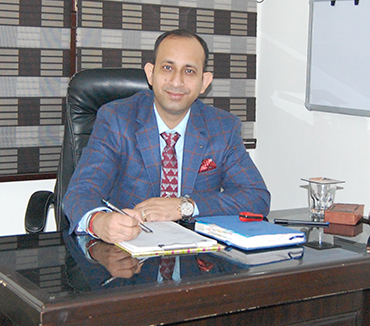
    • Dr. Paramjeet Singh
      Senior Neuropsychiatrist
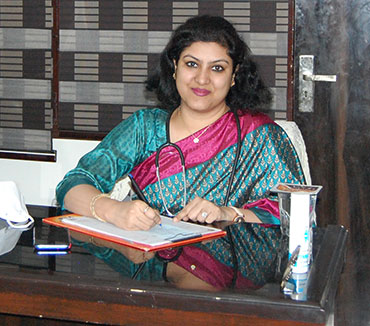
    • Dr. Sugandha Gupta
      Senior Psychiatrist
    • Mrs. Nikita Jain
      Clinical Psychologist
    • Mrs. Tamanna Kharb
      Clinical Psychologist
    • Mrs. Pooja Sharma
      Clinical Psychologist
  • Our Services
    • Bipolar Disorder Treatment
    • Depression Treatment
    • Schizophrenia Treatment
    • OCD Treatment
    • Panic Disorder Treatment
    • Psychosexual Disorders Treatment
    • ADHD Treatment
    • Addiction Disorder Treatment
    • Autism Treatment
    • Mental Retardation Services
    • Specific Learning Disorder Services
  • Information
    • Symptoms & Treatment
      • Depression
      • Schizophrenia
      • Bipolar Disorder
      • Anxiety Disorders
      • Obsessive Compulsive Disorder
      • Addictions
      • Psychosexual Disorders – ED
      • Psychosexual Disorders -Premature Ejaculation
      • Autism
      • Attention Deficit Hyperactivity Disorder (ADHD)
    • A Comprehensive Guide to Understanding Common Psychiatric Disorders
    • Self assessment questionnaires
    • Frequently asked questions
  • News & Blog
    • Blog
    • Gallery
    • Events & Media
    • Facebook Feed
    • Youtube Feed
    • Quora Feeds
      • Dr. Paramjeet @ Quora
      • Dr. Sugandha @ Quora
  • Contact Us
Location
Working Time
Working Time
Mon-Sat Morning 09:30 AM – 01:30PM
Mon-Sat Morning 05:00 PM – 08:00 PM
Assistance For Appointment

For general questions, please send us a message and we’ll get right back to you. You can also call us directly to speak with a member of our service team or insurance expert.

  • +91-78-3838-7944
  • contact@delhimindclinic.com
Contact Us
+
HomeNews & Blog

News & Blog

15Jan

Bipolar Disorder Treatments

by Samridhi Sharma

Bipolar disorder Treatments, a mental health condition characterized by extreme mood swings, poses significant challenges for those affected and their loved ones. The condition requires a comprehensive approach to treatment, often involving a combination of therapeutic strategies. In this blog post, we will explore various non-medication treatments for bipolar disorder, shedding light on the importance of a holistic approach to managing this complex condition.

Bipolar Disorder Treatments

Psychotherapy:

Psychotherapy, also known as talk therapy, is a cornerstone of bipolar disorder treatment. It provides individuals with a safe space to explore their thoughts, emotions, and behaviors. Cognitive-behavioral therapy (CBT), dialectical behavior therapy (DBT), and interpersonal and social rhythm therapy are among the most effective therapeutic modalities for bipolar disorder.

CBT helps individuals identify and challenge negative thought patterns, promoting healthier cognitive processes. DBT, originally designed for borderline personality disorder, has proven beneficial for those with bipolar disorder by teaching emotional regulation and interpersonal skills. Interpersonal and social rhythm therapy focuses on establishing regular daily routines, which can help stabilize mood swings by regulating sleep, diet, and other lifestyle factors.

Lifestyle Modifications:

In addition to psychotherapy, lifestyle modifications play a crucial role in managing bipolar disorder. Establishing and maintaining a regular sleep schedule is particularly important, as disruptions in sleep patterns can trigger mood episodes. A consistent routine that includes regular exercise and a balanced diet can contribute to overall well-being and stability.

Exercise has been shown to have positive effects on mood and can be a valuable tool in managing bipolar disorder. Engaging in physical activity releases endorphins, the body’s natural mood enhancers, and can help alleviate symptoms of depression and anxiety.

Sleep Hygiene:

Sleep hygiene is a critical aspect of bipolar disorder management. Individuals with bipolar disorder often experience disruptions in their sleep patterns, with insomnia or hypersomnia being common symptoms during manic and depressive episodes. Establishing a regular sleep routine, creating a comfortable sleep environment, and avoiding stimulants like caffeine before bedtime are essential practices to promote healthy sleep.

Support Groups:

Participating in support groups can provide individuals with bipolar disorder a sense of community and understanding. Sharing experiences with others who face similar challenges can reduce feelings of isolation and offer practical insights into managing the condition. Many organizations and online platforms provide opportunities for individuals with bipolar disorder and their loved ones to connect and share their journeys.

Mindfulness and Relaxation Techniques:

Mindfulness and relaxation techniques, such as meditation and deep breathing exercises, can be powerful tools in managing bipolar disorder symptoms. These practices help individuals develop greater self-awareness, improve emotional regulation, and reduce stress. Mindfulness-based interventions have been increasingly incorporated into mental health treatment plans and have shown promising results for individuals with bipolar disorder.

Family Psychoeducation:

Involving family members in the treatment process through family psychoeducation can enhance the overall support system for individuals with bipolar disorder. Educating family members about the condition, its symptoms, and effective coping strategies can improve communication and foster a more supportive home environment. Family involvement can also aid in the early identification of warning signs, facilitating prompt intervention.

Conclusion:

Bipolar disorder is a complex condition that requires a multifaceted approach to treatment. While medications are often part of the treatment plan, non-medication interventions such as psychotherapy, lifestyle modifications, support groups, mindfulness practices, and family involvement play crucial roles in managing the disorder. It’s essential to tailor the treatment approach to the individual, considering their unique needs and circumstances. By embracing a holistic perspective on bipolar disorder treatment, individuals can work towards achieving stability, improved well-being, and a fulfilling life.


13Jan

Understanding the Signs of Autism

by Samridhi Sharma

Understanding the Signs of Autism

Autism Spectrum Disorder (ASD) is a complex neurodevelopmental condition that affects individuals in various ways, impacting their social interaction, communication, and behavior. Early identification and intervention are crucial for providing the necessary support to individuals with autism. In this blog post, we will explore the key signs of autism, emphasizing the importance of recognizing these signs for early intervention.

What Is Autism

1. Social Challenges:
One of the primary indicators of autism is difficulty in social interactions. Children with autism may exhibit challenges in understanding and interpreting social cues. They may struggle with making eye contact, initiating or responding to social gestures, and understanding emotions in others. Difficulty in forming friendships and engaging in reciprocal conversations are common social challenges observed in individuals with autism.

2. Communication Difficulties:
Language development is often delayed in children with autism. Some individuals may have limited speech, while others might experience challenges in understanding and using non-verbal communication, such as gestures and facial expressions. Repetitive or unusual speech patterns, echolalia (repeating words or phrases), and a lack of interest in initiating or sustaining conversations are common communication difficulties seen in those with autism.

3. Repetitive Behaviors and Interests:
Individuals with autism often engage in repetitive behaviors, such as hand-flapping, rocking, or repeating specific movements. They may also develop intense interests in particular topics, objects, or activities, often focusing on them to the exclusion of other interests. Resistance to changes in routines and rituals is another characteristic feature, with disruptions causing distress.

4. Sensory Sensitivities:
Heightened or diminished sensitivities to sensory stimuli are common in individuals with autism. They may be hypersensitive to certain sounds, lights, textures, or smells, leading to strong reactions or discomfort. Conversely, some individuals may show reduced sensitivity, seemingly oblivious to pain or temperature changes.

5. Delayed Developmental Milestones:
Children with autism may experience delays in reaching developmental milestones, such as crawling, walking, or talking. These delays can be noticed during early childhood and may indicate the need for further assessment. It’s essential to differentiate between natural variations in development and persistent delays that could be indicative of autism.

6. Difficulty in Play and Imagination:
Play skills and imaginative activities may be limited in individuals with autism. They may struggle with pretend play, have difficulty understanding social rules during play, or exhibit a strong preference for solitary activities. An apparent lack of interest in age-appropriate toys or games may also be observed.

Conclusion:
Recognizing the early signs of autism is pivotal for timely intervention and support. Early diagnosis allows for the implementation of targeted therapies and strategies that can significantly improve outcomes for individuals with autism. If you notice any of these signs in yourself or someone you know, seeking professional guidance for a comprehensive evaluation is crucial. Remember, every individual with autism is unique, and early identification opens doors to tailored interventions that can make a substantial difference in their lives.

12Jan

Bipolar disorder in hindi

by Samridhi Sharma

Bipolar disorder in hindi

बायपोलर विकार, एक मस्तिष्क विकार, के कारण एक व्यक्ति की मूड, ऊर्जा स्तर, और क्षमता परिवर्तित हो सकते हैं। बायपोलर रोगी मूड घटनाओं से गुजर सकते हैं, जो अक्सर दिनों से सप्ताहों तक के अंतरालों में हो सकते हैं। इन मूड घटनाओं को मैनिक/हाइपोमैनिक (असामान्य खुश या गुस्से का मूड) या डिप्रेशन (दुखी मूड) के दो श्रेणियों में विभाजित किया जा सकता है। इन मूड घटनाओं के बीच बायपोलर रोगी का आमतौर पर न्यूट्रल मूड का भी समय होता है। यदि सही उपचार दिया जाए, तो बायपोलर रोगी पूर्ण और उत्पादक जीवन जी सकते हैं।

Bipolar Disorder
Bipolar Disorder

वे लोग जो बायपोलर रोग नहीं हैं, भी भावना झूलते हैं। इन भावना झूलावों की अवधि आमतौर पर कुछ घंटों तक होती है अनुपम अंतर के बजाय। इसके अलावा, इन परिवर्तनों के साथ आमतौर पर कार्यों को समायोजित करने या सामाजिक इंटरएक्शन में कठिनाईयों के कारण बायपोलर रोगी लोगों में आमतौर पर दिखाई देने वाले बड़े मात्रा में परिवर्तनों के साथ तुलना की जाती है। बायपोलर रोगी किसी को अपने काम या अपने स्कूल में समस्याएं हो सकती हैं, साथ ही अपने प्रियजनों के साथ उनके रिश्तों में भी।

तीन विभिन्न नामों का बायपोलर रोग समृद्धि में आता है: बायपोलर I, बायपोलर II, और साइक्लोथाइमिक विकार।

बायपोलर रोगी के आधारिताम्य के बारे में निश्चित जानकारी नहीं होने के बावजूद, यह माना जाता है कि एक रासायनिक असंतुलन के कारण ब्रेन गतिविधि की विकृति हो सकती है। इसका औसत आरंभ आयु 25 वर्ष की है।

बायपोलर I विकार में आमतौर पर लोग उत्कृष्ट खुशी और ऊर्जा के अत्यधिक उच्चों और उदासी, निराशा, और सुस्ती के अत्यधिक नीचों को महसूस कर सकते हैं। आमतौर पर, लोग इन दौरों के बीच सामान्य महसूस करते हैं। बायपोलर रोग को इसलिए इस तरह से कहा जाता है क्योंकि उच्च और नीचे को भावना के दो “ध्रुव” के समान किया जा सकता है।

बायपोलर रोग विभिन्न रूपों में आता है, जैसे कि:

    • बायपोलर I विकार: बायपोलर I विकार के साथ, आपका व्यवहार अत्यधिक अस्थिर होता है और आपको कम से कम एक सप्ताह तक या इतना तीव्र कि आपको चिकित्सीय सहायता की आवश्यकता होती है, ऐसे मैनिक “ऊपर” चरण होते हैं। इसके साथ कम से कम दो सप्ताह तक चलने वाले अत्यधिक “नीचे” चरण भी सामान्य हैं।
    • बायपोलर II विकार: यद्यपि बायपोलर II विकार में उच्च और नीचे अनियमित होते हैं, वे बायपोलर I के साथ जितने तीव्र नहीं होते हैं।
    • साइक्लोथाइमिक विकार: इस प्रकार में विकार में वयस्कों में कम से कम दो वर्ष और बच्चों और किशोरों में कम से कम एक वर्ष तक के मैनिक और डिप्रेस्ड चरण शामिल हैं। इसके लक्षण बायपोलर विकार I या II की तुलना में कम तीव्र होते हैं।
    • रैपिड साइक्लिंग: रैपिड साइक्लिंग को बायपोलर I या II विकार के लोगों में बीमारी के प्रवृत्ति को चरित्रित करने के लिए एक शब्द कहा जाता है; यह बायपोलर रोग के प्रवृत्ति में चार या उससे अधिक मूड चरण होने पर लागू होता है। इस प्रकार के बीमारी के प्रवृत्ति का प्रभाव महिलाओं पर अधिक होता है और यह बायपोलर रोग के प्रवृत्ति के किसी भी समय में प्रकट और गायब हो सकता है। रैपिड साइक्लिंग को डिप्रेशन के कारण आत्महत्या के विचार या क्रियाओं की अधिक जोखिम से ज्यादा होता है और इसे प्रमुखतः डिप्रेशन द्वारा प्रेरित किया जाता है।
    • ड्रग्स या शराब का दुरुपयोग बायपोलर रोग के लोगों में संख्या को बढ़ा सकता है। किसी भी प्रकार के बायपोलर रोग के लिए एक दोहरा निदान, या बायपोलर रोग और शराब का दुरुपयोग के संबंध में विशेषज्ञ की सहायता की आवश्यकता होती है।
    • दवाओं या शराब के दुरुपयोग से किसी भी प्रकार के बायपोलर विकार वाले लोगों में इन घटनाओं की संख्या बढ़ सकती है। दोहरी निदान, या बायपोलर विकार और शराब का प्रयोग विकार, उन विशेषज्ञ की सहायता की आवश्यकता है जो दोनों समस्याओं का समाधान कर सकता है।
11Jan

Dr. Paramjeet Singh elected as an executive council member for Delhi Psychiatric Society

by Samridhi Sharma

Dr. Paramjeet Singh – Senior Psychiatrist at Delhi Mind Clinic was elected to the Delhi Psychiatry Society as an executive council member.

Dr. Paramjeet Singh elected as an executive council member for Delhi Psychiatric SocietyDr. Paramjeet Singh elected as an executive council member for Delhi Psychiatric SocietyDr. Paramjeet Singh elected as an executive council member for Delhi Psychiatric SocietyDr. Paramjeet Singh elected as an executive council member for Delhi Psychiatric SocietyDr. Paramjeet Singh elected as an executive council member for Delhi Psychiatric Society

10Sep

Consult A Psychologist Online

by Sakshi Arora

Consult A Psychologist Online

Online therapy is a private, easy, and often cheap way to get help for mental health problems without having to go to a counseling center or therapist’s office in person.

People who could benefit from counseling can get in touch with professionals quickly and easily using Internet platforms. Depression, anxiety, stress, phobias, marital strife, low self-esteem, and other mental health concerns are only some of the numerous obstacles that people can overcome.

Also Read:

  • ADHD In Children
  • Depression And Anxiety

The word “online counseling” refers to the process of helping people with their mental health through the Internet. More and more counselors and people who need their help are using computers to talk to each other instead of standard face-to-face meetings.

Best Neuropsychiatrist In Delhi

Dr. Paramjeet Singh

Position: Senior Consultant
Degrees: MBBS, MD
Email: contact@delhimindclinic.com

Best Female Psychiatrist in Delhi

Dr. Sugandha Gupta

Position: Senior Psychiatrist
Degrees: MBBS, DNB Psychiatry
Email: contact@delhimindclinic.com

9Sep

Best Online Psychologist In India

by Sakshi Arora

Best Online Psychologist In India

People who could benefit from counseling can get in touch with professionals quickly and easily using Internet platforms. Depression, anxiety, stress, phobias, marital strife, low self-esteem, and other mental health concerns are only some of the numerous obstacles that people can overcome.

The term “online counseling” refers to the practice of providing mental health counseling services to clients via the Internet. Counselors and those in need of their services are increasingly turning to computer-based methods of communication rather than traditional face-to-face meetings.

Also Read:

  • Depression And Anxiety
  • ADHD Medication

Best Online Psychologist In India

Best Neuropsychiatrist In Delhi

Dr. Paramjeet Singh

Position: Senior Consultant
Degrees: MBBS, MD
Email: contact@delhimindclinic.com

Best Female Psychiatrist in Delhi

Dr. Sugandha Gupta

Position: Senior Psychiatrist
Degrees: MBBS, DNB Psychiatry
Email: contact@delhimindclinic.com

  • 1
  • …
  • 65
  • 66
  • 67
  • 68
  • 69
  • …
  • 122

Recent Posts

  • 10 Essential Facts About Schizophrenia Everyone Should Understand
  • 8 Important Things to Know About ADHD Testing for Adults
  • 7 Ways Social Media Is Affecting Mental Health (And How to Restore Balance)
  • 10 Effective Strategies for Getting Rid of Anger and Regaining Emotional Control
  • 7 Best Fear of Flying App Features That Can Help You Travel with Confidence
  • 9 Signs That Make You Say “I think I have depression” – What to Know and Do Next
  • 7 Key Causes of Specific Learning Disorder Delhi Parents Should Understand
  • 7 Best Online ADHD Treatment Reddit Insights You Should Know Before Choosing Help
  • 8 Expert Tips for Pediatric Anger Management Nearby That Every Parent Should Know
  • 9 Natural Remedies for Fear of Heights That Can Help You Feel More Confident

Archives

  • March 2026
  • February 2026
  • January 2026
  • December 2025
  • November 2025
  • October 2025
  • September 2025
  • August 2025
  • July 2025
  • June 2025
  • May 2025
  • April 2025
  • March 2025
  • February 2025
  • January 2025
  • December 2024
  • November 2024
  • October 2024
  • September 2024
  • August 2024
  • February 2024
  • January 2024
  • September 2023
  • August 2023
  • July 2023
  • June 2023
  • May 2023
  • April 2023
  • March 2023
  • February 2023
  • January 2023
  • December 2022
  • November 2022
  • October 2022
  • September 2022
  • August 2022
  • July 2022
  • June 2022
  • May 2022
  • March 2022
  • January 2022
  • January 2021
  • May 2020
  • April 2020
  • March 2020
  • November 2019
  • October 2019
  • September 2019
  • April 2019
  • February 2019
  • January 2019
  • October 2018
  • September 2018
  • June 2018
  • February 2018
  • January 2018
  • September 2017
  • July 2017
  • April 2017
  • October 2016
  • August 2016
  • November 2015
  • September 2015
  • November 2014

Tags

action for autism autism autism spectrum disorder meaning in hindi autism therapy autism virtual Bipolar Disorder in Hindi can autism be cured child depression Child Psychiatry Child Psychology Delhi Psychiatry Society depression Depression Management Depression Treatment Dr. Paramjeet Singh Dr. Sugandha Gupta Events first rank symptoms of schizophrenia Internet is ocd a mental illness is schizophrenia curable lifestyle diseases mental health awareness mild autism near death experience ocd ocd cleaning ocd cure ocd diagnosis ocd meaning in telugu ocd medication Paranoid Schizophrenia Symptoms regret schizophrenia stress stress management Suicide Teen Depresion web what is autism disease What is OCD Behaviour what is ocd problem what is panic disorder youth

Quick Navigation

  • Best Psychiatrist in Delhi
  • Best Psychiatrist in South Delhi
  • Best Psychiatrist in Delhi for Depression
  • Best Psychiatrist in Delhi for Bipolar Disorder
  • Best Psychiatrist in Delhi for Schizophrenia
  • Best Psychiatrist For Bipolar Disorder Near Me
  • Best Psychiatrist In Ganga Ram Hospital
  • Psychiatrist Near Me
  • Best Psychiatrist In Delhi For Anxiety
  • Psychiatrists In Delhi
  • Best Adhd Doctors In Delhi
  • Depression Counselling In Delhi
  • ADHD Disorder
  • Best Psychiatrist in Delhi
  • Best Lady Psychiatrist In Delhi

Best Psychiatrist in Delhi

best psychiatrist in delhi

Blog Posts

  • 10 Essential Facts About Schizophrenia Everyone Should Understand
  • 8 Important Things to Know About ADHD Testing for Adults
  • 7 Ways Social Media Is Affecting Mental Health (And How to Restore Balance)
  • 10 Effective Strategies for Getting Rid of Anger and Regaining Emotional Control
  • 7 Best Fear of Flying App Features That Can Help You Travel with Confidence

Our Contacts

  • 7A/67, West Extension Area Karol Bagh, New Delhi-110005
    Get directions on the map
  • +91-78-3838-7944,
    (General inquiry )
  • contact@delhimindclinic.com

Designed & Developed by Aucourant Cyberspace Private  Limited

© Copyright 2026 - Delhi Mind Clinic - Best Psychiatrist in Delhi | Aucourant Cyberspace Private Limited
Contact Support