For general questions, please send us a message and we’ll get right back to you. You can also call us directly to speak with a member of our service team or insurance expert.
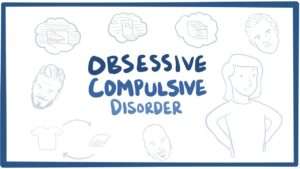
Obsessive-Compulsive Disorder (OCD) is a complex mental health condition marked by persistent, unwanted thoughts (obsessions) and repetitive behaviors (compulsions). While many people recognize the visible rituals associated with OCD—like frequent handwashing or checking—fewer understand the deep and sometimes severe OCD complications that can affect nearly every part of a person’s life.
OCD often develops gradually, and without proper management, its complications can lead to emotional distress, relationship challenges, and disruptions in daily functioning. Recognizing these potential consequences early can make a significant difference in improving overall quality of life.
ocd complications
If you need professional support, consulting the best psychiatrist in Delhi can provide valuable insights and personalized strategies for OCD, Consider Visiting:
Constantly battling intrusive thoughts and performing rituals can lead to severe emotional fatigue. People with OCD often spend large portions of their day managing anxiety triggered by obsessive fears. Over time, this can create a cycle of emotional burnout and heightened stress, reducing the ability to focus, make decisions, or enjoy previously pleasurable activities.
Emotional exhaustion also contributes to feelings of helplessness or frustration, especially when individuals recognize the irrational nature of their compulsions but feel unable to stop them.
2. Social Isolation and Relationship Strain
OCD can make social interactions challenging. Individuals may avoid family gatherings, friendships, or romantic relationships to hide their compulsive behaviors or to avoid triggers that intensify their obsessions.
Loved ones might struggle to understand the condition, which can lead to tension, misunderstandings, and withdrawal. In some cases, partners or family members inadvertently become part of compulsive rituals, creating added stress and resentment. This social isolation can deepen emotional pain and make recovery more difficult.
ocd disease symptoms
3. Decline in Work or Academic Performance
OCD complications often extend into professional and academic settings. Repetitive behaviors, indecision, and perfectionism can interfere with productivity and performance. Individuals might spend excessive time checking tasks, rewriting notes, or redoing work to ensure it feels “just right.”
This constant need for reassurance or repetition can cause missed deadlines, reduced concentration, and workplace stress. Over time, it can affect career growth or academic success, leading to financial or self-esteem issues.
4. Physical Consequences of Compulsive Behavior
Although OCD is primarily a mental health disorder, it can have physical effects due to repetitive or ritualistic behaviors. For instance, constant washing, checking, or cleaning can result in fatigue, skin irritation, or sleep disruption. The ongoing tension from anxiety can also contribute to headaches, muscle stiffness, or digestive discomfort.
These physical manifestations highlight that OCD complications are not only emotional but also affect overall well-being, reinforcing the importance of a holistic management approach.
5. Coexisting Mental Health Conditions
Many individuals with OCD experience other mental health challenges, such as depression, panic disorder, or generalized anxiety. The emotional toll of constantly battling obsessions and compulsions can make a person more vulnerable to additional psychological distress.
When OCD coexists with other conditions, the symptoms can become more severe, making daily functioning even more difficult. Early intervention and psychological support play a key role in addressing these overlapping issues effectively.
6. Impact on Daily Living and Decision-Making
Simple daily tasks—such as cooking, driving, or leaving home—can become complex and time-consuming for someone with OCD. Compulsions like rechecking locks, cleaning surfaces repeatedly, or counting steps can take up hours, leaving little time for personal, social, or professional life.
This constant preoccupation can cause significant functional impairment, leading to frustration and decreased confidence in one’s ability to manage routine responsibilities.
7. Long-Term Quality of Life Challenges
If left unmanaged, OCD can have lasting effects on personal growth and happiness. Individuals might find themselves trapped in rigid patterns that prevent them from pursuing new opportunities or enjoying spontaneous moments.
The disorder can also interfere with forming stable relationships or maintaining independence, ultimately affecting overall life satisfaction. With proper psychological care and community support, however, people with OCD can regain control over their routines and restore balance in their lives.
OCD complications can be profound, affecting emotional, physical, and social aspects of a person’s life. Recognizing these challenges is the first step toward understanding the broader impact of the disorder. By raising awareness and encouraging open conversations about mental health, society can reduce stigma and support individuals in their journey toward improved well-being.
Understanding OCD isn’t just about recognizing compulsions—it’s about acknowledging the human experience behind them and ensuring those affected receive empathy, respect, and access to the resources they deserve.