For general questions, please send us a message and we’ll get right back to you. You can also call us directly to speak with a member of our service team or insurance expert.
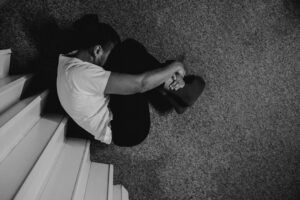
The phobia of dark, medically known as nyctophobia, is a persistent and intense fear of darkness or night. While many children experience fear of the dark as a normal part of development, for some individuals, the fear continues into adulthood and can significantly interfere with daily life. The phobia of dark is not simply about being afraid of what one cannot see—it often reflects deeper anxiety about the unknown, safety, and vulnerability.
phobia of dark
If you need professional support, consulting the best psychiatrist in Delhi can provide valuable insights and personalized strategies for Phobia, Consider Visiting:
The symptoms of the phobia of dark can vary from mild uneasiness to severe panic attacks. Common indicators include:
Rapid heartbeat or chest tightness when in a dark room
Difficulty breathing or a feeling of choking
Trembling, sweating, or dizziness
Urge to escape the dark environment immediately
Difficulty sleeping or needing a light on to fall asleep
Persistent anxiety as nighttime approaches
These reactions are not merely exaggerated fears—they are genuine physical and emotional responses that the brain triggers as a perceived threat.
Why the Phobia of Dark Develops
The phobia of dark can have multiple origins. In many cases, it begins during childhood due to an early frightening experience in the dark. For instance, a child who heard strange noises at night or was left alone in a dark room may associate darkness with danger or helplessness.
However, environmental and psychological factors can also play a role. Overprotective upbringing, witnessing fear reactions from parents, or exposure to frightening media content can all reinforce the fear of darkness.
How the Phobia of Dark Affects Daily Life
Living with a phobia of dark can be exhausting. Many individuals with nyctophobia struggle with disrupted sleep patterns because they fear being in complete darkness. Some may keep multiple lights on throughout the night or avoid outdoor activities that extend into the evening.
This constant state of hyper-vigilance can affect emotional well-being, productivity, and relationships. Over time, the fear can also lead to social withdrawal or chronic fatigue due to poor sleep quality.
7 Effective Ways to Overcome the Phobia of Dark
While overcoming a phobia of dark requires patience and understanding, there are evidence-based strategies that can help individuals gradually regain confidence and peace of mind.
1. Gradual Exposure to Darkness
Exposure therapy—gently facing the source of fear in controlled stages—can help retrain the brain’s fear response. Start by dimming lights slightly before bedtime and slowly reducing brightness over time.
2. Create a Calming Nighttime Routine
Establish a bedtime ritual that signals safety and relaxation. This may include listening to soothing sounds, practicing deep breathing, or reading calming material before sleep.
3. Use Guided Imagery and Visualization
Visualizing peaceful and secure environments can help counteract negative associations with darkness. Imagine being in a serene place where you feel completely safe and at ease.
4. Challenge Negative Thoughts
Cognitive reframing can help replace irrational fears with logical thoughts. For instance, instead of thinking “something bad will happen in the dark,” focus on evidence that your environment is safe.
5. Incorporate Relaxation Techniques
Practices like mindfulness, meditation, or progressive muscle relaxation can reduce overall anxiety and make facing darkness less overwhelming.
6. Seek Professional Support
Mental health professionals, such as therapists specializing in anxiety disorders, can help individuals understand their fear patterns and develop tailored coping strategies.
7. Encourage a Sense of Control
Keeping a nightlight, using soft background sounds, or having comforting objects nearby can help bridge the gap between comfort and complete darkness. Over time, as confidence builds, these aids can be reduced.
Helping Children Cope with the Phobia of Dark
If a child experiences fear of darkness, it’s essential to approach the situation with empathy rather than criticism. Avoid dismissing their fear or forcing them to stay in the dark. Instead, provide reassurance, introduce calming bedtime habits, and use nightlights if needed.
Positive reinforcement—such as praising small steps of courage—can go a long way in building a child’s resilience and reducing their phobia over time.
When to Seek Professional Help
If the phobia of dark significantly disrupts sleep, daily functioning, or emotional well-being, consulting a licensed mental health professional can be beneficial. They can help assess the severity of the phobia and recommend structured interventions.
The phobia of dark is more than just a childhood fear—it’s a real and distressing condition that can affect people of all ages. Understanding its causes and symptoms is the first step toward overcoming it. Through gradual exposure, relaxation, and supportive guidance, individuals can learn to feel safe again, even when the lights go out.
With patience and consistent effort, it’s possible to reclaim peaceful nights and live free from the shadow of fear.