For general questions, please send us a message and we’ll get right back to you. You can also call us directly to speak with a member of our service team or insurance expert.
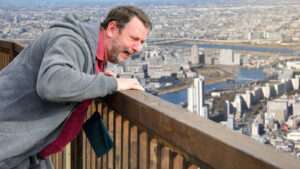
Acrophobia treatment is essential for people who experience extreme fear or anxiety when exposed to heights. Acrophobia—commonly known as the fear of heights—can cause distressing reactions such as dizziness, trembling, or panic even in safe situations. Whether standing on a balcony, climbing stairs, or looking down from a tall building, the fear can feel overwhelming.
This condition can interfere with everyday life, travel, and work activities. Fortunately, with structured therapy and professional support, most individuals can manage and eventually overcome their acrophobia.
acrophobia treatment
If you need professional support, consulting the best psychiatrist in Delhi can provide valuable insights and personalized strategies for Phobia, Consider Visiting:
1. Exposure Therapy: Gradual Desensitization to Fear
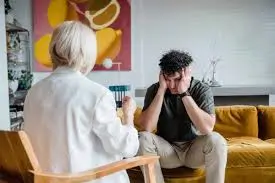
Exposure therapy is one of the most effective methods for acrophobia treatment. It works by gradually and safely exposing individuals to height-related situations in a controlled manner.
The process begins with imagining or visualizing heights and progressively moves toward real-life experiences such as standing on a balcony or climbing stairs. Over time, repeated exposure reduces fear intensity and helps the brain re-learn that heights do not necessarily equal danger.
Cognitive Behavioral Therapy (CBT) focuses on identifying and restructuring negative thoughts associated with heights. For instance, a person might believe that standing on a balcony will inevitably lead to falling. CBT helps individuals challenge and replace such irrational beliefs with realistic, balanced thoughts.
Therapists use practical strategies such as thought journaling, reframing, and behavioral experiments to help patients gradually reduce their anxiety levels. Over time, individuals learn to manage their emotional reactions more effectively.
3. Virtual Reality (VR) Exposure Therapy
Advancements in technology have made Virtual Reality therapy a valuable tool in acrophobia treatment. Using VR headsets, individuals can safely experience simulated height situations—like standing on skyscrapers or looking down from cliffs—under the guidance of a trained therapist.
This approach provides the benefits of real-life exposure while ensuring complete control over the intensity and duration of each session. Studies have shown that VR therapy can produce long-lasting improvements for individuals struggling with acrophobia.
acrophobia therapy
4. Mindfulness and Relaxation Techniques
Anxiety linked to acrophobia often triggers physiological symptoms such as rapid heartbeat, sweating, or shortness of breath. Mindfulness-based stress reduction (MBSR), deep breathing, and guided relaxation techniques can help calm the body’s stress response.
Mindfulness helps individuals stay grounded in the present moment rather than focusing on catastrophic “what if” thoughts. Regular practice can improve emotional regulation and reduce avoidance behaviors associated with heights.
5. Systematic Desensitization
Systematic desensitization combines relaxation exercises with gradual exposure. A therapist helps the individual create a “fear hierarchy” — a list of height-related situations ranked from least to most anxiety-provoking.
For example, the list might start with looking at photos of tall buildings and end with climbing a viewing tower. By practicing relaxation techniques during each exposure level, the person learns to associate calmness rather than fear with the situation.
This method is particularly effective for those who prefer a structured, step-by-step approach to conquering their fear.
Acrophobia can feel isolating, but group therapy offers a safe space to share experiences, discuss challenges, and learn from others’ coping strategies. Peer support helps normalize the fear and encourages individuals to stay consistent with their treatment goals.
Hearing success stories from others who have overcome similar fears can provide motivation and reassurance that recovery is possible.
Local community centers, mental health clinics, and online therapy platforms often provide group therapy sessions focused on phobias and anxiety management.
best psychiatrist in delhi
7. Lifestyle Adjustments and Self-Care Strategies
Incorporating healthy lifestyle habits plays a key role in managing anxiety related to acrophobia. Regular physical activity, balanced nutrition, and sufficient sleep support emotional stability and resilience.
Engaging in calming activities like yoga, meditation, or journaling can further reduce overall stress levels. Over time, these habits complement therapy by improving overall mental well-being and helping individuals handle height-related situations more calmly.
Overcoming Acrophobia: A Journey Toward Confidence
Recovery from acrophobia doesn’t happen overnight—it’s a gradual process that requires consistency, patience, and professional guidance. Whether through exposure therapy, CBT, or mindfulness practices, the goal of acrophobia treatment is not just to eliminate fear but to empower individuals to face it with confidence.
By seeking support from qualified mental health professionals and following structured treatment approaches, individuals can break free from the limitations of acrophobia and enjoy a fuller, more adventurous life.
Emetophobia is a specific phobia characterized by an intense and persistent fear of vomiting. People with emetophobia may fear vomiting themselves, seeing or hearing someone else vomit, or even feeling nauseous. This fear can be so strong that it interferes with daily life — influencing what people eat, where they go, or how they interact with others.
If you need professional support, consulting the best psychiatrist in Delhi can provide valuable insights and personalized strategies for Acrophobia , Consider Visiting:
Unlike a simple dislike of being sick, emetophobia is rooted in anxiety and avoidance behaviors that can significantly impact well-being and quality of life.
Common Symptoms of Emetophobia
Individuals with emetophobia often experience both physical and emotional symptoms. These may vary in severity from person to person.
Physical symptoms can include:
Rapid heartbeat or palpitations
Sweating or trembling
Nausea or dizziness when thinking about vomiting
Stomach discomfort
Emotional symptoms may involve:
Intense anxiety about being near sick individuals
Avoiding certain foods or social gatherings
Checking food labels or expiration dates excessively
Feeling distressed by words or images related to vomiting
This constant fear may lead to social isolation or challenges at work, especially when avoidance behaviors take over routine activities.
Possible Causes and Triggers
The exact cause of emetophobia is not always clear, but it often develops from a combination of experiences and psychological factors.
Some individuals report that their fear began after a distressing vomiting incident during childhood — either their own or someone else’s. Others may have observed a severe illness in a loved one that triggered lasting anxiety.
In addition, personality traits such as high sensitivity, perfectionism, or a tendency toward control can contribute to the development of emetophobia.
How Emetophobia Affects Daily Life
Emetophobia can influence a person’s life in many subtle and significant ways. For example:
Food Choices: Individuals may avoid foods they believe could cause nausea or food poisoning.
Social Activities: Fear of encountering someone sick can lead to avoiding restaurants, parties, or travel.
Work or School: Worry about exposure to illness can interfere with attendance or performance.
Family Life: The phobia may cause tension if others do not understand the fear or its seriousness.
The emotional burden can be heavy — people often feel embarrassed about their fear, which can prevent them from seeking support.
Coping Strategies and Support Options
Managing emetophobia usually involves addressing both the fear and the underlying anxiety. While each person’s experience is unique, several coping strategies have proven helpful for many:
Education and Awareness: Understanding that emetophobia is a recognized anxiety disorder can help reduce self-blame and encourage seeking support.
Relaxation Techniques: Deep breathing, mindfulness, and grounding exercises can calm the body’s stress response when anxiety arises.
Gradual Exposure: Under professional guidance, gentle and structured exposure to triggering situations can help desensitize the fear response.
Professional Support: Talking with a licensed therapist or counselor specializing in anxiety or phobias can provide tools for managing thoughts and reactions.
When to Seek Professional Help
If emetophobia begins to affect relationships, daily routines, or overall well-being, it may be time to seek help from a qualified mental health professional. Early intervention can prevent the fear from becoming more severe and improve quality of life.
A healthcare provider can assess the symptoms, rule out other possible causes of distress, and recommend evidence-based treatment options tailored to the individual’s needs.
While emetophobia can feel overwhelming, many people successfully manage their fears with consistent effort and the right support. Building resilience through relaxation, self-awareness, and trusted therapeutic methods can help restore confidence in everyday activities.
Over time, learning to face anxiety with understanding — rather than avoidance — can open the door to a calmer, more fulfilling life.
Acrophobia, the intense fear of heights, affects millions of people worldwide. While many individuals feel uneasy when standing on a tall building or looking down from a bridge, those with acrophobia experience much stronger and more disruptive reactions. Recognizing acrophobia symptoms is the first step toward understanding this condition and seeking appropriate support.
acrophobia symptoms
If you need professional support, consulting the best psychiatrist in Delhi can provide valuable insights and personalized strategies for Acrophobia , Consider Visiting:
In this article, we’ll explore the most common symptoms of acrophobia, how they manifest, and why they matter in everyday life.
1. Intense Anxiety When Facing Heights
One of the hallmark acrophobia symptoms is overwhelming anxiety when exposed to high places. This reaction is often disproportionate to the actual danger. For example, standing on a balcony with a secure railing might trigger racing thoughts, panic, or a strong urge to retreat.
2. Physical Reactions to Heights
Acrophobia often triggers noticeable physical responses that mirror the body’s natural “fight-or-flight” response. These symptoms may include:
Rapid heartbeat or palpitations
Shortness of breath
Sweating or chills
Dizziness or feeling faint
Nausea or upset stomach
These physical sensations can be so intense that individuals avoid activities like climbing stairs, using elevators with glass walls, or even watching videos filmed from great heights.
phobia of heights
3. Panic Attacks
In some cases, acrophobia symptoms escalate into full-blown panic attacks. These episodes may involve trembling, chest tightness, or a feeling of losing control. The unpredictability of panic attacks can make individuals more fearful, reinforcing avoidance behaviors. The American Psychiatric Association notes that panic responses are a key feature of many phobias, including acrophobia.
4. Avoidance of Everyday Situations
Avoidance is a defining characteristic of acrophobia. People may go out of their way to steer clear of situations involving heights—even those that are part of daily routines. Examples include:
Refusing to climb a ladder
Avoiding high-rise buildings
Choosing longer routes to sidestep bridges or overpasses
Skipping social activities held at rooftop venues
Over time, avoidance can restrict lifestyle choices and limit professional or personal opportunities.
5. Distorted Perception of Heights
Another common acrophobia symptom is an altered sense of space and safety when looking down from high places. Individuals may perceive the height as greater than it is, or feel as though they might fall even when securely behind a barrier. This distorted perception intensifies fear and fuels other physical and emotional symptoms.
6. Emotional Distress and Anticipatory Anxiety
Acrophobia isn’t only about the moment a person faces heights. Many experience anticipatory anxiety, meaning they worry excessively about future encounters with high places. This emotional distress may manifest as:
Restlessness before a planned event involving heights
Difficulty concentrating due to preoccupation with fear
Sleep disturbances caused by recurring worries
This constant worry adds another layer of difficulty to daily living.
7. Impact on Relationships and Quality of Life
Acrophobia symptoms don’t exist in isolation—they often affect relationships, work, and overall well-being. Friends or family members may struggle to understand the intensity of the fear, which can lead to feelings of isolation. For example, someone might decline a family vacation because it involves air travel or sightseeing at elevated locations.
When to Seek Help
If acrophobia symptoms significantly disrupt your daily life, relationships, or professional opportunities, it’s important to seek support from a qualified mental health professional. Early recognition and guidance can make a meaningful difference.
best psychiatrist in delhi
Final Thoughts
Acrophobia symptoms extend far beyond simple discomfort with heights. They involve a combination of physical, emotional, and behavioral responses that can limit personal freedom and quality of life. By identifying these signs early, individuals can better understand their experiences and take proactive steps toward managing this phobia.
Understanding acrophobia is not about “just getting over it.” It’s about acknowledging the reality of the fear and exploring healthy ways to cope with it. With awareness and professional guidance, individuals can regain control and live more fulfilling lives—even when heights are unavoidable.
Acrophobia is the extreme fear of heights, a condition that goes beyond ordinary caution or nervousness when standing at a high place. While it is normal for people to feel some unease at the edge of a tall building or cliff, acrophobia triggers overwhelming anxiety even in situations where there is no real danger. This phobia can interfere with daily life, travel, and work, making it important to understand its roots and possible coping methods.
acrophobia
If you need professional support, consulting the best psychiatrist in Delhi can provide valuable insights and personalized strategies for Acrophobia , Consider Visiting:
People with acrophobia often experience both physical and emotional reactions when faced with heights, or even when imagining them. Common symptoms include:
Intense anxiety or panic when near heights
Sweating, trembling, or dizziness
Rapid heartbeat and shortness of breath
Feeling out of control or an urge to escape
Avoiding situations such as climbing stairs, using escalators, or looking out of tall windows
These symptoms can arise even in relatively safe environments, such as standing on a balcony or using a glass elevator.
Causes of Acrophobia
Acrophobia does not have a single cause; rather, it is shaped by a mix of biological, psychological, and environmental factors. Some of the most common contributors include:
Past experiences: A fall or frightening incident at a young age can create long-lasting fear.
Learned behavior: Observing others reacting fearfully to heights may reinforce similar feelings.
Evolutionary factors: Some scientists suggest that humans may be naturally cautious of heights for survival reasons.
Research from institutions such as the National Health (NH) shows that phobias often stem from a combination of inherited traits and environmental influences.
being scared of heights
Acrophobia vs. Normal Fear of Heights
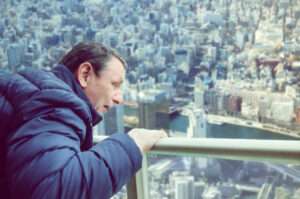
It is important to distinguish acrophobia from a typical fear of heights. Many people feel uneasy when peering over the edge of a skyscraper, but this is usually temporary and manageable. Acrophobia, on the other hand, produces overwhelming and persistent fear, often leading individuals to avoid everyday situations. This avoidance can interfere with travel, leisure activities, and even professional opportunities.
Impact of Acrophobia on Daily Life
Acrophobia can have a significant effect on lifestyle and well-being. For example:
Travel restrictions: People may avoid flying, crossing bridges, or visiting tall landmarks.
Work limitations: Jobs that involve climbing ladders, working in tall buildings, or even attending meetings on higher floors may feel impossible.
Emotional strain: Constant avoidance can lead to feelings of isolation or frustration, reducing quality of life.
Coping Strategies for Acrophobia
While overcoming acrophobia can be challenging, many people find ways to manage their symptoms and gradually regain confidence. Some helpful approaches include:
Gradual exposure: Slowly facing height-related situations in a controlled way can help reduce fear over time.
Relaxation techniques: Breathing exercises, mindfulness, and grounding methods may ease anxiety.
Professional support: Therapists often use evidence-based techniques like cognitive behavioral strategies to help individuals reshape their thought patterns.
Education and awareness: Learning about acrophobia and how the body responds to fear can make experiences less overwhelming.
best psychiatrist in delhi
When to Seek Professional Help
If fear of heights severely limits daily activities or causes intense distress, seeking professional help can be beneficial. Early support not only provides relief but also helps prevent the fear from escalating. Trained professionals can offer personalized approaches that build confidence and improve overall quality of life.
Final Thoughts
Acrophobia, the persistent fear of heights, affects countless individuals worldwide. Understanding its symptoms, causes, and impacts is the first step toward managing it effectively. With awareness, supportive coping techniques, and professional guidance when needed, individuals can learn to navigate their fear and live with greater freedom.
Phobias are more than just simple fears. They are intense, irrational fears of specific objects, situations, or activities that can significantly interfere with daily life. Phobias are one of the most common anxiety disorders affecting millions of people worldwide. In this article, we will explore 10 different phobias, shedding light on their characteristics, triggers, and how they can influence everyday living.
different phobias
If you need professional support, consulting the best psychiatrist in Delhi can provide valuable insights and personalized strategies for Phobias , Consider Visiting:
One of the most well-known phobias, arachnophobia involves an intense fear of spiders. Even the thought of a spider can cause distress for individuals with this phobia. While spiders play an important role in ecosystems, for those with arachnophobia, they can trigger overwhelming anxiety.
2. Acrophobia: Fear of Heights
Acrophobia is the fear of heights, which can cause people to avoid tall buildings, bridges, or even climbing ladders. For some, simply looking out of a window from an upper floor can bring about dizziness and panic. This phobia can limit personal and professional opportunities if left unaddressed.
3. Claustrophobia: Fear of Enclosed Spaces
Claustrophobia is characterized by the fear of being in small or confined spaces such as elevators, tunnels, or crowded rooms. This phobia often results in individuals avoiding travel by subway or choosing not to enter narrow places, impacting mobility and lifestyle.
4. Trypanophobia: Fear of Needles
Many people feel nervous about injections, but for those with trypanophobia, the fear of needles is much more severe. It can lead to avoiding medical care, which may affect health monitoring and check-ups. According to the Centers for Disease Control and Prevention (CDC), vaccines and injections are crucial for overall health, highlighting the challenges this phobia can pose.
5. Social Phobia: Fear of Social Situations
Also known as social anxiety disorder, social phobia involves an intense fear of being judged, embarrassed, or negatively evaluated in social or performance situations. This can make everyday interactions—such as speaking in public, attending gatherings, or even making phone calls—extremely stressful.
6. Aerophobia: Fear of Flying
Aerophobia, or the fear of flying, can prevent individuals from traveling for work, leisure, or family visits. The phobia may stem from concerns about crashes, turbulence, or loss of control. Despite modern air travel being one of the safest modes of transportation, aerophobia remains common worldwide.
7. Mysophobia: Fear of Germs
Mysophobia, sometimes referred to as germophobia, is the fear of germs and contamination. People with this phobia may engage in excessive cleaning, handwashing, or avoidance of public spaces to prevent exposure. According to the National Institutes of Health (NIH), anxiety related to contamination can be a significant part of certain anxiety disorders.
8. Nyctophobia: Fear of Darkness
Nyctophobia, often starting in childhood, is the fear of darkness or nighttime. While it is common among children, many adults also struggle with this phobia. It may lead to difficulty sleeping or avoiding nighttime activities altogether.
9. Glossophobia: Fear of Public Speaking
Glossophobia, the fear of public speaking, is extremely prevalent. Even highly skilled professionals can experience this phobia, which triggers nervousness, sweating, or trembling when speaking in front of an audience. Since communication is vital in many areas of life, glossophobia can affect personal growth and career development.
10. Agoraphobia: Fear of Open or Crowded Places
Agoraphobia involves the fear of being in situations where escape may feel difficult, such as open spaces, public transport, or crowded areas. In severe cases, individuals may feel unable to leave their homes. According to the NIMH, agoraphobia is closely linked to panic disorder and can have a profound impact on independence.
Learning about different phobias helps increase empathy and reduces stigma. Phobias are not simply “quirks” or “overreactions”—they are genuine mental health challenges that can disrupt lives. By raising awareness, society can provide better support for individuals who live with these fears.
Final Thoughts
Phobias are diverse and can affect anyone, regardless of age or background. From spiders and heights to social interactions and public speaking, phobias highlight the complex ways fear can manifest. Understanding them allows us to be more compassionate toward those who experience them and encourages supportive environments in both personal and professional settings.
Achluophobia, commonly known as the fear of darkness, is more than just feeling uneasy in a dimly lit room. It is a specific phobia that can significantly impact a person’s daily life, causing distress and avoidance behaviors. This article provides 7 key insights into achluophobia, based on scientific research and authoritative sources, to help you understand this condition with clarity and compassion.
achluophobia
If you need professional support, consulting the best psychiatrist in Delhi can provide valuable insights and personalized strategies for phobia, Consider Visiting:
Achluophobia is classified as a specific phobia, a type of anxiety disorder where an individual experiences an excessive and irrational fear of darkness. While many people feel a bit uneasy in the dark, those with achluophobia experience intense fear that can lead to panic attacks or severe anxiety. The fear is often disproportionate to the actual threat and can interfere with everyday activities such as sleeping, going out after sunset, or being in dark places.
Common Causes of Achluophobia
The origins of achluophobia can be traced back to several factors, though the exact cause may vary from person to person. Common contributors include:
Traumatic experiences: A frightening experience in the dark during childhood can lead to long-lasting fear.
Genetic predisposition: Anxiety disorders often run in families, suggesting a hereditary component.
Learned behavior: Observing fearful reactions to darkness from parents or caregivers may reinforce this fear.
Recognizing the Symptoms
People suffering from achluophobia may experience a wide range of symptoms when exposed to darkness, such as:
Rapid heartbeat or palpitations
Sweating
Shortness of breath
Trembling
Nausea
Feelings of dread or panic
These symptoms can occur even if the person is in a safe and familiar environment, making the phobia particularly challenging.
Impact on Daily Life
The effects of achluophobia extend beyond occasional discomfort. Individuals may avoid situations where darkness is involved, such as:
Sleeping without nightlights
Traveling at night
Attending evening social events
This avoidance can severely restrict personal freedom and professional opportunities, sometimes leading to isolation or depression. The Centers for Disease Control and Prevention (CDC) highlights that anxiety disorders, including specific phobias, are among the most common mental health conditions in the United States, affecting millions of adults and children.
Diagnosing Achluophobia
Diagnosis typically involves a comprehensive psychological evaluation by a licensed mental health professional. The assessment focuses on understanding the severity, triggers, and impact of the fear. Standardized questionnaires or interviews are often used to differentiate achluophobia from other anxiety disorders or medical conditions.
The Diagnostic and Statistical Manual of Mental Disorders (DSM-5) classifies specific phobias, including achluophobia, under anxiety disorders, based on criteria such as the intensity of fear, avoidance behaviors, and duration of the symptoms .
Coping Strategies for Daily Challenges
While this article does not discuss medical treatments, there are practical strategies that individuals can use to manage the impact of achluophobia:
Establish a safe environment: Use nightlights or keep familiar objects nearby to reduce anxiety during dark hours.
Gradual exposure: Slowly increasing time spent in low-light situations may help build tolerance.
Mindfulness and relaxation techniques: Practicing breathing exercises or guided meditation can reduce anxiety symptoms when facing darkness.
These techniques can help sufferers regain a sense of control over their fear and improve their overall quality of life.
If the fear of darkness is significantly impairing daily functioning or causing extreme distress, consulting a mental health professional is strongly recommended. Therapists specializing in anxiety disorders can provide tailored guidance and psychological therapies such as cognitive-behavioral therapy (CBT), which is recognized as an effective approach for specific phobias.
Understanding achluophobia is essential for fostering empathy and promoting supportive environments for those affected. With the right knowledge and resources, individuals can better navigate the challenges posed by this phobia.