For general questions, please send us a message and we’ll get right back to you. You can also call us directly to speak with a member of our service team or insurance expert.
Fear is a universal human experience. It is a natural emotional response designed to protect us from danger, yet for many people, fear extends far beyond immediate threats and begins to influence thoughts, behavior, and quality of life. Understanding the most common fears can help normalize these experiences and encourage healthier ways of responding to them.
If you need professional support, consulting the best psychiatrist in Delhi can provide valuable insights and personalized strategies for Fear Treatment. Consider Visiting:
Below is a detailed look at some of the most common fears, why they occur, and how they may affect everyday functioning.
most common fears
Understanding Fear: A Normal Human Response
Fear originates in the brain’s survival system. It prepares the body to respond to perceived danger by increasing alertness and focus. While fear can be helpful in genuinely risky situations, persistent or exaggerated fears may interfere with relationships, work, and personal growth.
Fear and anxiety exist on a spectrum, ranging from mild concern to intense emotional distress that can impact daily life. Recognizing fear is often the first step toward managing it effectively.
Fear of Failure
Fear of failure is one of the most common fears, particularly in academic, professional, and personal settings. People experiencing this fear may avoid challenges, procrastinate, or set unrealistically high standards for themselves. This fear is often linked to self-esteem and past experiences of criticism or disappointment.
Fear of Rejection
The fear of rejection stems from a fundamental human need for acceptance and belonging. It may manifest as avoidance of social situations, difficulty expressing opinions, or hesitation in forming close relationships. Over time, this fear can limit personal and professional opportunities.
Fear of Public Speaking
Public speaking consistently ranks among the most common fears worldwide. Many individuals experience intense nervousness when speaking in front of an audience, even in small groups. This fear is often driven by concern about judgment, embarrassment, or making mistakes in front of others.
Fear of Heights
Fear of heights, also known as acrophobia, involves intense discomfort when exposed to elevated places such as balconies, bridges, or tall buildings. This fear is closely related to the body’s natural instinct to avoid falling, but it can become problematic when it restricts everyday activities or travel.
Fear of the Unknown
Uncertainty can be deeply unsettling. The fear of the unknown often arises during life transitions, such as career changes, moving to a new place, or facing unfamiliar situations. This fear is linked to the brain’s preference for predictability and control.
The Centers for Disease Control and Prevention (CDC) notes that prolonged stress related to uncertainty can impact overall well-being and emotional health.
Fear of Illness or Health-Related Concerns
Many people experience persistent worry about their health or the health of loved ones. While being attentive to health is important, excessive fear may lead to constant checking, reassurance-seeking, or heightened sensitivity to bodily sensations.
Fear of Social Situations
Social fear involves discomfort or anxiety in interactions with others, particularly in unfamiliar settings. This may include fear of being judged, embarrassed, or misunderstood. Over time, social fear can reduce confidence and limit participation in everyday activities.
Fear of Death
Fear of death is a deeply rooted and complex fear. It may involve concerns about the unknown, loss of control, or the impact of one’s absence on loved ones. While this fear is universal, it varies greatly in intensity from person to person.
The National Institutes of Health (NIH) highlights that existential fears are a normal part of human development and reflection, especially during periods of stress or major life changes.
Fear of Losing Loved Ones
This fear is closely tied to emotional attachment and care for others. It may result in excessive worry, overprotection, or difficulty coping with separation. Although rooted in love and concern, unmanaged fear can create ongoing emotional strain.
Fear of Change
Change often brings uncertainty, even when it is positive. Fear of change can cause individuals to remain in unsatisfying situations simply because they feel familiar. This fear is commonly associated with concerns about competence, stability, and future outcomes.
Why Understanding Common Fears Matters
Recognizing the most common fears helps reduce stigma and promotes self-awareness. Fear does not indicate weakness; rather, it reflects the brain’s attempt to protect the individual. When fears are acknowledged and understood, people are better equipped to respond thoughtfully instead of reactively.
Developing healthy coping strategies, building emotional awareness, and seeking reliable information are essential steps toward managing fear effectively. Understanding fear is not about eliminating it entirely, but about learning how to live fully despite it.
best psychiatrist in delhi
Conclusion
The most common fears are shared by people across cultures, ages, and backgrounds. Whether it is fear of failure, rejection, uncertainty, or loss, these experiences are deeply human. By increasing awareness and understanding, individuals can begin to approach their fears with compassion, clarity, and confidence, leading to improved emotional well-being and a more fulfilling life.
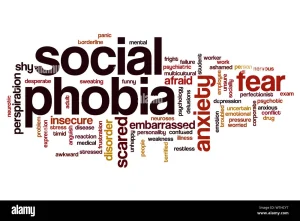
Social interactions are a natural part of everyday life, yet for some individuals they can trigger overwhelming fear and distress. Social phobia disorder, also known as social anxiety disorder, is a recognized mental health condition that goes far beyond ordinary nervousness. It can significantly affect personal relationships, education, and professional growth if left unaddressed. This article provides a clear, evidence-based overview to help readers better understand the condition and its real-world impact.
social phobia disorder
If you need professional support, consulting the best psychiatrist in Delhi can provide valuable insights and personalized strategies for Social Phobia. Consider Visiting:
Social phobia disorder is characterized by an intense and persistent fear of social or performance situations where one may be observed, judged, or evaluated by others. Common examples include speaking in meetings, attending social gatherings, eating in public, or interacting with unfamiliar people. The fear is often disproportionate to the actual situation, yet feels very real and distressing to the person experiencing it.
According to the National Institute of Mental Health (NIMH), social anxiety disorder is among the most common anxiety-related conditions worldwide and often begins during adolescence or early adulthood.
2. Common Signs and Symptoms
People with social phobia disorder may experience symptoms across emotional, physical, and behavioral domains. Emotional symptoms often include intense fear of embarrassment, excessive self-consciousness, and worry days or weeks before a social event. Physical responses may involve sweating, trembling, rapid heartbeat, or difficulty speaking in social situations.
Behaviorally, individuals may avoid social settings altogether or endure them with significant distress. Over time, this avoidance can limit opportunities for learning, career advancement, and meaningful social connection.
3. How Social Phobia Disorder Differs From Shyness
Shyness is a personality trait and typically does not interfere significantly with daily functioning. Social phobia disorder, by contrast, is more severe and persistent. The fear is intense enough to disrupt normal routines and is often accompanied by a strong desire to escape or avoid social exposure.
The Centers for Disease Control and Prevention (CDC) emphasizes that anxiety disorders are diagnosed when fear or worry becomes excessive, long-lasting, and interferes with daily life.
4. Underlying Causes and Risk Factors
There is no single cause of social phobia disorder. Research suggests that it develops through a combination of biological, psychological, and environmental factors. These may include genetic vulnerability, early life experiences such as criticism or bullying, and learned patterns of fear related to social evaluation.
Certain temperamental traits, such as behavioral inhibition or heightened sensitivity to social feedback, may also increase susceptibility. Understanding these factors helps normalize the condition and reduce self-blame.
5. Impact on Daily Life and Well-Being
The effects of social phobia disorder can extend far beyond social discomfort. Academic performance may suffer due to fear of participation or presentations. At work, individuals may avoid meetings, leadership roles, or collaborative tasks, limiting career growth.
Social isolation can also affect emotional well-being, contributing to reduced confidence and a diminished quality of life. Recognizing the broader impact highlights why early awareness and support are so important.
6. Diagnosis and Professional Evaluation
A formal diagnosis of social phobia disorder is typically made by a qualified mental health professional using established diagnostic criteria. This process involves a detailed discussion of symptoms, their duration, and how they affect daily functioning.
Institutions such as the National Institutes of Health (NIH) stress the importance of accurate assessment to differentiate social anxiety from other mental health conditions and to guide appropriate care.
7. Building Awareness and Reducing Stigma
One of the most significant barriers faced by individuals with social phobia disorder is stigma. Misunderstandings can lead others to dismiss the condition as mere nervousness or lack of confidence. Public education and open conversations play a vital role in reducing shame and encouraging empathy.
When social phobia disorder is understood as a legitimate and manageable mental health condition, individuals are more likely to seek guidance and adopt coping strategies that support long-term well-being.
best psychiatrist in delhi
Conclusion
Social phobia disorder is a common yet often misunderstood condition that can deeply affect how individuals experience the world around them. By learning about its symptoms, causes, and impact, readers can develop greater empathy for those affected and recognize the importance of informed support. Increased awareness not only helps individuals feel less alone but also fosters healthier, more inclusive communities where mental health is taken seriously.
Phobias are among the most common anxiety-related conditions that people experience. They are characterized by an intense, irrational fear of specific objects, situations, or activities. While fear is a natural response to danger, phobias differ because the perceived threat is often much greater than the actual risk. In this article, we’ll explore all phobias, their most common forms, what causes them, and how individuals can better understand and cope with them.
all phobias
If you need professional support, consulting the best psychiatrist in Delhi can provide valuable insights and personalized strategies for Phobias, Consider Visiting:
A phobia is a strong, persistent, and often overwhelming fear of a particular object or situation. People with phobias may go to great lengths to avoid their triggers, which can significantly affect daily life, work, and relationships. Specific phobias are among the most prevalent mental health conditions in the United States.
Phobias fall under the broader category of anxiety disorders and can manifest both physically and emotionally. Common symptoms may include rapid heartbeat, sweating, trembling, shortness of breath, and a strong desire to escape the situation.
How Phobias Develop
The exact cause of phobias can vary from person to person. In many cases, phobias are learned responses — a fear that develops after a negative experience or through observation. Genetic factors, early life experiences, and environmental influences can all contribute to the development of phobias.
For example, if someone was bitten by a dog as a child, they may later develop a strong fear of dogs (cynophobia). Similarly, witnessing someone else react fearfully to an object or event can also trigger the development of a phobia.
Types of Phobias
Phobias are typically divided into three main categories: specific phobias, social phobia, and agoraphobia. Let’s explore the most recognized examples.
1. Specific Phobias
These involve fear of particular objects or situations. Common examples include:
Acrophobia – Fear of heights
Arachnophobia – Fear of spiders
Ophidiophobia – Fear of snakes
Cynophobia – Fear of dogs
Claustrophobia – Fear of enclosed spaces
Specific phobias can lead to intense distress when the individual is exposed to the feared object, even if it poses no real threat.
different phobias
2. Social Phobia (Social Anxiety Disorder)
Social phobia involves an extreme fear of being judged, embarrassed, or humiliated in social situations. It’s more than shyness — it can prevent people from speaking up, attending gatherings, or interacting with others. According to MedlinePlus, social anxiety can have a profound impact on relationships and professional life if left unaddressed.
3. Agoraphobia
Agoraphobia is the fear of being in situations where escape might be difficult or help unavailable. People with agoraphobia may avoid crowded places, public transport, or even leaving their homes. It’s one of the most debilitating forms of phobia, as it can severely limit independence and mobility.
Unusual and Rare Phobias
While the phobias above are well known, there are hundreds of lesser-known fears that can be equally distressing. Some examples include:
Trypophobia – Fear of clustered holes or patterns
Nomophobia – Fear of being without a mobile phone
Atychiphobia – Fear of failure
Glossophobia – Fear of public speaking
Understanding all phobias — both common and rare — helps reduce stigma and encourages compassion toward those affected.
Effects of Phobias on Daily Life
Phobias can interfere with work, relationships, and overall well-being. Avoidance behaviors often become a central part of life, limiting opportunities for growth and personal fulfillment. The physical symptoms of phobia — such as panic attacks, nausea, or dizziness — can further intensify fear, creating a cycle that feels hard to break.
Phobias can also coexist with other mental health conditions like generalized anxiety disorder or depression, making early recognition important for recovery and support.
Coping and Support Strategies
While each person’s experience with phobia is unique, there are several healthy ways to manage fear responses. Seeking help from a licensed mental health professional can make a significant difference. Support groups, stress management practices, and gradual exposure to feared situations under professional guidance have proven helpful for many people.
Education and awareness also play key roles. Learning more about how the brain processes fear can empower individuals to take positive steps toward recovery. For more detailed information on phobia research and resources, visit the Centers for Disease Control and Prevention (CDC).
best psychiatrist in delhi
Conclusion
Phobias are more than just simple fears — they are powerful emotional responses that can shape how people live their lives. By understanding all phobias, we can create a more empathetic and supportive environment for those affected. Whether the fear is of heights, enclosed spaces, or social situations, recognizing the impact of phobias is the first step toward overcoming them and regaining control over one’s life.
The fear of high places, also known as acrophobia, is one of the most common specific phobias. It’s characterized by intense anxiety or panic when an individual is at a significant height — even if the situation poses little or no real danger. For some, this fear occurs when standing on a tall building, climbing a ladder, or even looking at a steep staircase.
fear of high places
If you need professional support, consulting the best psychiatrist in Delhi can provide valuable insights and personalized strategies for Acrophobia, Consider Visiting:
While many people feel a mild uneasiness when they’re high above the ground, acrophobia goes beyond that. The fear can become overwhelming and may interfere with daily activities, such as traveling, sightseeing, or working in high-rise offices.
Common Symptoms of Fear of High Places
People with acrophobia may experience both physical and psychological symptoms. These can include:
Dizziness, lightheadedness, or nausea
Trembling or sweating
Shortness of breath or a racing heartbeat
Feeling detached from reality
Urge to crawl or hold onto something for safety
Intense desire to escape the situation
These reactions are part of the body’s fight-or-flight response, which activates when we perceive danger — even when no real danger exists.
What Causes the Fear of High Places?
The fear of heights can develop for several reasons:
Evolutionary instincts: From a survival standpoint, fear of falling is natural and protective. However, in some people, this instinct becomes exaggerated.
Traumatic experiences: A past fall or witnessing someone else fall from a height can trigger long-term fear.
Learned behavior: Children may develop acrophobia if they observe parents or caregivers reacting fearfully to heights.
Balance system sensitivity: Some studies suggest that individuals with acrophobia may have a more sensitive balance system in the inner ear, leading to feelings of instability when at heights.
7 Effective Ways to Manage and Overcome the Fear of High Places
1. Start with Gradual Exposure
Gradual or systematic exposure is one of the most effective ways to reduce fear. Begin with mildly challenging situations, such as standing on a low step, and slowly progress to greater heights. Repeated, controlled exposure helps the brain learn that the situation isn’t dangerous.
2. Practice Deep Breathing and Relaxation
When anxiety hits, slow, deep breathing helps calm the nervous system. Try inhaling deeply for four seconds, holding for two, and exhaling for six. Pairing this with progressive muscle relaxation can further ease tension.
3. Visualize Calm and Control
Visualization is a powerful technique. Imagine yourself standing on a high balcony while feeling calm and confident. Visualization helps the brain build positive associations with heights before facing them in real life.
4. Strengthen Your Sense of Balance
Simple exercises like yoga, tai chi, or balance training can improve your body’s stability and reduce feelings of dizziness when you’re up high. A stronger sense of balance helps your mind feel more grounded.
5. Challenge Negative Thoughts
Often, fear of heights is fueled by unrealistic thoughts such as “I’ll fall” or “I’ll lose control.” Learning to recognize and replace these thoughts with logical, reassuring statements (“I am safe here; the railing is strong”) can reduce panic over time.
6. Seek Professional Support
Speaking with a licensed therapist or psychologist experienced in treating phobias can be highly beneficial. Techniques such as cognitive-behavioral therapy (CBT) are proven to help individuals reframe their thoughts and gradually face their fears in a structured way.
7. Build Confidence Through Real-Life Practice
Once you’ve made progress, practice your skills in real-life settings. Visit an observation deck, cross a tall bridge, or hike in elevated areas with safety measures. Each successful experience reinforces your sense of control.
The Importance of Understanding, Not Avoiding
Avoidance may provide short-term relief, but it strengthens the fear over time. Facing the fear of high places with patience, gradual exposure, and support helps retrain the brain’s response. Remember, progress might be slow, but every step forward — no matter how small — is significant.
According to the National Institute of Mental Health (NIMH), specific phobias like acrophobia can cause intense distress and lead individuals to avoid certain places or activities entirely.
best psychiatrist in delhi
Final Thoughts
The fear of high places is deeply human, rooted in our instinct to stay safe. However, when that fear begins to limit your freedom or enjoyment of life, it’s worth addressing through practical strategies and professional guidance.
With consistent effort and the right approach, it’s entirely possible to regain confidence, enjoy new perspectives, and see the world from greater heights — both literally and figuratively.
Nyctophobia, or the intense fear of darkness, is often associated with childhood. However, many adults also experience this overwhelming fear, which can disrupt sleep patterns, increase anxiety, and impact daily functioning. Understanding its root causes, symptoms, and coping strategies is essential for managing nyctophobia in a healthy and informed way.
nyctophobia in adults
If you need professional support, consulting the best psychiatrist in Delhi can provide valuable insights and personalized strategies for Phobia, Consider Visiting:
Nyctophobia in adults is a persistent and excessive fear of darkness or nighttime. While occasional discomfort in dark environments is common, nyctophobia involves intense anxiety that interferes with normal life. This fear may be triggered by past experiences, anxiety disorders, or an overactive imagination associated with darkness.
Common Causes of Nyctophobia
The fear of darkness in adults can stem from various emotional and psychological factors:
Traumatic Experiences: Past incidents such as accidents, natural disasters, or childhood fears can resurface later in life.
Anxiety and Stress: High levels of stress or unresolved emotional conflicts may intensify fear responses during the night.
Influence of Media: Horror movies, frightening stories, or online content can stimulate irrational fears associated with dark spaces.
Biological Factors: Darkness limits visibility, naturally increasing alertness and triggering the body’s “fight or flight” response.
Recognizable Symptoms of Nyctophobia
Adults experiencing nyctophobia may show:
Panic or unease when the lights are off
Difficulty falling asleep or staying asleep
Increased heart rate or sweating during nighttime
Avoidance of dark rooms, basements, or outdoor areas at night
Constant need for light sources, such as lamps or screens, to feel safe
These symptoms may worsen if left unaddressed, leading to sleep deprivation, irritability, and heightened emotional stress.
Impact of Nyctophobia on Daily Life
Although nyctophobia may seem minor, its effects can be far-reaching:
Sleep Disruption: Constant fear of the dark leads to insomnia or disturbed sleep, which affects physical and mental well-being.
Emotional Strain: Persistent fear causes emotional exhaustion, tension, and mood swings.
Social Limitation: Avoiding evening outings or dark environments can affect social interactions and relationships.
Reduced Productivity: Poor sleep and heightened anxiety may decrease energy and focus during the day.
Healthy Coping Strategies for Nyctophobia in Adults
Managing nyctophobia involves calming the mind and reducing fear responses with supportive techniques:
Gradual Exposure to Darkness: Slowly spending time in dimly lit spaces helps build confidence and lowers fear over time.
Relaxation Techniques: Deep breathing, mindfulness exercises, or gentle stretching before bedtime can calm the body and reduce anxiety.
Nighttime Routine: Creating a peaceful evening ritual—such as reading, listening to soft music, or journaling—signals safety and relaxation to the brain.
Use of Soft Lighting: Instead of complete darkness, using warm nightlights or indirect lighting can provide comfort without disrupting natural sleep rhythms.
Professional Support: Mental health professionals can offer guidance, emotional support, and effective coping strategies to address fear from its root.
Importance of Emotional Support
Support from family and friends plays a critical role in overcoming nyctophobia. Talking openly about fears helps reduce feelings of isolation. Encouraging a calm environment, offering reassurance, or simply listening can make a significant difference in emotional healing.
best psychiatrist in delhi
When to Seek Professional Help
If nyctophobia severely disrupts daily life or causes persistent distress, reaching out to a mental health expert is an important step. Psychologists and counselors can assist in identifying triggers and provide structured techniques to handle fear more effectively. Trusted mental health information can also be found on websites such as:
These institutions offer scientifically backed resources about phobias, anxiety, and mental wellness.
Final Thoughts
Nyctophobia in adults is more common than many realize. It is a real and valid emotional experience that deserves understanding, compassion, and appropriate support. While fear of the dark can feel overwhelming, acknowledging it is the first step toward healing. With consistent coping strategies, emotional support, and professional guidance, adults living with nyctophobia can regain confidence, improve sleep, and restore peace of mind.
The phobia of dark, medically known as nyctophobia, is a persistent and intense fear of darkness or night. While many children experience fear of the dark as a normal part of development, for some individuals, the fear continues into adulthood and can significantly interfere with daily life. The phobia of dark is not simply about being afraid of what one cannot see—it often reflects deeper anxiety about the unknown, safety, and vulnerability.
phobia of dark
If you need professional support, consulting the best psychiatrist in Delhi can provide valuable insights and personalized strategies for Phobia, Consider Visiting:
The symptoms of the phobia of dark can vary from mild uneasiness to severe panic attacks. Common indicators include:
Rapid heartbeat or chest tightness when in a dark room
Difficulty breathing or a feeling of choking
Trembling, sweating, or dizziness
Urge to escape the dark environment immediately
Difficulty sleeping or needing a light on to fall asleep
Persistent anxiety as nighttime approaches
These reactions are not merely exaggerated fears—they are genuine physical and emotional responses that the brain triggers as a perceived threat.
Why the Phobia of Dark Develops
The phobia of dark can have multiple origins. In many cases, it begins during childhood due to an early frightening experience in the dark. For instance, a child who heard strange noises at night or was left alone in a dark room may associate darkness with danger or helplessness.
However, environmental and psychological factors can also play a role. Overprotective upbringing, witnessing fear reactions from parents, or exposure to frightening media content can all reinforce the fear of darkness.
How the Phobia of Dark Affects Daily Life
Living with a phobia of dark can be exhausting. Many individuals with nyctophobia struggle with disrupted sleep patterns because they fear being in complete darkness. Some may keep multiple lights on throughout the night or avoid outdoor activities that extend into the evening.
This constant state of hyper-vigilance can affect emotional well-being, productivity, and relationships. Over time, the fear can also lead to social withdrawal or chronic fatigue due to poor sleep quality.
7 Effective Ways to Overcome the Phobia of Dark
While overcoming a phobia of dark requires patience and understanding, there are evidence-based strategies that can help individuals gradually regain confidence and peace of mind.
1. Gradual Exposure to Darkness
Exposure therapy—gently facing the source of fear in controlled stages—can help retrain the brain’s fear response. Start by dimming lights slightly before bedtime and slowly reducing brightness over time.
2. Create a Calming Nighttime Routine
Establish a bedtime ritual that signals safety and relaxation. This may include listening to soothing sounds, practicing deep breathing, or reading calming material before sleep.
3. Use Guided Imagery and Visualization
Visualizing peaceful and secure environments can help counteract negative associations with darkness. Imagine being in a serene place where you feel completely safe and at ease.
4. Challenge Negative Thoughts
Cognitive reframing can help replace irrational fears with logical thoughts. For instance, instead of thinking “something bad will happen in the dark,” focus on evidence that your environment is safe.
5. Incorporate Relaxation Techniques
Practices like mindfulness, meditation, or progressive muscle relaxation can reduce overall anxiety and make facing darkness less overwhelming.
6. Seek Professional Support
Mental health professionals, such as therapists specializing in anxiety disorders, can help individuals understand their fear patterns and develop tailored coping strategies.
7. Encourage a Sense of Control
Keeping a nightlight, using soft background sounds, or having comforting objects nearby can help bridge the gap between comfort and complete darkness. Over time, as confidence builds, these aids can be reduced.
Helping Children Cope with the Phobia of Dark
If a child experiences fear of darkness, it’s essential to approach the situation with empathy rather than criticism. Avoid dismissing their fear or forcing them to stay in the dark. Instead, provide reassurance, introduce calming bedtime habits, and use nightlights if needed.
Positive reinforcement—such as praising small steps of courage—can go a long way in building a child’s resilience and reducing their phobia over time.
When to Seek Professional Help
If the phobia of dark significantly disrupts sleep, daily functioning, or emotional well-being, consulting a licensed mental health professional can be beneficial. They can help assess the severity of the phobia and recommend structured interventions.
The phobia of dark is more than just a childhood fear—it’s a real and distressing condition that can affect people of all ages. Understanding its causes and symptoms is the first step toward overcoming it. Through gradual exposure, relaxation, and supportive guidance, individuals can learn to feel safe again, even when the lights go out.
With patience and consistent effort, it’s possible to reclaim peaceful nights and live free from the shadow of fear.