For general questions, please send us a message and we’ll get right back to you. You can also call us directly to speak with a member of our service team or insurance expert.
Fear of heights, clinically known as acrophobia, is a common anxiety disorder affecting millions of people worldwide. It goes beyond the typical discomfort some individuals experience when standing at a high place. For those with a phobia of heights, even thinking about being in high places can trigger intense fear, anxiety, and avoidance behaviors.
If you need professional support, consulting the best psychiatrist in Delhi can provide valuable insights and personalized strategies for Phobia, Consider Visiting:
Understanding the phobia of heights is crucial to increasing awareness and empathy for those affected. Below, we explore key aspects of this condition, supported by trusted sources and evidence-based insights.
phobia of heights
What Is the Phobia of Heights?
Acrophobia is characterized by an irrational and excessive fear of heights, even when there is no immediate danger. Unlike a normal cautionary feeling at a significant altitude, acrophobia causes physical and psychological symptoms that can severely impact daily life. Individuals with this phobia often go to great lengths to avoid situations involving elevation, such as climbing ladders, standing on balconies, or even crossing bridges.
Common Symptoms of Acrophobia
The phobia of heights manifests through a range of symptoms, including:
Rapid heartbeat
Shortness of breath
Dizziness or lightheadedness
Nausea
Sweating
Intense feelings of panic or dread
These symptoms can occur not only when physically at a height but even when imagining high places or watching related images. The severity varies among individuals but often leads to avoidance behaviors that restrict personal and professional opportunities.
What Causes the Phobia of Heights?
Researchers have identified several factors contributing to the development of acrophobia:
Genetic predisposition: A family history of anxiety disorders may increase susceptibility.
Personal experience: Traumatic events involving heights, especially during childhood, can trigger long-lasting fears.
Evolutionary factors: Some experts suggest that a natural caution of heights evolved to protect humans from danger, which in some individuals becomes exaggerated into a phobia.
According to the National Institute of Mental Health (NIMH), phobias are a type of anxiety disorder that typically emerge in childhood or adolescence but can persist into adulthood if not addressed.
Who Is at Risk?
While anyone can develop a phobia of heights, certain groups are more vulnerable:
People with a family history of anxiety disorders
Individuals who experienced a significant traumatic event involving heights
People with other anxiety-related disorders
The fear often becomes more problematic when it interferes with occupational roles, travel, or daily tasks, limiting quality of life.
How Does the Phobia Impact Daily Life?
Acrophobia can significantly affect an individual’s lifestyle. Common challenges include:
Avoiding social activities that involve heights (e.g., sightseeing from tall buildings)
Refusing jobs that require working at heights (e.g., construction work)
Limiting travel due to fear of high-altitude flights or bridges
Experiencing chronic anxiety even in safe situations
Such avoidance can lead to isolation, reduced job opportunities, and increased psychological distress.
Coping Strategies and Support
While treatment approaches vary, several coping strategies can help manage symptoms of acrophobia:
Gradual exposure therapy: A structured, step-by-step approach to facing fears in a safe and controlled environment.
Cognitive-behavioral techniques: Learning to challenge and reframe irrational thoughts about heights.
Relaxation techniques: Practicing breathing exercises and mindfulness to manage acute anxiety symptoms.
It is important to consult qualified mental health professionals for tailored strategies. The Centers for Disease Control and Prevention (CDC) offers resources on managing mental health, including anxiety disorders.
best psychiatrist in delhi
When to Seek Professional Help
Persistent fear that disrupts daily life is a signal to seek professional evaluation. Licensed therapists specializing in anxiety disorders can provide evidence-based interventions that help individuals regain confidence and lead fulfilling lives. Early intervention is key to preventing the phobia from worsening or leading to additional mental health challenges.
Conclusion
The phobia of heights is more than a simple fear—it’s a complex anxiety disorder that affects millions. By understanding its symptoms, causes, and coping strategies, we can foster empathy and provide appropriate support.
Acrophobia, commonly known as the fear of heights, affects millions of people worldwide. While some may only feel mild discomfort when looking down from a tall building, others experience intense anxiety that disrupts their daily life. Fortunately, various acrophobia therapy methods can help individuals manage and gradually overcome this phobia. In this article, we’ll explore seven evidence-based approaches to therapy that empower people to face their fears with confidence.
acrophobia therapy
If you need professional support, consulting the best psychiatrist in Delhi can provide valuable insights and personalized strategies for Phobia, Consider Visiting:
Acrophobia is classified as a specific phobia—an intense, irrational fear triggered by a particular situation. For those with acrophobia, everyday scenarios such as climbing stairs, crossing a bridge, or standing on a balcony can cause overwhelming distress.
Symptoms may include:
Rapid heartbeat
Sweating or trembling
Difficulty breathing
Nausea or dizziness
A strong urge to escape the situation
Recognizing these signs is the first step toward seeking effective acrophobia therapy.
1. Cognitive Behavioral Therapy (CBT)
Cognitive Behavioral Therapy (CBT) is widely recognized as one of the most effective treatments for phobias. Through CBT, individuals work with a therapist to identify negative thought patterns associated with heights and replace them with balanced, realistic perspectives.
2. Exposure Therapy
Exposure therapy involves gradually and safely confronting the fear of heights in controlled environments. For example, someone might start by looking at pictures of tall buildings, then progress to standing on a low step, and eventually work up to higher elevations.
This step-by-step approach helps desensitize the individual to the fear stimulus and reduces avoidance behaviors over time. According to the American Psychological Association (APA), exposure therapy is considered a gold-standard method for phobia treatment.
3. Virtual Reality Therapy
Modern technology has opened new doors in the field of acrophobia therapy. Virtual Reality (VR) therapy allows individuals to experience height-related scenarios—like walking across a suspension bridge—without leaving the safety of a therapist’s office.
4. Mindfulness and Relaxation Techniques
Managing the body’s response to fear is a key part of overcoming acrophobia. Techniques such as deep breathing, progressive muscle relaxation, and mindfulness meditation can help reduce anxiety during height-related exposures.
By practicing these strategies regularly, individuals gain better control over their emotional and physical reactions, making it easier to engage in therapeutic exercises without feeling overwhelmed.
5. Support Groups and Peer Therapy
Sometimes, knowing you’re not alone can make a huge difference. Support groups—both in person and online—provide a safe environment to share experiences, challenges, and successes with others facing similar fears.
Guided peer therapy can foster encouragement, accountability, and motivation to continue progress in treatment. The sense of community often reduces feelings of isolation, which is common among people with specific phobias.
6. Lifestyle Adjustments to Reinforce Therapy
Simple lifestyle practices can complement formal acrophobia therapy. Regular physical activity, sufficient sleep, and healthy routines contribute to better overall resilience against stress and anxiety. Incorporating relaxation habits like yoga or nature walks can also reduce general anxiety levels, making it easier to tackle phobia-related challenges.
7. Professional Guidance and Long-Term Strategies
Seeking help from a licensed mental health professional is one of the most important steps toward recovery. A therapist can create a personalized plan that integrates different therapeutic techniques based on the individual’s needs.
Long-term management often involves ongoing practice and reinforcement of coping strategies. With professional support and consistent effort, many people with acrophobia successfully regain confidence and freedom in their lives.
best psychiatrist in delhi
Final Thoughts
Acrophobia can feel overwhelming, but it does not have to control your life. Evidence-based acrophobia therapy—ranging from CBT and exposure therapy to innovative methods like VR—offers hope and practical tools for overcoming the fear of heights. By taking gradual steps and seeking professional support, individuals can build confidence, reduce anxiety, and enjoy experiences that once seemed impossible.
Many people feel uneasy in the dark, but for some, this discomfort escalates into an intense, overwhelming fear known as fear of night phobia, or nyctophobia. This condition can interfere with daily life, sleep quality, and overall well-being. Understanding the causes, symptoms, and coping strategies is an important step toward managing this phobia and regaining peace of mind.
fear of night phobia
If you need professional support, consulting the best psychiatrist in Delhi can provide valuable insights and personalized strategies for Phobia, Consider Visiting:
In this article, we’ll explore 7 key facts about fear of night phobia, offering insight into what it is, why it happens, and how individuals can cope with it in healthier ways.
1. What Is Fear of Night Phobia?
Fear of night phobia is an excessive and persistent fear of darkness or nighttime settings. Unlike mild nervousness in the dark, this phobia triggers intense anxiety, distress, or panic when night falls or when one is in a dark environment.
This condition often begins in childhood but can also affect adults. While some children naturally outgrow their fear of darkness, others may carry it into adulthood, where it significantly impacts their lifestyle.
2. Common Symptoms of Night Phobia
The symptoms of fear of night phobia vary from person to person but often include both physical and emotional responses. These may include:
Racing heartbeat or rapid breathing when in the dark
Difficulty falling asleep without lights
Sweating, trembling, or dizziness
Strong urge to escape dark places
Persistent worrying as night approaches
These symptoms are often disproportionate to the actual threat, making the phobia difficult to manage without conscious coping strategies.
3. Possible Causes Behind Fear of Night Phobia
The roots of night phobia can be complex, involving a mix of biological, psychological, and environmental factors. Some possible contributors include:
Evolutionary instincts: Darkness historically signaled potential danger, which may explain why some people are naturally more alert in the dark.
Traumatic experiences: Negative events that occurred at night, especially in childhood, can lead to long-term fear associations.
Anxiety sensitivity: Individuals who are prone to anxiety may be more likely to develop phobias such as fear of night.
4. Impact on Daily Life and Sleep
Night phobia can disrupt routines and significantly affect sleep quality. Many people with this condition may struggle with:
Insomnia or restless sleep due to fear of darkness
Avoidance of outdoor activities in the evening
Increased fatigue and reduced productivity during the day
Heightened stress or anxiety in anticipation of nighttime
Over time, poor sleep and constant anxiety can contribute to a decline in both physical and mental health. According to the Centers for Disease Control and Prevention (CDC), sleep is essential for brain function, emotional health, and overall well-being.
5. Differences Between Night Phobia and General Anxiety
It’s important to distinguish fear of night phobia from general anxiety. While both involve worry and fear, phobias are specific and situational. In this case, the trigger is directly tied to nighttime or darkness.
This clear trigger differentiates night phobia from more generalized anxiety conditions. Recognizing this distinction helps in developing more targeted coping strategies.
6. Coping Strategies for Fear of Night Phobia
There are several healthy ways individuals can cope with fear of night phobia:
Gradual exposure: Slowly spending more time in dimly lit environments can help reduce fear responses.
Relaxation techniques: Breathing exercises, mindfulness, and meditation can ease nighttime anxiety.
Creating a calming bedtime routine: Gentle activities such as reading, listening to soothing music, or journaling can prepare the mind for rest.
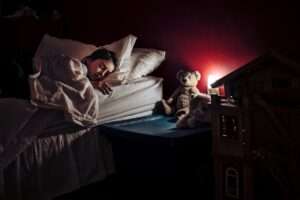
Environmental adjustments: Using a soft nightlight or keeping a familiar object nearby can provide comfort in the dark.
Practical lifestyle adjustments, combined with patience, can make a big difference in managing phobia-related anxiety.
7. When to Seek Professional Support
If fear of night phobia is severely interfering with sleep, daily functioning, or emotional health, it may be time to seek professional guidance. Mental health professionals can help individuals explore the root causes and develop personalized coping strategies.
best psychiatrist in delhi
Conclusion
The fear of night phobia is more than just a childhood fear—it can be a serious challenge that affects people well into adulthood. By understanding its symptoms, causes, and coping methods, individuals can take important steps toward regaining control over their nights.
With the right strategies, supportive resources, and a compassionate approach, it’s possible to reduce anxiety and restore a sense of safety, even in the dark.
Fear of the dark is a common experience, especially in childhood. However, when this fear becomes overwhelming, persistent, and interferes with daily life, it may develop into a phobia known as nyctophobia. Understanding darkness fear phobia symptoms is essential to recognize when ordinary fear turns into a condition that requires greater attention. This article explores the main symptoms, their impact, and helpful resources for support.
If you need professional support, consulting the best psychiatrist in Delhi can provide valuable insights and personalized strategies for Phobia Strategies, Consider Visiting:
Darkness fear phobia, also called nyctophobia, is an intense and irrational fear of darkness or nighttime environments. Unlike the usual unease people may feel in dimly lit places, phobia symptoms are severe enough to trigger physical, emotional, and behavioral responses. This condition is not limited to children—adults can also struggle with it, often finding it disruptive to sleep, work, and overall well-being.
1. Intense Anxiety in Dark Environments
One of the hallmark symptoms is severe anxiety when exposed to darkness. Individuals may feel their heart racing, palms sweating, or a sense of impending danger even when there is no actual threat. This anxiety can appear immediately when the lights go out, making it difficult to relax or concentrate.
2. Avoidance of Dark Places
People with this phobia often go out of their way to avoid situations where darkness may occur. This may include:
Sleeping with multiple lights on
Refusing to go outdoors after sunset
Avoiding basements, theaters, or unfamiliar dimly lit spaces
Over time, this avoidance can interfere with social life, work responsibilities, and personal independence.
3. Sleep Disturbances
Difficulty sleeping is another common darkness fear phobia symptom. Individuals may struggle with:
Insomnia due to fear of the dark
Nightmares that reinforce anxious feelings
Trouble staying asleep if they wake up in darkness
Poor sleep quality can contribute to fatigue, irritability, and reduced daytime functioning.
4. Physical Reactions to Fear
The body often reacts strongly to this phobia. Common physical responses may include:
Rapid heartbeat
Shortness of breath
Dizziness
Trembling or shaking
Nausea or stomach discomfort
These physical reactions are part of the body’s natural fight-or-flight response, but when triggered frequently by darkness, they can be exhausting and distressing.
5. Persistent Negative Thoughts
Another key symptom involves intrusive and negative thoughts when in the dark. A person might imagine worst-case scenarios, such as danger lurking nearby or harm coming their way. These thoughts are often uncontrollable and may worsen anxiety.
6. Emotional Distress and Shame
Many adults with nyctophobia experience feelings of embarrassment or shame about their fear. They may avoid discussing it with others, leading to isolation and increased stress. This emotional burden can heighten the intensity of the phobia over time.
7. Impact on Daily Life and Relationships
The cumulative effect of these symptoms often spills into daily routines and personal relationships. For example:
Partners may struggle with different sleep preferences
Social activities may be limited after dark
Work performance may decline due to poor rest
Recognizing how deeply these symptoms affect life is crucial in understanding the seriousness of this phobia.
Why Do People Develop a Fear of Darkness?
Researchers suggest that the fear of darkness may be linked to survival instincts, as humans are naturally more vulnerable at night. However, traumatic experiences, childhood fears that persist into adulthood, and environmental stressors can intensify the phobia.
Living with nyctophobia can be overwhelming, but it is important to know that support is available. Approaches such as lifestyle adjustments, relaxation techniques, and professional counseling can help individuals manage symptoms and gradually reduce their fear responses. Connecting with mental health professionals and trusted resources can make a significant difference in improving quality of life.
Final Thoughts
While many people experience a mild fear of the dark, darkness fear phobia symptoms go far beyond ordinary unease. From intense anxiety and sleep disturbances to avoidance behaviors and emotional distress, this phobia can have a significant impact on daily functioning. Recognizing the symptoms is the first step toward finding effective ways to cope and seeking support when needed.
By staying informed and accessing reliable resources, individuals can better understand their experiences and take steps toward a healthier, more balanced life.
Achluophobia, commonly known as the fear of darkness, is more than just feeling uneasy at night. For those who suffer from this specific phobia, darkness can trigger overwhelming fear, anxiety, and physical reactions. Understanding achluophobia symptoms is crucial for early recognition and better management of this condition.
achluophobia symptoms
If you need professional support, consulting the best psychiatrist in Delhi can provide valuable insights and personalized strategies for Phobias, Consider Visiting:
This article explores seven common symptoms of achluophobia, how they affect individuals, and why identifying them early is important.
1. Intense Anxiety Triggered by Darkness
The most prominent sign of achluophobia is heightened anxiety when darkness approaches or when entering poorly lit spaces. This fear is disproportionate to the actual situation, often resulting in overwhelming nervousness and a need to escape.
2. Physical Reactions: Heart Palpitations, Sweating, and Trembling
When exposed to darkness, individuals with achluophobia may experience intense physical responses. These include:
Rapid heartbeat (palpitations)
Excessive sweating
Trembling or shaking
Shortness of breath
These symptoms stem from the body’s “fight-or-flight” response, which prepares a person to react to perceived danger—even when no actual threat exists.
3. Sleep Problems and Nightmares
Fear of darkness often leads to difficulty falling asleep, staying asleep, or experiencing restful sleep. Many individuals report frequent nightmares involving dark or threatening scenarios. Over time, this lack of quality sleep can cause daytime fatigue, mood changes, and decreased productivity.
4. Avoidance of Dark Places and Situations
Avoidance is a defining feature of phobias. People with achluophobia often avoid:
Going out at night
Entering basements, attics, or rooms with low lighting
Watching movies in dark theaters
They may keep lights on during the night or refuse to sleep without a nightlight. While these behaviors reduce fear temporarily, they can strengthen the phobia over time, making it harder to overcome.
5. Emotional Distress and Panic Attacks
The fear of darkness in achluophobia is not just a mild concern—it can trigger intense emotional distress. Some individuals may cry, scream, or experience full-blown panic attacks when confronted with darkness. Panic attacks often include chest tightness, dizziness, and an overwhelming sense of dread. These experiences can be deeply distressing and leave individuals feeling helpless.
6. Hypervigilance and Startle Responses
People with achluophobia tend to be hyper-aware of their surroundings in dim or dark settings. They may become easily startled by noises or sudden movements, perceiving even harmless stimuli as threats. This heightened state of alertness increases anxiety and makes it challenging to relax, especially at night.
7. Impact on Daily Life and Social Interactions
Over time, achluophobia symptoms can disrupt normal life. Fear of darkness may limit social activities, affect relationships, and reduce participation in events held at night. This isolation can contribute to feelings of loneliness and sadness, further affecting mental well-being.
For more information on anxiety and phobias, refer to trusted sources such as:
While occasional fear of darkness is normal, persistent and severe symptoms suggest a deeper issue. Early recognition helps individuals take steps toward coping with their fears and improving their quality of life. Support from mental health professionals, combined with self-awareness, can make a significant difference.
Conclusion
Achluophobia is a serious fear that goes beyond childhood worries about the dark. The symptoms—ranging from anxiety and physical reactions to avoidance and emotional distress—can have a profound effect on daily life. By understanding these achluophobia symptoms, individuals and their loved ones can take proactive steps toward managing this condition and improving overall well-being.
Nyctophobia, commonly known as the fear of darkness, is more than just feeling uneasy at night. For many, this fear can trigger intense anxiety, disrupt sleep, and impact daily life. The good news is that overcoming nyctophobia is possible with the right strategies and mindset. This article explores what nyctophobia is, why it occurs, and practical steps to conquer it.
overcoming nyctophobia
If you need professional support, consulting the best psychiatrist in Delhi can provide valuable insights and personalized strategies for Phobias, Consider Visiting:
Nyctophobia is an intense, often irrational fear of darkness or night. While fear of the dark is common in children, nyctophobia can persist into adulthood. This condition is often linked to anxiety disorders and may stem from negative experiences, evolutionary survival instincts, or heightened sensitivity to uncertain environments.
Why Do People Develop Nyctophobia?
The fear of darkness is often tied to:
Evolutionary factors: Darkness limits visibility, which historically increased vulnerability to predators.
Traumatic experiences: Childhood incidents such as being left alone in the dark can trigger long-term fears.
Anxiety disorders: Individuals with generalized anxiety or panic disorders may experience heightened fear in dark environments.
Identifying personal triggers can help tailor strategies to overcome this fear effectively.
7 Proven Strategies for Overcoming Nyctophobia
Here are seven practical methods to manage and eventually overcome the fear of darkness:
1. Gradual Exposure to Darkness
Instead of avoiding darkness, try gradual exposure. Start by dimming the lights slightly at night and slowly increasing the time spent in low-light environments. This helps your brain adapt and reduces fear over time.
2. Create a Safe Nighttime Environment
Make your bedroom a comforting space. Use nightlights, soothing scents, and calming sounds to reduce anxiety. Familiar objects and a consistent bedtime routine can also promote a sense of security.
3. Practice Relaxation Techniques
Deep breathing, mindfulness meditation, and progressive muscle relaxation can ease nighttime anxiety.
4. Challenge Negative Thoughts
Nyctophobia often stems from irrational thoughts about what could happen in the dark. Challenge these thoughts by focusing on facts rather than fears. Cognitive-behavioral strategies can help reshape your perspective.
5. Use Visualization Techniques
Visualize positive and safe scenarios when you are in darkness. Imagining a calm, safe place can counteract fear responses and retrain your brain to associate darkness with safety.
6. Seek Support from Loved Ones
Talking about your fears with friends or family can provide emotional support. Sometimes, having someone nearby during early exposure exercises can make a significant difference in reducing fear.
7. Consider Professional Guidance
For severe cases, working with a mental health professional can be beneficial. Therapists may use exposure therapy or cognitive-behavioral therapy to help individuals confront and overcome their fears.
Healthy Habits to Support Fear Management
In addition to targeted strategies, maintaining a healthy lifestyle can aid in overcoming nyctophobia. Adequate sleep, regular exercise, and balanced nutrition can improve overall mental resilience. Avoid stimulants like caffeine before bedtime, as they can heighten anxiety.
When to Seek Professional Help
While occasional fear of darkness is normal, persistent fear that disrupts daily life may require professional assistance. Early intervention can prevent the phobia from worsening and improve overall well-being. Resources such as the Centers for Disease Control and Prevention (CDC) and NIMH provide guidance on recognizing and managing anxiety-related disorders.
Final Thoughts
Overcoming nyctophobia takes time, patience, and the right approach. By gradually facing your fear, practicing relaxation, and seeking support when needed, you can reduce anxiety and regain control over your life. Remember, it’s not about eliminating fear entirely—it’s about learning to manage it effectively.