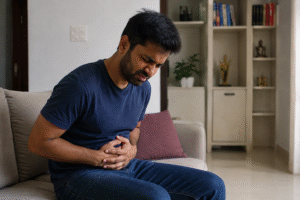
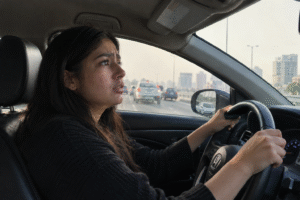
Diwali anxiety is the worry, tension and restlessness many people feel before and during the festival of lights. Instead of joy, they feel pressure.
If this sounds familiar, you are not alone. Diwali anxiety is far more common than most people admit.
In this guide, we explain why it happens, how to spot the signs, and how to feel calmer and more in control.
What Is Diwali Anxiety?
Diwali anxiety is not a formal medical diagnosis. But it describes a very real pattern.
The pressure to make everything perfect, meet expectations and stay cheerful can leave you exhausted instead of excited.
For some people, it is mild and fades once the festival ends. For others, it can worsen existing anxiety, trigger panic, or leave a low mood that lingers.
7 Common Causes of Diwali Anxiety
1. The Pressure to Do It All
Cleaning, shopping, decorating, cooking, hosting and planning the puja pile up quickly. When everything must be perfect, even small tasks feel heavy.
2. Financial Stress
Gifts, new clothes, sweets, décor and travel add up fast. Worrying about money, or comparing your spending with others, is a major source of Diwali stress.
3. Family Expectations and Conflict
Family gatherings can be wonderful, but also difficult. Questions about marriage, career or salary can turn a happy evening into a stressful one.
4. Loneliness and Grief
Not everyone celebrates with loved ones. Students, professionals living away from home, and people who have lost someone may feel especially alone. This is often called the “Diwali blues.”
5. Social Media Comparison
Perfect rangolis, stylish outfits and flawless family photos can make your own celebration feel small, even when it is not.
6. Noise, Crowds and Pollution
Loud firecrackers, packed markets and heavy smog overstimulate the senses. This can be hard for people with sleep problems or panic symptoms.
7. A Disrupted Routine
Late nights, skipped meals, extra sugar and less sleep can all make anxiety symptoms stronger.
Signs of Diwali Anxiety to Watch For
Some stress is normal around a big event. But watch for these signs, especially if they last for days:
- Constant worry that something will go wrong
- Restlessness, irritability or feeling easily overwhelmed
- Trouble falling or staying asleep
- Racing heart, sweating or shortness of breath
- Headaches, stomach upset or muscle tension
- Difficulty concentrating
- Avoiding social plans or family gatherings
- Feeling sad or disconnected while everyone else seems happy
10 Proven Ways to Manage Diwali Anxiety
1. Lower the Bar for “Perfect”
A simple, warm Diwali is just as meaningful as a grand one. Choose what matters most and let go of the rest. This one step can reduce Diwali anxiety more than any to-do list.
2. Make a Realistic Plan
Write down your tasks and spread them across several days. Ask family members to share the work. Delegating is smart planning, not failure.
3. Set a Budget Early
Decide how much you can comfortably spend on gifts, food and décor. Thoughtful, personal gestures often mean more than expensive ones.
4. Protect Your Sleep
Keep a fairly regular bedtime, even on busy days. Good sleep is one of your best defences against anxiety.
5. Practise Slow Breathing
Breathe in for four counts, hold for four, and breathe out for six. Repeat for a few minutes. It helps calm the body’s stress response.
6. Set Gentle Boundaries
You can politely skip uncomfortable topics. Try saying, “I’d rather not discuss that today, let’s enjoy the food.”
7. Take Breaks from Noise and Crowds
Step into a quiet room, take a short walk, or use headphones or earplugs. Shop during less crowded hours.
8. Limit Social Media
Social media shows highlights, not reality. A short break can protect your mood and self-esteem.
9. Eat, Move and Hydrate
Enjoy the festive food, but balance it with regular meals, water and light movement. Too much caffeine and sugar can increase jitteriness.
10. Reach Out for Connection
If you are alone, call a friend, video-call family, join a community celebration or volunteer. Even small connections ease loneliness.
Diwali Anxiety in Specific Situations
If You Live Away from Home
Create your own small ritual. Light a diya, cook a favourite dish, or celebrate with friends or colleagues.
If You Are Grieving
It is okay to celebrate differently this year. Honour your loved one quietly and allow yourself to feel what comes up.
If You Already Live with Anxiety
Keep your routine steady and stay close to your support system. Do not skip scheduled therapy or follow-up appointments.
If You Are the Host
Prepare in advance, keep the menu manageable and accept help when it is offered.
When to Seek Help for Diwali Anxiety
Festive stress is normal. But consider speaking to a mental health professional if:
- Your anxiety lasts for weeks or keeps getting worse
- You have frequent panic attacks
- You cannot sleep, eat or work properly
- You feel hopeless or have thoughts of harming yourself
- You use alcohol or other substances to cope
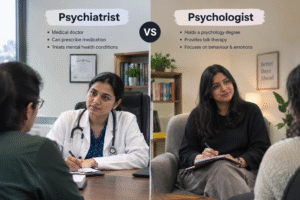
A psychiatrist or psychologist can assess what you are going through and suggest the right approach. Asking for help is a sign of strength.
If you are in immediate danger, contact your local emergency services or a trusted person right away.
FAQs About Diwali Anxiety
Is Diwali anxiety normal?
Yes. Expectations, finances, family dynamics and busy schedules make many people anxious during festivals. It becomes a concern when it is intense or long-lasting.
Why do I feel sad or empty during Diwali?
Loneliness, grief, comparison with others or unresolved family issues can cause a low mood. These feelings are valid and worth addressing.
How can I reduce Diwali anxiety quickly?
Try slow breathing, a short walk, a break from noise, or a simple written to-do list. For long-term relief, plan early, set boundaries and protect your sleep.
Can firecracker noise trigger anxiety?
Yes. Sudden loud sounds can trigger a strong stress response, especially in people prone to panic or sensory sensitivity.
When should I see a psychiatrist for festival anxiety?
See one if anxiety disrupts your sleep, work or relationships, or does not ease after the festive period.
Read Some Related Articles
Sleep Problems: 7 Shocking Reasons You Can’t Sleep Even When You’re Tired
Girl Safety in India: Dr. Sugandha Gupta’s 7 Shocking Insights
Why Can’t I Stop Scrolling? Signs of Phone/Social Media Addiction
External Articles
Anxiety disorders
What to know about anxiety
Final Thoughts
Diwali is about lighting up the darkness, including the quiet worries many of us carry. You do not need to host perfectly, spend lavishly or feel cheerful all the time.
Be kind to yourself, take things one step at a time, and reach out when you need support. If Diwali anxiety is affecting your festival, help is available.
This Diwali, let your mind have some light too.