For general questions, please send us a message and we’ll get right back to you. You can also call us directly to speak with a member of our service team or insurance expert.
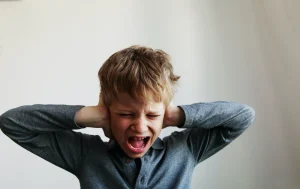
Children often express anger as part of their emotional development, but when it becomes frequent, intense, or disruptive, it may require structured support. Many parents today actively search for pediatric anger management nearby to help their child develop healthier emotional responses and coping skills.
Understanding the causes and applying effective strategies can make a significant difference in a child’s behavior, relationships, and overall well-being. Below are expert-recommended approaches to help children manage anger constructively.
8 Expert Tips for Pediatric Anger Management Nearby That Every Parent Should Know
If you need professional support, consulting the best psychiatrist in Delhi can provide valuable insights and personalized strategies for Pediatric anger management nearby. Consider Visiting:
Anger in children can stem from frustration, difficulty expressing emotions, or environmental stressors. Occasional outbursts are normal, but persistent irritability or aggressive behavior may affect school performance and social relationships.
Recognizing early signs is essential when considering pediatric anger management nearby services.
Behavior Therapy for Emotional Regulation
Behavior therapy is one of the most effective approaches for managing anger in children. It focuses on reinforcing positive behaviors while reducing disruptive ones.
Parents seeking pediatric anger management nearby often benefit from programs that include family involvement.
Teaching Healthy Communication Skills
Children may express anger because they lack the words to communicate their feelings. Teaching them how to express emotions clearly can reduce frustration.
Encouraging phrases like “I feel upset when…” instead of aggressive reactions helps children develop emotional intelligence. This approach builds stronger relationships at home and school.
When exploring pediatric anger management nearby, look for professionals who emphasize communication training.
Practicing Calm-Down Techniques
Simple calming techniques can help children manage anger in the moment. These may include:
Deep breathing exercises
Counting to ten before reacting
Taking a short break in a quiet space
These techniques help children pause and regain control before reacting impulsively.
Parent Training and Involvement
Parental involvement plays a crucial role in managing childhood anger. Parent training programs teach caregivers how to respond consistently and positively to challenging behavior.
Families searching for pediatric anger management nearby should consider programs that include parent coaching.
Encouraging Physical Activity
Physical activity is a natural and effective way to release built-up energy and frustration. Activities such as outdoor play, sports, or yoga can help children regulate emotions.
Research indicates that structured exercise programs can reduce anger expression in children and improve overall mood.
Incorporating regular movement is often recommended alongside pediatric anger management nearby services.
Reducing Screen Time and Triggers
Excessive screen time can impact a child’s ability to regulate emotions. Studies suggest that high screen exposure may contribute to increased frustration and emotional outbursts in young children.
Setting clear limits on device usage and encouraging offline activities can support better emotional balance.
Building Consistent Routines and Boundaries
Children feel more secure when they understand expectations. Clear rules, consistent routines, and predictable consequences help reduce emotional outbursts.
Positive reinforcement—rewarding good behavior—can encourage children to repeat healthy responses instead of reacting with anger.
The Centers for Disease Control and Prevention explains that structured parent training improves children’s behavior, self-esteem, and emotional control.
When to Seek Professional Help Nearby
If a child’s anger is frequent, intense, or affecting daily life, it may be time to seek professional guidance. Signs to watch for include:
Frequent aggressive behavior
Difficulty calming down
Problems at school or with peers
Persistent irritability
Finding pediatric anger management nearby allows access to trained professionals who can assess the child’s needs and provide personalized strategies.
Best psychiatrist in Delhi
Final Thoughts
Managing anger in children requires patience, understanding, and the right strategies. With the help of structured techniques such as behavior therapy, communication training, and consistent routines, children can learn to handle their emotions in healthier ways.
By exploring pediatric anger management nearby, parents can access valuable support systems that guide both children and families toward better emotional well-being and stronger relationships.
Early intervention not only improves behavior but also lays the foundation for lifelong emotional resilience.