For general questions, please send us a message and we’ll get right back to you. You can also call us directly to speak with a member of our service team or insurance expert.
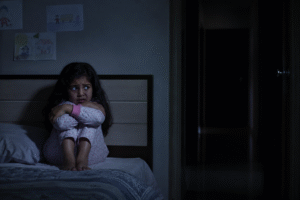
Does the thought of switching off the lights make your heart race? Do you find yourself scanning dark corners of a room, half-expecting something to be there? If so, you’re not alone. Fear of dark, medically known as nyctophobia, is one of the most common fears experienced by both children and adults.
While it’s normal to feel a little uneasy in the dark occasionally, for some people this fear becomes intense enough to disrupt sleep, daily routines, and overall quality of life. In this blog, we’ll explore what fear of dark really means, why it happens, and practical strategies to manage it.
What Is Fear of Dark?
Fear of dark isn’t simply about disliking darkness — it’s an intense, persistent anxiety triggered by the absence of light or the anticipation of what might be hiding in it. This fear can range from mild discomfort to a full-blown phobia that interferes with sleep, work, and social life.
It’s important to understand that darkness itself isn’t the real trigger. Rather, it’s the uncertainty that darkness creates — the inability to see clearly — that fuels the fear. Our minds tend to fill that uncertainty with imagined threats, whether that’s a burglar, a supernatural presence, or simply “the unknown.”
Is Fear of Dark Only Seen in Children?
Fear of dark is often associated with childhood, and indeed, it’s extremely common among children between the ages of 3 and 6. At this age, imagination is developing rapidly, and children often struggle to separate fantasy from reality — making shadows and unfamiliar sounds feel genuinely threatening.
However, fear of dark is not exclusive to children. Many adults continue to experience nyctophobia, sometimes as a lingering effect from childhood, and sometimes triggered later in life due to stress, trauma, or anxiety-related conditions. In adults, this fear often gets hidden or dismissed because of the stigma attached to admitting something so “childlike” — but it is a genuine and valid concern that deserves attention.
Common Symptoms of Fear of Dark
The symptoms of nyctophobia can be both emotional and physical. Some common signs include:
Rapid heartbeat or breathlessness when lights go off
Excessive sweating or trembling in dark spaces
Avoidance of dark rooms, hallways, or outdoor spaces at night
Difficulty falling asleep without a nightlight or some form of light
Intrusive thoughts about danger, intruders, or supernatural elements
A strong urge to check surroundings repeatedly before feeling safe
Sleep disturbances, including nightmares or frequent waking at night
If these symptoms are frequent and significantly impact your daily functioning, it may be time to explore this fear more deeply.
What Causes Fear of Dark?
There isn’t a single cause behind fear of dark — it usually develops due to a mix of psychological, environmental, and biological factors. Some of the most common contributors include:
1. Evolutionary Roots
Humans are visual creatures, and for our ancestors, darkness meant a higher risk of predators and danger. This survival instinct, though outdated in modern life, still lingers in our biology.
2. Childhood Experiences
Scary stories, movies, or a frightening personal experience in the dark during childhood can leave a lasting imprint, shaping how a person responds to darkness even as an adult.
3. Anxiety and Stress
People dealing with generalized anxiety or high stress levels are often more prone to heightened fears, including fear of dark, since their mind is already wired to anticipate threats.
4. Trauma
A distressing event that occurred in low-light or nighttime conditions can create a lasting association between darkness and danger.
5. Imagination and Overthinking
An active imagination, while a wonderful trait in many contexts, can sometimes work against a person by conjuring vivid, frightening scenarios in dim or dark settings.
How Fear of Dark Affects Daily Life
fear-of-dark
Left unaddressed, nyctophobia can quietly seep into multiple areas of life:
Sleep quality: Struggling to fall or stay asleep without lights can lead to chronic sleep deprivation.
Relationships: Partners or family members may not always understand the intensity of this fear, leading to friction or feelings of isolation.
Work and productivity: Poor sleep and constant anxiety can affect concentration, mood, and energy levels during the day.
Social life: Avoiding evening plans, night travel, or activities that involve low light can limit social participation.
Recognizing these ripple effects is the first step toward addressing the root fear rather than just managing its symptoms.
Effective Ways to Overcome Fear of Dark
The good news is that fear of dark is highly manageable with the right approach and consistent effort. Here are some strategies that can help:
1. Gradual Exposure
Slowly increasing your exposure to dim and dark environments — rather than avoiding them altogether — helps your brain relearn that darkness isn’t inherently dangerous. Start small, such as sitting in a dimly lit room for a few minutes, and gradually build up.
2. Practice Relaxation Techniques
Deep breathing, progressive muscle relaxation, and mindfulness meditation can help calm the nervous system when anxiety about darkness arises.
3. Reframe Negative Thoughts
Challenge irrational thoughts by asking yourself: “What evidence do I have that something bad will happen?” This cognitive shift can reduce the intensity of fear over time.
4. Create a Calming Nighttime Routine
A consistent, soothing bedtime routine — such as reading, listening to calming music, or journaling — signals to your brain that it’s time to relax rather than feel alert or fearful.
5. Use Dim Lighting Instead of Complete Darkness
Rather than forcing yourself into total darkness right away, use a soft nightlight or dim lamp as a transitional step while you build confidence.
6. Talk About It
Sharing your fear with a trusted friend, family member, or professional can reduce feelings of shame and isolation, making the fear feel more manageable.
7. Seek Professional Support
If fear of dark is significantly affecting your sleep, relationships, or daily functioning, speaking with a mental health professional can help. Therapy approaches such as Cognitive Behavioral Therapy (CBT) are widely used and highly effective in helping individuals understand and overcome irrational fears like nyctophobia.
Helping a Child Who Is Afraid of the Dark
If you’re a parent dealing with a child’s fear of dark, patience and reassurance go a long way:
Avoid dismissing or mocking their fear — validate their feelings first.
Use a nightlight to ease the transition into darkness gradually.
Check the room together to reassure them nothing unusual is there.
Encourage comforting routines like a favorite stuffed toy or bedtime story.
Avoid scary content (movies, stories) close to bedtime.
Most children naturally outgrow this fear as their brain matures and their ability to distinguish imagination from reality strengthens. However, if the fear is unusually intense or persistent, professional guidance can help.
When Should You Seek Help?
While mild fear of dark is common and often manageable on your own, consider reaching out to a mental health professional if:
The fear causes significant distress or panic
It interferes with sleep on a regular basis
It limits your daily activities or social life
Self-help strategies haven’t led to improvement
The fear has persisted for six months or longer
Seeking support isn’t a sign of weakness — it’s a proactive step toward reclaiming your peace of mind and improving your overall well-being.
Fear of dark is a deeply human experience rooted in our evolutionary instincts, personal experiences, and the way our mind processes uncertainty. Whether you’re a parent trying to comfort a frightened child or an adult quietly struggling with nyctophobia, know that this fear is common, valid, and — most importantly — manageable.
With patience, the right coping strategies, and support when needed, it’s entirely possible to feel safe and calm, even when the lights go out.
If you or a loved one is struggling with fear of dark or related anxiety, professional guidance can make a meaningful difference. Reach out to a mental health expert to take the first step toward lasting comfort and confidence.