For general questions, please send us a message and we’ll get right back to you. You can also call us directly to speak with a member of our service team or insurance expert.
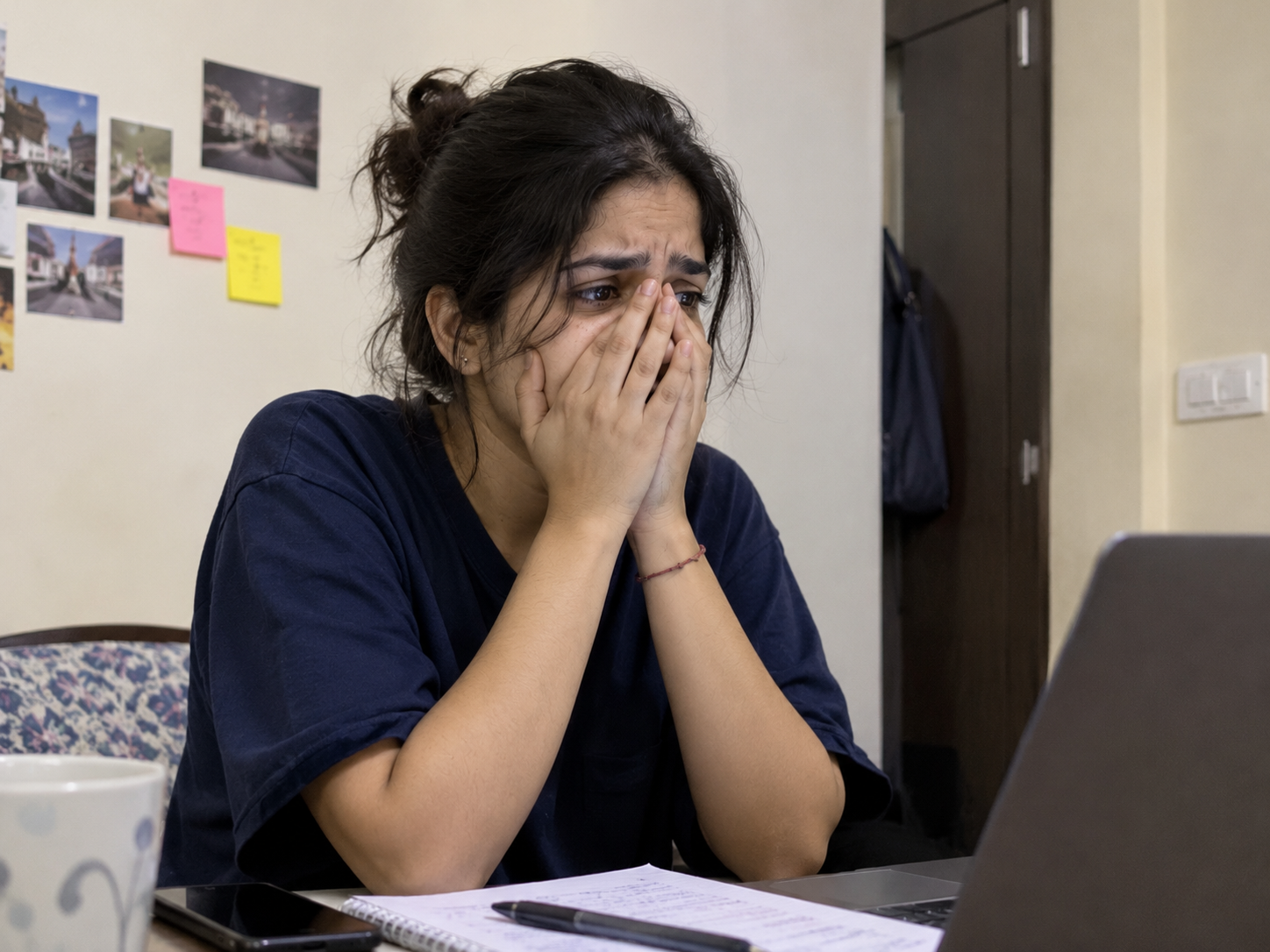
Panic disorder can hit without any warning. Your heart pounds, your chest tightens, your hands tremble, and a wave of fear rises for no clear reason. Many people in that moment truly believe they are having a heart attack or about to lose control.
If this sounds familiar, you are far from alone. Panic disorder is one of the most common anxiety conditions we see at Delhi Mind Clinic. It is also one of the most treatable. This guide explains what is happening in your body and mind, and what you can do about it.
What Is Panic Disorder?
Panic disorder is an anxiety condition in which a person has repeated, unexpected panic attacks and then lives in fear of the next one. A panic attack is a sudden surge of intense fear that peaks within minutes.
One attack does not mean you have panic disorder. Plenty of people have a single episode during a stressful period and never face it again. The diagnosis usually applies when attacks keep coming back and you begin changing your life to avoid them.
Panic Attack vs Panic Disorder: What’s the Difference?
People often use these terms interchangeably, but they are not the same.
A panic attack is a single episode of intense fear, usually lasting 10 to 20 minutes.
Panic disorder is the ongoing pattern: repeated attacks, plus constant worry about when the next one will strike.
That “fear of fear” is what keeps the cycle going. The more you dread an attack, the more tense your body becomes, and the more likely one is to happen.
Common Symptoms of Panic Disorder
The symptoms feel physical, which is why many people first visit an emergency room or a heart specialist. Watch for:
A racing or pounding heartbeat
Shortness of breath or a feeling of choking
Chest pain or tightness
Sweating, chills or hot flushes
Trembling, dizziness or lightheadedness
Numbness or tingling in the hands and feet
A sense of unreality, as if you are detached from your surroundings
An overwhelming fear of dying or “going mad”
Between attacks, people with panic disorder often feel on edge. They may start avoiding crowded places, public transport, lifts or even leaving home.
What Causes Panic Disorder?
There is rarely a single cause. Panic disorder usually develops from a mix of factors:
Family history. Anxiety conditions often run in families.
Long-term stress. Work pressure, financial strain, grief or relationship problems can wear down your coping ability.
Major life changes. A move, job loss, illness or the birth of a child can be a trigger.
Sensitive stress response. Some people’s bodies react more strongly to normal sensations like a faster heartbeat.
Lifestyle habits. Poor sleep, too much caffeine and heavy use of alcohol or nicotine can make symptoms worse.
What Our Doctors Say About Panic Disorder
We asked the specialists at Delhi Mind Clinic what they most want patients to know.
“The biggest misunderstanding I see is that people think panic disorder is weakness or overthinking. It isn’t. It’s a real condition where the brain’s alarm system fires when there is no danger. Once patients understand that, the fear starts to loosen its grip.” Dr. Sugandha Gupta
“Patients often wait months, sometimes years, before seeking help because they’re embarrassed or afraid of being judged. But panic disorder responds very well to proper care. The earlier someone starts, the quicker they get their life back.” Dr. Paramajeet Singh
How Is Panic Disorder Diagnosed?
There is no single blood test for panic disorder. A mental health professional will usually:
Listen to your symptoms and how often they occur
Ask about your medical history, sleep, stress and daily habits
Rule out physical causes such as thyroid or heart problems
Assess whether the fear of future attacks is affecting your daily life
An honest conversation is the most important step. The more openly you describe what you feel, the more accurate the diagnosis will be.
panic disorder
7 Proven Ways to Manage Panic Disorder
These strategies work best alongside professional guidance, but they can ease symptoms right away.
1. Slow Your Breathing
During panic, breathing becomes fast and shallow. Try breathing in for four counts, holding briefly, and breathing out for six. A longer exhale calms the nervous system.
2. Name What’s Happening
Tell yourself: “This is a panic attack. It’s uncomfortable, but it will pass.” Labelling the experience takes away much of its power.
3. Ground Yourself in the Present
Look around and name five things you can see, four you can touch, three you can hear, two you can smell and one you can taste.
4. Cut Back on Caffeine and Alcohol
Both can trigger or intensify symptoms of panic disorder. Even small reductions often help.
5. Move Your Body Regularly
Walking, yoga or swimming burns off stress hormones and improves sleep. Aim for 30 minutes on most days.
6. Protect Your Sleep
Keep a steady bedtime and switch off screens an hour before bed. Poor sleep makes the brain more reactive to stress.
7. Don’t Avoid, Face Gradually
Avoiding places or situations feels safe in the short term but strengthens the fear. A therapist can help you re-enter these situations step by step.
Professional Treatment for Panic Disorder
The good news is that panic disorder is highly treatable. Most people improve significantly with the right support. Treatment may include:
Talk therapy, especially cognitive behavioural therapy (CBT), which helps you understand and change the thought patterns that fuel panic
Exposure-based techniques that gradually reduce fear of physical sensations and feared situations
Relaxation and mindfulness training
Medical support where a specialist feels it is appropriate for your situation
You feel hopeless or have thoughts of harming yourself
If you are in crisis, please contact a trusted person or a helpline immediately. In India, Tele-MANAS offers free, 24/7 mental health support at 14416.
Frequently Asked Questions
Can panic disorder go away on its own?
Mild cases sometimes ease with lifestyle changes, but panic disorder often returns without treatment. Professional support greatly improves the chances of lasting recovery.
Is panic disorder dangerous?
A panic attack feels frightening, but it is not physically dangerous. The real harm comes from the avoidance and distress that build up over time.
How long does treatment take?
This varies from person to person. Many people notice real improvement within a few weeks of starting therapy, and steady progress over a few months.
Final Thoughts
Living with panic disorder can feel isolating, but you don’t have to manage it alone. With the right understanding, daily habits and expert care, the attacks lose their power and life opens up again.
If you or someone you love is struggling, take the first step today. Our team at Delhi Mind Clinic is here to listen.