For general questions, please send us a message and we’ll get right back to you. You can also call us directly to speak with a member of our service team or insurance expert.
Violence and mental illness are linked together in the news almost every time a violent incident happens. Within hours, people start asking, “Was he mentally ill?”
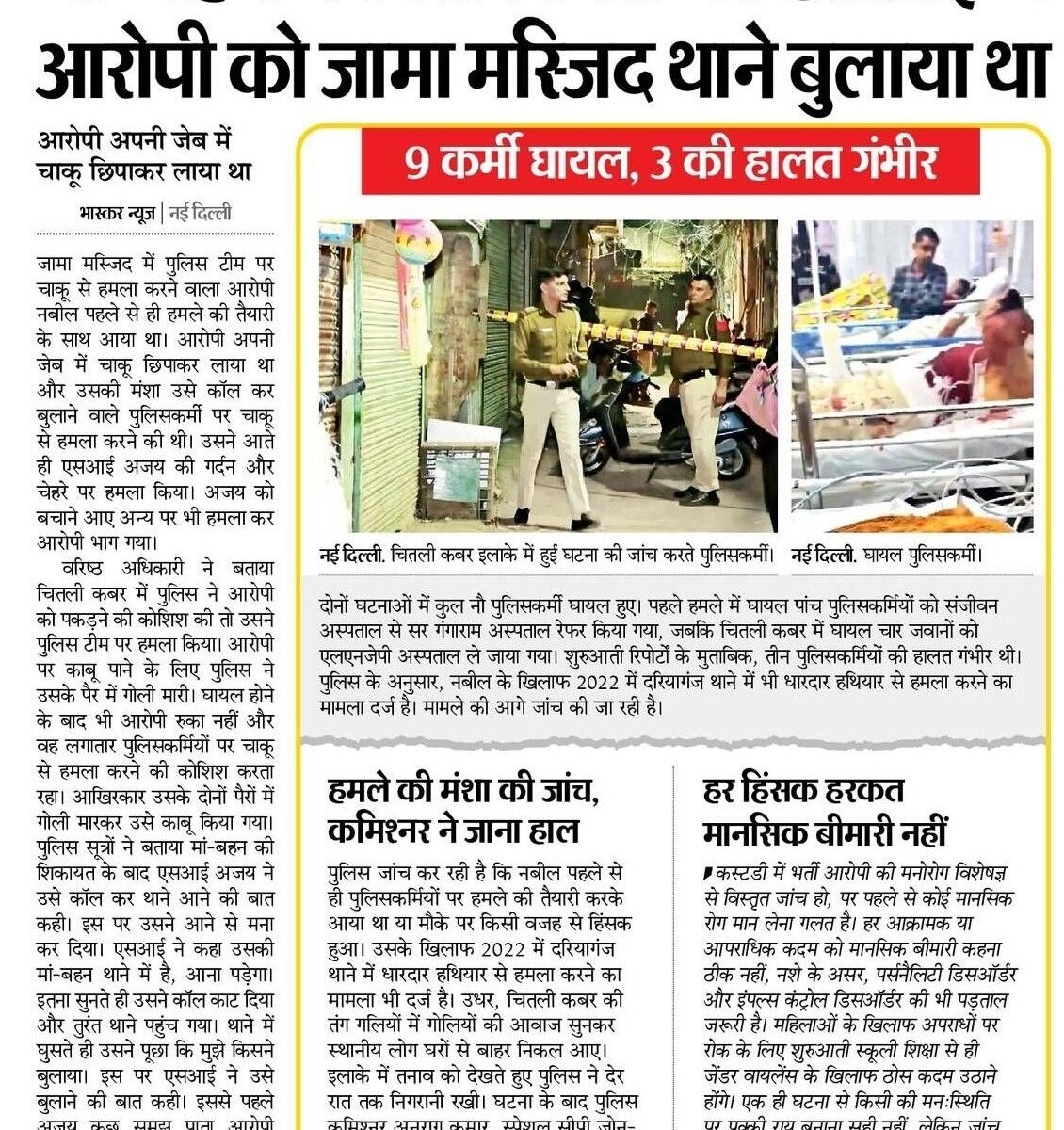
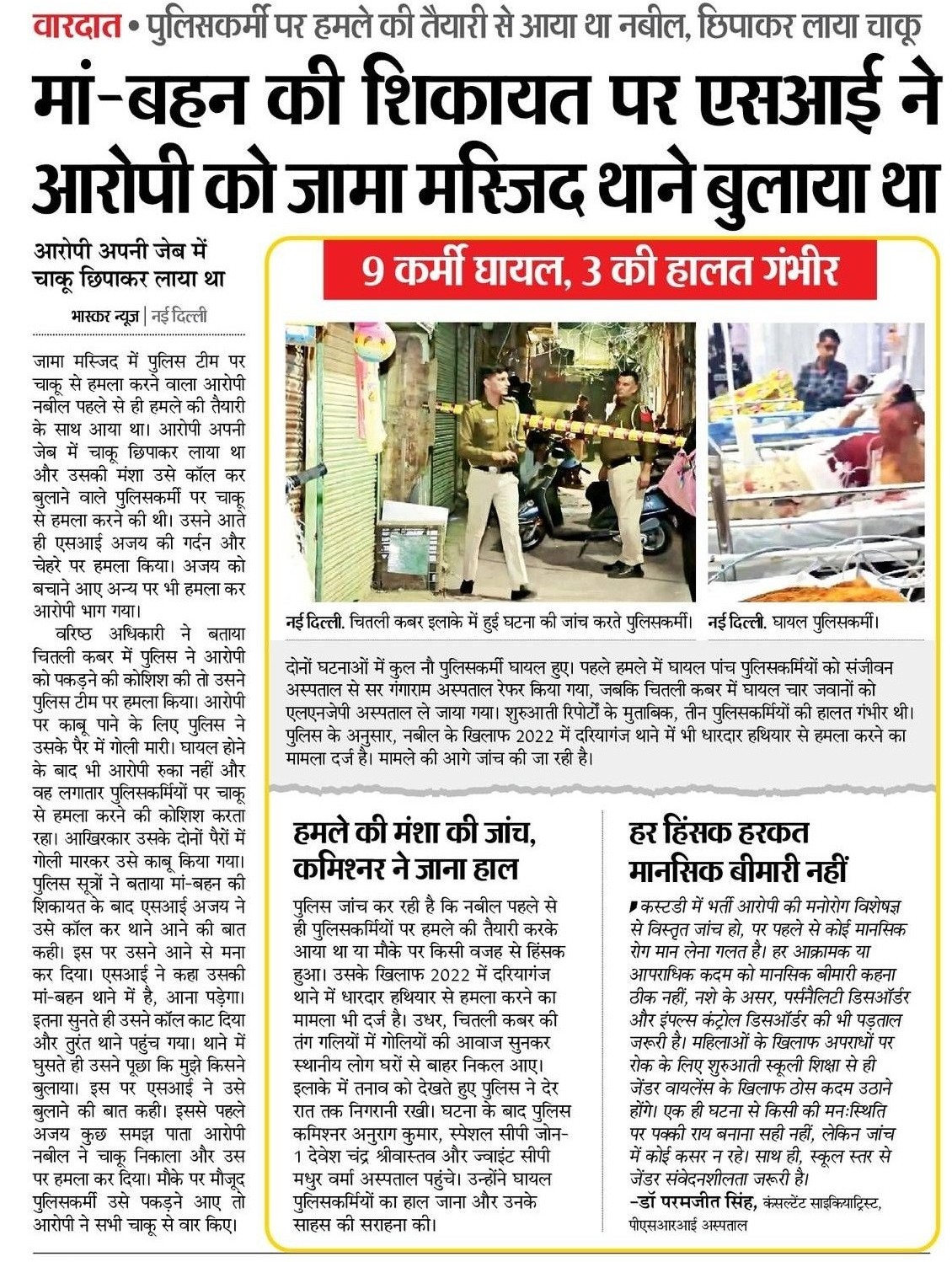
The question sounds natural, but it is often unfair and unscientific. When a violent incident in Delhi recently made headlines, Dr Paramjeet Singh was asked for his view. His message was clear: not every aggressive act is a mental illness.
In this article, Dr Paramjeet Singh and Dr Sugandha Gupta explain the real picture in simple words.
1. Violence and Mental Illness: Why the Link Is Mostly a Myth
Most people living with a mental health condition never harm anyone. Most violent crime is committed by people with no diagnosed mental illness at all.
Yet the myth survives because it gives us an easy answer. It is simpler to say “he must be mad” than to ask harder questions about anger, upbringing, addiction or social attitudes.
violence and mental illness
“Calling every aggressive or criminal act a mental illness is not correct. It is easy to say, but it hides the real causes and it hurts the many patients who are peaceful and struggling quietly.”
— Dr Paramjeet Singh
2. What Else Can Explain Violent Behaviour?
When doctors assess a person after a violent act, they look at many possibilities. A mental illness is only one of them.
Effects of alcohol or drugs: Intoxication can reduce self-control sharply.
Personality disorders: Some long-standing personality patterns involve deep anger and little regard for others.
Impulse control problems: Some people find it extremely hard to stop themselves from acting on sudden urges.
Learned attitudes: Beliefs about power, honour and gender can fuel aggression.
Life stress: Conflict, humiliation and chronic anger can build up over time.
Each of these needs a different response, and a single label for all of them helps nobody.
3. Mental Illness Patients Are More Often Victims
This is the fact people find hardest to believe. People living with serious mental health conditions are more likely to be harmed, neglected or exploited than to harm others.
Many patients tell us about being bullied, mocked or isolated. Some are locked in rooms by frightened families. These experiences make recovery much harder.
“In my clinic, I meet far more patients who are afraid of the world than people the world should be afraid of. The stigma does more damage than the illness in many cases.”
— Dr Sugandha Gupta
4. Why Blaming Mental Illness After Every Crime Is Harmful
Reflexively linking violence and mental illness causes real harm.
It adds to stigma. Patients become afraid to seek treatment.
It delays help. Families hide symptoms to avoid being judged.
It lets other causes go unaddressed. Substance abuse, anger and harmful attitudes continue unchecked.
It can affect justice. An accused person should be assessed carefully by experts, not guessed at in headlines.
As Dr Paramjeet Singh notes, one incident is not enough to form a firm opinion about anyone’s state of mind. A proper mental health assessment by a specialist matters, and the investigation must also be thorough and fair.
5. What Can Actually Reduce Violence in Society?
If we want fewer violent incidents, the answer is not to blame patients. Prevention starts much earlier.
Teach respect early. Schools can build gender sensitivity and empathy from a young age.
Talk about anger. Children and teens need healthy ways to handle frustration.
Treat substance use seriously. Early help for addiction can prevent many harmful situations.
Make mental health care easier to reach. People should feel safe visiting a psychiatrist.
Support families. Caregivers need guidance, not blame.
“We cannot expect safer communities without teaching children how to manage anger and respect others. Prevention is slow work, but it is the only lasting answer.”
—Dr Sugandha Gupta
When Does Mental Illness Need Professional Attention?
Mental health conditions deserve care just like any other health problem. Please speak to a psychiatrist if you or someone close to you shows:
Sudden, unexplained changes in behaviour or personality
Severe mood swings or intense, uncontrollable anger
Heavy dependence on alcohol or drugs
Fear, suspicion or hearing voices that others cannot
Talk of harming oneself or others
If someone is in immediate danger, call emergency services right away. In India, Tele MANAS (14416 or 1800-891-4416) offers free, 24/7 mental health support.
Violence and mental illness are two separate issues that are too often merged in public conversation. Violence has many causes, and mental illness is rarely the main one.
The kindest and most accurate response is to look carefully, avoid labels and make help easy to find. If you or your family need guidance, we are here to listen without judgement.