For general questions, please send us a message and we’ll get right back to you. You can also call us directly to speak with a member of our service team or insurance expert.
Bipolar disorder is a mental health condition that causes unusual changes in mood, energy, activity levels, and the ability to carry out daily tasks. These mood shifts can range from emotional highs, known as mania or hypomania, to periods of deep sadness or depression. Understanding what is bipolar disorder is important because early awareness can help individuals and families recognize symptoms and seek professional support at the right time.
If you’re seeking professional guidance, connecting with a qualified mental health specialist can offer personalized support and effective strategies for Bipolar disorder. You may consider exploring:
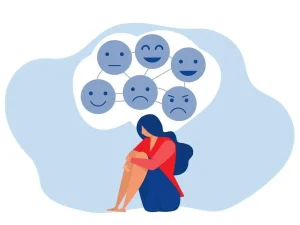
Bipolar disorder is more than occasional mood swings. It involves significant emotional changes that may last for days, weeks, or even longer. During a manic episode, a person may feel extremely energetic, overly confident, or unusually active. During depressive episodes, they may feel hopeless, tired, or lose interest in activities they once enjoyed.
These emotional shifts can interfere with normal routines and responsibilities. However, with proper professional guidance, many individuals with bipolar disorder are able to manage their symptoms and lead productive lives.
Types of Bipolar Disorder
Mental health professionals generally classify bipolar disorder into several categories:
Bipolar I Disorder
This type involves severe manic episodes that may last at least seven days or require hospital care. Depressive episodes are also common and can last for extended periods.
Bipolar II Disorder
Bipolar II disorder includes depressive episodes along with hypomania, which is a less severe form of mania. Even though hypomania may appear milder, it can still affect daily functioning.
Cyclothymic Disorder
Cyclothymic disorder involves recurring mood fluctuations with periods of hypomanic and depressive symptoms that continue over time but may not meet the full criteria for bipolar I or II.
Common Symptoms of Bipolar Disorder
The symptoms of bipolar disorder can vary from person to person. Some individuals may experience more manic symptoms, while others struggle more with depression.
Symptoms During Mania or Hypomania
Increased energy or restlessness
Excessive talking
Reduced need for sleep
Racing thoughts
Impulsive decisions
Feeling unusually confident or euphoric
Symptoms During Depression
Persistent sadness
Low energy levels
Difficulty concentrating
Changes in appetite
Loss of interest in hobbies
Feelings of worthlessness or hopelessness
Some people may also experience mixed episodes where symptoms of mania and depression occur at the same time.
what is bipolar disorder
What Causes Bipolar Disorder?
There is no single known cause of bipolar disorder. Researchers believe that multiple factors may contribute to its development, including:
Genetics
A family history of bipolar disorder may increase the likelihood of developing the condition.
Brain Function and Structure
Studies suggest that differences in brain structure and functioning may play a role in mood regulation.
Stress and Environmental Factors
Major life changes, traumatic experiences, or ongoing stress can sometimes trigger mood episodes in individuals who are vulnerable to the condition.
How Bipolar Disorder Affects Daily Life
Living with bipolar disorder can be challenging. Mood episodes may affect work performance, academic responsibilities, relationships, and self-esteem. During manic phases, individuals may take risks or make decisions they later regret. During depressive phases, even simple daily activities may feel overwhelming.
Family members and friends can also find it difficult to understand the sudden emotional shifts. This is why awareness, communication, and emotional support are essential.
It is important to seek mental health support if mood changes begin interfering with everyday life, relationships, or personal safety. Early diagnosis and professional evaluation can help improve long-term outcomes and reduce emotional distress.
Warning signs that should not be ignored include:
Extreme mood swings
Difficulty maintaining relationships
Sudden behavioral changes
Persistent sadness or irritability
Impulsive or risky behavior
A licensed mental health professional can assess symptoms and recommend an appropriate care plan tailored to individual needs.
Supporting Someone With Bipolar Disorder
Supporting a loved one with bipolar disorder requires patience, empathy, and understanding. Listening without judgment and encouraging professional support can make a meaningful difference. Educating yourself about the condition can also help improve communication and reduce stigma.
Simple actions such as maintaining healthy routines, encouraging stress management, and creating a supportive environment may help individuals feel more stable and understood.
Best psychiatrist in Delhi
Final Thoughts
Understanding what is bipolar disorder is the first step toward reducing misconceptions and encouraging compassionate mental health awareness. Bipolar disorder is a complex condition that affects emotions, thoughts, and behavior, but many individuals successfully manage their lives with proper support and professional care.
Increasing awareness about the symptoms, causes, and impact of bipolar disorder can help people recognize early warning signs and seek timely guidance for themselves or their loved ones.
Bipolar disorder is a complex mental health condition marked by fluctuating mood states, including depressive episodes that can significantly impact thinking, functioning, and emotional stability. Understanding the signs of bipolar depression is essential for early recognition and timely support. This guide outlines the key symptoms, how they manifest, and why awareness is critical for long-term well-being.
If you need professional support, consulting the best psychiatrist in Delhi can provide valuable insights and personalized strategies for Bipolar Depression. Consider Visiting:
One of the most prominent signs of bipolar depression is a deep, long-lasting sense of sadness or emptiness. Unlike temporary low moods, this emotional heaviness often persists for weeks and affects daily functioning. Individuals may find themselves withdrawing from activities they once enjoyed or feeling emotionally “flat” despite external circumstances.
2. Loss of Interest in Routine Activities
A noticeable decline in motivation or enthusiasm for work, hobbies, or social interactions is another strong indicator. This is not simple fatigue; it is an inability to engage in activities that normally bring fulfillment. This shift can strain relationships and contribute to a sense of isolation.
3. Significant Changes in Sleep Patterns
Sleep disturbances are among the most common signs of bipolar depression. Some individuals experience excessive sleeping, finding it difficult to get out of bed. Others face disrupted or poor-quality sleep, leading to further fatigue, irritability, and cognitive challenges throughout the day.
4. Difficulty Concentrating or Making Decisions
During depressive episodes, concentration levels often drop sharply. Everyday tasks—reading emails, maintaining focus at work, or making routine decisions—can feel overwhelming. This cognitive slowdown is not a matter of laziness; it is a clinical symptom that often coincides with slowed thinking and reduced mental clarity.
5. Low Energy and Physical Fatigue
Fatigue in bipolar depression goes beyond feeling tired after a long day. It manifests as persistent low energy, lethargy, and a sense of physical heaviness. Even small tasks such as taking a shower or preparing a meal can feel draining. This symptom often contributes to inactivity and social withdrawal.
6. Feelings of Worthlessness or Excessive Guilt
Individuals may develop negative beliefs about themselves, often feeling responsible for things beyond their control. These thoughts can appear suddenly and may not align with real-world circumstances. Such internal dialogues can intensify depressive episodes and require professional attention.
Bipolar Disorder
7. Social Withdrawal and Isolation
Another frequent sign of bipolar depression is avoiding social contact. Individuals may decline invitations, avoid phone calls, or disengage from conversations. This withdrawal is often driven by emotional exhaustion rather than a lack of care for others. Over time, isolation can deepen feelings of loneliness and sadness.
8. Changes in Appetite and Weight
Noticeable fluctuations in appetite—either eating significantly more or significantly less—may occur. These changes can lead to unexpected weight gain or loss. Appetite disruption is closely tied to mood and energy levels, making it a useful observable sign for loved ones and clinicians.
9. Slowed Movements or Reduced Activity
Some individuals may move, speak, or react more slowly. This psychomotor slowing is often subtle at first but becomes more noticeable as the depressive episode progresses. It can affect overall functioning and create frustration, especially when routine tasks take much longer than usual. For additional clinical insights, review resources from the Centers for Disease Control and Prevention (CDC).
When to Seek Professional Support
Recognizing the signs of bipolar depression is the first step toward receiving appropriate care. If these symptoms persist for two weeks or more—or begin to interfere with work, relationships, or self-care—it is important to reach out to a qualified mental health professional. Early intervention can prevent episodes from escalating and promote long-term stability.
Supporting a Loved One
If you notice these signs in a family member or friend, approach them with empathy. Encourage open dialogue and offer practical support such as helping them schedule a mental health evaluation or accompanying them to their first consultation. Small gestures can make a significant difference during depressive episodes.
best psychiatrist in delhi
Final Thoughts
Understanding the signs of bipolar depression empowers both individuals and families to take proactive steps toward improving mental well-being. While bipolar disorder can present challenges, early recognition and timely professional guidance can greatly enhance quality of life. With the right support system and increased awareness, individuals can navigate depressive episodes more effectively and build a path to emotional resilience.
Living with bipolar disorder can be challenging, especially during depressive episodes when emotional and physical symptoms become overwhelming. Understanding bipolar depression symptoms is essential for recognizing early warning signs, supporting loved ones, and encouraging timely professional care. Below is a comprehensive guide outlining the most common symptoms, how they manifest, and why awareness matters.
bipolar depression symptoms
If you need professional support, consulting the best psychiatrist in Delhi can provide valuable insights and personalized strategies for Depression, Consider Visiting:
One of the core bipolar depression symptoms is a prolonged feeling of sadness, emptiness, or hopelessness. Unlike temporary emotional shifts, this low mood can last for weeks and often affects daily functioning. It may feel heavy and all-consuming, making even routine tasks seem difficult.
2. Loss of Interest in Daily Activities
People may lose interest in hobbies, social interactions, or activities they once enjoyed. This loss of pleasure is known as anhedonia, and it can significantly diminish overall quality of life. Things that previously felt meaningful or exciting may suddenly feel dull or unrewarding.
bipolar signs
3. Significant Changes in Sleep Patterns
Disruptions in sleep are common during depressive episodes. Some individuals sleep much more than usual, while others struggle with persistent insomnia. Both patterns can worsen other symptoms, such as fatigue, irritability, and difficulty concentrating.
4. Noticeable Fatigue or Low Energy
Extreme tiredness and reduced energy levels are hallmark indicators of bipolar depression symptoms. This fatigue is not usually resolved with rest and may make tasks like getting out of bed, cooking, or working feel overwhelming.
5. Difficulty Concentrating
Individuals often experience problems with focus, decision-making, and memory. This cognitive slowdown may affect job performance, academic progress, or household responsibilities. Even minor decisions can feel mentally exhausting.
6. Feelings of Worthlessness or Excessive Guilt
During depressive episodes, self-critical thoughts tend to intensify. Individuals might blame themselves for things beyond their control, dwell on perceived failures, or feel undeserving of support. These thoughts can erode self-esteem over time.
7. Changes in Appetite or Weight
Bipolar depression symptoms may include noticeable shifts in eating habits. Some individuals experience a reduced appetite, while others eat more than usual. These changes can lead to unintended weight gain or loss.
8. Psychomotor Changes
Psychomotor symptoms refer to movements and behaviors that become noticeably slower or, in some cases, more restless. Examples include slowed speech, reduced physical activity, or visible tension. Loved ones might observe these changes even if the individual does not.
9. Social Withdrawal and Isolation
Many people experiencing bipolar depression withdraw from social interaction. They may avoid family gatherings, stop communicating with friends, or feel disconnected from the world around them. This isolation often deepens feelings of loneliness and sadness.
For general information on mood disorders, the Centers for Disease Control and Prevention provides valuable data and insights
10. Recurrent Thoughts of Hopelessness
During severe episodes, individuals may experience intense feelings of despair or thoughts that life lacks purpose. These thoughts require immediate professional support, as they can escalate quickly if ignored.
If someone is in immediate danger or experiencing an emergency, contacting local emergency services or a trusted crisis helpline is essential.
Understanding the Difference Between Bipolar and Other Depressive Symptoms
Bipolar depression is different from major depressive disorder because it occurs within the broader context of bipolar disorder, which includes periods of elevated or irritable mood (mania or hypomania). Recognizing this distinction helps professionals create an accurate diagnosis and personalized care plan.
When to Seek Professional Help
If you or someone you know is experiencing several bipolar depression symptoms over an extended period, consulting a qualified mental health professional is highly recommended. Early evaluation can help individuals better understand their symptoms, receive proper guidance, and improve overall well-being.
best psychiatrist in delhi
Supporting Someone with Bipolar Depression
Compassion, patience, and consistent communication can make a meaningful difference. Encourage open dialogue, help create a supportive environment, and remind them that professional guidance is available. Small gestures, such as offering to attend appointments together or helping with daily tasks, can significantly lighten the emotional load.
Bipolar disorder is a mental health condition marked by extreme shifts in mood, energy, and activity levels. These fluctuations are more intense than ordinary ups and downs and can interfere with daily life, relationships, and work. Understanding the signs of being bipolar can help individuals and families recognize patterns early and seek appropriate support.
signs of being bipolar
If you need professional support, consulting the best psychiatrist in Delhi can provide valuable insights and personalized strategies for Bioplar Disorder , Consider Visiting:
Below are seven important signs that may indicate bipolar disorder.
1. Extreme Mood Swings
One of the most recognized signs of being bipolar is experiencing drastic changes in mood. These are not ordinary mood shifts but episodes of high energy (mania or hypomania) and low energy (depression). During mania, a person might feel overly confident, euphoric, or irritable. In contrast, depressive episodes can bring deep sadness, hopelessness, or lack of motivation.
2. Changes in Energy Levels
Energy fluctuations often accompany mood changes. A person in a manic state may feel restless, driven, and unable to sit still. They may take on multiple projects at once or stay active for long hours without fatigue. On the other hand, during depressive episodes, energy levels can plummet, making even basic tasks like cooking, working, or socializing feel overwhelming.
3. Sleep Disturbances
Sleep patterns can shift dramatically with bipolar disorder. During manic phases, individuals may sleep very little yet still feel energized. Some people go days with minimal rest but do not feel tired. In contrast, depressive episodes often bring excessive sleep, difficulty waking up, or insomnia paired with exhaustion. These irregular sleep cycles can worsen mood instability over time.
4. Difficulty Concentrating
Trouble focusing is another common sign of being bipolar. In manic states, racing thoughts may make it nearly impossible to concentrate on one task. People may start conversations, ideas, or projects but quickly lose track. During depressive episodes, concentration can also suffer due to mental fatigue, low motivation, or intrusive negative thoughts.
5. Impulsive or Risky Behavior
Bipolar mania can sometimes lead to impulsive decisions that may have lasting consequences. This may include reckless spending, risky driving, sudden career moves, or uncharacteristic social behavior. These actions are often out of character for the individual and may cause problems in relationships or work. Recognizing these behaviors as part of a broader mental health pattern is important.
6. Intense Emotional Reactions
People experiencing bipolar disorder may have heightened emotional sensitivity. Small events can trigger disproportionately strong reactions, whether joy, anger, or sadness. These emotional surges may be confusing for both the individual and those around them, as they often appear unpredictable or unrelated to the situation at hand.
7. Disrupted Daily Life and Relationships
Ultimately, one of the clearest signs of being bipolar is the impact on daily functioning. Mood episodes can strain friendships, romantic partnerships, and family bonds. Work performance may decline due to missed deadlines, absenteeism, or inconsistent productivity. When these disruptions occur repeatedly, it may point toward an underlying bipolar condition.
Bipolar Depression
When to Seek Help
If you or someone you know shows multiple signs of being bipolar, it’s important to reach out to a mental health professional. Early recognition and support can make a significant difference in understanding the condition and managing its challenges.
For more detailed information, you can visit reputable resources such as:
Recognizing the signs of being bipolar is the first step toward better awareness and support. While experiencing one or two of these symptoms does not automatically mean a person has bipolar disorder, a consistent pattern of these behaviors is worth discussing with a professional. With understanding and guidance, individuals living with bipolar disorder can work toward balance and healthier daily routines.
Bipolar disorder is a complex mental health condition characterized by extreme mood swings, ranging from emotional highs (mania or hypomania) to lows (depression). These shifts can significantly affect a person’s daily functioning, relationships, and overall well-being. Early recognition of bipolar signs is essential for effective management and support. In this post, we’ll explore seven key bipolar signs, providing insight into what to look for and when to seek help.
bipolar signs
If you need professional support, consulting the best psychiatrist in Delhi can provide valuable insights and personalized strategies for Depression, Consider Visiting:
One of the most defining bipolar signs is intense and unpredictable mood changes. Individuals may experience episodes of elevated mood, energy, and activity (mania or hypomania), followed by periods of sadness, hopelessness, and withdrawal (depression). These mood episodes are often more extreme than ordinary ups and downs.
For instance, a person might feel euphoric and energetic one week and deeply fatigued and unmotivated the next. These shifts are not just emotional—they also impact thinking patterns, sleep, and behavior.
2. Periods of Unusual High Energy
During manic or hypomanic episodes, people may display unusually high levels of energy, creativity, or confidence. They might speak rapidly, jump between ideas, take on multiple tasks at once, or feel as though they don’t need sleep.
This elevated energy level is among the early signs of bipolar disorder, especially if it disrupts normal routines or leads to harmful outcomes.
3. Impulsive or Risky Behavior
Another classic bipolar sign is engaging in impulsive or reckless actions without fully considering the consequences. This may include excessive spending, risky sexual behavior, dangerous driving, or sudden job resignations.
These actions are typical during manic phases, where individuals may feel invincible. Recognizing this pattern early can be vital in seeking help and preventing serious consequences.
4. Difficulty Maintaining Relationships
Unpredictable behavior and mood changes—central bipolar signs—can take a toll on personal and professional relationships. During depressive periods, a person may become withdrawn, while during manic episodes, they may seem irritable, overly talkative, or impulsive.
These fluctuations can confuse and distress loved ones. Understanding these signs of bipolar disorder can foster empathy and guide better communication.
bipolar signs
5. Changes in Sleep Patterns
Sleep disturbances are often overlooked but are significant bipolar signs. During manic phases, individuals often require very little sleep without feeling tired. Conversely, depressive episodes can bring about insomnia or hypersomnia (excessive sleep).
These shifts in sleep behavior are more than occasional sleepless nights—they often follow a pattern aligned with mood changes.
6. Persistent Sadness or Hopelessness
Prolonged depressive episodes may resemble clinical depression and are critical signs of bipolar disorder. These include feelings of hopelessness, low energy, loss of interest in once-enjoyed activities, and emotional numbness.
These symptoms are not fleeting and often interfere with basic daily tasks. Recognizing this emotional depth is key in understanding the disorder’s impact.
7. Difficulty Focusing or Making Decisions
Cognitive impairment is a lesser-known but important bipolar sign. Individuals may struggle with memory, decision-making, or concentration—especially during extreme mood episodes.
This inability to focus can hinder personal growth and professional performance, further contributing to emotional distress.
When to Seek Help
Identifying bipolar signs early enables individuals and their loved ones to seek appropriate support. Bipolar disorder is a manageable condition when properly addressed through clinical evaluation and ongoing care.
If you notice multiple signs mentioned here, consult a mental health professional for a formal assessment. For more information, explore these reliable resources:
Bipolar signs can sometimes be misinterpreted as personality traits or temporary moodiness. However, when these symptoms persist or intensify, it’s important not to ignore them. Recognizing early signs of bipolar disorder can help prevent more severe episodes and lead to effective coping strategies.
Whether it’s erratic sleep patterns, mood shifts, or impulsive behavior, staying informed is the first step to supporting yourself or a loved one. With compassion, understanding, and professional care, living a balanced life with bipolar disorder is entirely possible.
Bipolar disorder treatment in Delhi has gained significant attention due to the growing awareness of mental health. This mental health condition, characterized by extreme mood swings ranging from manic highs to depressive lows, affects millions globally. With timely care and interventions, individuals with bipolar disorder can lead fulfilling lives. Delhi offers diverse treatment options and support services to manage this condition effectively. This guide explores seven key aspects of bipolar disorder treatment in Delhi.
What is Bipolar Disorder?
Bipolar disorder is a chronic mental health condition that impacts mood, energy, and activity levels. It is marked by alternating episodes of mania, hypomania, and depression. Proper diagnosis and treatment are vital to managing symptoms and improving the quality of life for those affected.
For Best Bipolar Disorder Treatment in Delhi consider visiting:
Early diagnosis is essential for effective bipolar disorder treatment in Delhi. Mental health clinics and hospitals across the city provide comprehensive evaluations using evidence-based diagnostic tools. Detecting the disorder at an early stage helps ensure faster recovery and symptom management.
For detailed information about mental health assessments, visit the nimh.nih.gov
2. Psychotherapy as a Core Treatment
Therapy plays a central role in bipolar disorder treatment in Delhi. Popular therapeutic approaches include:
Cognitive Behavioral Therapy (CBT): Assists in identifying and transforming negative thought patterns.
Interpersonal Therapy: Focuses on resolving conflicts and improving relationships.
Family Therapy: Helps family members understand the condition and provide better support.
Delhi is home to several qualified mental health professionals and centers that specialize in psychotherapy, ensuring tailored care for individuals.
3. Lifestyle Modifications
Lifestyle adjustments are crucial in managing bipolar disorder. Strategies such as maintaining regular sleep patterns, practicing yoga or mindfulness, and engaging in consistent physical activities can significantly help stabilize moods.
Delhi has a range of wellness centers offering programs specifically designed for mental health management, combining mindfulness practices and fitness routines.
4. Role of Peer Support Groups
Support groups provide a safe space for individuals with bipolar disorder to share experiences, coping strategies, and emotional challenges. Organizations and NGOs in Delhi frequently host peer support meetings, offering guidance and motivation to participants.
Delhi is known for its advanced mental health institutions and clinics, which provide holistic care combining therapy, counseling, and wellness programs. These centers offer personalized care plans created by expert psychiatrists and psychologists, ensuring that patients receive the most effective treatment.
6. Importance of Community Awareness
Community awareness is a key aspect of bipolar disorder treatment in Delhi. Local campaigns aim to educate people about mental health, reduce stigma, and encourage individuals to seek help. Schools, workplaces, and social organizations frequently collaborate with mental health experts to spread awareness and promote early intervention.
Learn more about national mental health awareness initiatives through the Wikipedia.
7. Emergency Support Services in Delhi
In crisis situations, quick access to mental health support is crucial. Delhi offers several helplines and emergency care facilities that cater to individuals facing severe mood episodes or suicidal thoughts.
The Path to Recovery
Bipolar disorder treatment in Delhi focuses on integrating therapy, lifestyle changes, peer support, and community awareness to provide effective strategies for symptom management. With numerous resources available, Delhi ensures individuals receive the best care to navigate the challenges of bipolar disorder.
Taking the first step by consulting a mental health professional can transform lives. With the right support and interventions, recovery is achievable, enabling individuals to live healthier and happier lives.