For general questions, please send us a message and we’ll get right back to you. You can also call us directly to speak with a member of our service team or insurance expert.
OCD and other mental health conditions are still misunderstood in India. Many people stay silent out of fear of being judged. But when famous faces speak openly about their own struggles, the conversation changes.
This post celebrates ten popular Indian stars who have shared their mental health journeys publicly. None of them are named here as having OCD. Their stories matter because they have made it easier for everyone, including people living with OCD, to talk about mental health and seek help.
Top 10 Indian Stars Who Helped Break the Mental Health Stigma
1. Deepika Padukone
deepika padukone
She is the best-known voice on the subject in India. Deepika founded The Live Love Laugh Foundation to reduce stigma around mental health and encourage people to seek help. Her work was honoured with a Crystal Award at the World Economic Forum in 2020. harpersbazaararabiaCNBC
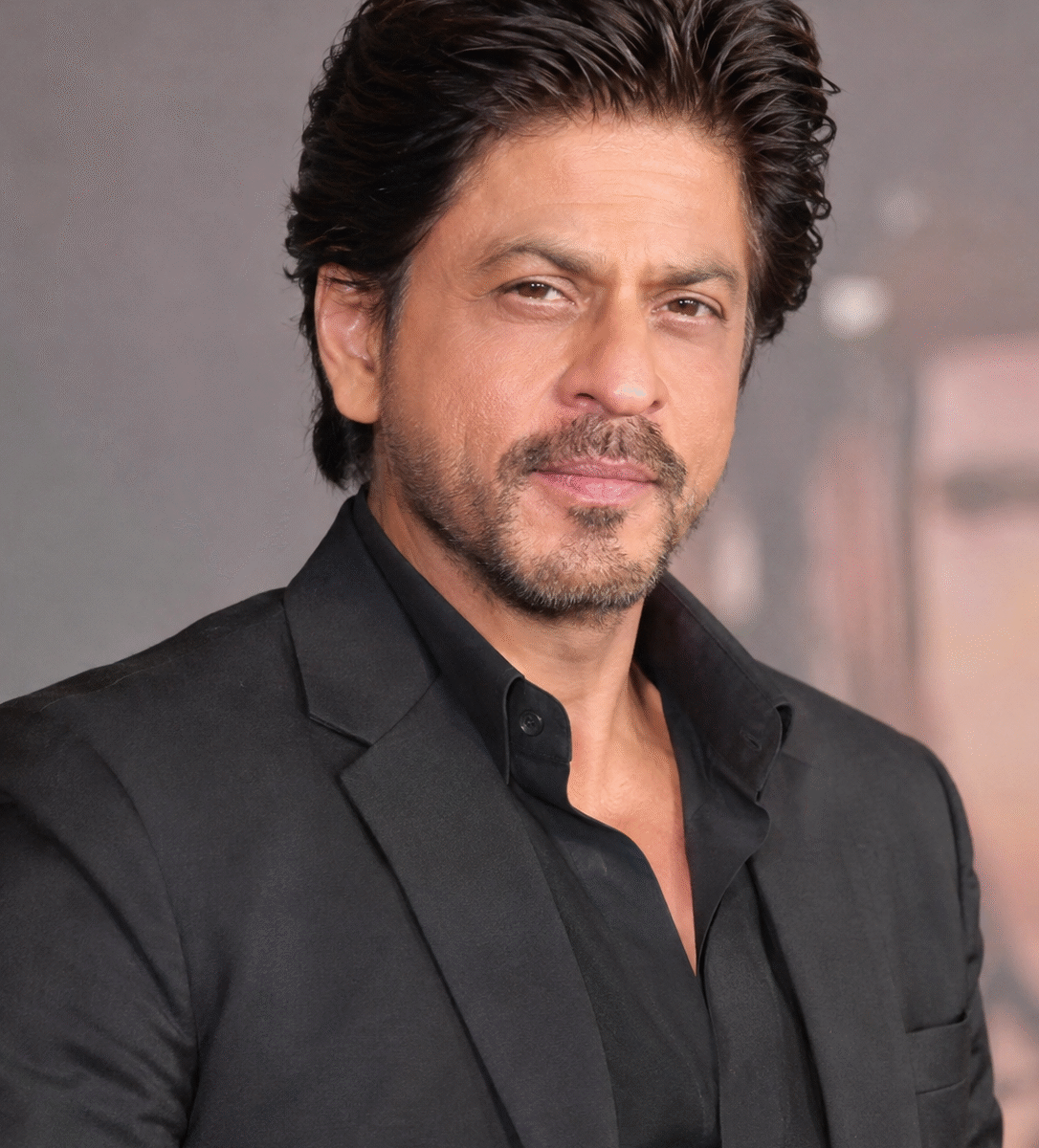
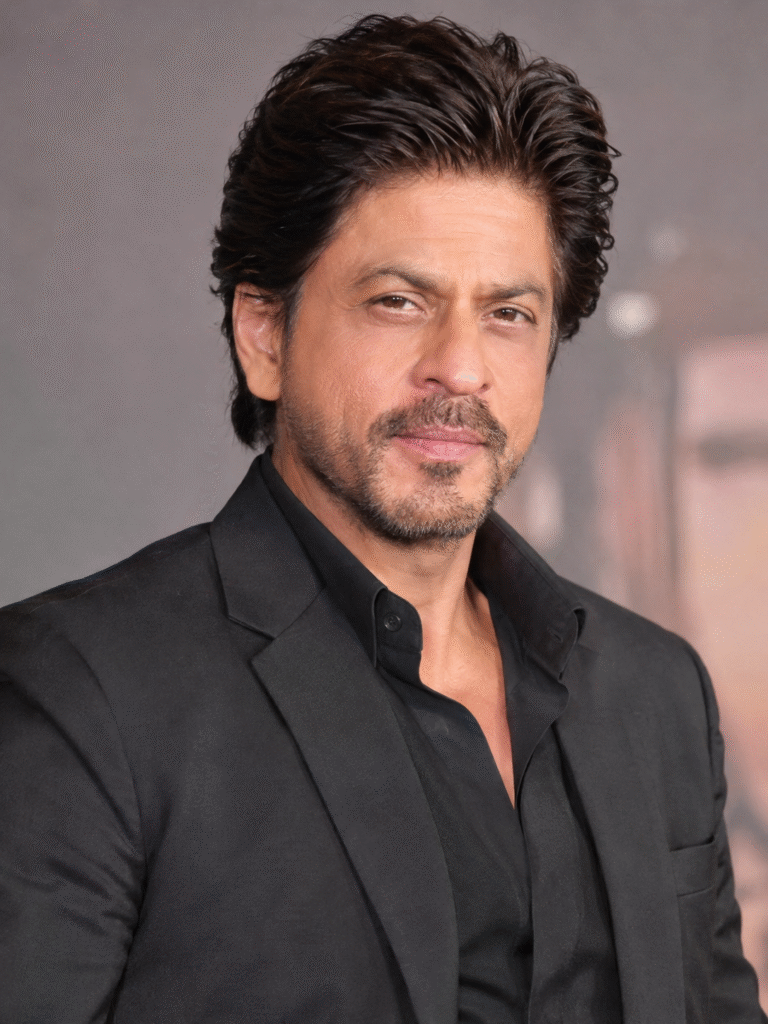
2. Shah Rukh Khan
shah rukh khan
The superstar has spoken about a low phase after a long injury recovery, and has said he felt depressed. He is among the Indian stars who have talked about fighting depression and anxiety. His openness showed that even the most successful people can struggle. gulfnews
3. Anushka Sharma
anushka sharama
The actress and producer has spoken about living with anxiety, and has described it as a normal, biological health issue rather than a weakness.
4. Alia Bhatt
alia bhatt
Alia has spoken about anxiety and about managing attention difficulties. She has described using discipline, mindfulness and routines to cope. Her honesty resonates with young Indians in particular. vintageisthenewold
5. Shruti Haasan
shruti haasan
Shruti has said she is always looking for tools to deal with anxiety, and that mental health awareness should not be limited to one day on the calendar. She is a strong voice for ongoing, year-round conversation. gulfnews
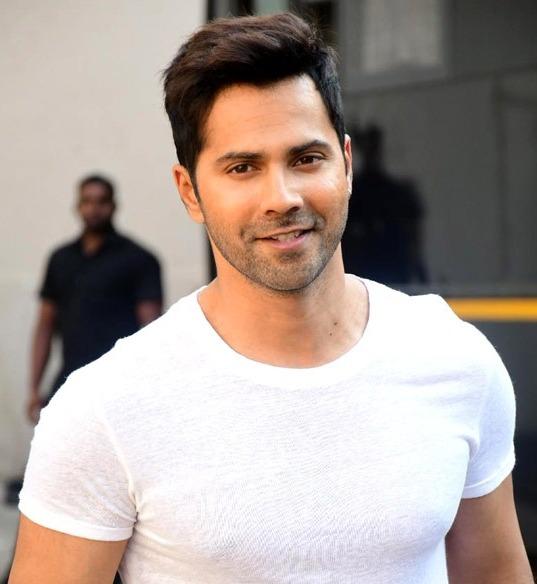
6. Varun Dhawan
varun-dhawan
The actor has spoken up about mental health challenges, encouraging young men especially to talk about what they are going through.
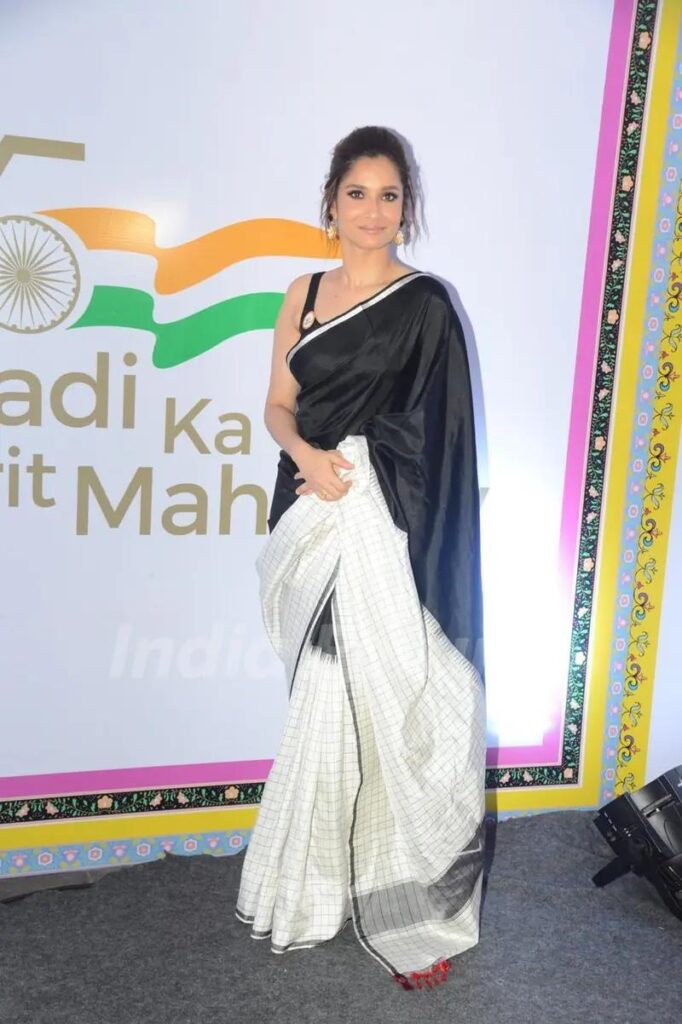
7. Ankita Lokhande
ankita lokhande
Ankita has spoken often about her battle with depression. Her story reminds us that emotional pain after a loss is real, and that support matters. gulfnews
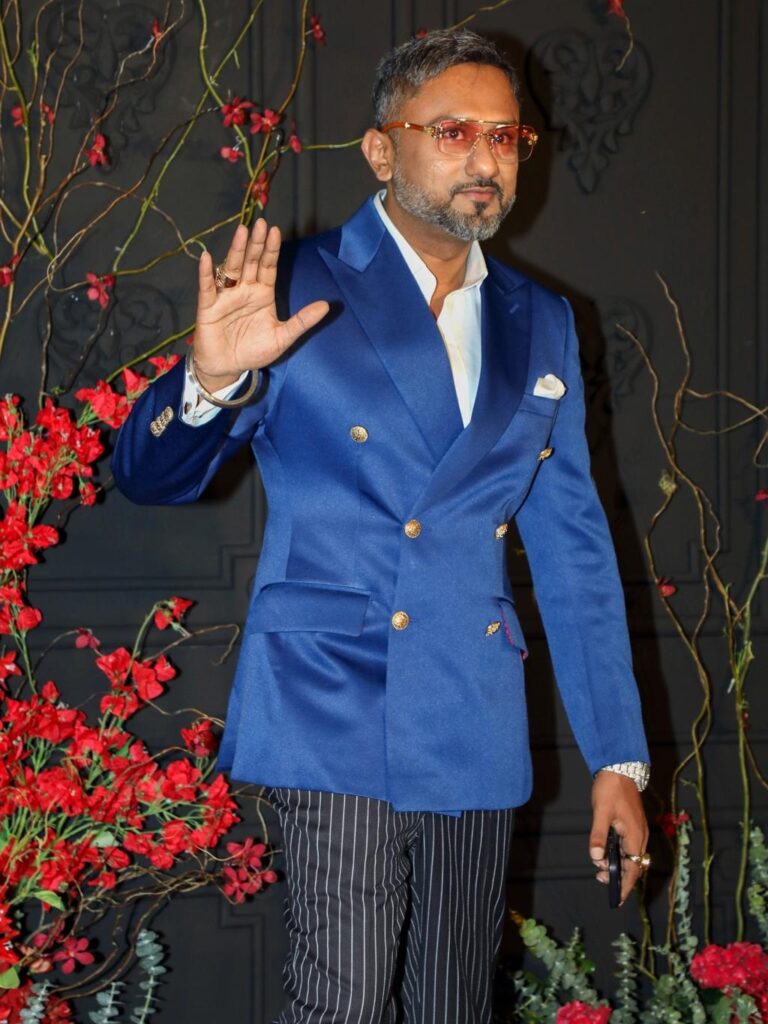
8. Yo Yo Honey Singh
yo yo honey singh
The musician is among the Indian celebrities who have revealed they suffered from bipolar disorder. His comeback story shows that recovery is possible with the right support. vintageisthenewold
9. Shaheen Bhatt
Shaheen Bhatt
The writer wrote the book I’ve Never Been (Un)Happier in 2020 and spoke openly about dealing with depression since the age of 12. Her book gave many readers the words to describe their own feelings. womensweb
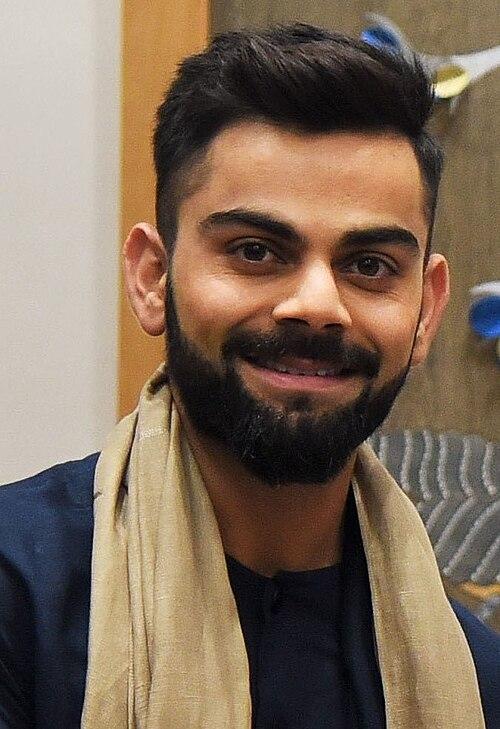
10. Virat Kohli
virat kohli
The cricketer has spoken about a period of intense stress and loneliness during a difficult tour. He has encouraged people to speak up rather than carry it alone, showing that mental strength includes asking for help.
Why Their Openness Matters for People Living With OCD
OCD affects people of every age and background, but shame keeps many from seeking help. When popular figures talk about mental health:
Stigma shrinks, and people feel less alone.
Families take symptoms more seriously.
More people reach out to professionals early.
What Is OCD? (Simple Explanation)
OCD (obsessive-compulsive disorder) is a mental health condition with two parts:
Obsessions: unwanted, distressing thoughts, images or urges that keep coming back.
Compulsions: repeated actions or mental rituals performed to reduce that distress.
Liking things neat is a preference. OCD begins when the thoughts and rituals cause real suffering and take over your day.
Common Signs of OCD
Washing or cleaning far more than needed
Checking locks, switches or appliances again and again
“OCD is often mistaken for a love of cleanliness or perfection. In reality, it is a condition in which distressing thoughts and rituals begin to control daily life. Early recognition makes recovery easier, and families can help most by offering understanding rather than criticism.”
“ Many people live with OCD silently for years. It is treatable, and structured therapy with proper professional guidance can bring real improvement. Asking for help is not weakness. It is the first step toward getting your life back.”
How Is OCD Treated?
OCD responds well to professional care. Evidence-based approaches include:
Cognitive Behavioural Therapy (CBT): helps change unhelpful thought patterns.
Exposure and Response Prevention (ERP): gradually helps you face fears without performing rituals.
Healthy routines: sleep, exercise and stress management support recovery.
A qualified specialist can build a plan that suits you.
When Should You See a Specialist for OCD?
Reach out if rituals or thoughts take up much of your day, affect work, studies or relationships, or leave you feeling exhausted or ashamed. If a family member shows these signs, a gentle conversation can make a big difference.
Final Thoughts
These ten stars show that speaking up is a sign of strength. If you or someone you love is struggling with OCD, anxiety or low mood, you don’t have to face it alone.
Is OCD the same as being very clean or organised?
No. OCD involves distressing thoughts and compulsions that interfere with daily life.
Can OCD be treated?
Yes. Many people improve significantly with professional support.
Do celebrities really speak about mental health in India?
Yes. A growing number of Indian public figures now talk openly about it, which helps reduce stigma.