For general questions, please send us a message and we’ll get right back to you. You can also call us directly to speak with a member of our service team or insurance expert.
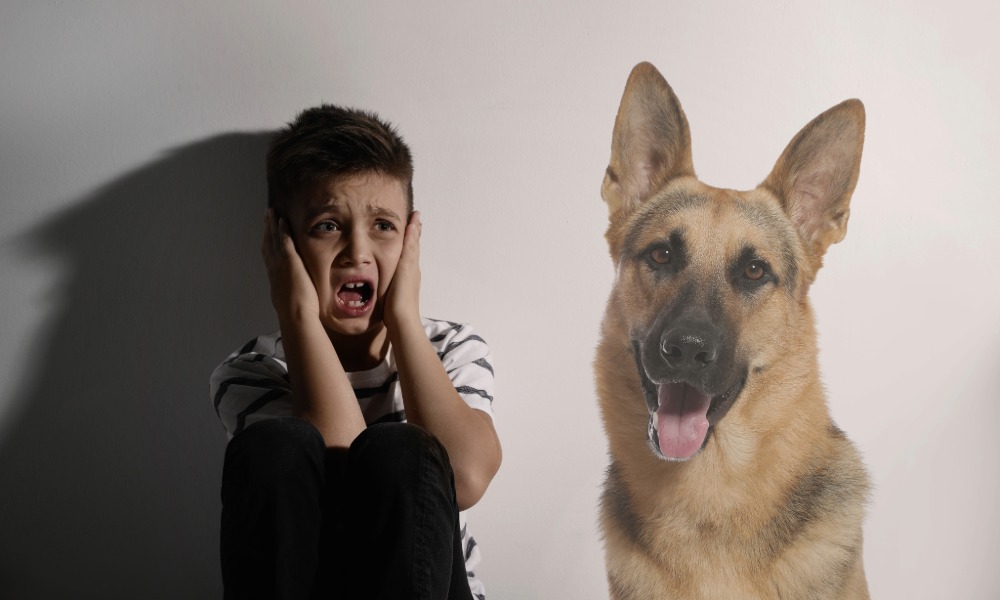
Cynophobia treatment near me is a common search made by individuals who experience intense fear of dogs and want professional help to manage this anxiety. Cynophobia, or the fear of dogs, can cause significant stress when encountering dogs in everyday environments such as parks, streets, or even visiting friends who own pets. This fear may develop after a negative experience with a dog or from learned anxiety during childhood.
Understanding the causes of cynophobia and exploring professional support options can help individuals gradually regain confidence and feel more comfortable around dogs.
Cynophobia treatment
Fear of dogs, known as cynophobia, is a type of specific phobia that can cause intense anxiety when a person sees, hears, or even thinks about dogs. While many people enjoy being around dogs, individuals with cynophobia may avoid parks, streets, or social situations where dogs might be present. This fear can significantly affect daily life, making routine activities stressful.
If you need professional support, consulting the best psychiatrist in Delhi can provide valuable insights and personalized strategies for Cynophobia Treatment Near Me. Consider Visiting:
If you are searching online for “cynophobia treatment near me,” you are not alone. Many people seek professional guidance to better understand their fear and learn strategies to manage it. Mental health professionals can provide structured approaches that help individuals gradually reduce their anxiety and rebuild confidence.
Below are key insights into cynophobia and the most effective approaches used when people search for cynophobia treatment near me.
Understanding Cynophobia (Fear of Dogs)
Cynophobia refers to an overwhelming fear of dogs that may develop during childhood or adulthood. The fear can arise from several factors, including past negative experiences with dogs, observing others expressing fear, or heightened sensitivity to potential threats.
Even seeing a dog on a leash, hearing barking, or viewing images of dogs may trigger anxiety in some individuals. Common symptoms may include a racing heart, sweating, dizziness, or an intense urge to escape the situation.
When the fear becomes severe, individuals may avoid outdoor spaces, visiting friends with pets, or walking in neighborhoods where dogs are present.
1. Professional Psychological Assessment
The first step when searching for cynophobia treatment near me is usually a professional evaluation. Mental health professionals assess the intensity of the fear, how long it has been present, and how it affects daily functioning.
A comprehensive assessment helps determine whether the fear is part of a specific phobia or connected to broader anxiety concerns. This understanding allows professionals to design personalized treatment plans that address the individual’s experiences and triggers.
2. Cognitive Behavioral Therapy (CBT)
Cognitive behavioral therapy is widely used to help individuals manage specific phobias, including fear of dogs. This structured approach focuses on identifying and modifying negative thought patterns that reinforce fear.
During therapy sessions, individuals learn how their thoughts influence emotional reactions and behavior. By gradually replacing fearful interpretations with balanced perspectives, they can develop healthier responses to situations involving dogs.
CBT also teaches practical coping skills that help individuals manage anxiety during real-life encounters.
3. Gradual Exposure Techniques
Gradual exposure is considered one of the most effective approaches used in cynophobia treatment. This process involves slowly and safely introducing individuals to the source of their fear in manageable steps.
For example, therapy may begin with imagining a dog, then viewing pictures or videos, followed by observing a calm dog from a distance. Eventually, individuals may feel comfortable being closer to a dog in a controlled environment.
Studies show that structured exposure methods can significantly reduce fear responses and avoidance behaviors over time.
4. Learning About Dog Behavior
Education about dog behavior is another helpful component of cynophobia treatment. Many individuals fear dogs because they are unsure how dogs behave or how to interpret their signals.
Learning about dog body language, common behaviors, and safe interaction techniques can reduce uncertainty. When individuals understand how dogs communicate and behave, the situation may feel less unpredictable.
Knowledge often helps replace fear with awareness and confidence.
5. Stress Management and Relaxation Techniques
Fear often triggers strong physical reactions in the body. Relaxation techniques can help calm these responses and make it easier to cope with anxiety-provoking situations.
Methods such as deep breathing, mindfulness, grounding exercises, and guided relaxation can help individuals stay calm during encounters with dogs. These techniques train the nervous system to respond more calmly to perceived threats.
The Centers for Disease Control and Prevention highlights the importance of stress management practices in maintaining emotional and psychological well-being.
6. Building Confidence Through Gradual Practice
Confidence grows when individuals experience small successes while confronting their fears. With professional guidance, people gradually practice being in environments where dogs may be present.
Each positive experience reinforces the understanding that the situation can be handled safely. Over time, the brain begins to associate dogs with less danger and more neutral or manageable experiences.
Consistency and patience are important during this process.
7. Finding Supportive Professionals Near You
If you are searching for cynophobia treatment near me, consider looking for licensed mental health professionals who specialize in anxiety disorders or phobias. Psychologists, therapists, and counselors often provide structured programs designed to help individuals manage specific fears.
Professional guidance provides a safe and supportive environment where individuals can explore their fears without judgment and learn effective coping strategies.
Support from family members and trusted individuals can also make the process more encouraging.
Best psychiatrist in delhi
Conclusion
Cynophobia can feel overwhelming, especially when dogs are common in many everyday environments. However, individuals who search for cynophobia treatment near me often discover that structured therapy, education, and gradual exposure can significantly improve their ability to cope with fear.
By working with trained professionals, learning relaxation strategies, and taking gradual steps toward facing the fear, individuals can rebuild confidence and reduce anxiety. Over time, these strategies help transform fearful situations into manageable experiences.
Seeking help is an important step toward regaining comfort, independence, and peace of mind in everyday life.