For general questions, please send us a message and we’ll get right back to you. You can also call us directly to speak with a member of our service team or insurance expert.
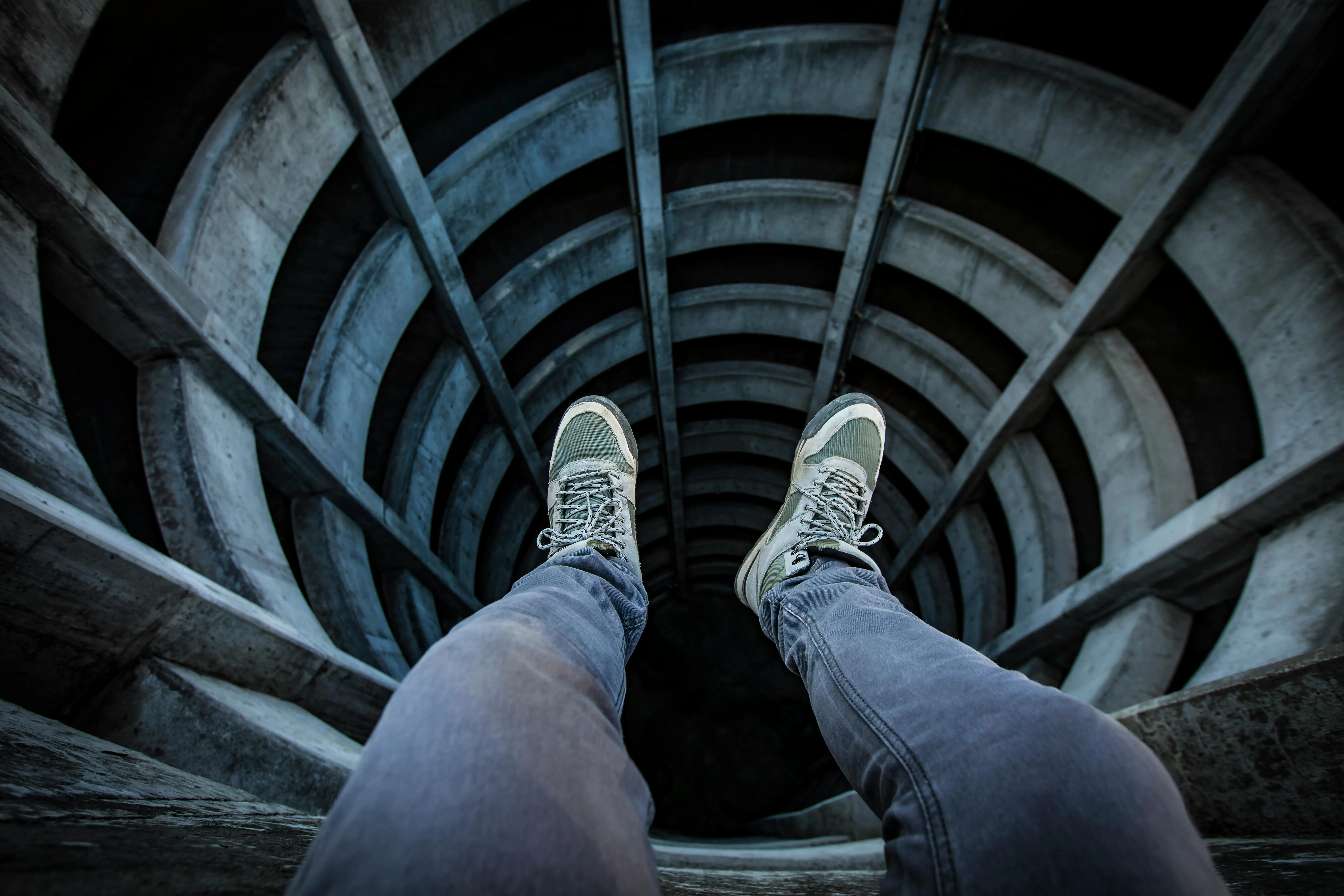
Fear of heights, also known as acrophobia, is a common experience that affects many people. Standing on a balcony, climbing a ladder, or looking down from a tall building can trigger intense feelings of fear, dizziness, or panic. While this reaction is natural to some extent, excessive fear may interfere with daily activities and travel experiences.
Natural remedies for fear of heights
If you need professional support, consulting the best psychiatrist in Delhi can provide valuable insights and personalized strategies for natural remedies for fear of heights. Consider Visiting:
Fortunately, several natural remedies for fear of heights can help individuals gradually build confidence and manage their reactions. These approaches focus on calming the mind, strengthening emotional resilience, and gently changing how the brain responds to height-related situations.
Below are several evidence-based strategies that many mental health professionals recommend.
1. Practice Deep Breathing Techniques
Deep breathing is one of the simplest and most effective ways to calm the body during moments of fear. When someone experiences anxiety related to heights, the body often shifts into a stress response, increasing heart rate and breathing speed.
Practicing slow breathing helps activate the body’s relaxation response. A common technique involves inhaling slowly through the nose for four seconds, holding briefly, and exhaling through the mouth for six seconds.
2. Gradual Exposure to Heights
Gradual exposure is a well-known psychological technique that involves slowly and safely confronting a feared situation. Instead of avoiding heights completely, individuals can start with very small steps.
For example, someone may begin by looking at photos of tall places, then standing on a small step ladder, and eventually visiting higher viewpoints. Each stage allows the brain to adapt and recognize that the situation is safe.
This gradual process can reduce the brain’s automatic fear response over time.
3. Mindfulness and Meditation
Mindfulness practices help individuals focus on the present moment rather than worrying about potential danger. When standing at a height, fearful thoughts often revolve around “what if” scenarios.
Meditation and mindfulness exercises teach people to observe these thoughts without reacting to them. Over time, this can decrease the emotional intensity associated with height-related situations.
4. Visualization Techniques
Visualization is another powerful tool for managing fear. In this practice, individuals imagine themselves successfully handling a height-related situation while remaining calm and confident.
For instance, someone might picture standing on a balcony while feeling relaxed and enjoying the view. Repeating this mental rehearsal helps train the brain to associate heights with calmness rather than fear.
Athletes and performers often use similar visualization strategies to prepare for challenging situations.
5. Physical Relaxation Methods
Fear often creates muscle tension throughout the body. Relaxation techniques such as progressive muscle relaxation can help release this tension.
This method involves tightening and then slowly relaxing different muscle groups, starting from the feet and moving upward toward the head. Practicing this regularly can make it easier to relax the body during stressful moments.
Reducing physical tension can significantly lower the intensity of fear responses.
6. Cognitive Reframing
Cognitive reframing involves changing how a person interprets a situation. Someone with fear of heights may automatically assume that being in a high place is dangerous.
Learning to question these thoughts can help reduce fear. For example, reminding oneself that safety barriers exist or that the structure is secure can shift the brain’s perspective.
The National Institute of Mental Health (NIMH) explains that understanding and restructuring negative thought patterns is an important step in managing anxiety-related fears.
7. Improving Balance and Body Awareness
Sometimes fear of heights is connected to physical sensations such as dizziness or instability. Activities that improve balance and body awareness may help increase confidence.
Practices like yoga, tai chi, and balance training exercises strengthen coordination and stability. Feeling more physically grounded can reduce the discomfort that sometimes triggers height-related anxiety.
These activities also encourage calm breathing and mindfulness, which further support emotional regulation.
8. Positive Self-Talk
The way we speak to ourselves has a strong influence on how we feel. When facing heights, negative inner dialogue such as “I can’t handle this” can intensify fear.
Replacing these thoughts with supportive statements like “I am safe,” or “I can stay calm here,” can help shift emotional reactions. Over time, positive self-talk can strengthen confidence in challenging situations.
9. Seeking Professional Guidance
While many people find relief through self-help strategies, guidance from a trained mental health professional can provide additional support. Professionals can help individuals develop personalized strategies and coping skills.
They may also guide structured exposure exercises and teach techniques designed to reduce fear responses safely and effectively.
Best psychiatrist in delhi
Final Thoughts
Fear of heights can feel overwhelming, but it is possible to gradually reduce its impact through supportive and natural approaches. Techniques such as deep breathing, mindfulness, gradual exposure, and positive thinking can help retrain the mind and body to respond more calmly to height-related situations.
By practicing these natural remedies for fear of heights, individuals can build confidence, regain control, and enjoy experiences that once felt intimidating.
If fear of heights is affecting daily life, reaching out for professional support can provide valuable guidance and encouragement on the journey toward greater comfort and confidence.