For general questions, please send us a message and we’ll get right back to you. You can also call us directly to speak with a member of our service team or insurance expert.
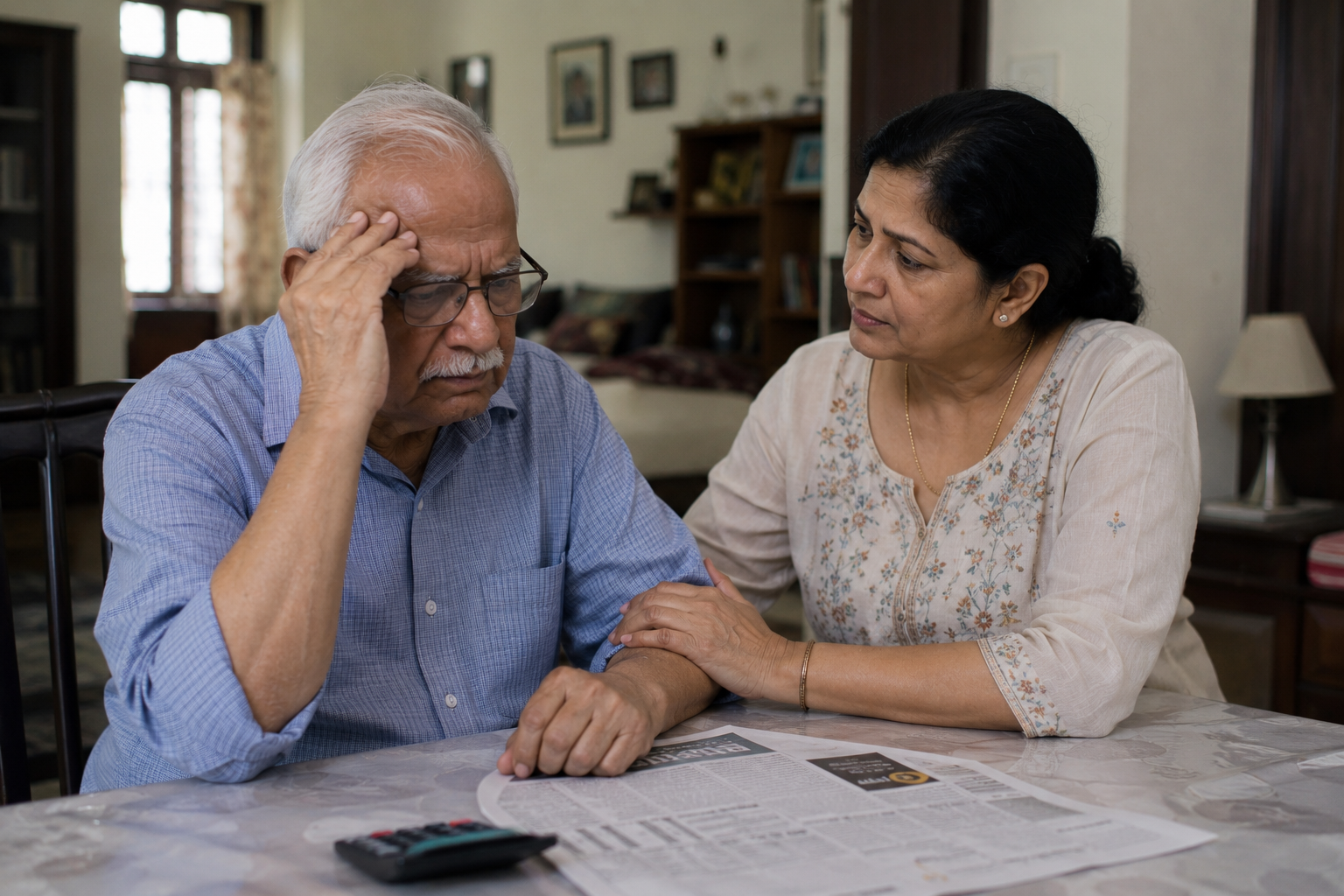
Elderly mental health & dementia awareness is becoming one of the most urgent conversations in Indian households today. As our loved ones grow older, we naturally focus on their physical health — checking blood pressure, managing joint pain, or scheduling regular check-ups. But there’s an equally important part of ageing that often goes unnoticed until it becomes serious: mental wellbeing.
With India’s elderly population growing rapidly, elderly mental health & dementia awareness have become urgent public health priorities. Conditions like depression, anxiety, and dementia are far more common in older adults than most families realise — yet they remain surrounded by silence, stigma, and misdiagnosis.
In this blog, we break down why elderly mental health & dementia awareness matters, the early warning signs of dementia, and how families in Delhi and beyond can support their ageing loved ones with compassion and confidence.
Elderly-Mental-Health-&-Dementia-Awareness
Why Elderly Mental Health & Dementia Awareness Deserves More Attention
Ageing brings major life transitions — retirement, loss of loved ones, reduced mobility, and increasing dependence on others. These changes can significantly affect emotional wellbeing. Common mental health challenges among the elderly include:
Depression — often mistaken for “just being old” or “grumpiness”
Anxiety — worry about health, finances, or being a burden on family
Loneliness and social isolation — especially in nuclear family setups common in urban India
Sleep disturbances — which can worsen both mood and cognitive function
Cognitive decline — ranging from mild forgetfulness to dementia
Unfortunately, many families dismiss these signs as “normal ageing.” This delay in recognition often means elderly individuals suffer silently for years before receiving proper support.
Understanding Dementia: More Than Just Forgetfulness
Dementia is not a single disease — it’s a broad term describing a decline in memory, thinking, language, and reasoning skills severe enough to interfere with daily life. It’s important to understand that occasional forgetfulness is a normal part of ageing, but dementia is not.
Early Warning Signs of Dementia to Watch For
Families are often the first to notice changes. Here are some early red flags:
Memory loss that disrupts daily life — forgetting recently learned information, important dates, or asking the same question repeatedly
Difficulty with familiar tasks — struggling to follow a recipe, manage household bills, or operate a phone they’ve used for years
Confusion with time or place — losing track of dates, seasons, or getting lost in familiar neighbourhoods
Trouble with words — struggling to follow or join a conversation, repeating themselves, or calling things by the wrong name
Poor judgment — falling for scams, neglecting hygiene, or making unusual financial decisions
Withdrawal from social activities — avoiding hobbies, family gatherings, or social commitments they once enjoyed
Mood and personality changes — becoming confused, suspicious, anxious, or fearful without clear reason
If you notice several of these signs persisting over weeks or months, it’s time to consult a mental health professional — early evaluation makes a significant difference in care planning and quality of life.
Elderly Mental Health & Dementia Awareness: Breaking the Stigma in India
In many Indian households, mental health struggles among the elderly are often brushed aside with phrases like “yeh toh budhape mein hota hai” (this happens with old age) or “unhe kuch nahi hua, bas mood off hai” (nothing’s wrong, just a mood swing).
This stigma prevents timely diagnosis and treatment. A few uncomfortable truths worth acknowledging:
Depression in the elderly is not a personality flaw or weakness — it’s a genuine health condition.
Dementia is not something a person can simply “snap out of” or improve through willpower.
Seeking help from a psychiatrist or psychologist doesn’t mean the family has failed — it means they care enough to act.
Awareness is the first step toward reducing this stigma, both within families and society at large.
How Families Can Support Elderly Loved Ones
Supporting an ageing parent or relative’s mental wellbeing doesn’t always require complex intervention. Small, consistent actions can make a meaningful difference:
1. Encourage Social Connection
Isolation is one of the biggest risk factors for both depression and cognitive decline. Encourage regular interaction with friends, family, or community groups — even short daily conversations matter.
2. Promote Mental Stimulation
Activities like reading, puzzles, simple games, or learning a new skill can help keep the mind active and may slow cognitive decline.
3. Maintain a Routine
Predictable daily schedules for meals, sleep, and activities provide comfort and reduce confusion, particularly for those experiencing early cognitive changes.
4. Watch for Physical Health Links
Poor sleep, uncontrolled health conditions, and lack of physical activity often worsen mental health symptoms. A holistic approach to health supports the mind as much as the body.
5. Listen Without Judgment
Sometimes elderly individuals simply need to feel heard. Avoid dismissing their fears or frustrations, even if they seem irrational — validation goes a long way.
6. Seek Professional Guidance Early
If you notice persistent sadness, withdrawal, confusion, or memory issues, consult a qualified mental health professional. Early assessment allows for better planning, support strategies, and quality of life — for both the individual and the family.
The Role of Professional Mental Health Support
A proper evaluation by a psychiatrist or clinical psychologist can help distinguish between normal ageing, depression, anxiety, and dementia — each of which requires a different approach to care. Professional support can include:
Comprehensive cognitive and psychological assessments
Emotional counselling for both the elderly individual and their caregivers
Structured care plans tailored to the individual’s needs
Guidance for family members on how to communicate and provide support effectively
At DelhiMindClinic.com, we understand how overwhelming it can feel to watch a loved one struggle silently. Our approach focuses on compassionate, judgment-free care that respects the dignity of every individual while supporting families through the journey.
Caring for the Caregiver
It’s worth remembering: supporting an elderly loved one with mental health challenges or dementia can be emotionally and physically demanding. Caregiver burnout is real and common. Families should:
Take breaks and seek support from other family members
Join caregiver support groups where experiences can be shared
Consider professional respite care when needed
Prioritise their own mental health too — you cannot pour from an empty cup
Final Thoughts on Elderly Mental Health & Dementia Awareness
Elderly mental health & dementia awareness isn’t just a medical concern — it’s a family and societal responsibility. By recognising early signs, breaking the silence around stigma, and seeking timely professional guidance, we can help our elders age with dignity, connection, and emotional wellbeing.
If you’re noticing changes in a loved one’s memory, mood, or behaviour, don’t wait for things to worsen. A conversation with a mental health professional today could make all the difference tomorrow.
Have questions about elderly mental health or want to schedule a consultation? Reach out to our team at DelhiMindClinic.com — we’re here to help your family navigate this journey with care and expertise.