For general questions, please send us a message and we’ll get right back to you. You can also call us directly to speak with a member of our service team or insurance expert.
Conversations about mental health are everywhere today. Families, workplaces, schools and social media are talking about emotional well-being more openly than ever before.
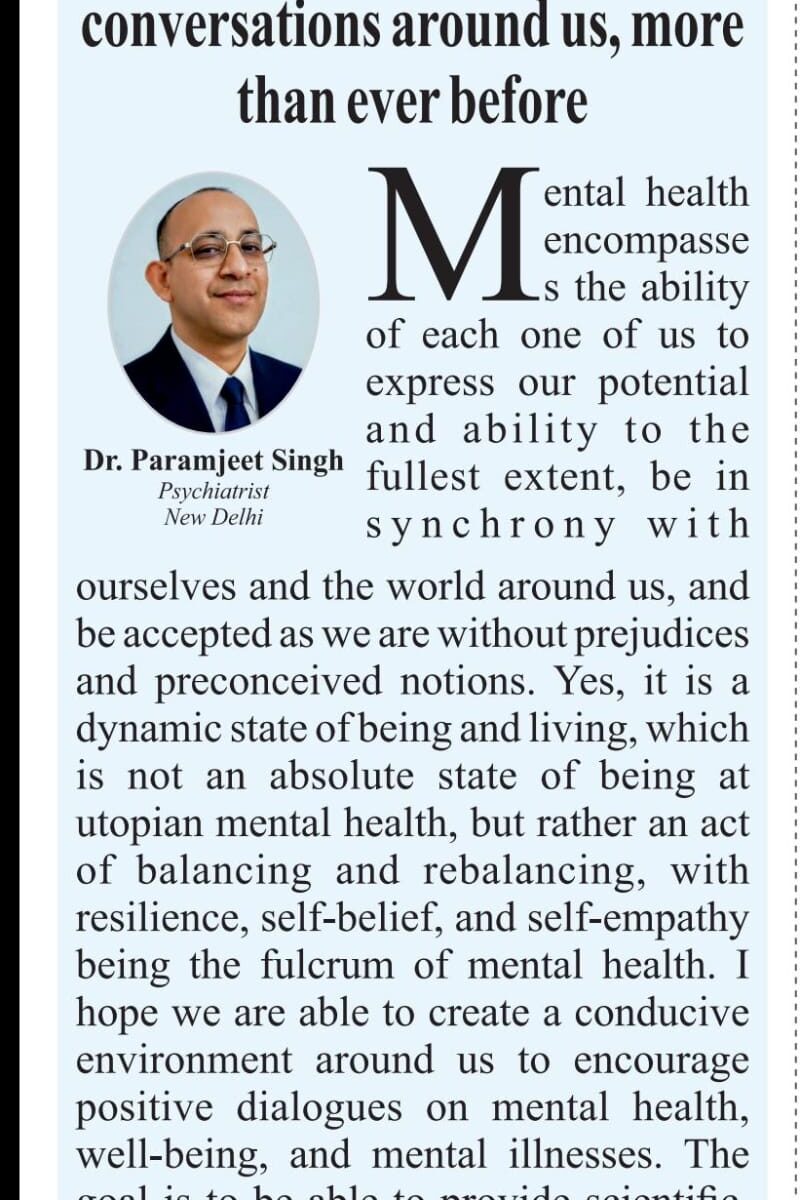
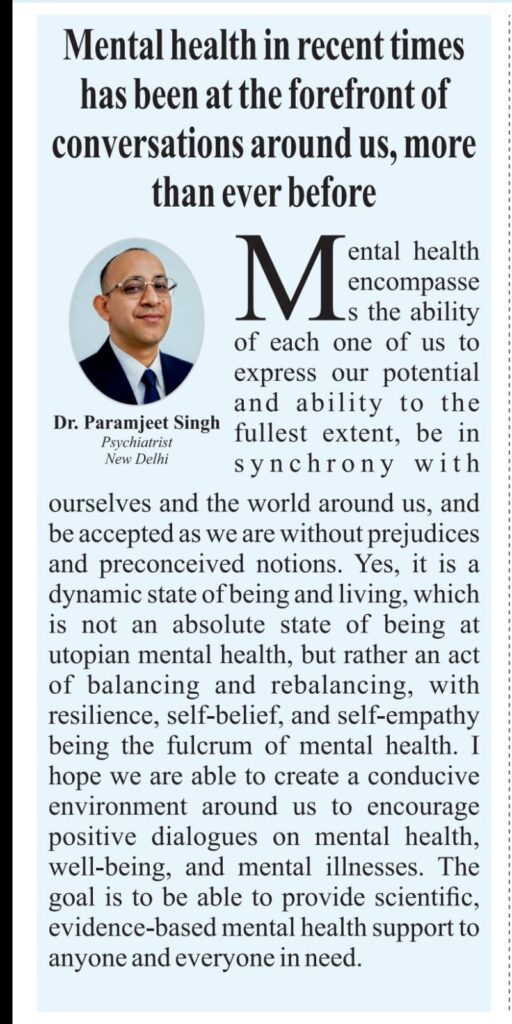
Dr. Paramjeet Singh, Psychiatrist at Delhi Mind Clinic, New Delhi, shares his perspective on this shift. Here are five powerful insights from his thoughts on why this topic matters now and how each of us can contribute.
Insight 1: Well-Being Means Expressing Your Full Potential
According to Dr. Singh, mental health is the ability of each one of us to:
Express our potential and abilities to the fullest extent
Stay in synchrony with ourselves and the world around us
Be accepted as we are, without prejudice or preconceived notions
It is far more than the absence of illness. It is about how we think, feel, relate to others and handle the demands of daily life.
Insight 2: Well-Being Is a Dynamic State, Not a Destination
Dr. Singh describes emotional wellness as a dynamic state of being and living. It is not a perfect, utopian condition that we reach once and keep forever.
Instead, it is an act of balancing and rebalancing. Life brings stress, change, loss and uncertainty, and healing means finding our footing again each time. A difficult season does not mean you have failed. It means you are human.
Insight 3: Resilience, Self-Belief and Self-Empathy Are the Fulcrum
Dr. Singh calls these three qualities the fulcrum of mental health, the point on which everything else balances:
Resilience: the capacity to recover and adapt after setbacks.
Self-belief: trust in your own worth and ability to grow.
Self-empathy: treating yourself with the kindness you would offer a friend.
Small habits strengthen all three: regular routines, quality sleep, physical activity, supportive relationships and kind self-talk.
Dr. paramjeet singh on mental health
Insight 4: Why Everyone Is Talking About It More Than Ever
Emotional well-being has moved to the forefront of public conversation for several reasons:
Greater awareness: people recognize distress in themselves and others.
Fast-paced lifestyles: work pressure and constant connectivity take a toll.
Less silence: shared stories help break stigma.
Mind-body connection: emotional balance affects sleep, relationships and productivity.
Dr. Singh hopes we can create a conducive environment that encourages positive dialogue. You can help by listening without judging, avoiding stereotypes, checking in on loved ones and relying on credible information rather than myths.
Insight 5: Evidence-Based Support for Anyone in Need
Dr. Singh’s goal is to provide scientific, evidence-based mental health support to anyone and everyone in need. Asking for help is a sign of strength and self-care, not weakness.
When to Consider Professional Help
Consider consulting a psychiatrist or mental health professional if you or someone close to you experiences:
Persistent sadness, worry or irritability
Changes in sleep, appetite or energy
Difficulty concentrating or functioning at work, school or home
Withdrawal from people or activities once enjoyed
If you or someone you know is in crisis or having thoughts of self-harm, reach out immediately to a trusted person, a nearby doctor or hospital, or the national helpline Tele-MANAS (14416) in India.
Frequently Asked Questions
1. What is mental health?
Mental health is our emotional, psychological and social well-being. It shapes how we think, feel, act and relate to others, and how we handle stress and make choices.
2. Is mental health the same as mental illness?
No. Everyone has mental health, just as everyone has physical health. Mental illness refers to conditions that affect thinking, mood or behavior and may need professional care.
3. Can mental health change over time?
Yes. It is dynamic and can shift with life events, stress, relationships and support. Balancing and rebalancing is a normal part of life.
4. How can I improve my mental health?
Build resilience, self-belief and self-empathy. Maintain healthy routines, stay connected with loved ones, and seek professional guidance when needed.
5. When should I see a psychiatrist?
When emotional or behavioral difficulties persist, interfere with daily life, or feel too heavy to manage alone, it is a good time to consult a specialist.
Conclusion
Mental health is not a luxury or a trend. It is a vital part of living well. As Dr. Paramjeet Singh reminds us, it is a continuous act of balance, supported by resilience, self-belief and self-empathy, and by a society that listens without prejudice.
Need support? Book a consultation with Dr. Paramjeet Singh at Delhi Mind Clinic, New Delhi, and take the first step toward better mental health.