For general questions, please send us a message and we’ll get right back to you. You can also call us directly to speak with a member of our service team or insurance expert.
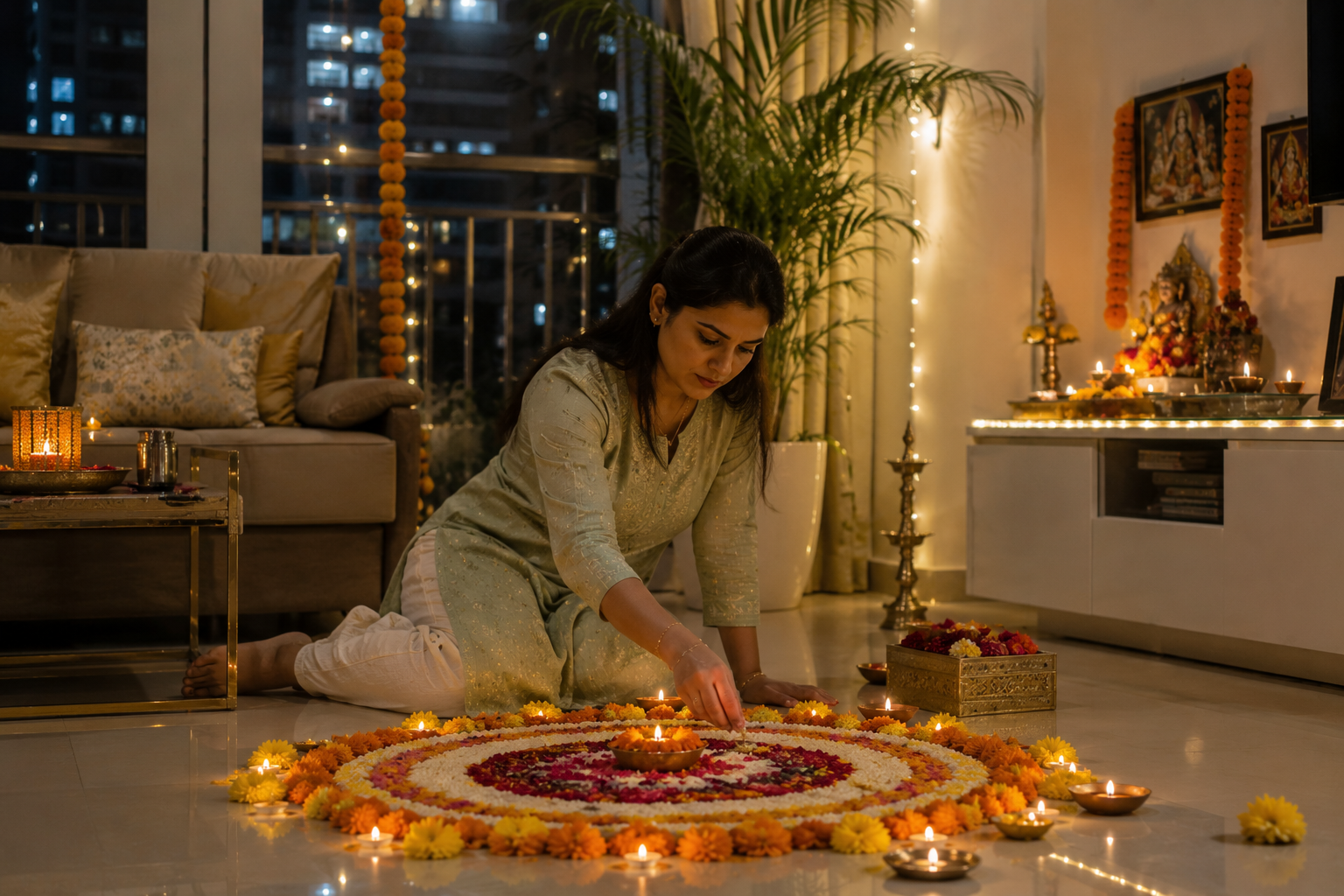
Diwali perfectionism is the quiet pressure to make every part of the festival look flawless: the spotless home, the symmetrical rangoli, the coordinated outfits, the picture-perfect family photo. Diwali is meant to be the festival of light and togetherness, yet for many people it becomes a festival of comparison and exhaustion.
If you have ever felt more stressed than joyful while preparing for Diwali, you are not alone. Let’s look at why it happens and how to take your celebration back.
Diwali perfectionism: family enjoying an imperfect, joyful Diwali celebration
What Is Diwali Perfectionism?
Diwali perfectionism is the habit of setting unrealistically high standards for the festival and judging yourself harshly when things fall short. It often shows up as:
Cleaning and decorating until you are physically drained
Feeling guilty if gifts, sweets or outfits are not “good enough”
Redoing a rangoli or decoration again and again
Feeling anxious about how your home looks to guests and online followers
Perfectionism is not the same as having healthy standards. Healthy standards motivate you. Perfectionism leaves you feeling that nothing you do is ever enough.
Why the “Instagram-Perfect” Diwali Feels So Real
Scroll through social media in the weeks before Diwali and you will see designer decor, flawless makeup, perfectly plated mithai and glowing families in coordinated ethnic wear. What you will not see is the argument over who forgot the diyas, the tired mother cleaning at midnight, or the budget stress behind the lights.
Social media shows a highlight reel, but our minds treat it as a standard to match. This is how Diwali perfectionism grows: we compare our real, behind-the-scenes life with someone else’s edited best moments.
Signs Diwali Perfectionism Is Affecting Your Mental Health
Watch for these warning signs during festive season:
Irritability, snapping at family members over small things
Trouble sleeping because your mind keeps running through the to-do list
Constant tiredness, headaches or tension in the body
Feeling low or “empty” even when celebrating
Spending beyond your budget to keep up appearances
Dreading the festival instead of looking forward to it
If these feelings continue after the festival, it may be more than festive stress. The World Health Organization notes that mental health is a vital part of overall well-being, and seeking support early makes a real difference.
diwali perfectionism
Expert Perspective: Dr. Sugandha Gupta on Diwali Perfectionism
“During festivals, we often see people who carry the emotional load of making everything perfect for everyone else. Diwali perfectionism is rarely about decoration. It is usually about the fear of being judged or of letting loved ones down. When we begin to separate our self-worth from how the festival looks, the stress eases. Celebration should feel nourishing, not like a performance.”
Expert Perspective: Dr. Paramjeet Singh on Diwali Perfectionism
“Perfectionism often feeds anxiety, irritability and burnout, especially when social media raises the bar every year. My advice is to set realistic expectations, share responsibilities and allow room for imperfection. If stress, sleeplessness or low mood continue beyond the festive period, it is wise to speak to a mental health professional rather than push through alone.”
7 Proven Ways to Beat Diwali Perfectionism
1. Define What a “Good Enough” Diwali Looks Like
Write down the three things that matter most to you, such as family dinner, puja and time with loved ones. Let everything else be optional.
2. Share the Workload
Diwali preparation should not fall on one person. Give children, partners and relatives specific tasks.
3. Set a Budget and Keep to It
Overspending to impress others adds financial stress. A thoughtful, modest celebration is just as meaningful.
4. Use Social Media Mindfully
Limit scrolling during the festive weeks. If an account makes you feel inadequate, mute it. Post only if it brings you joy, not for approval.
5. Welcome Imperfection
A crooked diya, a smudged rangoli or a burnt batch of sweets often becomes the funniest family memory. Imperfection adds character.
6. Protect Your Rest
Sleep, meals and short breaks matter. A rested you creates a happier festival than a spotless house ever will.
7. Practise a Two-Minute Grounding Pause
Breathe in slowly for four counts and out for six. Then name three things you can see, hear and feel. Repeat whenever pressure builds.
Being Present Matters More Than Being Perfect
Diwali is about light overcoming darkness. That light is not in flawless photographs. It is in shared laughter, gratitude and being fully present with the people you love.
This year, try putting the phone down for one hour during the puja or dinner, and simply be there.
When to Seek Professional Support
Festive stress is common, but you do not have to cope alone. Consider talking to a mental health professional if you notice:
Persistent anxiety, sadness or irritability
Perfectionism affecting your work, relationships or sleep
Diwali perfectionism can quietly steal the joy from the festival, but you can choose a different approach. A meaningful Diwali is not the one that looks best online. It is the one that feels warm, relaxed and real.
Wishing you a calm, bright and beautifully imperfect Diwali.