Book Appointment
  • 7A/67, West Extension Area Karol Bagh, New Delhi   | हिंदी में पढ़ें
  • 91-78-3838-7944
  • contact@delhimindclinic.com
  • Appointment
Best Psychiatrist in Delhi
  • Home
  • About us
    • Clinic
  • Our Specialists
    • Dr. Paramjeet Singh
      Senior Neuropsychiatrist
    • Dr. Sugandha Gupta
      Senior Psychiatrist
    • Mrs. Nikita Jain
      Clinical Psychologist
    • Mrs. Tamanna Kharb
      Clinical Psychologist
    • Mrs. Pooja Sharma
      Clinical Psychologist
    • Ms. Aditi Singh
      Clinical Psychologist
  • Our Services
    • Bipolar Disorder Treatment
    • Depression Treatment
    • Schizophrenia Treatment
    • OCD Treatment
    • Panic Disorder Treatment
    • Psychosexual Disorders Treatment
    • ADHD Treatment
    • Addiction Disorder Treatment
    • Autism Treatment
    • Mental Retardation Services
    • Specific Learning Disorder Services
  • Information
    • Symptoms & Treatment
      • Depression
      • Schizophrenia
      • Bipolar Disorder
      • Anxiety Disorders
      • Obsessive Compulsive Disorder
      • Addictions
      • Psychosexual Disorders – ED
      • Psychosexual Disorders -Premature Ejaculation
      • Autism
      • Attention Deficit Hyperactivity Disorder (ADHD)
    • A Comprehensive Guide to Understanding Common Psychiatric Disorders
    • Self assessment questionnaires
    • Frequently asked questions
  • News & Blog
    • Blog
    • Gallery
    • Events & Media
    • Facebook Feed
    • Youtube Feed
    • Quora Feeds
      • Dr. Paramjeet @ Quora
      • Dr. Sugandha @ Quora
  • Contact Us
Location
Working Time
Working Time
Mon-Sat Morning 09:30 AM – 01:30PM
Mon-Sat Morning 05:00 PM – 08:00 PM
Assistance For Appointment

For general questions, please send us a message and we’ll get right back to you. You can also call us directly to speak with a member of our service team or insurance expert.

  • +91-78-3838-7944
  • contact@delhimindclinic.com
Contact Us
+
HomeNews & Blog

News & Blog

10Dec

Therapy for Schizophrenia: 5 Effective Approaches for Better Mental Health

by Aman Khan

Introduction:

Therapy for schizophrenia is a cornerstone of managing this chronic mental health condition, which affects how an individual thinks, feels, and behaves. While the exact cause of schizophrenia remains unknown, therapies can significantly improve symptoms, enhance quality of life, and foster social integration.

In this blog, we’ll explore five effective therapies for schizophrenia, providing valuable insights into evidence-based approaches recommended by mental health professionals.


therapy for schizophrenia

For individuals seeking treatment for Schizophrenia, consider consulting qualified mental health professionals such as:

  • Delhi Mind Clinic
  • Dr. Sugandha Gupta
  • Dr. Paramjeet Singh

1. Cognitive Behavioral Therapy (CBT)

Cognitive Behavioral Therapy for schizophrenia is a highly effective psychological intervention. This therapy helps individuals identify and challenge distorted thoughts, reducing anxiety and distress associated with delusions and hallucinations.

Key Benefits:

  • Enhances problem-solving skills.
  • Builds coping strategies to manage symptoms.
  • Improves emotional regulation.

CBT sessions are structured and conducted by trained therapists. Its effectiveness has been validated by studies from the National Institute of Mental Health (NIMH).


2. Family Therapy

Family therapy is an essential therapy for schizophrenia, aiming to support both individuals and their loved ones. This therapy fosters open communication, reduces misunderstandings, and strengthens familial relationships.

Why It Matters:

  • Creates a supportive home environment.
  • Educates families about schizophrenia and its challenges.
  • Helps family members manage caregiving stress effectively.

The World Health Organization (WHO) underscores the importance of family therapy as part of a holistic treatment approach for schizophrenia.


therapy for schizophrenia

3. Social Skills Training

Therapy for schizophrenia often includes social skills training, which focuses on helping individuals improve their interpersonal interactions. This intervention teaches practical skills like maintaining eye contact, engaging in conversations, and interpreting social cues.

Key Features:

  • Role-playing exercises for practicing interactions.
  • Techniques to enhance verbal and non-verbal communication.
  • Skills for conflict resolution and relationship building.

According to the Centers for Disease Control and Prevention (CDC), social skills training improves social integration and quality of life for individuals living with schizophrenia.


4. Psychosocial Rehabilitation

Psychosocial rehabilitation is another crucial therapy for schizophrenia, aimed at helping individuals regain independence by addressing personal, social, and professional goals.

Core Elements:

  • Vocational training to enhance employability.
  • Strategies for managing everyday tasks like budgeting and time management.
  • Support groups to build a sense of community and belonging.

The Substance Abuse and Mental Health Services Administration (SAMHSA) highlights the importance of psychosocial rehabilitation in fostering self-reliance and improving overall mental well-being.


5. Art and Music Therapy

Creative therapies like art and music therapy offer a unique therapy for schizophrenia by providing an outlet for self-expression and reducing stress.

How It Helps:

  • Encourages non-verbal communication for those struggling with verbal expression.
  • Boosts self-esteem and provides a sense of accomplishment.
  • Acts as a calming activity to manage anxiety and agitation.

Government organizations, including the National Endowment for the Arts (NEA), have highlighted the benefits of these creative therapies for mental health.


therapy for schizophrenia

Conclusion

Therapy for schizophrenia goes beyond symptom management; it empowers individuals to lead fulfilling lives. Whether through CBT, family therapy, social skills training, psychosocial rehabilitation, or creative therapies, these approaches provide hope and healing for individuals and their families.

For further resources, visit these authoritative websites:

  • National Institute of Mental Health (NIMH)
  • World Health Organization (WHO)
  • Substance Abuse and Mental Health Services Administration (SAMHSA)

It’s important to note that every individual’s journey with schizophrenia is unique, and the right combination of therapies can significantly enhance their quality of life. By addressing both the mental and emotional aspects of the condition, these interventions help individuals regain control over their lives and achieve their goals.

Investing in therapy for schizophrenia not only benefits individuals but also their families and communities, creating a ripple effect of understanding, compassion, and empowerment. Together, we can build a future where mental health challenges are met with resilience, empathy, and effective care.


7Dec

5 Crucial OCD Diagnostic Criteria You Need to Master

by Aman Khan

Understanding OCD Diagnostic Criteria: 5 Essentials to Know

Obsessive-Compulsive Disorder (OCD) is a mental health condition characterized by persistent, intrusive thoughts (obsessions) and repetitive behaviors (compulsions) aimed at reducing anxiety. Accurately identifying OCD diagnostic criteria requires a clear understanding of its diagnostic criteria, which are essential for effective treatment and support.

This blog explores the five essential OCD diagnostic criteria to help individuals and families gain clarity about this condition.

What Are OCD Diagnostic Criteria?

OCD diagnostic criteria, as outlined in the Diagnostic and Statistical Manual of Mental Disorders (DSM-5), are used by mental health professionals to confirm the presence of OCD. These criteria help differentiate OCD from other mental health conditions. Below, we discuss the five key criteria in detail.


For individuals seeking treatment for OCD, consider consulting qualified mental health professionals such as:

  • Delhi Mind Clinic
  • Dr. Sugandha Gupta
  • Dr. Paramjeet Singh

ocd diagnostic criteria

1. Presence of Obsessions, Compulsions, or Both

A person with OCD experiences:

  • Obsessions: Repeated, intrusive, and unwanted thoughts, urges, or images causing anxiety or distress. These thoughts are not simply excessive worries about real-life issues.
  • Compulsions: Repetitive behaviors (e.g., handwashing, checking) or mental acts (e.g., praying, counting) performed to reduce the anxiety caused by obsessions.

These obsessions and compulsions are time-consuming and interfere with everyday functioning.


2. Significant Distress or Impairment

The symptoms must cause significant distress or impair crucial areas of functioning, such as:

  • Work or academic performance.
  • Personal relationships.
  • Daily activities and responsibilities.

This criterion ensures that OCD is distinguished from occasional intrusive thoughts or habits common in many individuals.


3. Not Attributable to Substance Use or Medical Conditions

To diagnose OCD, the symptoms must not result from:

  • The physiological effects of substances like drugs or alcohol.
  • Medical conditions (e.g., brain injury or other neurological disorders).

This ensures that OCD is not misdiagnosed when another underlying factor might be responsible.


4. Not Better Explained by Another Mental Disorder

OCD symptoms must not overlap with or be better explained by other mental health disorders, such as:

  • Generalized Anxiety Disorder: Excessive and uncontrollable worry.
  • Body Dysmorphic Disorder: Obsessions with perceived physical flaws.
  • Autism Spectrum Disorder: Ritualistic or repetitive behaviors unrelated to intrusive thoughts.

A thorough evaluation by a qualified professional is necessary to differentiate OCD from these conditions.


ocd diagnostic criteria

5. Duration and Consistency of Symptoms

OCD symptoms must occur frequently and persist over an extended period. This typically means:

  • Symptoms are present on most days over six months or more.
  • Symptoms are not merely situational or temporary.

This ensures that behaviors stemming from temporary stress or situational anxiety are not misdiagnosed as OCD.


Why OCD Diagnosing Criteria Is Essential

Proper diagnosis is the cornerstone of effective intervention. Misdiagnosis can delay treatment and worsen symptoms, affecting an individual’s quality of life.


Common Challenges in Diagnosing OCD

  • Symptom Concealment: Many people feel embarrassed about their symptoms and avoid discussing them.
  • Symptom Overlap: OCD often coexists with depression or anxiety, complicating diagnosis.
  • Cultural Norms: Behaviors considered compulsive in one culture may be seen as typical in another.

Getting Help for OCD

If you suspect OCD symptoms in yourself or a loved one, consulting a qualified mental health professional is crucial. Early diagnosis and tailored interventions can significantly improve outcomes.

Authoritative Resources

For further insights into OCD diagnostic criteria and support, refer to:

  • National Institute of Mental Health (NIMH)
  • World Health Organization (WHO)
  • Centers for Disease Control and Prevention (CDC)

ocd diagnostic criteria

Conclusion

OCD is a complex condition that significantly impacts the lives of those affected. Understanding and applying the diagnostic criteria ensures accurate identification, enabling access to the appropriate support and care. By fostering awareness, we can break stigmas and empower individuals with OCD to lead fulfilling lives.

6Dec

OCD Solutions: 5 Effective Ways to Manage OCD Symptoms

by Aman Khan

Introduction

OCD solutions are essential for individuals dealing with Obsessive-Compulsive Disorder (OCD), a mental health condition marked by persistent intrusive thoughts (obsessions) and repetitive behaviors (compulsions). These behaviors can disrupt daily life, but understanding and implementing effective solutions can empower individuals to regain control. This guide explores five proven solutions for managing OCD symptoms effectively, without relying on medication.

What is OCD?

OCD is a mental health disorder that involves a cycle of obsessions and compulsions. Obsessions are intrusive, unwanted thoughts, images, or urges, while compulsions are repetitive actions performed to reduce anxiety caused by obsessions. Implementing OCD solutions can help break this cycle and improve quality of life.

ocd solutions

For individuals seeking treatment for OCD, consider consulting qualified mental health professionals such as:

  • Delhi Mind Clinic
  • Dr. Sugandha Gupta
  • Dr. Paramjeet Singh

1. Cognitive Behavioral Therapy (CBT): A Key OCD Solution

One of the most effective OCD solutions is Cognitive Behavioral Therapy, particularly Exposure and Response Prevention (ERP). ERP involves gradually facing anxiety-triggering situations while resisting the urge to perform compulsive behaviors, ultimately reducing their impact.

Benefits of CBT for OCD:

  • Identifies and challenges irrational thoughts.
  • Promotes healthier coping mechanisms.
  • Improves emotional regulation and resilience.

For more details on therapy, visit the National Institute of Mental Health (NIMH).


2. Building a Support System for OCD Solutions

A robust support system is another essential component of effective OCD solutions. Engaging with family, friends, and support groups can provide encouragement and understanding.

Tips for Building Support:

  • Join OCD-focused support groups online or in person.
  • Openly communicate about struggles and needs.
  • Seek guidance from trained professionals.

Explore support networks via the Substance Abuse and Mental Health Services Administration (SAMHSA).


ocd solutions

3. Mindfulness and Stress Management Techniques

Mindfulness is a valuable addition to the list of OCD solutions, helping individuals focus on the present and reduce the power of obsessive thoughts. Techniques like meditation, yoga, and deep breathing can alleviate symptoms.

Effective Practices:

  • Deep breathing exercises to calm anxiety.
  • Progressive muscle relaxation for physical tension.
  • Daily mindfulness meditation to improve focus.

Learn relaxation techniques at the Centers for Disease Control and Prevention (CDC).


4. Establishing a Structured Daily Routine

A well-organized daily routine is one of the practical OCD solutions that can reduce unpredictability and minimize compulsions.

How to Create a Routine:

  • Plan regular activities, including work, leisure, and exercise.
  • Avoid excessive downtime to prevent rumination.
  • Add enjoyable activities to enhance mood.

Consistency in routines can significantly ease OCD symptoms and improve overall well-being.


5. Professional Guidance and Early Intervention

Seeking professional help is one of the most critical OCD solutions. Early intervention can reduce the severity of symptoms and improve long-term outcomes.

Steps for Seeking Help:

  • Consult licensed therapists or psychologists specializing in OCD.
  • Consider family therapy for added support.
  • Use community resources for accessible care.

For guidance on mental health services, visit the World Health Organization (WHO).


ocd solutions

Conclusion

Implementing effective OCD solutions can be life-changing for individuals managing this challenging mental health condition. These solutions, ranging from Cognitive Behavioral Therapy (CBT) to mindfulness techniques and structured daily routines, provide a holistic approach to reducing the impact of OCD symptoms. By addressing both the psychological and behavioral aspects of OCD, these strategies empower individuals to regain control over their thoughts and actions.

It’s essential to remember that each person’s journey with OCD is unique, and finding the right combination of strategies may take time. Patience and persistence are key in overcoming obstacles and embracing progress. With the right support, dedication, and solutions, individuals with OCD can achieve a better quality of life and enjoy fulfilling, meaningful experiences.

By adopting these five proven solutions, you or your loved one can take significant steps toward managing OCD and building a future filled with hope and resilience.

5Dec

7 Proven Steps for OCD Recovery

by Aman Khan

Introduction:

Obsessive-Compulsive Disorder (OCD) is a mental health condition characterized by persistent, unwanted thoughts (obsessions) and repetitive behaviors (compulsions). For those experiencing OCD, recovery is not only possible but also highly achievable with the right strategies and support systems. This guide outlines 7 proven steps for OCD recovery, helping individuals regain control of their lives.


ocd recovery

Understanding OCD and Its Impact

OCD affects millions worldwide, causing significant distress and impairing daily functioning. Recognizing the symptoms is the first step toward OCD recovery. Some common signs include:

  • Intrusive, recurring thoughts causing anxiety.
  • Compulsions, such as excessive handwashing or checking behaviors.
  • A persistent feeling of incompleteness or fear of harm.

By seeking support and implementing evidence-based strategies, individuals can embark on the path to OCD recovery and work towards a fulfilling life.


For individuals seeking treatment for OCD, consider consulting qualified mental health professionals such as:

  • Delhi Mind Clinic
  • Dr. Sugandha Gupta
  • Dr. Paramjeet Singh

1. Acknowledge and Accept Your Condition

The first step to recovery is understanding and accepting that OCD is a medical condition, not a personal flaw. Self-compassion is crucial in this journey. Many people find solace in connecting with support groups or reading about others’ experiences with OCD.

For more information, visit the National Institute of Mental Health (NIMH).


2. Seek Professional Therapy

One of the most effective treatments for OCD Recovery is therapy, particularly Cognitive Behavioral Therapy (CBT). A specialized form of CBT called Exposure and Response Prevention (ERP) has been shown to significantly reduce OCD symptoms. ERP involves gradually exposing yourself to your fears without engaging in compulsive behaviors.

Learn more about CBT and ERP at the Centers for Disease Control and Prevention (CDC).


ocd recovery

3. Develop Healthy Coping Mechanisms

Stress and anxiety can exacerbate OCD symptoms, making it essential to cultivate healthy coping mechanisms. Strategies such as:

  • Mindfulness and Meditation: Helps to focus on the present and reduce anxiety.
  • Regular Exercise: Promotes mental well-being by releasing endorphins.
  • Time Management: Helps structure your day and reduce stress.

These habits create a positive environment for recovery and empower individuals to manage OCD effectively.


4. Educate Yourself and Loved Ones

Understanding OCD is empowering for both individuals and their families. Education dispels myths and fosters empathy. Encourage family members to learn about OCD and how they can provide constructive support without reinforcing compulsive behaviors.

Access detailed resources through MentalHealth.gov.


5. Establish a Strong Support Network

Recovery is not a solitary process. Surrounding yourself with a supportive network of friends, family, and professionals can provide the encouragement needed to persevere. Joining OCD-specific support groups, either online or offline, can help share experiences and practical tips.

For support group options, visit the Substance Abuse and Mental Health Services Administration (SAMHSA).


6. Prioritize a Balanced Lifestyle

A balanced lifestyle promotes mental wellness and aids in OCD recovery. Key elements include:

  • Sleep Hygiene: Aim for 7-9 hours of sleep to reduce stress.
  • Nutrition: A healthy diet supports overall brain health.
  • Limit Screen Time: Excessive screen time can heighten anxiety.

Small changes in daily habits can yield significant improvements over time.


7. Celebrate Progress and Practice Patience

OCD recovery is not a linear process; it involves ups and downs. Celebrate small victories and remain patient with yourself. Understand that setbacks are a natural part of progress, and every step forward, no matter how small, is worth acknowledging.


ocd recovery

Conclusion

OCD recovery requires dedication, the right strategies, and support from professionals and loved ones. By following these seven proven steps, individuals can achieve significant progress and regain control over their lives. Remember, you are not alone, and help is always available.

For further resources and guidance, explore the National Institute on Aging (NIA).

4Dec

OCD Checking:5 Important Facts You Must Know

by Aman Khan

Understanding OCD Checking

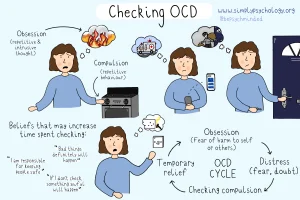
Obsessive-Compulsive Disorder (OCD) is a mental health condition characterized by intrusive thoughts (obsessions) and repetitive behaviors (compulsions) performed to ease anxiety. Among its various subtypes, OCD checking is a common manifestation, where individuals feel compelled to repeatedly check something to alleviate fear of harm or ensure safety. This behavior often stems from an overwhelming need for certainty or a fear of making mistakes that could have serious consequences.

While it may provide temporary relief, the compulsion to check can become a debilitating cycle. Over time, it significantly impacts the individual’s daily life, relationships, and mental well-being. Understanding the roots of OCD checking is the first step toward addressing its effects and finding effective solutions.

1. What Is OCD Checking?

OCD checking refers to repetitive behaviors driven by the fear of negative outcomes. For instance, individuals may repeatedly check:

  • If doors are locked to prevent burglary.
  • Appliances to avoid fire hazards.
  • Work tasks to confirm accuracy.

ocd checking

These actions are not merely habits; they stem from intense anxiety and are time-consuming, often interfering with daily life.

For individuals seeking treatment for OCD, consider consulting qualified mental health professionals such as:

  • Delhi Mind Clinic
  • Dr. Sugandha Gupta
  • Dr. Paramjeet Singh

2. Why Do People with OCD Check Repeatedly?

The need to check arises from intrusive thoughts and the distress they cause. Common triggers for OCD checking include:

  • Fear of causing harm to oneself or others.
  • Fear of making a mistake.
  • A desire for certainty in situations where ambiguity is natural.

While checking may temporarily reduce anxiety, it reinforces the compulsion over time, creating a vicious cycle.

3. How Does OCD Checking Affect Daily Life?

OCD checking can significantly impact personal, professional, and social life. Key challenges include:

  • Time consumption: Hours spent on checking rituals can hinder productivity.
  • Strained relationships: Loved ones may struggle to understand compulsive behaviors.
  • Emotional toll: Persistent anxiety and self-doubt can lead to feelings of frustration and isolation.

These effects make it essential to address OCD checking to improve quality of life.

4. Effective Strategies for Managing OCD Checking

Managing OCD checking requires a combination of understanding, support, and evidence-based interventions. Here are some strategies:

ocd checking

a. Cognitive-Behavioral Therapy (CBT)

CBT, particularly Exposure and Response Prevention (ERP), is a proven treatment for OCD. It involves gradually confronting fears without engaging in compulsions, reducing the anxiety associated with intrusive thoughts.

b. Mindfulness Techniques

Practicing mindfulness can help individuals focus on the present moment and detach from obsessive thoughts. Techniques like deep breathing and meditation can reduce overall anxiety levels.

c. Seeking Professional Help

Consulting a qualified mental health professional is crucial for developing a personalized treatment plan. Therapy and support groups can provide essential guidance and encouragement.

5. Promoting Awareness and Understanding

Raising awareness about OCD checking is essential for reducing stigma and promoting early intervention. Friends, family, and communities can support individuals by:

  • Educating themselves about OCD.
  • Avoiding judgment and offering patience.
  • Encouraging professional help without pressuring the person.

Authoritative Resources on OCD

For further information, consider these trusted sources:

  • National Institute of Mental Health (NIMH)
  • Centers for Disease Control and Prevention (CDC) – Mental Health
  • World Health Organization (WHO) – Mental Health

ocd checking

Final Thoughts

OCD checking is a challenging yet manageable aspect of Obsessive-Compulsive Disorder. With the right knowledge, professional support, and coping strategies, individuals can regain control over their lives and reduce the hold of compulsive checking. Early recognition and intervention are key to living a fulfilling and balanced life despite the challenges of OCD.

If you or someone you know is struggling with OCD checking, it’s important to remember that help is available. Professional guidance, along with supportive friends and family, can make a significant difference. Breaking free from the cycle of compulsions is not easy, but it is achievable with persistence and the right resources. Empower yourself by seeking the necessary support and focusing on small, consistent steps toward improvement.

2Dec

Panic Disorder Symptoms: 7 Key Signs to Know

by Aman Khan

Understanding Panic Disorder Symptoms

Panic disorder symptoms can be overwhelming and disruptive to daily life. Panic disorder is a type of anxiety disorder marked by sudden and repeated episodes of intense fear, commonly known as panic attacks. These episodes are often accompanied by physical and psychological symptoms that can escalate without warning.

In this guide, we’ll explore the essential symptoms of panic disorder, helping you identify the condition early and seek appropriate treatment. Early intervention is key to managing panic disorder symptoms effectively.


For individuals seeking treatment for Panic Disorder Treatment, consider consulting qualified mental health professionals such as:

  • Delhi Mind Clinic
  • Dr. Sugandha Gupta
  • Dr. Paramjeet Singh

panic disorder symptoms

Table of Contents

  • What Are Panic Disorder Symptoms?
  • Common Symptoms of Panic Disorder
  • Intense and Sudden Fear
  • Racing Heartbeat or Palpitations
  • Shortness of Breath or Hyperventilation
  • Chest Pain or Discomfort
  • Trembling or Shaking
  • Nausea or Stomach Upset
  • Fear of Losing Control or Dying
  • Causes of Panic Disorder Symptoms
  • When to Seek Help
  • How to Manage Panic Disorder Symptoms

What Are Panic Disorder Symptoms?

Panic disorder symptoms are a combination of physical and emotional responses that occur during a panic attack. These symptoms can be distressing, often leading individuals to feel out of control or fearful of another attack. It’s crucial to understand and identify these symptoms to take proactive steps toward managing them.


Common Symptoms of Panic Disorder

1. Intense and Sudden Fear

The hallmark of panic disorder symptoms is an abrupt and overwhelming feeling of fear or dread, often without a clear trigger. This intense emotion can arise unexpectedly and peak within minutes, leaving individuals feeling powerless.

2. Racing Heartbeat or Palpitations

A common physical symptom is a rapid or irregular heartbeat. During a panic attack, individuals may feel as if their heart is pounding or racing uncontrollably. This response is often harmless but can feel alarming.

panic disorder symptoms

3. Shortness of Breath or Hyperventilation

Shortness of breath is another prominent symptom. Many individuals experience a sensation of suffocation or rapid breathing, which can exacerbate feelings of dizziness and unease.

4. Chest Pain or Discomfort

Chest pain, often mistaken for a heart attack, is a frequent symptom of panic disorder. This discomfort is typically caused by muscle tension or hyperventilation rather than a cardiac issue.

5. Trembling or Shaking

Panic attacks often trigger visible trembling or an internal sensation of shaking. This is a natural response to the adrenaline surge associated with fear.

6. Nausea or Stomach Upset

Digestive distress, such as nausea or abdominal cramps, is another symptom linked to panic disorder. The body’s response to stress can disrupt normal digestive functions.

7. Fear of Losing Control or Dying

A psychological symptom of panic disorder is the intense fear of losing control, going crazy, or even dying. This can discourage individuals from engaging in daily activities due to fear of an attack.


Causes of Panic Disorder Symptoms

While the exact cause of panic disorder is not fully understood, several factors may contribute to its development:

  • Genetics: A family history of anxiety disorders can increase susceptibility.
  • Stressful Life Events: Major life changes or trauma can act as triggers.
  • Brain Chemistry: Imbalances in neurotransmitters are thought to play a role.

Understanding these factors can help individuals and professionals develop effective coping strategies.


When to Seek Help

If you or someone you know experiences recurring panic attacks or persistent fear of having another one, it’s essential to consult a mental health professional. Proper diagnosis and treatment can prevent symptoms from escalating.

For more information you can visit:

  • National Institute of Mental Health (NIMH)
  • Centers for Disease Control and Prevention (CDC)
  • MentalHealth.gov

How to Manage Panic Disorder Symptoms

Managing panic disorder symptoms often involves a combination of professional treatment and lifestyle adjustments. Here are a few effective strategies:

  • Practice Relaxation Techniques: Deep breathing and mindfulness can help reduce anxiety levels.
  • Maintain a Healthy Lifestyle: Regular exercise, a balanced diet, and adequate sleep can improve mental health.
  • Identify Triggers: Recognizing and avoiding stressors can prevent panic attacks.

panic disorder symptoms

Final Thoughts

Understanding panic disorder symptoms is the first step toward managing this condition. While the symptoms can be distressing, early intervention and the right support can make a significant difference.

If you suspect you might have panic disorder, consult a qualified mental health professional. With proper care, individuals can regain control of their lives and reduce the impact of these symptoms.

  • 1
  • …
  • 57
  • 58
  • 59
  • 60
  • 61
  • …
  • 130

Recent Posts

  • Fear of Dark: 7 Causes and Ways to Overcome Nyctophobia
  • Famous Person With Autism: 5 Inspiring Stories You Should Know
  • Financial Stress and Mental Health: 7 Warning Signs to Know
  • Psychological Trauma After Sexual Assault: 5 Insights from Dr. Sugandha Gupta on the Delhi Bus Case
  • How to Deal With Breakup Depression: A Complete Guide to Healing
  • Why Is Therapy Taboo in India? Understanding the Silence Around Mental Health
  • FOMO and Comparison Anxiety from Instagram Reels: 7 Proven Ways to Feel Better
  • Controlling Temper: 10 Proven Ways to Stay Calm When It Matters Most
  • Fear of Failure: 8 Proven Ways to Overcome It
  • Quiet Quitting and Workplace Anxiety: 7 Signs You’re Mentally Checking Out

Archives

  • September 2026
  • August 2026
  • July 2026
  • June 2026
  • May 2026
  • April 2026
  • March 2026
  • February 2026
  • January 2026
  • December 2025
  • November 2025
  • October 2025
  • September 2025
  • August 2025
  • July 2025
  • June 2025
  • May 2025
  • April 2025
  • March 2025
  • February 2025
  • January 2025
  • December 2024
  • November 2024
  • October 2024
  • September 2024
  • August 2024
  • February 2024
  • January 2024
  • September 2023
  • August 2023
  • July 2023
  • June 2023
  • May 2023
  • April 2023
  • March 2023
  • February 2023
  • January 2023
  • December 2022
  • November 2022
  • October 2022
  • September 2022
  • August 2022
  • July 2022
  • June 2022
  • May 2022
  • March 2022
  • January 2022
  • January 2021
  • May 2020
  • April 2020
  • March 2020
  • November 2019
  • October 2019
  • September 2019
  • April 2019
  • February 2019
  • January 2019
  • October 2018
  • September 2018
  • June 2018
  • February 2018
  • January 2018
  • September 2017
  • July 2017
  • April 2017
  • October 2016
  • August 2016
  • November 2015
  • September 2015
  • November 2014

Tags

:job insecurity and mental health adhd symptoms adhd symptoms in adults and children AI Chatbots and Mental Health Apps anger control anxiety autism burnout controlling temper depression Depression Management Depression Treatment Dr. Paramjeet Singh Dr. Sugandha Gupta Elderly mental health & dementia awareness Events Excessive Phone failure family mental health fear financial stress and mental health FOMO-and-comparison-anxiety-from-Instagram-Reels how pollution and mental health how to deal with breakup depression imposter-syndrome-at-work imposter syndrome lifestyle diseases list of phobias a to z Mental Health mental health awareness PTSD PTSD SIGNS AND SYMPTOMS Scrolling self-care rituals sexual assault signs of depression situational depression sleep problems in India social media stress stress management trauma Why Is Therapy Taboo in India Workplace Young Adults

Quick Navigation

  • Best Psychiatrist in Delhi
  • Best Psychiatrist in South Delhi
  • Best Psychiatrist in Delhi for Depression
  • Best Psychiatrist in Delhi for Bipolar Disorder
  • Best Psychiatrist in Delhi for Schizophrenia
  • Best Psychiatrist For Bipolar Disorder Near Me
  • Best Psychiatrist In Ganga Ram Hospital
  • Psychiatrist Near Me
  • Best Psychiatrist In Delhi For Anxiety
  • Psychiatrists In Delhi
  • Best Adhd Doctors In Delhi
  • Depression Counselling In Delhi
  • ADHD Disorder
  • Best Psychiatrist in Delhi
  • Best Lady Psychiatrist In Delhi

Best Psychiatrist in Delhi

best psychiatrist in delhi

Blog Posts

  • Fear of Dark: 7 Causes and Ways to Overcome Nyctophobia
  • Famous Person With Autism: 5 Inspiring Stories You Should Know
  • Financial Stress and Mental Health: 7 Warning Signs to Know
  • Psychological Trauma After Sexual Assault: 5 Insights from Dr. Sugandha Gupta on the Delhi Bus Case
  • How to Deal With Breakup Depression: A Complete Guide to Healing

Our Contacts

  • 7A/67, West Extension Area Karol Bagh, New Delhi-110005
    Get directions on the map
  • +91-78-3838-7944,
    (General inquiry )
  • contact@delhimindclinic.com

Designed & Developed by Aucourant Cyberspace Private  Limited

© Copyright 2026 - Delhi Mind Clinic - Best Psychiatrist in Delhi | Aucourant Cyberspace Private Limited
Contact Support