Book Appointment
  • 7A/67, West Extension Area Karol Bagh, New Delhi   | हिंदी में पढ़ें
  • 91-78-3838-7944
  • contact@delhimindclinic.com
  • Appointment
Best Psychiatrist in Delhi
  • Home
  • About us
    • Clinic
  • Our Specialists
    • Dr. Paramjeet Singh
      Senior Neuropsychiatrist
    • Dr. Sugandha Gupta
      Senior Psychiatrist
    • Mrs. Nikita Jain
      Clinical Psychologist
    • Mrs. Tamanna Kharb
      Clinical Psychologist
    • Mrs. Pooja Sharma
      Clinical Psychologist
    • Ms. Aditi Singh
      Clinical Psychologist
  • Our Services
    • Bipolar Disorder Treatment
    • Depression Treatment
    • Schizophrenia Treatment
    • OCD Treatment
    • Panic Disorder Treatment
    • Psychosexual Disorders Treatment
    • ADHD Treatment
    • Addiction Disorder Treatment
    • Autism Treatment
    • Mental Retardation Services
    • Specific Learning Disorder Services
  • Information
    • Symptoms & Treatment
      • Depression
      • Schizophrenia
      • Bipolar Disorder
      • Anxiety Disorders
      • Obsessive Compulsive Disorder
      • Addictions
      • Psychosexual Disorders – ED
      • Psychosexual Disorders -Premature Ejaculation
      • Autism
      • Attention Deficit Hyperactivity Disorder (ADHD)
    • A Comprehensive Guide to Understanding Common Psychiatric Disorders
    • Self assessment questionnaires
    • Frequently asked questions
  • News & Blog
    • Blog
    • Gallery
    • Events & Media
    • Facebook Feed
    • Youtube Feed
    • Quora Feeds
      • Dr. Paramjeet @ Quora
      • Dr. Sugandha @ Quora
  • Contact Us
Location
Working Time
Working Time
Mon-Sat Morning 09:30 AM – 01:30PM
Mon-Sat Morning 05:00 PM – 08:00 PM
Assistance For Appointment

For general questions, please send us a message and we’ll get right back to you. You can also call us directly to speak with a member of our service team or insurance expert.

  • +91-78-3838-7944
  • contact@delhimindclinic.com
Contact Us
+
HomeNews & Blog

News & Blog

30Nov

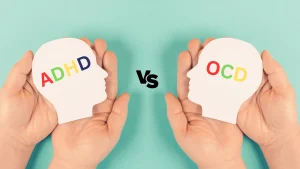
OCD vs ADHD: 5 Powerful Differences to Understand

by Aman Khan

Introduction

OCD vs ADHD are two distinct mental health conditions that can significantly impact daily life. While they may share some overlapping symptoms, they differ in their underlying causes, presentation, and management strategies. Understanding the differences between OCD vs ADHD can help individuals and caregivers navigate these conditions effectively.

In this blog, we explore the key distinctions between OCD vs ADHD, shedding light on their unique characteristics, common symptoms, and ways to seek help.


ocd vs adhd

What Is OCD?

Obsessive-Compulsive Disorder (OCD) is a mental health condition characterized by intrusive, unwanted thoughts (obsessions) and repetitive behaviors or mental acts (compulsions) performed to alleviate anxiety caused by those thoughts.

For individuals seeking treatment for OCD, consider consulting qualified mental health professionals such as:

  • Delhi Mind Clinic
  • Dr. Sugandha Gupta
  • Dr. Paramjeet Singh

Common Symptoms of OCD

  • Persistent fear of contamination or dirt.
  • Intrusive thoughts about harm or mistakes.
  • Compulsions such as excessive cleaning, checking, or counting.
  • Difficulty focusing due to intrusive thoughts.

OCD often creates a cycle where obsessions trigger anxiety, and compulsions provide temporary relief but reinforce the obsessive thoughts.

For further information, you can refer to the National Institute of Mental Health (NIMH) website.


What Is ADHD?

Attention-Deficit/Hyperactivity Disorder (ADHD) is a neurodevelopmental disorder that affects attention, impulse control, and hyperactivity. It often manifests in childhood but can persist into adulthood.

Common Symptoms of ADHD

  • Difficulty sustaining attention in tasks or activities.
  • Impulsive behavior and decision-making.
  • Restlessness or an inability to sit still.
  • Challenges with time management and organization.

Unlike OCD, ADHD is primarily linked to difficulties with attention regulation and executive functioning rather than anxiety-driven compulsions.

For detailed insights, visit the Centers for Disease Control and Prevention (CDC) ADHD resource page.


5 Key Differences Between OCD vs ADHD

  1. Nature of the Condition
    OCD vs ADHD differ fundamentally: OCD is an anxiety disorder focused on intrusive thoughts and repetitive behaviors, while ADHD is a neurodevelopmental disorder involving attention and hyperactivity challenges.
  2. Impact on Attention
    Individuals with OCD may appear distracted due to their preoccupation with intrusive thoughts. Conversely, those with ADHD struggle with sustaining focus or prioritizing tasks.
  3. Impulsivity vs. Perfectionism
    A core difference in OCD vs ADHD lies in behavior—ADHD leads to impulsive decisions, while OCD involves perfectionism and excessive caution.
  4. Behavioral Manifestations
    In OCD, behaviors are deliberate and ritualistic, aimed at reducing anxiety. In ADHD, behaviors are spontaneous and often driven by hyperactivity or impulsivity.
  5. Co-occurrence and Misdiagnosis
    Co-occurrence of OCD vs ADHD can complicate diagnosis. Misdiagnosing one condition as the other can lead to ineffective management strategies.

For accurate diagnosis and support, consider consulting a licensed mental health professional or visiting the Mental Health America website for resources.


ocd vs adhd

Challenges of Living with OCD or ADHD

Emotional and Social Impact

  • Individuals with OCD may experience isolation due to the stigma surrounding their compulsive behaviors.
  • Those with ADHD may struggle with interpersonal relationships due to impulsivity or forgetfulness.

Academic and Workplace Difficulties

  • OCD can make completing tasks time-consuming due to perfectionism or rituals.
  • ADHD often affects productivity and meeting deadlines.

Support from therapists, educators, and employers can help mitigate these challenges and create a supportive environment for individuals living with OCD or ADHD.


When to Seek Help

If you or a loved one experiences symptoms of OCD or ADHD that disrupt daily life, it’s essential to seek professional help. Early diagnosis and tailored interventions can improve quality of life significantly.

You can explore resources and find support through organizations like the Substance Abuse and Mental Health Services Administration (SAMHSA).


ocd vs adhd

Conclusion

OCD and ADHD are complex conditions with unique challenges, but understanding their differences is the first step toward effective management. By identifying key symptoms and seeking appropriate professional guidance, individuals can take control of their mental health journey.

If you or someone you know is struggling, reach out to trusted resources or mental health professionals to ensure timely support. Recognizing the distinct nature of these conditions can pave the way for a healthier, more fulfilling life.

29Nov

Is OCD Genetic? 7 Powerful Insights You Need to Know

by Aman Khan

Introduction

Is OCD genetic? This is a common question that often arises about Obsessive-Compulsive Disorder (OCD), a mental health condition characterized by persistent, unwanted thoughts (obsessions) and repetitive behaviors (compulsions). Understanding the causes of OCD, including its potential genetic basis, can help provide better insights into effective management and treatment.

In this blog, we explore seven critical insights into the genetic connections of OCD, backed by scientific research and expert opinions.

What Is OCD?

OCD is a complex mental health disorder that affects millions of individuals globally. It can disrupt daily life, impact relationships, and create challenges in maintaining productivity at work. Understanding the root causes of OCD—whether they are genetic, environmental, or both—is essential to improving treatment outcomes.

is ocd genetic

For individuals seeking treatment for OCD, consider consulting qualified mental health professionals such as:

  • Delhi Mind Clinic
  • Dr. Sugandha Gupta
  • Dr. Paramjeet Singh

Is OCD Genetic?

Research confirms that genetics play a significant role in OCD. Studies show that individuals with a family history of OCD face higher risks. However, is OCD genetic alone? No. Environmental factors also play a crucial role. Let’s examine the evidence.

1. Genetic Predisposition to OCD

Research indicates that OCD tends to run in families. Twin and family studies have revealed that first-degree relatives of individuals with OCD are at a higher risk. For example, some studies estimate that heritability rates for OCD range from 27% to 47%.

  • Authoritative Resource: National Institute of Mental Health (NIMH)

2. Role of Genes in OCD Development

Specific genes related to serotonin regulation and brain function are linked to OCD. However, “Is OCD genetic” solely? No single gene has been identified, suggesting interactions among multiple genes and environmental factors.

3. Environmental Triggers and Epigenetics

While genetics influence OCD, environmental triggers such as trauma, infections, or stress often activate symptoms in genetically predisposed individuals. Epigenetics—the study of how environment alters gene expression—further explains why is OCD genetic and environmental.

is ocd genetic

4. Twin Studies and OCD Genetics

Twin studies provide compelling evidence. Identical twins show higher OCD concordance rates than fraternal twins, supporting the idea that is OCD genetic while highlighting non-genetic factors.

5. The Role of Brain Structure and Function

OCD is linked to abnormalities in certain brain regions, such as the orbitofrontal cortex and basal ganglia. While genetics may influence these brain structures, environmental factors also play a crucial role. This complex interplay makes it difficult to isolate the genetic cause.

  • Authoritative Resource: Centers for Disease Control and Prevention (CDC)

6. Expert Views on “Is OCD Genetic?”

Experts agree that OCD results from a mix of genetic, biological, and environmental factors. While genetics can predispose individuals, life experiences and stress are essential to activating OCD symptoms.

7. Current Research on OCD Genetics

Ongoing research explores genetic markers linked to OCD. Findings may lead to personalized treatments and better diagnostic tools. Researchers are also investigating inherited risks for related conditions, such as anxiety.

is ocd genetic

Conclusion

So, is OCD genetic? While genetics contribute significantly, they are not the sole factor. Environmental influences, brain structure, and life experiences also shape OCD development. Understanding these interconnected elements enables researchers and clinicians to provide better support for individuals with OCD.

For more information about OCD and its genetic links, explore resources from authoritative government organizations like the National Institute of Mental Health and the Centers for Disease Control and Prevention.

This insight into OCD highlights the importance of seeking professional help and raising awareness about mental health. Early diagnosis and effective management strategies can significantly improve the quality of life for individuals with OCD.

Raising awareness and seeking professional help are vital. With early diagnosis and effective management strategies, individuals with OCD can lead fulfilling lives.

27Nov

Schizophrenia Diagnostic Criteria: 5 Essential Steps

by Aman Khan

Introduction:

Schizophrenia diagnostic criteria play a vital role in identifying this complex mental health condition. Schizophrenia profoundly impacts how individuals perceive reality, interact socially, and manage emotions. Accurate diagnosis, based on standardized criteria, ensures effective treatment and support. This article outlines five essential schizophrenia diagnostic criteria, following established guidelines.

schizophrenia diagnostic criteria

Understanding Schizophrenia

Before delving into the schizophrenia diagnostic criteria, it’s important to understand the condition itself. Schizophrenia is characterized by disruptions in thought processes, perceptions, emotional responsiveness, and social interactions. It often begins in late adolescence or early adulthood, but symptoms can emerge at any age. Early recognition and adherence to the diagnostic criteria for schizophrenia are critical for effective management.

For individuals seeking treatment for Schizophrenia, consider consulting qualified mental health professionals such as:

  • Delhi Mind Clinic
  • Dr. Sugandha Gupta
  • Dr. Paramjeet Singh

1. Presence of Core Symptoms

One of the key schizophrenia diagnostic criteria is the presence of core symptoms. These include:

  • Delusions: Persistent false beliefs not grounded in reality, such as paranoia or grandiosity.
  • Hallucinations: Sensory perceptions without external stimuli, most commonly auditory hallucinations like hearing voices.
  • Disorganized Thinking: Difficulty organizing thoughts, leading to incoherent or tangential speech.
  • Abnormal Motor Behavior: Unusual movements or behaviors, such as agitation or catatonia.
  • Negative Symptoms: Diminished emotional expression, reduced motivation, or lack of social engagement.

To meet schizophrenia diagnostic criteria, at least two of these symptoms must persist for a significant portion of time over one month, with at least one being delusions, hallucinations, or disorganized speech.

schizophrenia diagnostic criteria

2. Duration of Symptoms

Another critical schizophrenia diagnostic criterion involves the duration of symptoms. Symptoms must persist for at least six months, including:

  • One Month of Active Symptoms: Such as hallucinations, delusions, or disorganized behavior.
  • Prodromal or Residual Phases: During these periods, symptoms may be less intense but still impact daily functioning.

This prolonged timeline distinguishes schizophrenia from other conditions with similar presentations, ensuring diagnostic accuracy.

3. Functional Impairment

Functional impairment is a key component of schizophrenia diagnostic criteria. This includes significant disruptions in one or more areas, such as:

  • Work or Education: Difficulty maintaining employment or academic performance.
  • Relationships: Deterioration in personal or social connections.
  • Self-Care: Neglect of personal hygiene or basic needs.

These impairments must be directly linked to the core symptoms of schizophrenia and not attributable to external factors like life stressors.

4. Ruling Out Other Conditions

A crucial step in meeting schizophrenia diagnostic criteria is ruling out alternative explanations for the symptoms. This involves:

  • Medical Evaluation: Ensuring symptoms are not due to physical conditions like neurological disorders.
  • Substance Use Screening: Confirming symptoms are not caused by drug use or withdrawal.
  • Differential Diagnosis: Differentiating schizophrenia from other mental health conditions, such as bipolar disorder or schizoaffective disorder.

5. Cultural and Contextual Considerations

Schizophrenia diagnostic criteria also account for cultural and contextual factors. Symptoms may be influenced by cultural norms or societal expectations. For example:

  • Certain spiritual beliefs or practices may mimic delusions or hallucinations in other cultures.
  • Behaviors considered abnormal in one context may be typical elsewhere.

Mental health professionals must evaluate symptoms with sensitivity to cultural diversity to avoid misdiagnosis.

Why Accurate Diagnosis Matters

Adhering to the established schizophrenia diagnostic criteria is essential for effective care. Misdiagnosis can lead to inappropriate treatments, further complicating the condition. Accurate diagnosis fosters understanding, reduces stigma, and ensures individuals and families receive timely support.

External Resources on Schizophrenia Diagnostic Criteria

For more information on schizophrenia diagnostic criteria and mental health guidelines, visit these authoritative sources:

  • National Institute of Mental Health (NIMH)
  • Centers for Disease Control and Prevention (CDC)
  • World Health Organization (WHO)

schizophrenia diagnostic criteria

Conclusion

Understanding schizophrenia diagnostic criteria is critical for early intervention and proper management. The five key criteria—core symptoms, symptom duration, functional impairment, ruling out other conditions, and cultural considerations—serve as the foundation for an accurate diagnosis.

By following these guidelines, mental health professionals can provide the care and support individuals need to lead fulfilling lives. This guide aims to promote awareness and emphasize the importance of adhering to schizophrenia diagnostic criteria for better mental health outcomes.

25Nov

ICD 10 Code for Paranoid Schizophrenia: 5 Powerful Insights

by Aman Khan

Introduction:

Paranoid schizophrenia is a severe mental health condition that impacts an individual’s ability to think clearly, manage emotions, and interact with others. As mental health awareness grows, understanding the diagnostic criteria and classification systems becomes essential. The ICD 10 code for paranoid schizophrenia is a vital tool for healthcare professionals, ensuring accurate diagnosis and effective treatment planning. This blog delves into five key insights about the ICD-10 code for paranoid schizophrenia and its significance in mental health care.


What is Paranoid Schizophrenia?

Paranoid schizophrenia is a subtype of schizophrenia characterized by prominent delusions and auditory hallucinations. People with this condition often experience persistent and irrational beliefs, coupled with heightened suspicion of others. While cognitive functions may remain relatively intact, the symptoms profoundly affect daily life and relationships.

Understanding paranoid schizophrenia through proper classification, like the use of the ICD 10 code for paranoid schizophrenia, enables healthcare professionals to implement effective interventions and foster better outcomes for individuals.

If you or a loved one is experiencing sympto

For individuals seeking treatment for Schizophrenia, consider consulting qualified mental health professionals such as:

  • Delhi Mind Clinic
  • Dr. Sugandha Gupta
  • Dr. Paramjeet Singh

icd 10 code for paranoid schizophrenia

ICD 10 Code for Paranoid Schizophrenia Explained

The International Classification of Diseases, 10th Revision (ICD-10), is a standardized system used globally to classify and code diseases, disorders, and other health conditions.

In the ICD-10 system, the code F20.0 is assigned to paranoid schizophrenia. This classification falls under the broader F20-F29 category, which includes schizophrenia, schizotypal, and delusional disorders.

The ICD 10 code for paranoid schizophrenia serves multiple purposes, including:

  • Facilitating Consistency: Ensures uniform diagnoses across healthcare systems worldwide.
  • Enhancing Research: Supports data collection for epidemiological studies and mental health research.
  • Streamlining Insurance Processes: Enables accurate billing and coverage for treatment.

Diagnostic Features of Paranoid Schizophrenia (ICD-10 F20.0)

Healthcare professionals use specific criteria outlined in the ICD 10 code for paranoid schizophrenia to make a diagnosis. These include:

  • Delusions: Persistent, systematized false beliefs, often involving persecution or grandiosity.
  • Hallucinations: Primarily auditory, such as hearing voices that may comment on actions or provide commands.
  • Absence of Severe Disorganized Behavior: Paranoid schizophrenia typically lacks the disorganized speech or erratic behavior seen in other subtypes.

According to the ICD 10 code for paranoid schizophrenia, symptoms must persist for at least one month to confirm the diagnosis.


icd 10 code for paranoid schizophrenia

Why ICD 10 Codes are Crucial in Mental Health Care

The ICD 10 code for paranoid schizophrenia plays a pivotal role in mental health care delivery. Here are some reasons why it is indispensable:

  1. Global Standardization: Ensures consistent diagnostic practices across countries.
  2. Efficient Communication: Enhances collaboration among healthcare providers.
  3. Resource Allocation: Guides policymakers in allocating funds for mental health services.
  4. Legal Documentation: Provides a standardized record for medico-legal purposes.
  5. Improved Patient Outcomes: Encourages tailored treatment plans based on a uniform diagnostic framework.

Support and Management for Paranoid Schizophrenia

While specific treatment approaches are beyond this blog’s scope, management generally involves psychosocial interventions, regular monitoring, and family support. The ICD 10 code for paranoid schizophrenia helps healthcare professionals design effective care strategies.

Caregivers and family members play an essential role in ensuring adherence to therapeutic plans. Government-supported resources also offer valuable assistance, including counseling services and educational programs.


Trusted Resources for Paranoid Schizophrenia

For accurate and reliable information about paranoid schizophrenia and related resources, explore the following authoritative platforms:

  1. World Health Organization (WHO):
    The WHO provides detailed information on ICD coding and global mental health initiatives.
  2. Centers for Disease Control and Prevention (CDC):
    The CDC features resources and insights on mental health conditions.
  3. National Institute of Mental Health (NIMH):
    NIMH offers in-depth articles and research updates on schizophrenia.

icd 10 code for paranoid schizophrenia

Conclusion

The ICD 10 code for paranoid schizophrenia (F20.0) is a cornerstone of global mental health care. It ensures accurate diagnoses, supports research, and provides a standardized framework for developing tailored treatment plans. By understanding the significance of this classification, individuals and mental health professionals can work together to improve outcomes and enhance the quality of life for those affected.

If you or someone you know shows symptoms of paranoid schizophrenia, consult a qualified mental health professional for support. For additional information, refer to trusted government resources as a starting point.

23Nov

Schizophrenia Mental Disorder: 7 Essential Facts to Know

by Aman Khan

Introduction:

Schizophrenia is a complex and often misunderstood condition affecting millions of people worldwide. Characterized by disruptions in thought processes, perceptions, and emotions, this disorder can significantly impact an individual’s quality of life. Understanding this mental health condition is crucial for reducing stigma and supporting those affected.

This article delves into the key aspects of schizophrenia and provides actionable insights to foster awareness and compassion.

What Is Schizophrenia Mental Disorder?

Schizophrenia mental disorder is a chronic condition that disrupts a person’s ability to think clearly, manage emotions, and engage in social interactions. It typically begins in early adulthood but can emerge at any age. Contrary to common myths, schizophrenia mental disorder is not the same as having a “split personality.” Instead, it involves a range of symptoms that vary in severity and form, making each case unique.

For a detailed overview, visit the National Institute of Mental Health (NIMH).


For individuals seeking treatment for Schizophrenia, consider consulting qualified mental health professionals such as:

  • Delhi Mind Clinic
  • Dr. Sugandha Gupta
  • Dr. Paramjeet Singh

schizophrenia mental disorder

1. Recognizing the Symptoms of Schizophrenia Mental Disorder

Schizophrenia mental disorder manifests through a combination of symptoms categorized as positive, negative, and cognitive:

  • Positive Symptoms: These include hallucinations (hearing or seeing things that are not there), delusions (strong false beliefs), and disorganized thinking or speech.
  • Negative Symptoms: Individuals may exhibit reduced emotional expression, lack of motivation, or withdrawal from social activities.
  • Cognitive Symptoms: Memory issues, difficulty focusing, and challenges with decision-making are common.

Early recognition of these symptoms is critical to ensuring timely interventions.


2. Causes and Risk Factors of Schizophrenia Mental Disorder

The exact cause of schizophrenia mental disorder remains unknown, but research suggests a combination of genetic, biological, and environmental factors.

  • Genetics: A family history of schizophrenia increases the likelihood of developing the condition.
  • Brain Chemistry: Abnormalities in brain structure and chemical imbalances may contribute to its onset.
  • Environmental Triggers: Stressful life events, exposure to toxins, or prenatal infections can act as catalysts.

Learn more from the World Health Organization (WHO).


schizophrenia mental disorder

3. The Role of Early Intervention in Schizophrenia Mental Disorder

Timely diagnosis and support can significantly improve outcomes for individuals with schizophrenia mental disorder. Early intervention programs focus on:

  • Educating families and caregivers.
  • Providing therapeutic and lifestyle support.
  • Reducing the severity of symptoms to enhance quality of life.

Early detection empowers individuals to better manage the condition and maintain independence.


4. Dispelling Common Myths About Schizophrenia Mental Disorder

Misconceptions about schizophrenia mental disorder contribute to stigma and discrimination. Let’s debunk a few common myths:

  • Myth: Schizophrenia means having multiple personalities.
    Fact: Schizophrenia mental disorder involves disruptions in perception, not personality disorders.
  • Myth: People with schizophrenia are always violent.
    Fact: Most individuals with schizophrenia are non-violent and more likely to be victims of violence.

Fostering a culture of understanding can help reduce stigma and encourage more people to seek help.


schizophrenia mental disorder

5. The Importance of Community Support

Living with schizophrenia mental disorder often involves family, friends, and society. Support systems play a pivotal role in recovery and stability.

  • Family and Friends: Encouraging open communication and being empathetic can make a big difference.
  • Community Programs: Peer support groups and community mental health services provide essential tools for coping.

Visit the Centers for Disease Control and Prevention (CDC) for more details about community resources.


6. Lifestyle Tips for Managing Schizophrenia Mental Disorder

Although professional care is crucial, adopting certain lifestyle habits can complement treatment plans:

  • Maintain a Routine: Regular schedules for eating, sleeping, and activities provide structure.
  • Exercise: Physical activity can help reduce stress and improve overall well-being.
  • Mindfulness: Practices such as yoga and meditation can aid in managing symptoms like anxiety and stress.

These habits can empower individuals to take an active role in their mental health journey.


7. Advocacy and Awareness About Schizophrenia Mental Disorder

Raising awareness about schizophrenia mental disorder is essential for fostering an inclusive society. Advocacy efforts can include:

  • Participating in mental health campaigns.
  • Encouraging open discussions in schools and workplaces.
  • Supporting mental health legislation to improve access to care.

Organizations like MentalHealth.gov provide resources for education and advocacy.


Conclusion

Schizophrenia mental disorder is a life-altering condition, but with the right support and awareness, individuals can lead fulfilling lives. By understanding its symptoms, causes, and the importance of community and lifestyle, society can create an environment of compassion and empowerment for those affected.

Together, let’s work toward breaking the stigma and ensuring everyone has access to the resources they need. For further information, visit trusted sources like NIMH, WHO, and CDC to deepen your understanding of schizophrenia mental disorder and mental health.

22Nov

7 Effective Steps for Overcoming OCD

by Aman Khan

Introduction:

Obsessive-Compulsive Disorder (OCD) is a challenging mental health condition that affects millions of people worldwide. It is characterized by intrusive thoughts (obsessions) and repetitive behaviors (compulsions) that can interfere with daily life. While overcoming OCD is not an overnight journey, there are effective steps that can help individuals regain control and improve their quality of life.

Here’s a detailed guide featuring seven actionable steps for overcoming OCD and leading a fulfilling life.


For individuals seeking treatment for OCD, consider consulting qualified mental health professionals such as:

  • Delhi Mind Clinic
  • Dr. Sugandha Gupta
  • Dr. Paramjeet Singh

What is OCD?

OCD is a mental health condition that falls under the category of anxiety disorders. It often involves a cycle of obsessions (unwanted thoughts or urges) and compulsions (repetitive actions performed to alleviate the distress caused by obsessions). Understanding the nature of OCD is the first step in overcoming OCD.


overcoming ocd

Step 1: Recognize the Signs and Symptoms

The initial step in overcoming OCD is identifying its symptoms. Common signs include:

  • Persistent intrusive thoughts that cause distress.
  • Ritualistic behaviors like excessive handwashing, checking locks, or counting.
  • Avoidance of situations that might trigger obsessions.

Recognizing these symptoms early can help in seeking timely support. Learn more about OCD symptoms from the National Institute of Mental Health (NIMH).


Step 2: Seek Professional Diagnosis

Consulting a mental health professional is crucial. Proper diagnosis ensures the right approach to treatment. Professionals use evidence-based tools to assess the severity of OCD and recommend suitable therapies. You can find resources and support through MentalHealth.gov.


Step 3: Educate Yourself About OCD

Knowledge is empowering. Understanding the mechanisms behind OCD, including its triggers and patterns, can help you gain better control. Reliable information is available on government-authorized platforms like the Centers for Disease Control and Prevention (CDC).


Step 4: Practice Cognitive-Behavioral Techniques

Cognitive-Behavioral Therapy (CBT), specifically Exposure and Response Prevention (ERP), is a widely recognized approach to overcoming OCD.

  • Exposure involves gradually facing fears or triggers in a controlled environment.
  • Response Prevention teaches individuals to resist the urge to perform compulsive behaviors.

Engaging in these techniques under professional guidance can significantly reduce OCD symptoms.


overcoming ocd

Step 5: Build a Support Network

Living with OCD can feel isolating, but building a strong support system helps immensely.

  • Join OCD support groups to share experiences and gain encouragement.
  • Engage family members and close friends in your journey.

Organizations like the Substance Abuse and Mental Health Services Administration (SAMHSA) offer resources for finding support networks.


Step 6: Incorporate Stress Management Strategies

Stress often exacerbates OCD symptoms. Adopting stress-reduction techniques can improve overall mental well-being. Some effective strategies include:

  • Mindfulness and Meditation: Focus on the present to reduce anxiety.
  • Physical Activity: Exercise helps release endorphins and reduces stress.
  • Healthy Lifestyle Choices: Maintain a balanced diet, ensure adequate sleep, and stay hydrated.

By incorporating these strategies, you are actively working toward overcoming OCD in a holistic way.


Step 7: Be Patient and Persistent

Recovery from OCD is a gradual process that requires patience and persistence. Set realistic goals and celebrate small victories. With consistent effort and support, significant progress can be achieved over time.


overcoming ocd

The Role of Professional Support

It’s important to emphasize the role of licensed mental health professionals throughout this journey. They provide personalized care and tools tailored to individual needs. Additionally, online resources from Health.gov can guide individuals toward professional services and self-care practices.


Conclusion

Overcoming OCD is not an easy task, but it is achievable with the right approach and unwavering determination. The journey involves recognizing the condition, seeking professional help, and adopting evidence-based strategies such as Cognitive-Behavioral Therapy and stress management techniques. Building a strong support network and educating yourself about OCD are equally important steps that empower individuals to regain control over their thoughts and behaviors.

Each step toward overcoming OCD contributes to a healthier and more fulfilling life. The key is persistence, patience, and seeking the right support at every stage of the journey. While the process may feel daunting, it’s important to remember that progress is always possible with consistent effort. By staying proactive, leveraging expert advice, and relying on support systems, you can effectively manage OCD and build a life of confidence and peace.

For further guidance and support, explore authoritative resources like NIMH or MentalHealth.gov to take the first step toward overcoming OCD and achieving a happier, more balanced future.

  • 1
  • …
  • 58
  • 59
  • 60
  • 61
  • 62
  • …
  • 130

Recent Posts

  • Fear of Dark: 7 Causes and Ways to Overcome Nyctophobia
  • Famous Person With Autism: 5 Inspiring Stories You Should Know
  • Financial Stress and Mental Health: 7 Warning Signs to Know
  • Psychological Trauma After Sexual Assault: 5 Insights from Dr. Sugandha Gupta on the Delhi Bus Case
  • How to Deal With Breakup Depression: A Complete Guide to Healing
  • Why Is Therapy Taboo in India? Understanding the Silence Around Mental Health
  • FOMO and Comparison Anxiety from Instagram Reels: 7 Proven Ways to Feel Better
  • Controlling Temper: 10 Proven Ways to Stay Calm When It Matters Most
  • Fear of Failure: 8 Proven Ways to Overcome It
  • Quiet Quitting and Workplace Anxiety: 7 Signs You’re Mentally Checking Out

Archives

  • September 2026
  • August 2026
  • July 2026
  • June 2026
  • May 2026
  • April 2026
  • March 2026
  • February 2026
  • January 2026
  • December 2025
  • November 2025
  • October 2025
  • September 2025
  • August 2025
  • July 2025
  • June 2025
  • May 2025
  • April 2025
  • March 2025
  • February 2025
  • January 2025
  • December 2024
  • November 2024
  • October 2024
  • September 2024
  • August 2024
  • February 2024
  • January 2024
  • September 2023
  • August 2023
  • July 2023
  • June 2023
  • May 2023
  • April 2023
  • March 2023
  • February 2023
  • January 2023
  • December 2022
  • November 2022
  • October 2022
  • September 2022
  • August 2022
  • July 2022
  • June 2022
  • May 2022
  • March 2022
  • January 2022
  • January 2021
  • May 2020
  • April 2020
  • March 2020
  • November 2019
  • October 2019
  • September 2019
  • April 2019
  • February 2019
  • January 2019
  • October 2018
  • September 2018
  • June 2018
  • February 2018
  • January 2018
  • September 2017
  • July 2017
  • April 2017
  • October 2016
  • August 2016
  • November 2015
  • September 2015
  • November 2014

Tags

:job insecurity and mental health adhd symptoms adhd symptoms in adults and children AI Chatbots and Mental Health Apps anger control anxiety autism burnout controlling temper depression Depression Management Depression Treatment Dr. Paramjeet Singh Dr. Sugandha Gupta Elderly mental health & dementia awareness Events Excessive Phone failure family mental health fear financial stress and mental health FOMO-and-comparison-anxiety-from-Instagram-Reels how pollution and mental health how to deal with breakup depression imposter-syndrome-at-work imposter syndrome lifestyle diseases list of phobias a to z Mental Health mental health awareness PTSD PTSD SIGNS AND SYMPTOMS Scrolling self-care rituals sexual assault signs of depression situational depression sleep problems in India social media stress stress management trauma Why Is Therapy Taboo in India Workplace Young Adults

Quick Navigation

  • Best Psychiatrist in Delhi
  • Best Psychiatrist in South Delhi
  • Best Psychiatrist in Delhi for Depression
  • Best Psychiatrist in Delhi for Bipolar Disorder
  • Best Psychiatrist in Delhi for Schizophrenia
  • Best Psychiatrist For Bipolar Disorder Near Me
  • Best Psychiatrist In Ganga Ram Hospital
  • Psychiatrist Near Me
  • Best Psychiatrist In Delhi For Anxiety
  • Psychiatrists In Delhi
  • Best Adhd Doctors In Delhi
  • Depression Counselling In Delhi
  • ADHD Disorder
  • Best Psychiatrist in Delhi
  • Best Lady Psychiatrist In Delhi

Best Psychiatrist in Delhi

best psychiatrist in delhi

Blog Posts

  • Fear of Dark: 7 Causes and Ways to Overcome Nyctophobia
  • Famous Person With Autism: 5 Inspiring Stories You Should Know
  • Financial Stress and Mental Health: 7 Warning Signs to Know
  • Psychological Trauma After Sexual Assault: 5 Insights from Dr. Sugandha Gupta on the Delhi Bus Case
  • How to Deal With Breakup Depression: A Complete Guide to Healing

Our Contacts

  • 7A/67, West Extension Area Karol Bagh, New Delhi-110005
    Get directions on the map
  • +91-78-3838-7944,
    (General inquiry )
  • contact@delhimindclinic.com

Designed & Developed by Aucourant Cyberspace Private  Limited

© Copyright 2026 - Delhi Mind Clinic - Best Psychiatrist in Delhi | Aucourant Cyberspace Private Limited
Contact Support