Book Appointment
  • 7A/67, West Extension Area Karol Bagh, New Delhi   | हिंदी में पढ़ें
  • 91-78-3838-7944
  • contact@delhimindclinic.com
  • Appointment
Best Psychiatrist in Delhi
  • Home
  • About us
    • Clinic
  • Our Specialists
    • Dr. Paramjeet Singh
      Senior Neuropsychiatrist
    • Dr. Sugandha Gupta
      Senior Psychiatrist
    • Mrs. Nikita Jain
      Clinical Psychologist
    • Mrs. Tamanna Kharb
      Clinical Psychologist
    • Mrs. Pooja Sharma
      Clinical Psychologist
    • Ms. Aditi Singh
      Clinical Psychologist
  • Our Services
    • Bipolar Disorder Treatment
    • Depression Treatment
    • Schizophrenia Treatment
    • OCD Treatment
    • Panic Disorder Treatment
    • Psychosexual Disorders Treatment
    • ADHD Treatment
    • Addiction Disorder Treatment
    • Autism Treatment
    • Mental Retardation Services
    • Specific Learning Disorder Services
  • Information
    • Symptoms & Treatment
      • Depression
      • Schizophrenia
      • Bipolar Disorder
      • Anxiety Disorders
      • Obsessive Compulsive Disorder
      • Addictions
      • Psychosexual Disorders – ED
      • Psychosexual Disorders -Premature Ejaculation
      • Autism
      • Attention Deficit Hyperactivity Disorder (ADHD)
    • A Comprehensive Guide to Understanding Common Psychiatric Disorders
    • Self assessment questionnaires
    • Frequently asked questions
  • News & Blog
    • Blog
    • Gallery
    • Events & Media
    • Facebook Feed
    • Youtube Feed
    • Quora Feeds
      • Dr. Paramjeet @ Quora
      • Dr. Sugandha @ Quora
  • Contact Us
Location
Working Time
Working Time
Mon-Sat Morning 09:30 AM – 01:30PM
Mon-Sat Morning 05:00 PM – 08:00 PM
Assistance For Appointment

For general questions, please send us a message and we’ll get right back to you. You can also call us directly to speak with a member of our service team or insurance expert.

  • +91-78-3838-7944
  • contact@delhimindclinic.com
Contact Us
+
HomeNews & Blog

News & Blog

14Nov

Panic Disorder Definition: 7 Key Facts, Symptoms, and Causes

by Aman Khan

Introduction

Understanding the panic disorder definition is crucial to recognizing this condition and learning ways to manage it effectively. Panic disorder is a type of anxiety disorder involving sudden, intense panic attacks characterized by overwhelming fear and physical symptoms that seem to come out of nowhere. This blog explores the definition of panic disorder, its symptoms, and its causes to provide a comprehensive understanding for those affected.


What is the Panic Disorder Definition?

The panic disorder definition centers on the experience of recurring panic attacks and a persistent fear of future attacks. Panic attacks are sudden episodes of intense fear that often include physical symptoms, such as a racing heart, sweating, and dizziness. Panic disorder differs from general anxiety in that it involves these intense, episodic bursts of fear that typically peak within minutes and then subside.

panic disorder definition

For individuals seeking treatment for panic disorder, consider consulting qualified mental health professionals such as:

  • Delhi Mind Clinic
  • Dr. Sugandha Gupta
  • Dr. Paramjeet Singh

1. Defining a Panic Attack: Key to Understanding Panic Disorder

A key part of the panic disorder definition is understanding panic attacks themselves. A panic attack is a sudden period of intense fear or discomfort, often accompanied by physical and mental symptoms. Although anyone may experience an isolated panic attack, those with panic disorder endure these attacks more frequently, to a degree that significantly impacts their lives.

2. Symptoms of Panic Disorder

Symptoms associated with panic disorder stem from recurring panic attacks and often include:

  • Physical symptoms: Heart palpitations, chest pain, trembling, shortness of breath, dizziness, and nausea.
  • Emotional symptoms: Intense fear of losing control, a sense of impending doom, or fear of dying.
  • Behavioral changes: Avoiding certain places or situations that may trigger panic attacks.

These symptoms make it challenging for individuals with panic disorder to navigate daily life due to the fear of experiencing another attack.

3. Causes and Risk Factors of Panic Disorder

The panic disorder definition includes factors that may contribute to the onset of this condition. While the exact cause is unknown, researchers believe that a combination of genetic, psychological, and environmental factors plays a role. Common risk factors include:

  • Genetics: Panic disorder often has a hereditary component, meaning those with a family history of anxiety disorders are at higher risk.
  • Life stress: Major life changes, trauma, or prolonged stress can trigger panic disorder in those prone to anxiety.
  • Medical conditions: Certain health conditions, like thyroid issues or heart problems, can trigger panic attacks or exacerbate symptoms.

For more information, visit resources like the National Institute of Mental Health (NIMH) and the Centers for Disease Control and Prevention (CDC).

panic disorder definition

4. How Panic Disorder Affects Daily Life

Understanding the panic disorder definition involves recognizing its impact on day-to-day activities. Those with panic disorder often alter their lifestyles due to the unpredictable nature of panic attacks. They may avoid places or activities that could potentially trigger an episode, leading to limitations in social, personal, and professional spheres.

5. Diagnosis of Panic Disorder

Proper diagnosis is crucial to understanding and managing panic disorder. A mental health professional may perform a comprehensive evaluation, ensuring that the symptoms align with the panic disorder definition and not another anxiety or medical condition. Diagnosis typically involves:

  • Recurring, unexpected panic attacks
  • Persistent concern about future attacks
  • Behavioral changes, such as avoidance of certain situations

6. Treatment Options for Panic Disorder

Treatment is essential for managing panic disorder, though specific medications are not covered here. Key non-medication treatment methods include:

  • Cognitive Behavioral Therapy (CBT): CBT is effective for panic disorder, helping individuals change thought patterns that contribute to attacks.
  • Exposure Therapy: Helps people face and desensitize themselves to triggering situations or sensations.
  • Lifestyle changes: Reducing caffeine, engaging in regular exercise, and learning relaxation techniques can help alleviate panic disorder symptoms.

For more information on treatments, check resources provided by the Substance Abuse and Mental Health Services Administration (SAMHSA).

7. Coping Strategies for Panic Disorder

While understanding the panic disorder definition is foundational, learning coping strategies is vital for day-to-day management:

  • Mindfulness and Breathing Techniques: These techniques help calm the body’s response to anxiety.
  • Support Networks: Connecting with support groups or friends can offer comfort and guidance.
  • Education: Learning more about the disorder can reduce fear and anxiety related to symptoms.

Conclusion

Panic disorder is a manageable condition with the right tools and support systems. By understanding the panic disorder definition, identifying symptoms, and implementing effective coping strategies, individuals can regain control over their lives. For additional resources, trusted government sites like the National Institute of Mental Health provide in-depth information and support.

13Nov

7 Early Signs of OCD You Shouldn’t Ignore

by Aman Khan

Introduction:

Obsessive-Compulsive Disorder (OCD) is a mental health condition that can significantly impact daily life. Recognizing the early signs of OCD is essential to obtaining timely help and support. Early intervention can often prevent symptoms from worsening and equip individuals with effective coping strategies. In this guide, we’ll explore seven early signs of OCD, offering insights to help you recognize this condition and take steps toward proper care.

What is OCD?

OCD is a mental health disorder characterized by unwanted, intrusive thoughts (obsessions) and repetitive behaviors (compulsions) that a person feels compelled to perform. These thoughts and actions can become time-consuming and distressing, impacting a person’s work, relationships, and overall well-being. Recognizing the early signs of OCD can be vital in seeking timely help.

For those seeking the best OCD treatment, consider visiting:

  • Delhi Mind Clinic
  • Dr. Sugandha Gupta
  • Dr. Paramjeet Singh

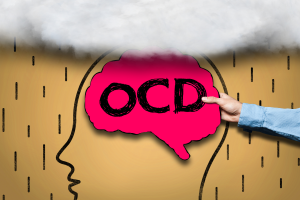
early signs of ocd

7 Early Signs of OCD

1. Repeated Checking

One common early sign of OCD is the compulsive need to check things repeatedly. This may include actions like ensuring the door is locked multiple times or repeatedly verifying that appliances are turned off. Individuals with OCD often feel an overwhelming sense of doubt or fear that something might go wrong if they don’t check repeatedly, leading to repeated, time-consuming actions.

2. Fear of Contamination

A heightened fear of contamination or germs is another early sign. People with OCD may have an intense aversion to touching objects or surfaces they perceive as “unclean.” This can lead to excessive hand-washing or the avoidance of certain places or people, ultimately affecting their social interactions and daily life.

3. Needing Things to Be “Just Right”

OCD can manifest as a need for orderliness and symmetry. Individuals might feel distressed if objects aren’t arranged in a certain way or if things are not “just right.” This can result in hours spent arranging and rearranging items, often at the expense of other important activities or obligations.

4. Intrusive Thoughts

Intrusive, distressing thoughts are a hallmark of OCD. These thoughts can be about anything, often focusing on subjects like harm, violence, or taboo topics that the person would never act on. While everyone experiences unwanted thoughts from time to time, those with OCD find these thoughts more persistent and distressing, which can lead to compulsive behaviors aimed at “neutralizing” the thoughts.

5. Repetitive Counting or Mental Rituals

Some individuals with OCD may engage in mental rituals, like counting or repeating words silently to themselves, to reduce anxiety. These rituals can feel necessary to alleviate distress or prevent perceived harm. For example, a person might feel compelled to count to a specific number before moving on to their next task or even engage in complex counting routines throughout the day.

6. Excessive Doubt and Need for Reassurance

OCD can lead to extreme doubt about one’s actions, thoughts, or safety. This often results in repeatedly seeking reassurance from loved ones. For example, a person might repeatedly ask if they’ve done something correctly or if they’re safe. This behavior not only affects the individual’s well-being but can also place a strain on relationships.

7. Avoidance of Certain Situations

As OCD progresses, individuals might start avoiding situations that trigger their obsessions and compulsions. For instance, someone with contamination fears may avoid public places or refuse to shake hands. This avoidance can limit their activities, social life, and opportunities, impacting their overall quality of life.

Why Recognizing Early Signs of OCD is Important

Identifying the signs of OCD early allows individuals to seek professional help sooner, which can lead to better long-term outcomes. Treatments, such as cognitive-behavioral therapy (CBT), have proven effective in helping people manage their symptoms. Early intervention can make a difference in how OCD affects one’s life and reduce the condition’s impact on daily functioning.

Getting Help for OCD

If you or someone you know is experiencing these early signs of OCD, it may be beneficial to consult a mental health professional. While OCD is a chronic condition, treatments and coping mechanisms can significantly reduce symptoms and improve quality of life. Remember, seeking help is a positive and proactive step toward better mental health.

For more information on OCD and mental health resources, consider visiting these authoritative sources:

  • National Institute of Mental Health (NIMH) – Obsessive-Compulsive Disorder
  • Centers for Disease Control and Prevention (CDC) – Mental Health
  • MentalHealth.gov – Obsessive-Compulsive Disorder

By recognizing these early signs, individuals and their loved ones can take crucial steps to seek help, support, and effective interventions. Early action can make all the difference in managing OCD and living a fulfilling life.

12Nov

7 Key Causes of OCD Disorder: Understanding the Triggers and Risk Factors

by Aman Khan

Introduction

Obsessive-compulsive disorder (OCD) is a mental health condition characterized by persistent and intrusive thoughts, called obsessions, and repetitive behaviors or rituals, known as compulsions. The exact causes of OCD disorder are complex and multifaceted, involving both genetic and environmental factors. By understanding the key causes and risk factors, individuals and families can be better equipped to identify OCD early and seek appropriate treatment. In this article, we explore seven key causes of OCD disorder, shedding light on what may contribute to its development.

What Is OCD?

Before diving into the causes of OCD disorder, it’s essential to understand what OCD entails. OCD is a type of anxiety disorder that can significantly impact daily life. People with OCD may feel compelled to perform certain behaviors, such as handwashing or checking locks, to reduce their anxiety, although these actions provide only temporary relief. OCD is chronic and often requires professional intervention to manage symptoms effectively.

causes of ocd disorder

For those seeking the best OCD treatment, consider visiting:

  • Delhi Mind Clinic
  • Dr. Sugandha Gupta
  • Dr. Paramjeet Singh

1. Genetic Factors

Research has shown that OCD can have a genetic component, with studies indicating that individuals with a family history of OCD or other anxiety disorders are at a higher risk of developing the condition. Certain genes may predispose individuals to OCD by affecting brain function and emotional regulation. Although genetics alone does not guarantee the development of OCD, it is considered a significant risk factor.

For further information, visit the National Institute of Mental Health (NIMH).

2. Brain Structure and Function

Abnormalities in specific areas of the brain, particularly those related to mood regulation and decision-making, have been linked to OCD. Neuroimaging studies show that individuals with OCD may have unusual patterns of activity in regions like the orbitofrontal cortex and basal ganglia. These areas play essential roles in behavior control, making it challenging for individuals with OCD to manage compulsive actions and obsessive thoughts.

3. Chemical Imbalance in the Brain

One of the most widely researched causes of OCD disorder involves an imbalance of certain neurotransmitters, particularly serotonin. Serotonin is a chemical messenger that influences mood, thought patterns, and behavior. Imbalances in serotonin levels are thought to disrupt the brain’s ability to manage anxiety, potentially leading to the development of obsessive-compulsive symptoms.

causes of ocd disorder

4. Environmental Stressors

Stressful life events can sometimes trigger or worsen OCD symptoms. Trauma, abuse, significant loss, or major life changes (such as moving or starting a new job) can increase stress levels and potentially lead to OCD onset in individuals who are predisposed to the disorder. Environmental factors do not cause OCD on their own but may act as a catalyst for those already vulnerable.

For more information on stress and mental health, refer to the Centers for Disease Control and Prevention (CDC).

5. Parenting Style and Childhood Experiences

While not a direct cause, certain parenting styles and childhood experiences may increase OCD risk. For example, children raised in highly controlling or perfectionistic households may develop tendencies associated with OCD, such as a heightened fear of making mistakes. Early exposure to anxiety-inducing environments or repeated reinforcement of compulsive behaviors can also play a role in the development of OCD.

6. Infections and Immune Response

Some studies suggest a link between certain infections and the onset of OCD, particularly in children. Pediatric Autoimmune Neuropsychiatric Disorders Associated with Streptococcal Infections (PANDAS) is a condition where strep infections lead to sudden-onset OCD or tics. This theory suggests that immune responses to infections may impact brain function, leading to OCD symptoms in vulnerable individuals.

Learn more about PANDAS and OCD at the National Institutes of Health (NIH).

7. Cognitive Patterns and Personality Traits

Individuals with certain personality traits or cognitive patterns may be more susceptible to OCD. Traits like perfectionism, high attention to detail, and a need for control can make someone more likely to develop obsessive-compulsive behaviors. Additionally, people who have difficulty dealing with uncertainty or ambiguity may engage in compulsive rituals to reduce their anxiety, contributing to OCD development over time.


Conclusion

Understanding the causes of OCD disorder is a complex task, as it often results from a combination of genetic, neurological, environmental, and psychological factors. While these causes can increase the risk of OCD, it’s important to remember that each individual’s experience is unique. Recognizing these factors may help in identifying OCD early and seeking timely intervention.

By shedding light on the causes of OCD disorder, this guide aims to encourage individuals and families to seek help if OCD symptoms arise. Effective treatments are available, and early intervention can make a meaningful difference.

11Nov

Catatonic Schizophrenia Symptoms: 7 Key Signs You Should Know

by Aman Khan

Introduction:

Catatonic schizophrenia symptoms can vary widely, but these unique signs primarily involve motor disturbances and altered behavioral states. Recognizing these symptoms is crucial for understanding the complexity of this condition and providing effective support. Here, we outline seven key symptoms of catatonic schizophrenia, shedding light on this rare but impactful mental health condition.

Understanding Catatonic Schizophrenia Symptoms

Catatonic schizophrenia is characterized by significant motor dysfunction, including rigidity, immobility, or, conversely, erratic and excessive motor activity. Although this subtype is less common, it often requires specialized care and attention to meet the specific needs of individuals affected by these symptoms. The symptoms of catatonic schizophrenia may be severe and can impact daily functioning, making it essential for family members, friends, and mental health professionals to recognize and understand these signs.

For those seeking the best Schizophrenia treatment, consider visiting:

  • Delhi Mind Clinic
  • Dr. Sugandha Gupta
  • Dr. Paramjeet Singh

catatonic schizophrenia symptoms

1. Motor Immobility

One of the hallmark catatonic schizophrenia symptoms is motor immobility, also known as catalepsy. This can manifest as a rigid, fixed posture that the individual may maintain for extended periods, sometimes even hours or days. They may appear “frozen” in position, displaying little to no response to external stimuli. This symptom can be distressing to witness and challenging to manage without proper intervention.

2. Excessive Motor Activity

At the opposite end of the spectrum, some individuals with catatonic schizophrenia may exhibit excessive motor activity. This is characterized by restless, repetitive movements that seem purposeless. For example, they may pace back and forth continuously or repeat a specific movement. This symptom is unpredictable and can occur without any apparent trigger, often making it difficult for caregivers and loved ones to manage.

3. Mutism

Mutism, or the refusal or inability to speak, is another common symptom of catatonic schizophrenia. During episodes of mutism, the individual may become non-responsive, making it difficult for others to communicate with them. This symptom can be particularly challenging in social and family settings, as it may create communication barriers that hinder care and support.

4. Echolalia and Echopraxia

Echolalia and echopraxia are symptoms where the individual mimics the words or actions of those around them. Echolalia refers to the repetition of words spoken by others, often in a robotic or involuntary manner. Echopraxia, on the other hand, involves mimicking another person’s gestures or movements. These catatonic schizophrenia symptoms may cause confusion in social situations, as they can appear to be intentional rather than involuntary.

5. Stupor

Stupor is a state of near-unconsciousness where the individual remains immobile and unresponsive. In this condition, they may seem withdrawn from their surroundings, showing limited to no reaction even to intense stimuli. Stupor in catatonic schizophrenia can last for varying durations, and it often requires specialized intervention to ensure the individual’s safety and well-being.

6. Waxy Flexibility

Waxy flexibility is a unique symptom where the individual’s limbs can be positioned by someone else, and they will maintain the new position for a prolonged period. For example, if someone lifts their arm, it will remain in that position without resistance. This unusual characteristic is associated with catatonia and is often a defining sign of catatonic schizophrenia symptoms.

7. Negativism

Negativism in catatonic schizophrenia manifests as a resistance to instructions or a complete lack of responsiveness to external prompts. This can range from simple refusal to follow directions to active resistance against movement or positioning by others. Negativism can make treatment and caregiving challenging, as individuals may resist even basic assistance or medical care.

How Catatonic Schizophrenia Symptoms Affect Individuals and Caregivers

Catatonic schizophrenia not only affects the person diagnosed but also presents challenges for caregivers, family members, and mental health professionals. Due to its complex symptoms, it often requires a coordinated approach to treatment, involving mental health experts who are trained in managing severe motor and behavioral symptoms. Family members and loved ones play a crucial role in identifying early symptoms, providing support, and advocating for appropriate care.

When to Seek Help

If you or someone you know shows signs of catatonic schizophrenia symptoms, it’s essential to consult a mental health professional for an accurate diagnosis and appropriate intervention. Although the symptoms of catatonic schizophrenia may seem daunting, professional guidance can help manage the condition and improve quality of life.

Resources and Further Reading

For further information on schizophrenia and mental health resources, consider consulting the following authoritative sources:

  • National Institute of Mental Health (NIMH)
  • Centers for Disease Control and Prevention (CDC) – Mental Health
  • World Health Organization (WHO) – Mental Health

Conclusion

Catatonic schizophrenia symptoms present a set of unique challenges that can be difficult to understand without proper information. Recognizing these symptoms is a first step towards empathy, support, and effective care. By increasing awareness of these key signs, society can contribute to the well-being of individuals affected by this challenging condition.


9Nov

5 Essential Takeaways in Conclusion of Schizophrenia: Key Insights for a Bright Future

by Aman Khan

Introduction:

Schizophrenia is a complex and often misunderstood mental health condition that affects millions of people worldwide. In this blog post, we explore the 5 key takeaways in the conclusion of schizophrenia, summarizing what we know and highlighting ways forward in managing and supporting individuals with this disorder. This comprehensive guide provides insights into the progress made, remaining challenges, and the importance of community and healthcare systems in supporting those affected.

What is Schizophrenia?

Schizophrenia is a chronic mental health condition characterized by disruptions in thought processes, perceptions, emotional responsiveness, and social interactions. People with schizophrenia may experience symptoms such as hallucinations, delusions, and cognitive difficulties, which can make daily life challenging without proper support. While there is no known cure for schizophrenia, effective management can help individuals lead fulfilling lives.

For those seeking the best Schizophrenia treatment, consider visiting:

  • Delhi Mind Clinic
  • Dr. Sugandha Gupta
  • Dr. Paramjeet Singh

Key Conclusion #1: The Importance of Early Diagnosis and Intervention

One of the most significant takeaways in the conclusion of schizophrenia research is the importance of early diagnosis and intervention. Early detection can improve outcomes and reduce the impact of symptoms on a person’s life. Early intervention programs provide targeted support, helping to manage symptoms and enhance long-term functioning.

conclusion of schizophrenia

For more information on early intervention strategies, the National Institute of Mental Health provides resources on early treatment for schizophrenia here.

Key Conclusion #2: Schizophrenia is Manageable with Comprehensive Support

In the conclusion of schizophrenia studies, it’s clear that while schizophrenia is a lifelong condition, many people can manage symptoms with professional and community support. Family counseling and community resources play an essential role in helping individuals recover and regain stability.

The Substance Abuse and Mental Health Services Administration (SAMHSA) offers guidance and support for managing mental health conditions here.

Key Conclusion #3: Social Stigma Continues to Affect People with Schizophrenia

Despite growing awareness, social stigma remains a barrier to recovery for individuals with schizophrenia. The conclusion of schizophrenia awareness efforts emphasizes the need to reduce stigma to foster an inclusive society where people with schizophrenia feel supported and understood. Educational initiatives and support groups can be instrumental in combating stigma and encouraging open mental health conversations.

For more on mental health stigma and ways to overcome it, visit the Centers for Disease Control and Prevention’s page on mental health education here.

Key Conclusion #4: Personalized Treatment Plans Make a Difference

Personalized treatment is highlighted in many studies on schizophrenia, as no two cases are the same. While medication and therapy are foundational, interventions like cognitive behavioral therapy (CBT), vocational training, and social skills programs offer additional benefits. This personalized approach creates a treatment plan that meets the individual’s specific needs, helping them achieve independence.

For more information on mental health treatment approaches, consult the World Health Organization’s mental health services page here.

Key Conclusion #5: Research and Policy Changes Offer Hope for the Future

In the conclusion of schizophrenia research, it’s evident that ongoing studies and policy changes bring hope for better treatment options. Genetic research, neuroimaging, and advancements in therapy contribute to a better understanding of schizophrenia, supporting improved interventions. Policy shifts toward increased funding and accessibility are vital for ensuring individuals get the care they need.

For more information on mental health research, the National Institutes of Health provides resources on current studies and breakthroughs here.

Final Thoughts on Schizophrenia: Moving Toward Greater Awareness and Understanding

The 5 key takeaways in the conclusion of schizophrenia research underscore the progress we’ve made and the road ahead. By focusing on early intervention, individualized treatment, and combating stigma, we move closer to creating a supportive environment for those with schizophrenia. Expanding research and advocating for mental health policies can help society better understand and support those affected.

8Nov

7 Effective Ways to Support Schizophrenia Treatment at Home

by Aman Khan

Introduction

Schizophrenia is a complex mental health disorder that requires both professional and supportive care. While clinical treatment and therapy are essential, there are many effective ways for individuals and families to enhance schizophrenia treatment at home. Creating a stable and supportive environment can help manage symptoms, improve quality of life, and reinforce the positive outcomes of professional care.

Here are seven effective ways to support schizophrenia treatment at home.

schizophrenia treatment at home1. Create a Stable Daily Routine

Maintaining a consistent daily routine can have a grounding effect on individuals with schizophrenia. This can include structured activities such as regular wake-up times, meal schedules, and bedtimes. A stable routine reduces stress, which can lessen the intensity of symptoms and make it easier to follow therapeutic recommendations.

For those seeking the best Schizophrenia treatment, consider visiting:

  • Delhi Mind Clinic
  • Dr. Sugandha Gupta
  • Dr. Paramjeet Singh

2. Foster Open Communication

Encourage open and non-judgmental communication to create a trusting, supportive environment. Allowing individuals to share feelings, experiences, and challenges fosters understanding and makes it easier for them to seek help when needed. Families and caregivers should practice patience and empathy, helping the individual feel heard and reducing stigma associated with schizophrenia.

3. Encourage Regular Physical Activity

Physical activity, even light exercises such as walking or stretching, can positively impact mental health. Activities like yoga, walking, or swimming can improve mood, reduce anxiety, and increase well-being, making exercise a valuable part of schizophrenia treatment at home. Engaging in these activities as a family encourages consistency and strengthens bonds.

For more information on the benefits of exercise for mental health, you can refer to NIMH – Physical Activity and Mental Health.

4. Ensure a Balanced Diet

Nutrition plays a crucial role in mental health. A balanced diet rich in fruits, vegetables, whole grains, and lean proteins supports cognitive health and maintains energy levels. Reducing sugar and processed foods can help stabilize mood and prevent energy fluctuations. Consulting a nutritionist can provide tailored guidance to support schizophrenia treatment at home.

5. Practice Mindfulness and Stress Management Techniques

Mindfulness exercises, meditation, and breathing techniques are effective for managing stress and promoting relaxation. These techniques help reduce anxiety and emotional tension, both of which can worsen symptoms. Regular practice of brief mindfulness sessions or guided meditation is a great way to support schizophrenia treatment at home.

6. Provide Educational Resources and Engage in Support Networks

Education about schizophrenia can help reduce misunderstandings and stigma, making for a more supportive environment. Learning about the disorder, symptoms, and management techniques benefits the entire family. Additionally, support groups (in person or online) provide a platform to share experiences, connect with others, and learn strategies to enhance schizophrenia treatment at home.

7. Develop a Crisis Management Plan

A crisis management plan is essential for managing schizophrenia at home. This plan should include emergency contacts, a list of symptoms that may signal worsening of the condition, and specific steps to follow during a crisis. Collaborate with mental health professionals to ensure the plan aligns with the individual’s treatment, adding stability and safety to schizophrenia treatment at home.

Conclusion

Supporting schizophrenia treatment at home is possible through a compassionate, structured, and informed approach. While professional treatment is essential, these home-based strategies provide comfort, stability, and support, helping individuals with schizophrenia lead fulfilling lives.

By incorporating these methods, families can make a positive impact, enhancing the overall quality of care and aiding in long-term recovery. For more information about schizophrenia visit National Institute of Mental Health (NIMH).

  • 1
  • …
  • 60
  • 61
  • 62
  • 63
  • 64
  • …
  • 130

Recent Posts

  • Fear of Dark: 7 Causes and Ways to Overcome Nyctophobia
  • Famous Person With Autism: 5 Inspiring Stories You Should Know
  • Financial Stress and Mental Health: 7 Warning Signs to Know
  • Psychological Trauma After Sexual Assault: 5 Insights from Dr. Sugandha Gupta on the Delhi Bus Case
  • How to Deal With Breakup Depression: A Complete Guide to Healing
  • Why Is Therapy Taboo in India? Understanding the Silence Around Mental Health
  • FOMO and Comparison Anxiety from Instagram Reels: 7 Proven Ways to Feel Better
  • Controlling Temper: 10 Proven Ways to Stay Calm When It Matters Most
  • Fear of Failure: 8 Proven Ways to Overcome It
  • Quiet Quitting and Workplace Anxiety: 7 Signs You’re Mentally Checking Out

Archives

  • September 2026
  • August 2026
  • July 2026
  • June 2026
  • May 2026
  • April 2026
  • March 2026
  • February 2026
  • January 2026
  • December 2025
  • November 2025
  • October 2025
  • September 2025
  • August 2025
  • July 2025
  • June 2025
  • May 2025
  • April 2025
  • March 2025
  • February 2025
  • January 2025
  • December 2024
  • November 2024
  • October 2024
  • September 2024
  • August 2024
  • February 2024
  • January 2024
  • September 2023
  • August 2023
  • July 2023
  • June 2023
  • May 2023
  • April 2023
  • March 2023
  • February 2023
  • January 2023
  • December 2022
  • November 2022
  • October 2022
  • September 2022
  • August 2022
  • July 2022
  • June 2022
  • May 2022
  • March 2022
  • January 2022
  • January 2021
  • May 2020
  • April 2020
  • March 2020
  • November 2019
  • October 2019
  • September 2019
  • April 2019
  • February 2019
  • January 2019
  • October 2018
  • September 2018
  • June 2018
  • February 2018
  • January 2018
  • September 2017
  • July 2017
  • April 2017
  • October 2016
  • August 2016
  • November 2015
  • September 2015
  • November 2014

Tags

:job insecurity and mental health adhd symptoms adhd symptoms in adults and children AI Chatbots and Mental Health Apps anger control anxiety autism burnout controlling temper depression Depression Management Depression Treatment Dr. Paramjeet Singh Dr. Sugandha Gupta Elderly mental health & dementia awareness Events Excessive Phone failure family mental health fear financial stress and mental health FOMO-and-comparison-anxiety-from-Instagram-Reels how pollution and mental health how to deal with breakup depression imposter-syndrome-at-work imposter syndrome lifestyle diseases list of phobias a to z Mental Health mental health awareness PTSD PTSD SIGNS AND SYMPTOMS Scrolling self-care rituals sexual assault signs of depression situational depression sleep problems in India social media stress stress management trauma Why Is Therapy Taboo in India Workplace Young Adults

Quick Navigation

  • Best Psychiatrist in Delhi
  • Best Psychiatrist in South Delhi
  • Best Psychiatrist in Delhi for Depression
  • Best Psychiatrist in Delhi for Bipolar Disorder
  • Best Psychiatrist in Delhi for Schizophrenia
  • Best Psychiatrist For Bipolar Disorder Near Me
  • Best Psychiatrist In Ganga Ram Hospital
  • Psychiatrist Near Me
  • Best Psychiatrist In Delhi For Anxiety
  • Psychiatrists In Delhi
  • Best Adhd Doctors In Delhi
  • Depression Counselling In Delhi
  • ADHD Disorder
  • Best Psychiatrist in Delhi
  • Best Lady Psychiatrist In Delhi

Best Psychiatrist in Delhi

best psychiatrist in delhi

Blog Posts

  • Fear of Dark: 7 Causes and Ways to Overcome Nyctophobia
  • Famous Person With Autism: 5 Inspiring Stories You Should Know
  • Financial Stress and Mental Health: 7 Warning Signs to Know
  • Psychological Trauma After Sexual Assault: 5 Insights from Dr. Sugandha Gupta on the Delhi Bus Case
  • How to Deal With Breakup Depression: A Complete Guide to Healing

Our Contacts

  • 7A/67, West Extension Area Karol Bagh, New Delhi-110005
    Get directions on the map
  • +91-78-3838-7944,
    (General inquiry )
  • contact@delhimindclinic.com

Designed & Developed by Aucourant Cyberspace Private  Limited

© Copyright 2026 - Delhi Mind Clinic - Best Psychiatrist in Delhi | Aucourant Cyberspace Private Limited
Contact Support