For general questions, please send us a message and we’ll get right back to you. You can also call us directly to speak with a member of our service team or insurance expert.
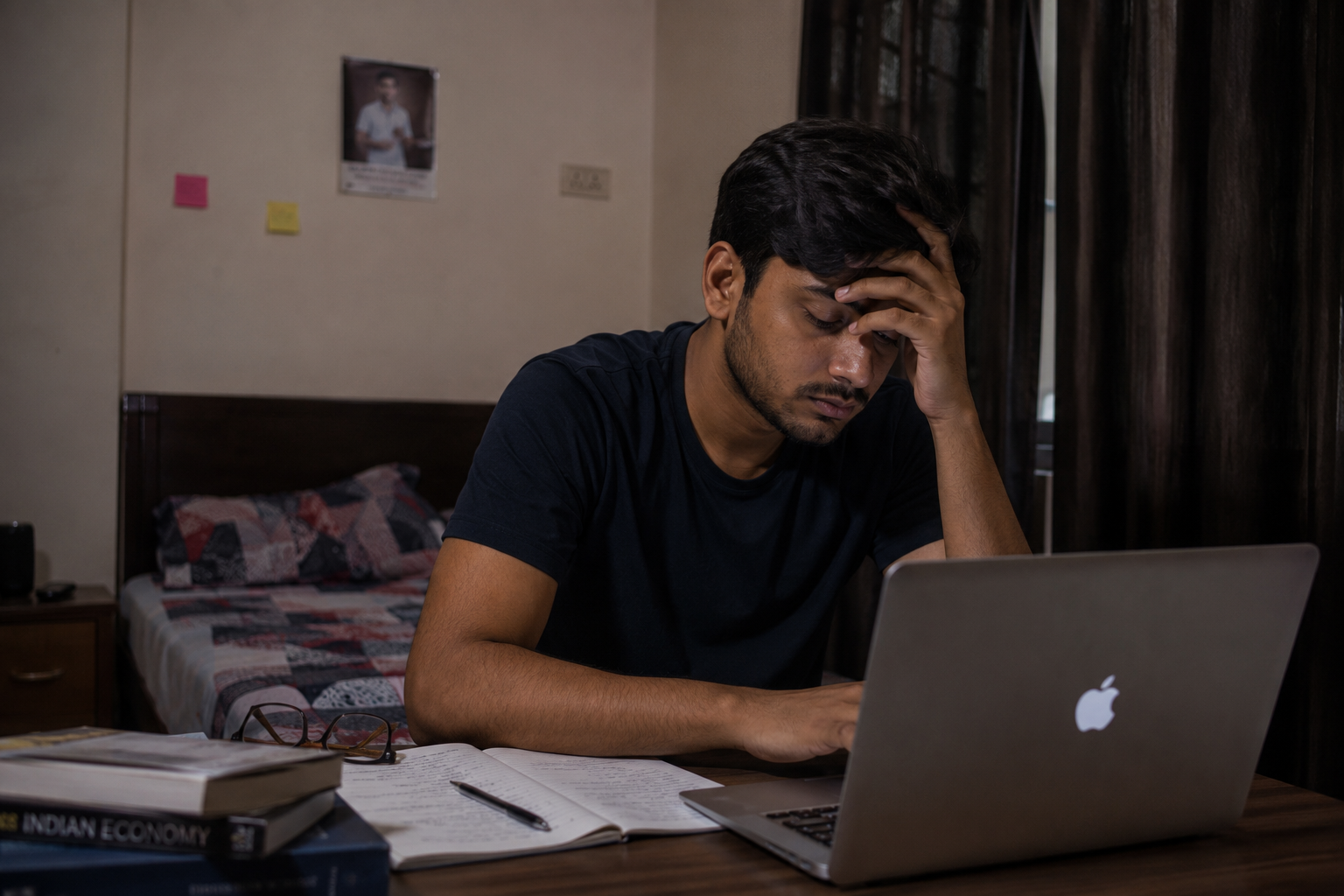
If you’ve been tossing and turning at night, staring at the ceiling fan at 2 AM, or waking up feeling exhausted no matter how early you went to bed — you’re far from alone. Sleep problems in India have become a silent epidemic, quietly affecting students, working professionals, homemakers, and senior citizens alike.
In a country that prides itself on hustle culture and “making it work,” sleep is often the first thing we sacrifice. But the cost of that sacrifice is higher than most people realize.
sleep-problems-india
How Common Are Sleep Problems in India?
Sleep problems in India are far more widespread than most people assume. Urban Indians, in particular, report high rates of poor sleep quality, difficulty falling asleep, and frequent nighttime awakenings. Metro cities like Delhi, Mumbai, and Bengaluru consistently rank among the most sleep-deprived in surveys, driven by long commutes, demanding work hours, and round-the-clock digital connectivity.
What makes this especially concerning is that many people don’t even recognize they have a sleep problem. They simply accept fatigue, irritability, and brain fog as “normal” parts of daily life — when in reality, these are often signs that the body isn’t getting the rest it needs.
Why Are So Many Indians Struggling to Sleep Well?
Sleep problems in India rarely have a single cause. Instead, they tend to stem from a combination of lifestyle, environmental, and psychological factors that are unique to how we live and work today.
1. Screen Time and Digital Overload
From late-night scrolling to binge-watching web series, screens have quietly taken over the hours that used to be reserved for winding down. The blue light from phones and laptops interferes with the body’s natural sleep signals, making it harder to fall asleep even when you’re tired. This is one of the most common contributors to sleep problems in India, especially among younger, urban populations. In fact, this pattern is closely tied to doomscrolling and digital burnout, a growing concern we’ve discussed in detail separately.
2. Work Stress and Long Hours
India’s fast-paced work culture, especially in IT, corporate, and startup environments, often blurs the line between work and personal time. Late-night emails, international client calls, and constant pressure to perform keep the mind active well past bedtime — a major driver of work-related sleep problems in India.
3. Noise and Urban Living Conditions
Traffic, construction, crowded housing, and general city noise make quality sleep difficult, especially in densely populated urban areas. Many people simply don’t have a quiet enough environment to sleep deeply.
4. Irregular Routines
Shift work, late dinners, inconsistent sleep-wake timings, and social obligations that stretch late into the night all disrupt the body’s internal clock, known as the circadian rhythm.
5. Anxiety and Overthinking
For many, the bedroom has become a place for worrying rather than resting. Financial stress, relationship concerns, career uncertainty, and general anxiety often surface most strongly at night, when there are no distractions left to mask them. This overlap between sleep and mental health is well documented — you can read more about how anxiety disorders affect the mind and body.
Dr. Sugandha Gupta, Senior Psychiatrist & Founder, Delhi Mind Clinic, notes that in her clinical experience, sleep and anxiety often feed into each other in a cycle: “A large number of patients who come to us with sleep complaints are, at the root, dealing with unaddressed anxiety. The mind doesn’t switch off simply because the lights are turned off — it needs to feel safe enough to rest, and that’s often where professional support makes the biggest difference.”
6. Lack of Awareness Around Sleep Health
Unlike diet and exercise, sleep is rarely discussed as a pillar of health in Indian households. Many people don’t realize that ongoing sleep problems in India often go undiagnosed simply because they’re seen as normal, rather than as a symptom of an underlying issue or “bad luck.”
7. Cultural and Social Expectations
Late-night family gatherings, festivals, and social obligations are deeply woven into Indian life, often pushing bedtimes later without people realizing the cumulative toll it takes. Over time, this contributes to some of the sleep problems in India that go unnoticed simply because they’re seen as part of everyday culture.
The Hidden Impact of Poor Sleep
Sleep problems in India are often dismissed as minor inconveniences, but the ripple effects can touch nearly every part of life. Research backs this up — a study published by NIMHANS researchers found that sleep-related disorders remain frequent yet consistently under-reported in the Indian population, with real consequences for long-term health:
Mental health — Poor sleep is closely linked to increased stress, low mood, and difficulty managing emotions.
Physical health — Chronic sleep disruption is associated with weakened immunity, weight gain, and long-term health risks.
Cognitive performance — Memory, focus, and decision-making all suffer when sleep is inadequate, affecting both students and working professionals.
Relationships — Irritability and low patience caused by sleep deprivation can strain personal and professional relationships.
Productivity — Ironically, sacrificing sleep to “get more done” often backfires, leading to lower efficiency and more mistakes the next day.
Signs Your Sleep Problem May Need Attention
While the occasional restless night is normal, it may be time to seek support if you notice:
Difficulty falling asleep most nights, even when tired
Waking up multiple times during the night
Waking up feeling unrefreshed despite sleeping for several hours
Persistent daytime fatigue or drowsiness
Increased irritability, anxiety, or low mood alongside poor sleep
Racing thoughts or overthinking as soon as you lie down
Relying on habits like excessive screen use just to “switch off” your mind
If these patterns sound familiar and have been going on for weeks rather than days, it’s worth having a conversation with a mental health professional rather than continuing to push through.
Building Better Sleep Habits: Where to Start
While every individual’s situation is different, a few foundational habits can help manage everyday sleep problems in India and make a meaningful difference for many people:
Keep a consistent sleep schedule. Going to bed and waking up at the same time each day — even on weekends — helps regulate your body’s internal clock.
Create a wind-down routine. Dimming lights, reducing screen use, and doing something calming an hour before bed signals to your brain that it’s time to slow down.
Be mindful of caffeine and heavy meals. Consuming these too close to bedtime can interfere with your ability to fall and stay asleep.
Make your bedroom sleep-friendly. A cool, dark, and quiet environment supports deeper, more restorative sleep.
Address anxious thoughts during the day, not just at night. Journaling or setting aside dedicated “worry time” earlier in the day can prevent your mind from racing once you’re in bed.
Move your body regularly. Physical activity during the day, even a short walk, can improve sleep quality significantly.
These strategies can help, but it’s important to remember that persistent sleep problems are often connected to deeper emotional or psychological patterns — and self-help strategies alone may not be enough to resolve them.
When to Seek Professional Support
Sleep problems in India are often treated as something to simply push through, but ongoing sleep difficulties deserve the same attention as any other health concern. If poor sleep has been affecting your mood, energy, relationships, or ability to function for more than a few weeks, it’s a sign worth taking seriously. This concern is echoed in a recent systematic review of sleep problems in India, which describes rising rates of insomnia and sleep-related conditions as “a wake-up call for promotion of sleep health” across the country.
Dr. Paramjeet Singh, Senior Consultant Neuropsychiatrist, Delhi Mind Clinic, adds: “Sleep is often the first thing people ignore and the last thing they think to get checked. But in our experience, chronic sleep difficulty is rarely an isolated issue — it’s usually connected to how someone is coping with stress, mood, or an underlying condition. Getting a proper clinical evaluation early can prevent months of unnecessary suffering.”
A mental health professional can help identify whether your sleep difficulties are linked to stress, anxiety, an underlying emotional pattern, or another root cause — and guide you toward a personalized approach to feeling rested again. You don’t have to figure it out alone, and you don’t have to wait until things get worse to ask for help.
Sleep problems in India are more common than we openly admit, but they are not something you simply have to live with. Quality sleep isn’t a luxury — it’s a foundation for mental clarity, emotional balance, and physical well-being. Recognizing the problem is the first step, and reaching out for support is often the most important one.
If sleepless nights have become your new normal, it may be time to talk to someone who can help you understand why — and guide you toward genuinely restful nights again.