For general questions, please send us a message and we’ll get right back to you. You can also call us directly to speak with a member of our service team or insurance expert.
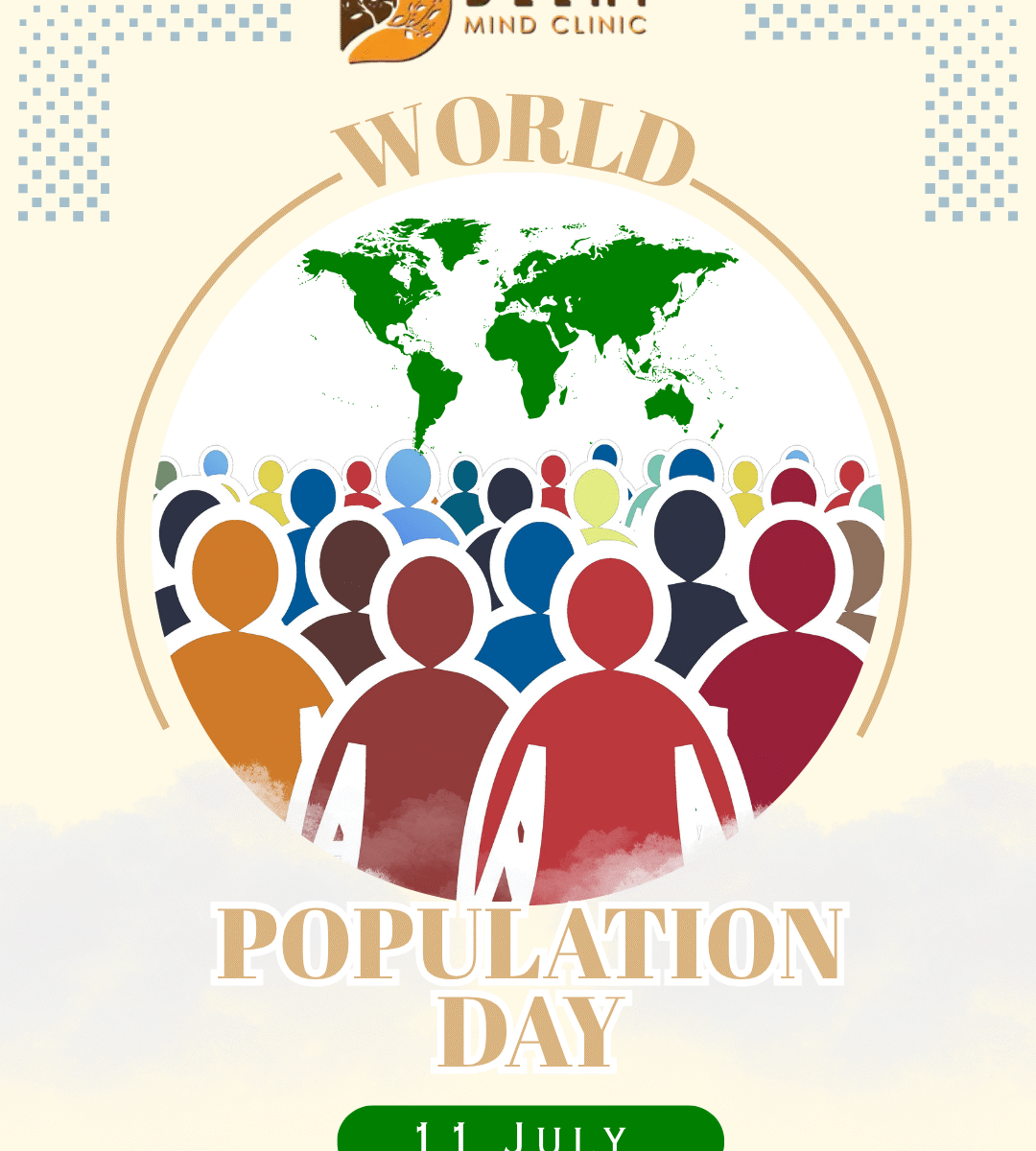
Every July 11, something quietly remarkable happens: the world pauses, just for a moment, to think about a number so large it’s almost impossible to picture. 8.3 billion. That’s how many people share this planet with you right now.
world-population-day
Welcome to World Population Day — a day that isn’t about counting heads for the sake of it, but about understanding how that number touches everything from housing and jobs to, perhaps surprisingly, your peace of mind.
At Delhi Mind Clinic, we spend our days helping people navigate the stresses of modern life. And if you look closely, so many of those stresses — crowded cities, competitive workplaces, the constant hum of “too many people, too little space” — trace back to one root idea: population. So this year, we’re marking World Population Day a little differently, by connecting the dots between global numbers and everyday mental wellbeing.
What Is World Population Day, Really?
World Population Day was established by the United Nations Development Programme in 1989, inspired by an extraordinary moment two years earlier. On July 11, 1987, the world’s population crossed 5 billion people — an event so significant it was informally called the “Day of Five Billion.” Newspapers everywhere ran the story, and for the first time, ordinary people around the world started asking: what happens when we keep growing like this?
Since then, July 11 has become an annual checkpoint — a day for governments, researchers, and communities to reflect on population growth, reproductive health, gender equality, and sustainable development.
World Population Day 2026 Theme
This year’s official UNFPA theme is “Realizing the hopes and aspirations of young people – today and for the future.” It’s built on a massive global survey of more than 100,000 young adults aged 18–39 across 73 countries, exploring what they want from relationships, family, and the future — and what’s standing in their way. Spoiler: it’s rarely a lack of desire to build a life. It’s cost of living, job insecurity, and housing pressure — the very things that quietly chip away at mental health too.
Fascinating Facts About World Population Day
Here are some facts worth sharing on your social feed this July 11:
It took all of human history — hundreds of thousands of years — for the population to reach 1 billion. It then took just 200 years to multiply sevenfold.
The world adds roughly 200,000 to 220,000 people every single day — that’s a mid-sized city’s worth of new people, daily.
Every 14 months or so, humanity adds another 100 million people to the planet.
India is now the most populous country on Earth, having overtaken China in April 2023, with an estimated 1.45 billion people in 2026 — nearly 17.5% of humanity.
Asia is home to about 4.85 billion people — more than half of everyone alive today.
More than half the world’s population is under the age of 30. This is, quite literally, a young planet.
Global population growth has been slowing since it peaked in 1963, and current growth sits around 0.83% a year.
The Statistics Behind the Story
Numbers tell a story of their own. Here’s where the world stands as we mark World Population Day 2026:
Metric
Figure
Current global population
~8.3 billion
Population in 2050 (projected)
~9.7 billion
Projected peak population
10.3–10.9 billion (around the 2080s)
India’s population (2026)
~1.45 billion
Share of world population under 30
Over 50%
Daily net population growth
~200,000–220,000 people
One statistic from UNFPA’s latest global survey stands out in particular: across a 14-country study covering more than a third of the world’s population, 18% of adults of reproductive age said they expect to end up with fewer or more children than they actually wanted — not because they didn’t want a family, but because of cost, job insecurity, and housing pressure. Behind every population statistic is a deeply human, and often deeply stressful, decision.
The Hidden Link Between Population and Mental Health
This is where the conversation gets personal — and where it connects directly to what we see every day at Delhi Mind Clinic.
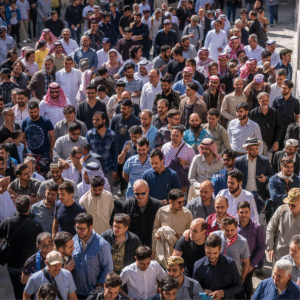
1. Crowded cities, lonelier minds. It sounds contradictory, but living surrounded by millions of people is one of the most common paths to isolation. Urban crowding is consistently associated with higher stress levels, sensory overload, and a sense of anonymity that can quietly erode emotional wellbeing.
2. The pressure of “not enough to go around.” When population grows faster than jobs, housing, or infrastructure, competition intensifies. That competition — for school seats, job interviews, even a parking spot — becomes a daily source of anxiety for millions of people, especially in dense urban centres like Delhi.
3. Family planning is a mental health decision, not just a demographic one. The idea of choosing if, when, and how many children to have is tied closely to emotional wellbeing, relationship stability, and a sense of control over one’s own future. When people feel they can’t make that choice freely — due to financial pressure or social expectation — it takes a real emotional toll.
4. A young, ambitious population needs mental health support more than ever. With over half of the world under 30, this generation faces academic pressure, job market competition, and social media comparison at a scale no previous generation has. Investing in youth mental health isn’t optional anymore — it’s central to how the next few decades will unfold.
5. Environmental anxiety is real — and it’s growing. Climate change, resource scarcity, and questions about the future are increasingly cited by young adults as reasons to delay or reconsider having children. This isn’t pessimism; it’s a rational response that deserves compassionate, professional support rather than dismissal.
How You Can Observe World Population Day 2026
You don’t need a grand gesture to participate meaningfully:
Explore real data through the UNFPA World Population Dashboard
Start a conversation with friends or family about population, sustainability, or mental wellbeing
Support local sustainability initiatives — even small actions like water conservation count
Check in on your own stress levels if city life, work pressure, or future planning feels overwhelming
Share verified facts and statistics using #WorldPopulationDay to help others engage with accurate information
It’s easy to get lost in billions and percentages, but World Population Day is ultimately not about numbers — it’s about people. Every single digit in “8.3 billion” represents someone navigating their own hopes, pressures, relationships, and mental health journey, just like you.
If the pace of modern life, urban pressure, or future anxiety has been weighing on you, know that you’re far from alone — and that support is always available. At Delhi Mind Clinic, we’re here to help you find calm, clarity, and balance, no matter how crowded the world outside gets.